Canada · San Juan Island
Continuing south, Roche Harbor
Continuing south in B.C.
After our visit to Smuggler Cove, we wanted to make good time to our winter quarters. First to Nanaimo, but even getting there wasn't quite that fast. The direct route was blocked by the Canadian Navy. Over VHF radio there were warnings about Whisky Golf, which is the military name for a large exercise area, and that it could not be navigated on that day. Exercises from the air and by warships, naturally with live ammunition, were scheduled. For us, this meant turning away and taking a detour of about 15 miles. That was still a better alternative than being sunk, though.
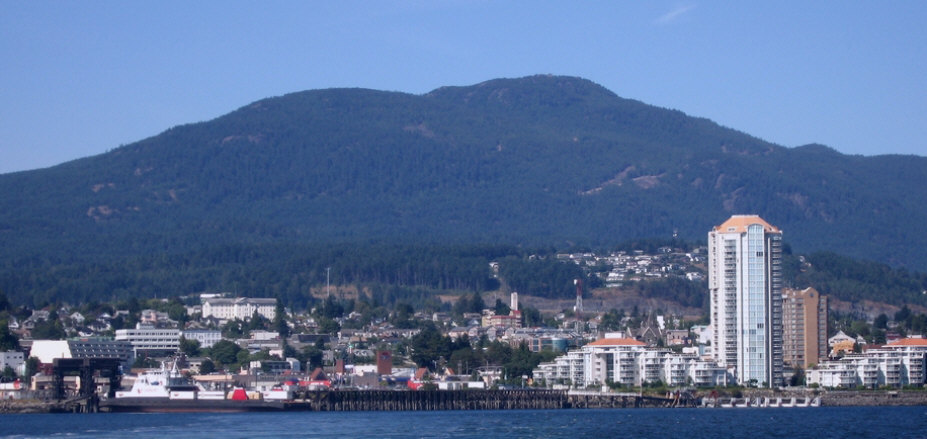
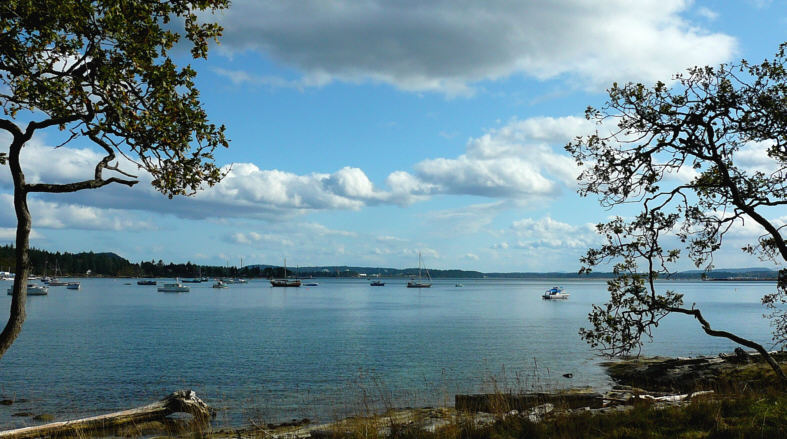
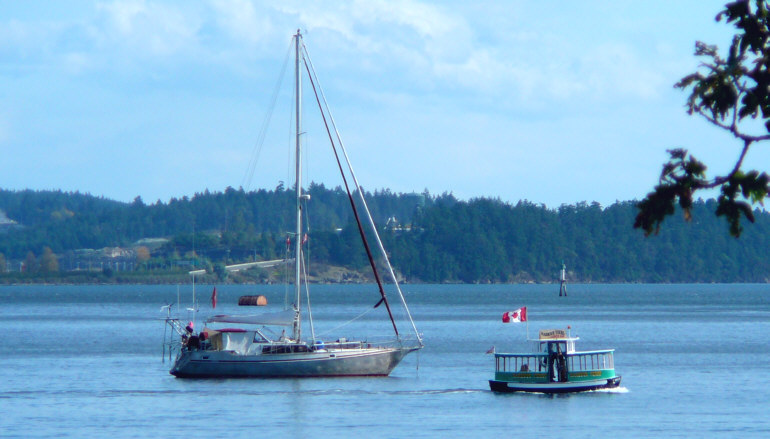
In Nanaimo we bought a few things that are more expensive in the USA or not available there. After we finished our walk on Newcastle Island, we continued to Montague Harbour. We already stopped here during our trip north. Back then I had a problem with my back. While pulling up the dinghy, I got a sharp pain in my back, a typical lumbago. With patience and the ointments from our onboard pharmacy, I got rid of it again. Now we were anchored in the same bay again and I was joking about the witch from back then. Apparently I should have refrained from doing that, because this time it hit me even harder. After an unsuccessful morning of fishing, feeling slightly frustrated and soaked and chilled from the rain, I wanted to start the outboard motor. A stupid movement on my part and something in my armpit was no longer as it should be. Now no ointments helped and my cursing certainly not. This injury turned out to be a larger, unplanned handicap. Fortunately, luck apparently had not yet abandoned me despite this injury, we were only two days away from our winter storage. It is unimaginable how our long trip to Alaska would have turned out if this accident had happened a few months earlier. A doctor's visit in the wilderness is not an impossibility, but almost. Arrival in Roche Harbor
After much back and forth, we had definitely decided two weeks ago not to spend the next winter in Canada again. The sometimes quite tedious procedure of Canadian visa extension and the exorbitant marina fees led to this negative decision against British Columbia. The alternative was now back to the USA. Or rather, to the Gulf Islands.
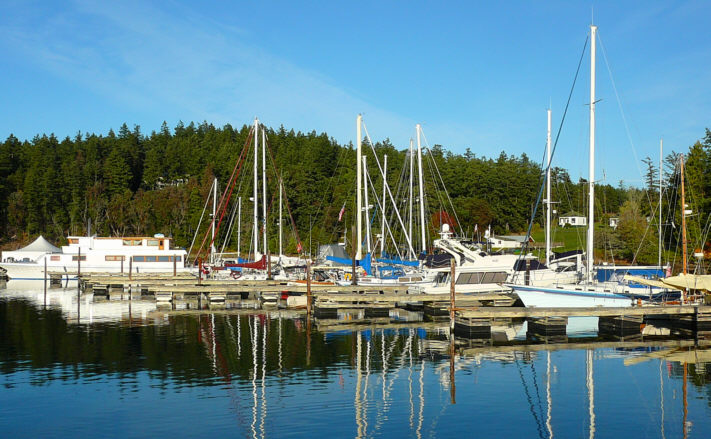
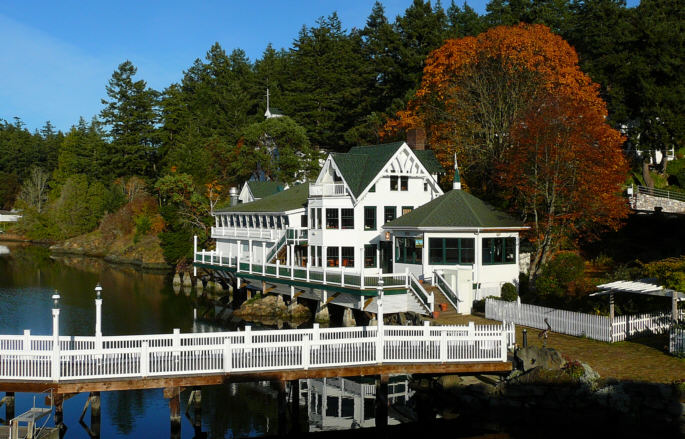
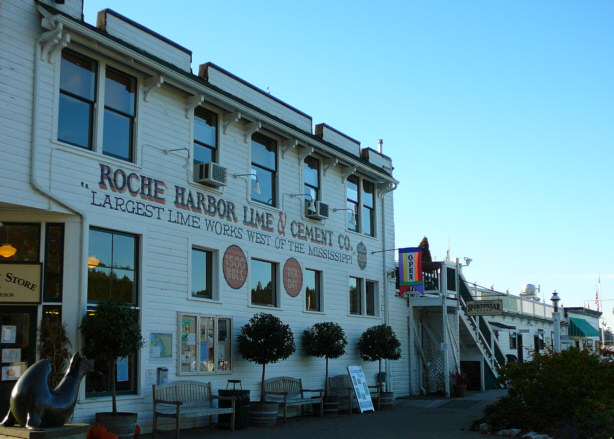
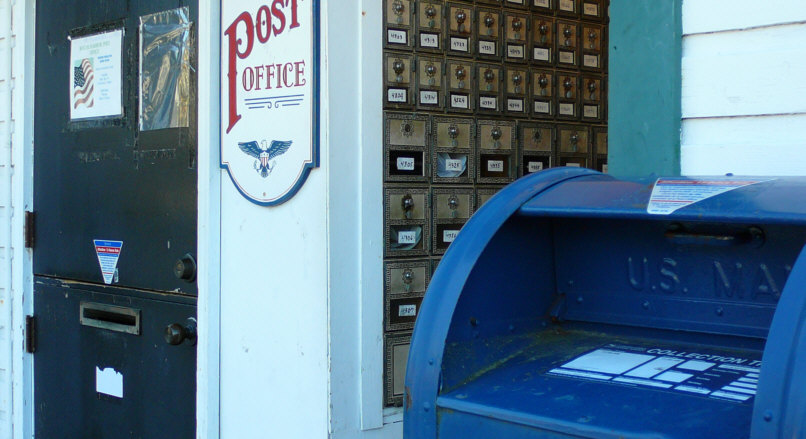
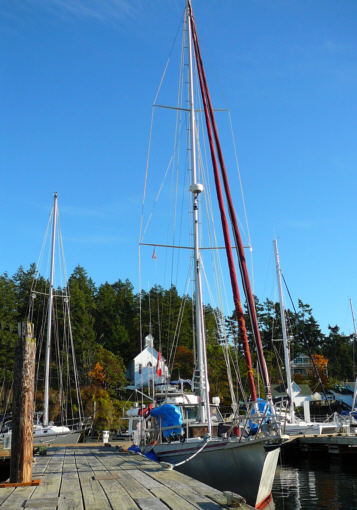
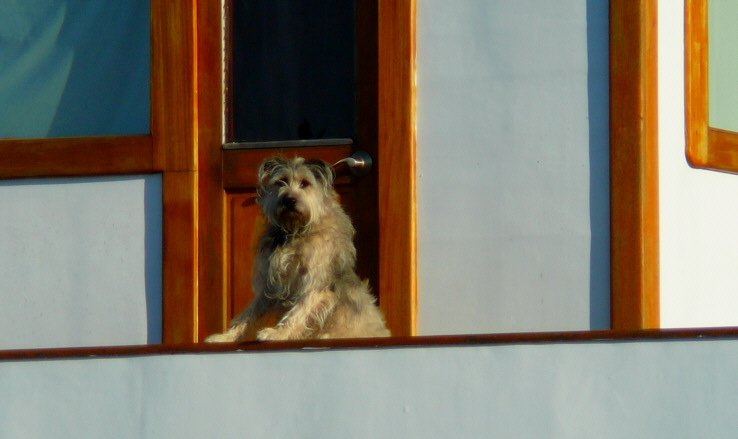
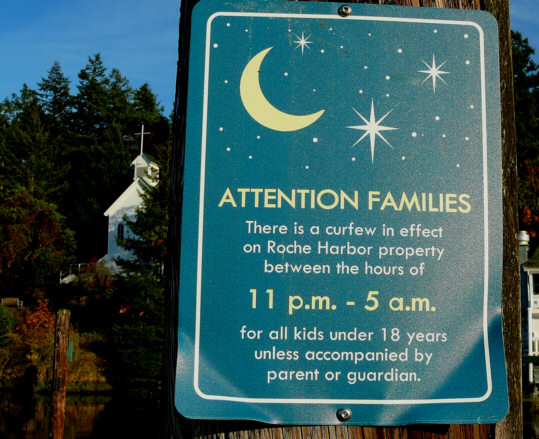
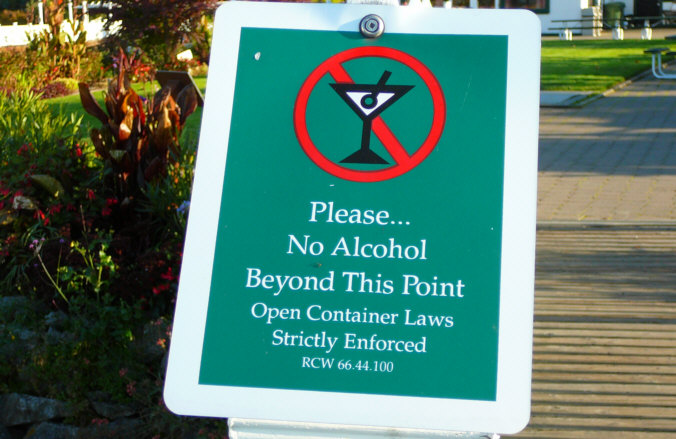
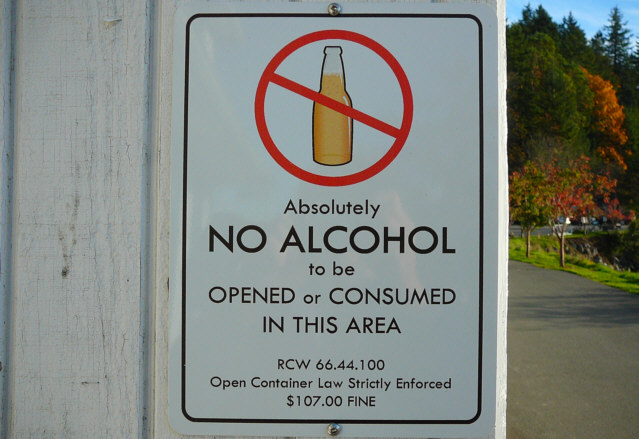
The Gulf Islands are a large archipelago in the Strait of Georgia, an arm of the Pacific Ocean between Vancouver Island and the coast of British Columbia. The islands are usually divided into the Northern and Southern Gulf Islands. The Southern Gulf Islands comprise several hundred islands and are part of a large archipelago that also includes the San Juan Islands. And that is precisely where, according to our information, a small but very exclusive marina is located. An exclusive marina sounded expensive, and so it was in the summer. The Roche Harbor Resort and its marina are completely overcrowded with guests throughout the summer months and lonely and sleepy in the winter. As a result, mooring fees here in the colder season are extremely low, which was tailored precisely to us. We also felt that, after the rather strenuous past months of travel, we could really use some peace and quiet.
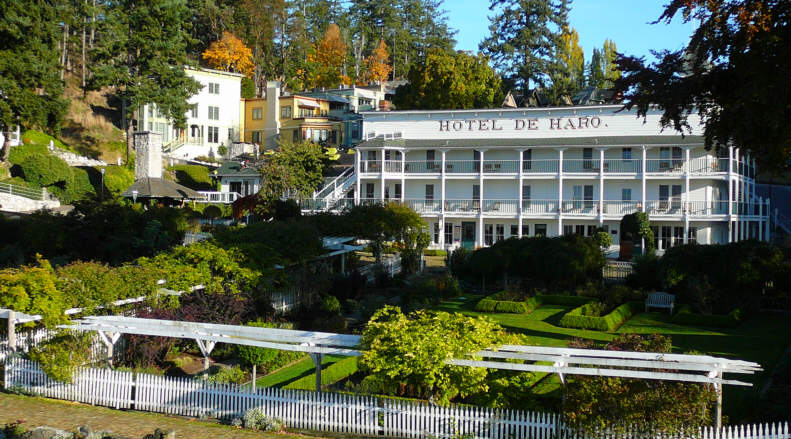
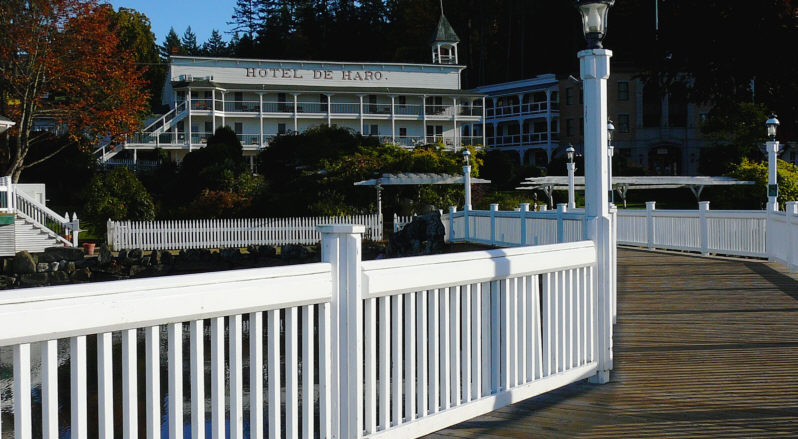
In 1880, the two brothers Robert and Richard Scurr founded "the islands' lime industry" in Roche Harbor and began limestone mining. As early as 1887, John S. McMillin, a wealthy man from Tacoma, took over the entire operation and founded "the Tacoma and Roche Harbor Lime Company". At the same time, he built the "Hotel de Haro", which still exists today. Back then, of course, this was built exclusively for the company's customers. According to documents and pictures, even the then US President Theodore Roosevelt is said to have stayed here in 1906.
Some witnesses from this pioneer era are beautifully restored today and used for tourism. This is also the only source of income in this area in the north of San Juan Island. From the marina management we got the feeling that we were truly welcome guests. What a difference to the snobbish Port of Sidney management, I could only say. During the first days of our stay at the marina, the weather showed itself from its absolute best side. A real Indian summer, they call it here, which sounds much nicer than the equivalent in Switzerland. We had a good week left to settle in here and explore the immediate surroundings before we set off for house and dogsitting in Victoria. We discovered various beautiful hiking trails right outside the boat door, what a paradise for Yvonne. You will surely understand when I write here, for Yvonne ... "Pig War"
Since the entire region is a historical area by North American standards, there are also various monuments and stories about it. A special one is that of the "Pig War". In 1859, the island group was the subject of the so-called Pig War, a border dispute between the USA and Great Britain, which fell victim to a single pig back then. I find this story so wonderful and amusing that I would like to share a brief description of it with you here.
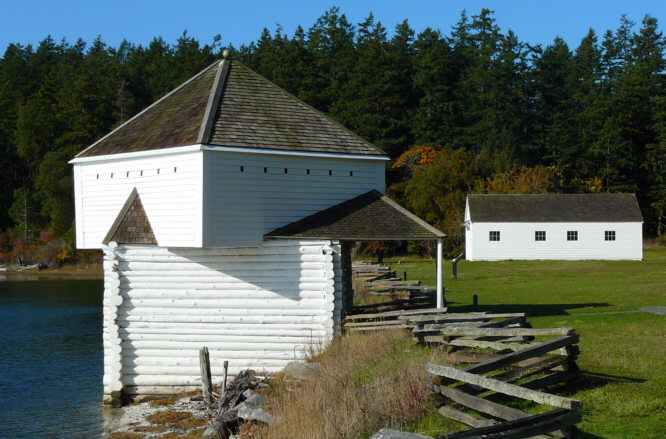
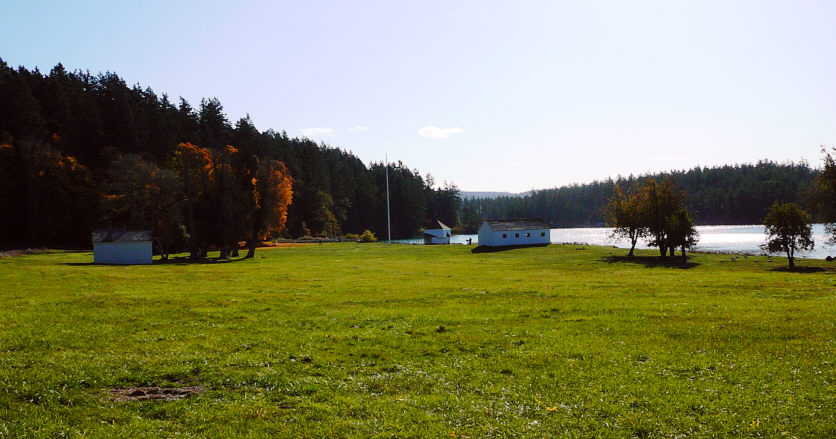
During our visit to the "English Camp" we received the following information:
The Pig War was a territorial conflict in 1859 between the USA and Great Britain regarding a border course between the USA and Canada. The border between the USA and Canada was defined by the treaty of June 15, 1846, the so-called Oregon Treaty. It merely stated that the border runs along the 49th parallel, down the middle of the channel that separates the mainland from Vancouver Island and down the middle of the Strait of Juan de Fuca to the Pacific Ocean. Exactly 13 years later, on June 15, 1859, this inaccuracy in the treaty led to an open conflict.
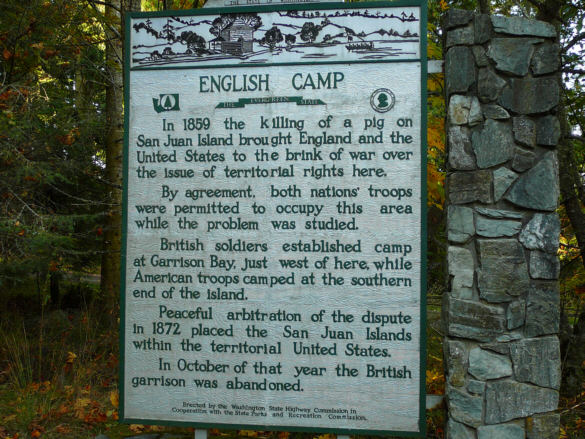
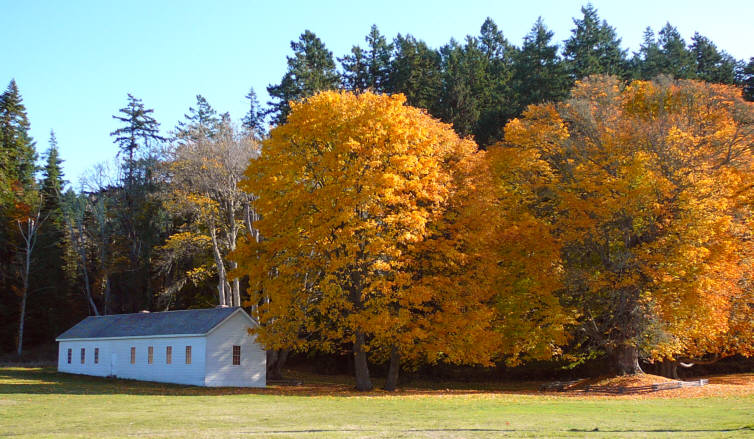
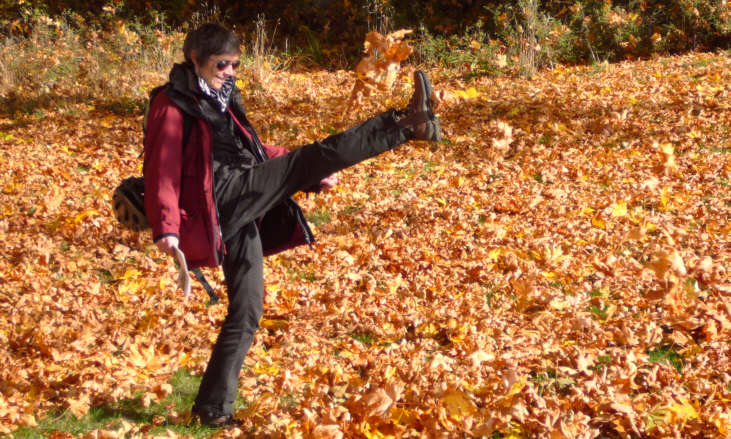
The American farmer Lyman Cutlar shot a stray pig that was roaming in his garden. The pig belonged to an Irishman who worked for the Hudson's Bay Company. When British authorities threatened Cutlar with imprisonment, American settlers called for the military. The head of the Oregon Department immediately dispatched 66 army soldiers to the island. The British Crown learned of this and promptly sent three warships into the area. The situation threatened to escalate.
By September, 461 Americans with 14 cannons under the command of Major Silas Casey were ready to face the three British warships, with 70 guns and 2140 soldiers. Fortunately, no shots were fired during this time. The American president at the time, James Buchanan, sent General Winfield Scott to the San Juan Islands in September to resolve the crisis with the governor. As a result, both sides agreed to maintain joint occupation, though on a reduced scale. The British camp was established on the north side of the island to ensure easy supply and access. The American camp was established on the south side of the island on a high point, which was favorable for artillery. The Pig War had been going on for twelve years when the dispute was brought before the German Emperor Wilhelm I, who was now to mediate. On 21 October 1872, a commission formed by the Emperor decided that the entire San Juan Islands would definitively fall to the USA. To this day, a memorial commemorates this conflict. The site has also been a National Historic Landmark since 1961.
Smile, smile.... there should be more wars like this. No dead people, no destroyed landscape, the only victim was a poor pig ...