Lesser Antilles
Dominica, Guadeloupe and Les Saintes
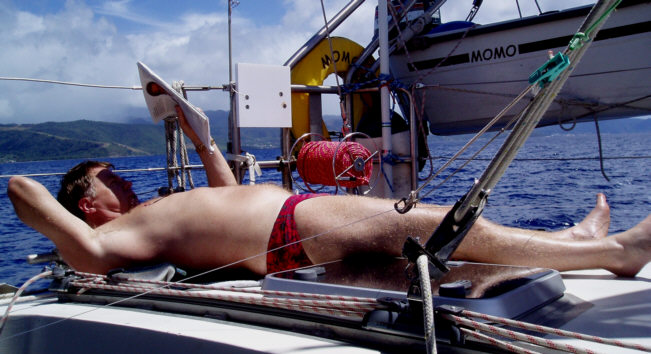
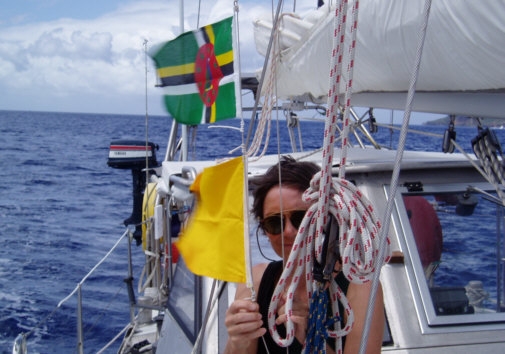
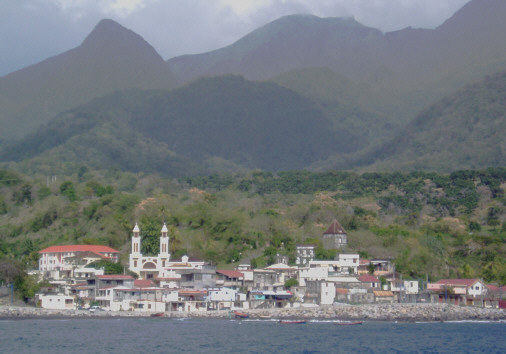
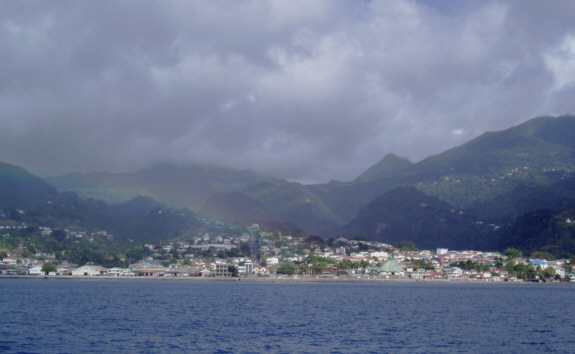
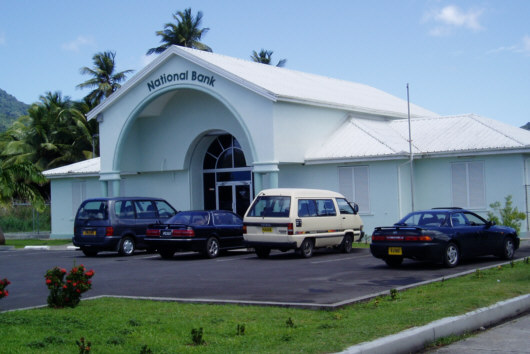
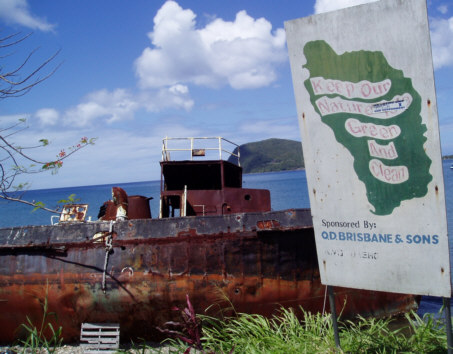
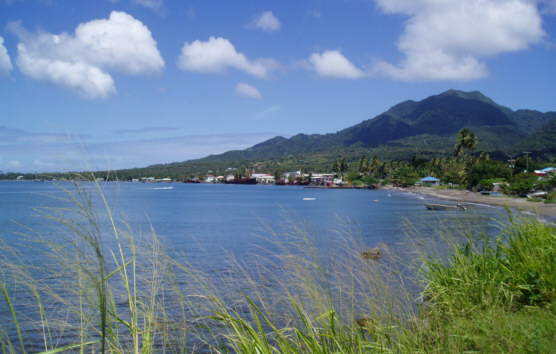
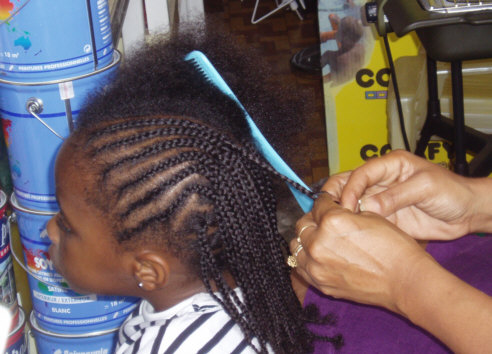
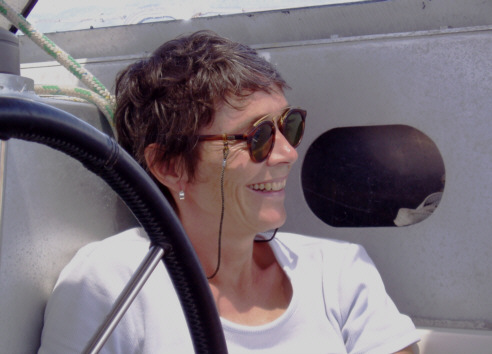
With Peter, our new guest, we sailed north at the beginning of March. Guadeloupe was our destination. Following the wonderful sailing weather that we had the pleasure of enjoying last week with Philippe, the rain had unfortunately taken over again. According to weather statistics, there should only be three days of rain in March. But the fact that statistics are usually wrong anyway is as clear as rain.
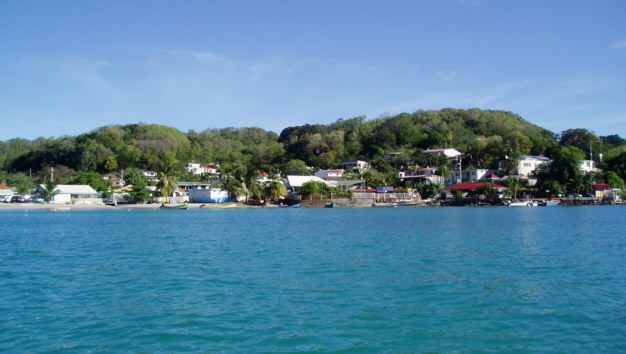
Anchoring off Roseau, the small capital of Dominica, proved to be very difficult and somewhat unsafe. Therefore, we gladly accepted the offer from a local to use his buoy. At first, he wanted an outrageous 10.-- US$ from us. After some back and forth, we agreed on a realistic US$ 5.--. A short time later, a loud charter yacht arrived at the next buoy. The rasta immediately demanded US$ 15.-- from them. Without a moment's hesitation, the charter boat crew paid this amount. Unfortunately, this is how prices are driven up everywhere. The ones who suffer are us long-term sailors, who have to pay such fantasy prices out of a single budget.
The difference between Dominica and Martinique is huge. Here there is still a simple and modest standard of living, no large streams of tourists and no flow of money via France from the EU. Everything here is even slower and set back by years. However, we found that this is not a disadvantage at all. Despite having less luxury and comfort, the people do not seem unhappy.
A short remark by "our" boat boy, who brought us bananas, grapefruits and oranges to the MOMO every day, and that on his old surfboard of all things: "I make me happy every day!" is characteristic of the islanders' attitude.
Guadeloupe
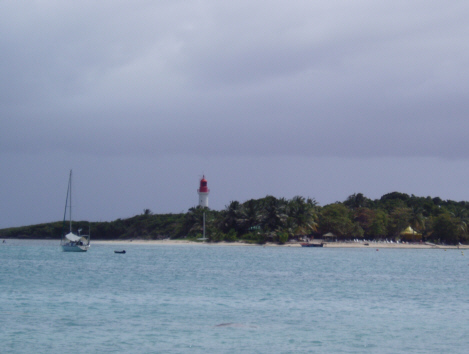
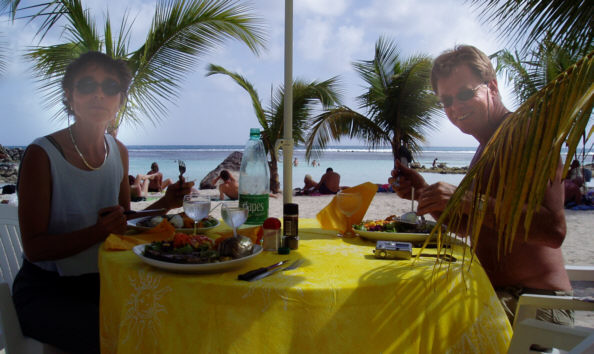
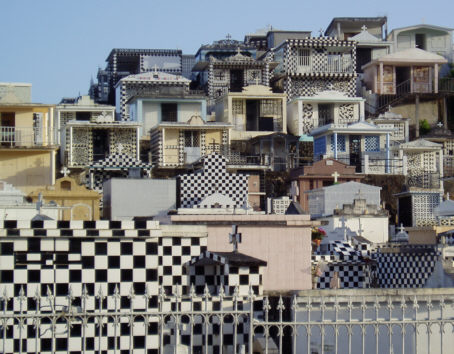
We explored Guadeloupe with a rental car. Peter tried, almost on the verge of despair, to finally find the Caribbean beauties he expected here. Unfortunately still without much success. When I told him about the stunning Brazilian women at such a moment, he almost grabbed me by the throat and demanded insistently that I immediately set a course for South America. At that latest moment, however, Yvonne protested very vehemently, I wonder why? Pointe-à-Pitre, the capital, was destroyed several times over the years by hurricanes, earthquakes and fires. Therefore, it is easily understandable that the old, beautiful colonial buildings have today been replaced by monotonous concrete blocks.
Les Saintes
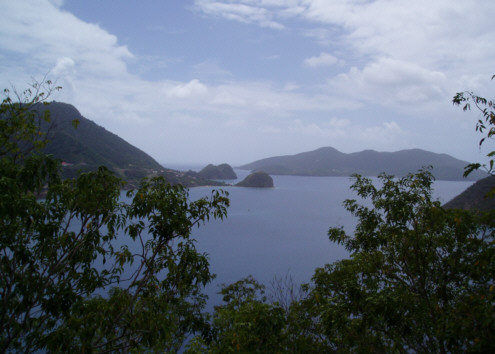
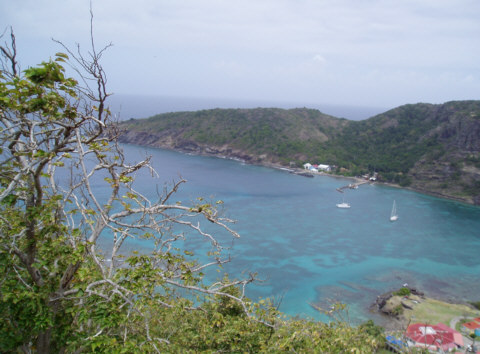
On our return trip, we made a short stopover at Les Saintes. This tiny volcanic archipelago is located only about 6 nautical miles south of Basse Terre. According to tradition, these small islands got their name from Columbus because he discovered them on November 1 (All Saints' Day). On this dreamy plantation island, there are now several very beautiful sandy beaches. At the highest point is the renovated Fort Napoléon. In the spring of 1782, a decisive naval battle is said to have taken place here off Les Saintes, which General Rodney won, thus securing British supremacy in the Caribbean. We ourselves had dropped anchor in the bay off Le Bourg with absolutely peaceful intentions. Strolling through the village, which became romantic once the day-trippers had left on the last ferry at 16:00, was very pleasant. But since Peter's return flight was getting closer and closer, we had to move on. It was actually a shame, but once again our actions were dictated by European time pressure.
Martinique
Dominica again, then Fort de France, Anse Mitan and St. Anne on Martinique were our last stops with Peter. In Fort de France, you anchor practically side by side with the cruise ships. It was always a "splendid" sight when such a giant let its passengers ashore. Like chickens and ducks, the mostly sunburned and overweight "adventurers", laden with trinkets and video cameras, waddled right into the waiting locals' hands.
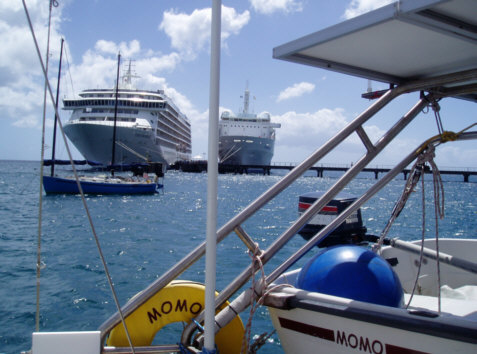
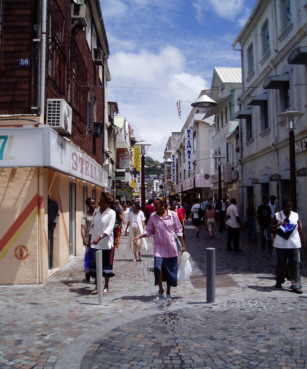
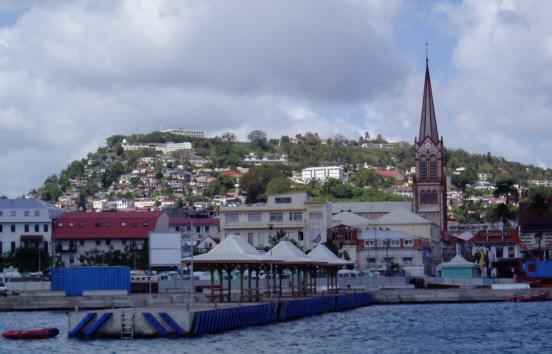
The atmosphere in the attractive and lively Fort de France is very pleasant. The centre is a network of narrow streets, colourful houses with wrought-iron balconies and countless shops.
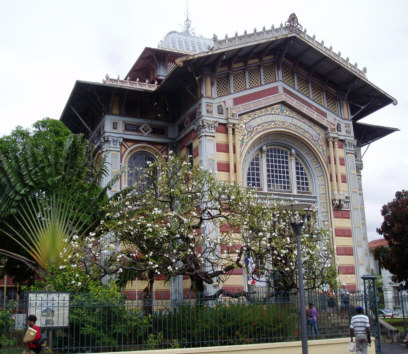
The unique building, the "Bibliothèque Schoelcher", was specifically designed and built for the Paris World Exhibition of 1889. After the exhibition, it was dismantled into individual parts, shipped to Martinique and reassembled here.
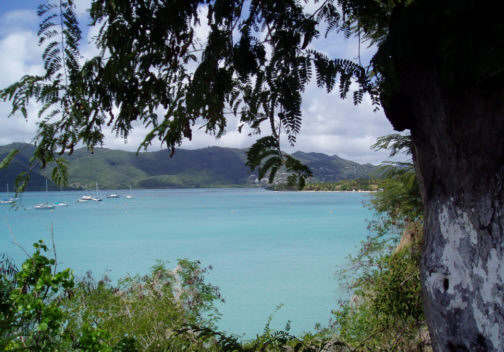
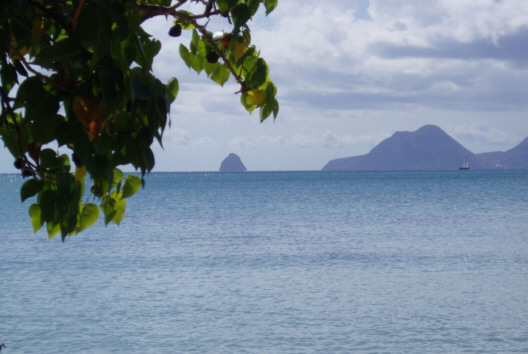
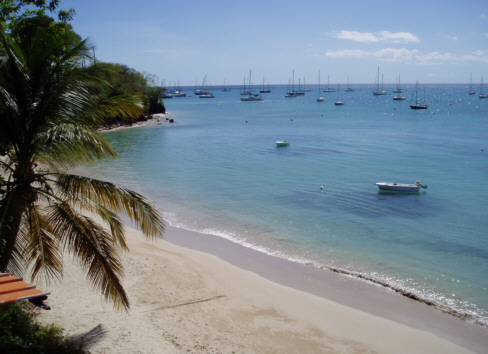
We spent the last two days in St. Anne. Here, everything finally came together just right again. The sun took pity on our guest, the water was turquoise blue and the sandy beach looked like something out of a postcard. A final recharge for Peter and then it was time for him to return to winter.
After these weeks where we could play the role of hosts (which we thoroughly enjoyed doing), everyday life began for us once again. Installing our newly purchased SSB radio system, replacing our defective anchor chain and carrying out a few other minor repair jobs on the MOMO were next on the agenda.
And of course there was still our uncertainty and the big question: where will we spend the next hurricane season? In our minds, we actually favoured Venezuela. A wonderfully wild country. According to some reports from sailing circles, however, perhaps too wild, meaning too unsafe? We had previously been advised against the Cape Verde Islands and Brazil time and time again. In hindsight, it was by far the most wonderful time of our journey so far. At the moment, we are still torn, weighing up the certain risk against the anticipated beauty of the country. We are discussing things a lot with other sailors who personally know the situation in Venezuela. We are trying to get reliable information everywhere in order to make the right decision for ourselves.
More impressions from Martinique