USA · Canada
From Milwaukee by train to the West Coast
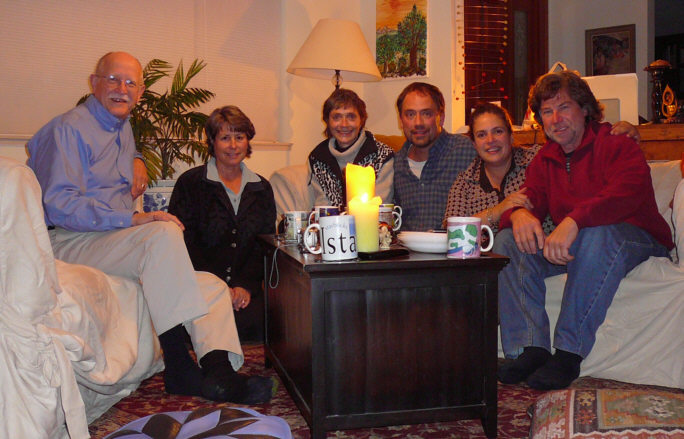
MOMO was just loaded and ready for departure.... ....when Frances and Jim arrived at our marina. We had met the two sailors about a month earlier on the east side of Lake Michigan in Charlevoix. An interesting dinner together immediately blossomed into a genuine sailing friendship. Now the two of them had actually driven the 150 kilometers up to Sturgeon Bay to pick us up and host us at their home for a few days.
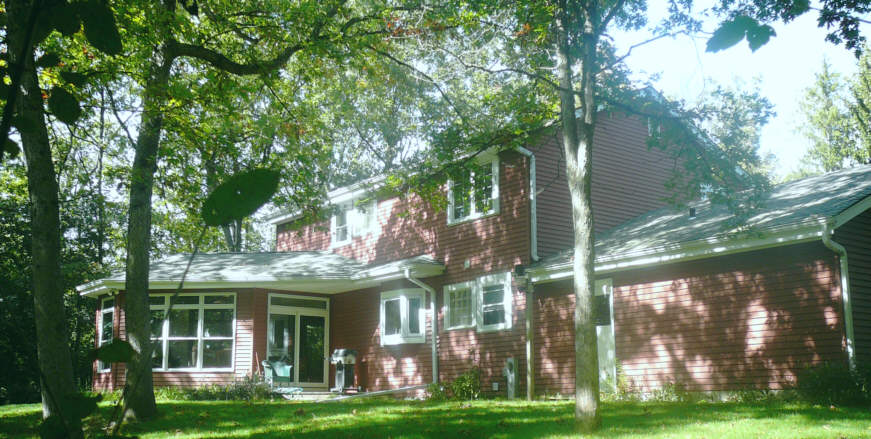
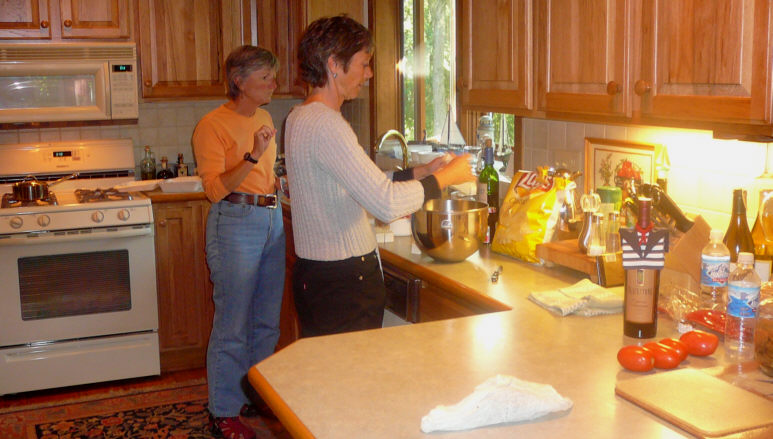
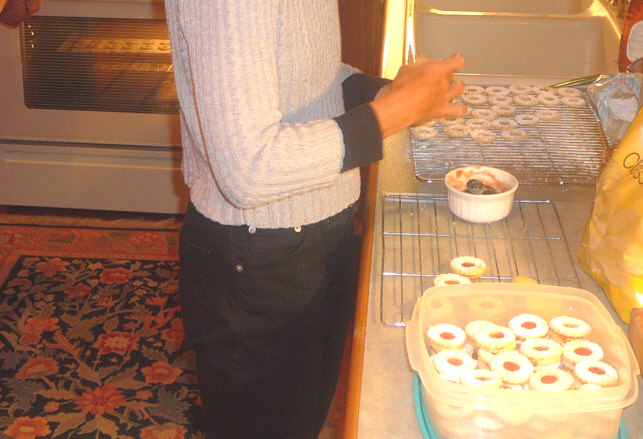
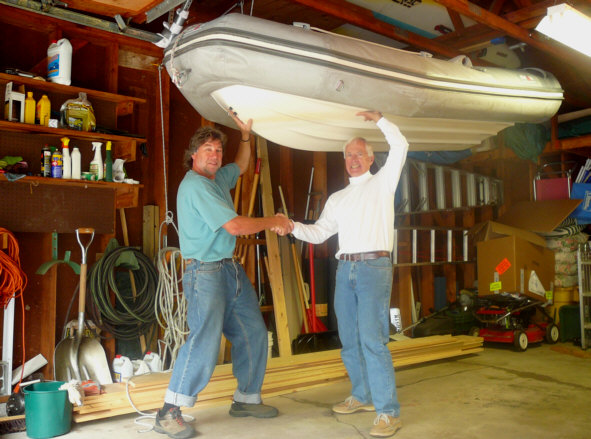
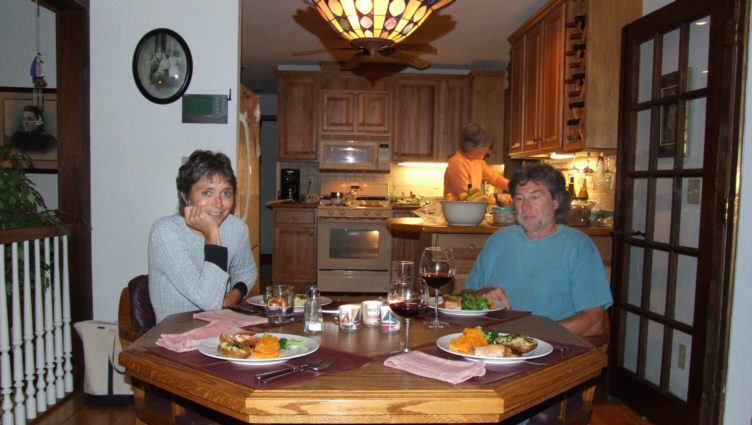
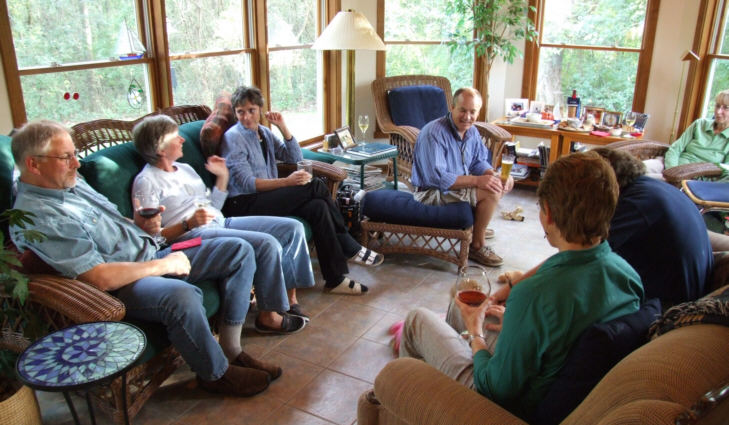
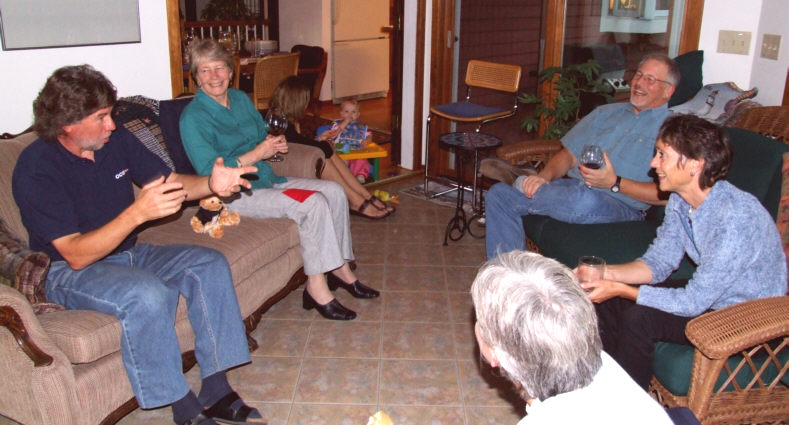
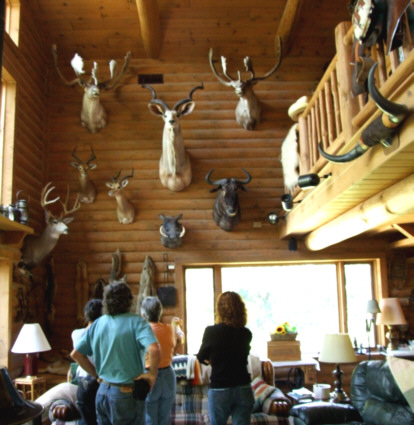
Instead of having to look for and pay for a rental car and a hotel room for three days, we were picked up right at MOMO and pampered to the max. As a small token of appreciation, they asked us (meaning Yvonne, of course) to prepare a proper Swiss dinner. We were more than happy to fulfill this little request, so homemade Spätzli with Suurem Mocke and burnt cream for dessert were put on the menu. While preparing the Spitzbuben served with the final coffee, even I was able to contribute my modest baking skills. Which means, of course, that I constantly had to taste the fresh dough to make sure it really met the quality we wanted.
When buying the ingredients, which we had calculated for four people, it turned out that this small dinner was going to turn into a larger party. They had mentioned the visit of the "crazy swiss sailing traveller" to their close circle of friends, which meant that Yvonne suddenly found herself cooking for ten people. I would just like to briefly mention here that we didn't have to pay for a thing when buying the groceries. Just to reassure those of you who might have thought we had to finance the whole party. Once again, we got to experience the warm and spontaneous American hospitality that very few Europeans know about, or even care to know about. Three days later, we were chauffeured to Milwaukee's main station. Of course, you shouldn't picture this main station according to the criteria we are used to. Even though we are in a city of more than 1.7 million people, mind you the capital of the state of Wisconsin, the whole thing feels more like a somewhat larger tram station. In the USA, the land of absolute individual transport, railways are unfortunately still treated very much like stepchildren today.
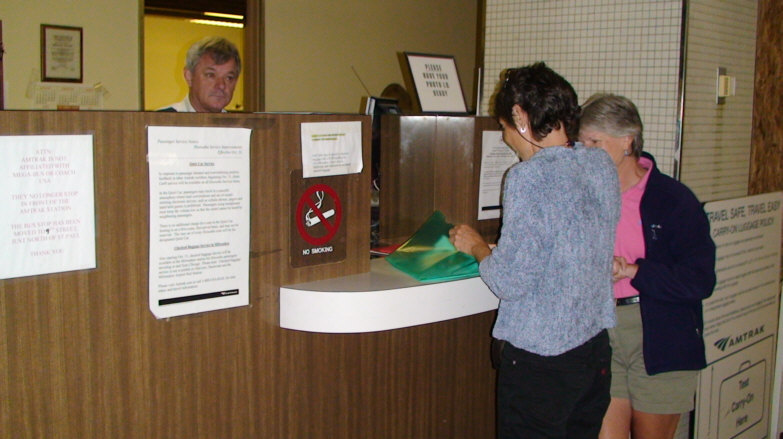
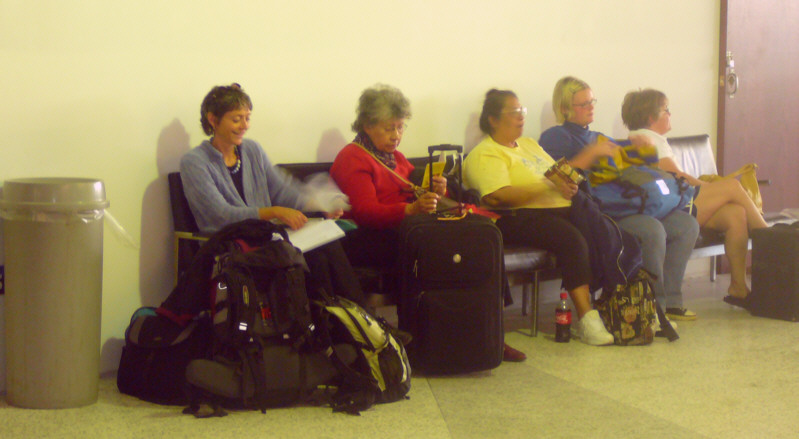
When we picked up our tickets, ordered via the internet, at the Amtrak counter, I had a bad feeling. The counter clerk was, as always, very helpful, but the entire office looked as if we were still in the middle of the 20th century. The waiting room was makeshift and the platform resembled a construction site.
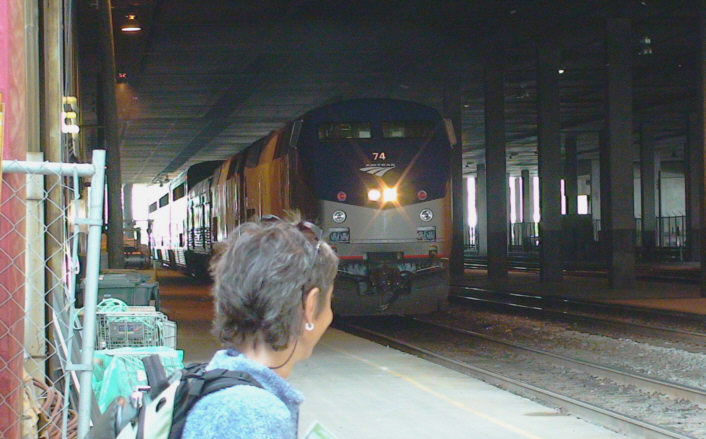
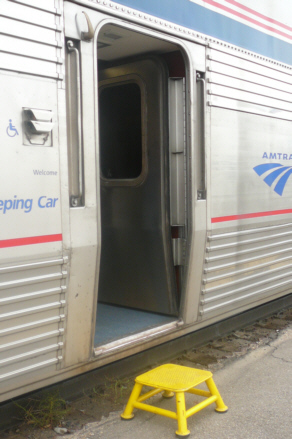
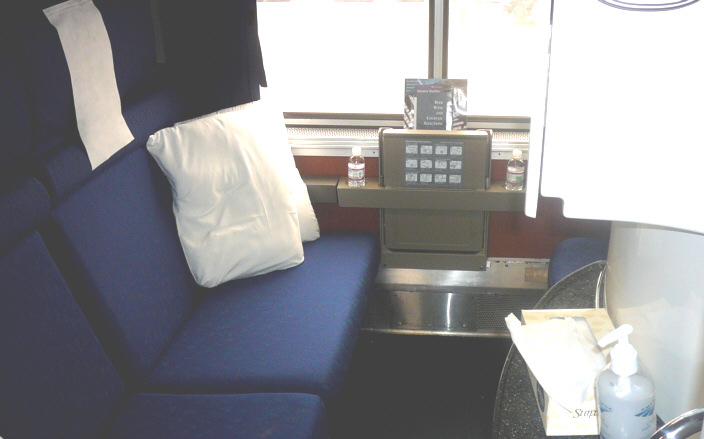
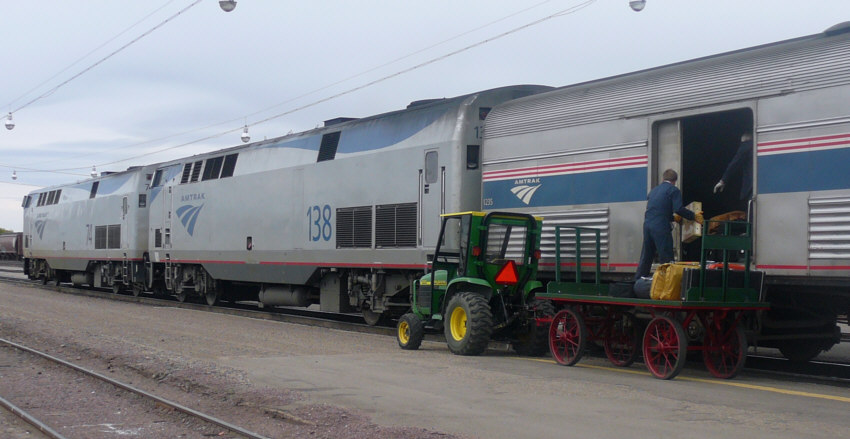
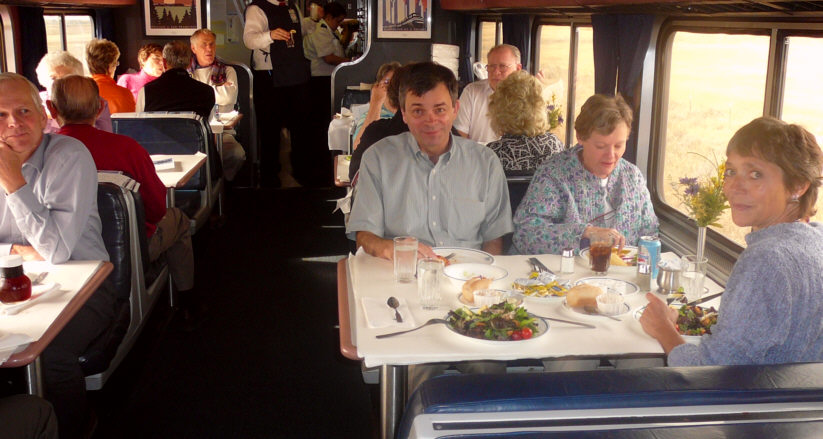
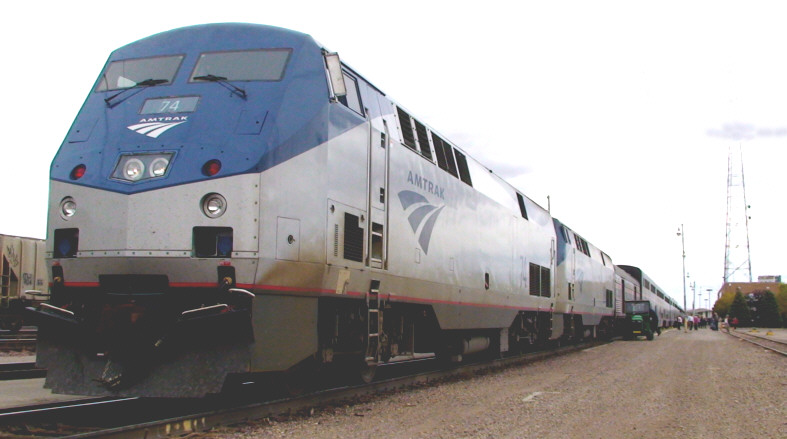
Then, amid loud rattling and squeaking, our train and hotel for the next three days, the Amtrak Empire Builder, pulled in. It connects the East Coast to the West Coast of the USA, or to put it a bit more in "sailing terms", it connects the Atlantic with the Pacific. Following in the footsteps of the early pioneers, it travels right through the wilderness of North Dakota and then over the spectacular Gassmann Coulee Trestle Bridge. Continuing along the banks of the Missouri River, it later plunges into "Big Sky Country" in Montana. When passing Glacier National Park, you have the best seat in the house behind the panoramic windows in the Sightseer Lounge.
The train's stop at the Milwaukee station lasted about 30 minutes. So we weren't in any rush when boarding. And right here, another difference to us in Switzerland came to light. The platform wasn't elevated for easier boarding, no... the conductor personally placed a small stool to make it easier for guests to get on. Pretty unimaginable nowadays in a country that can easily fly to the moon. But as I said, train travel here still has that exotic touch and it was absolutely top notch.
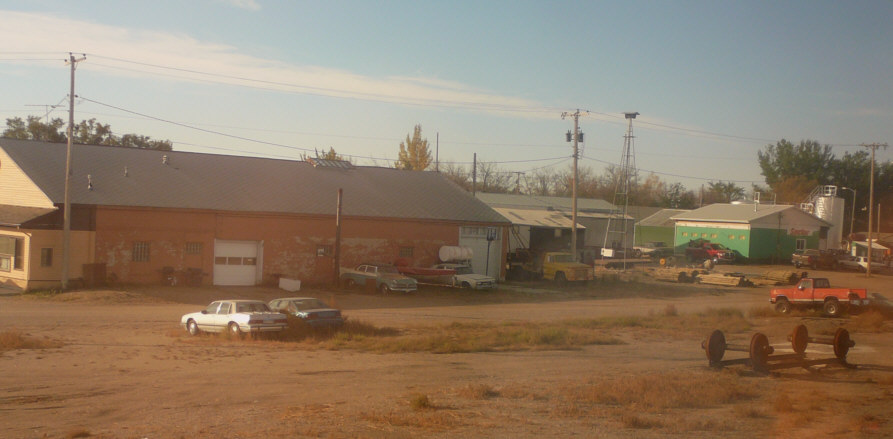
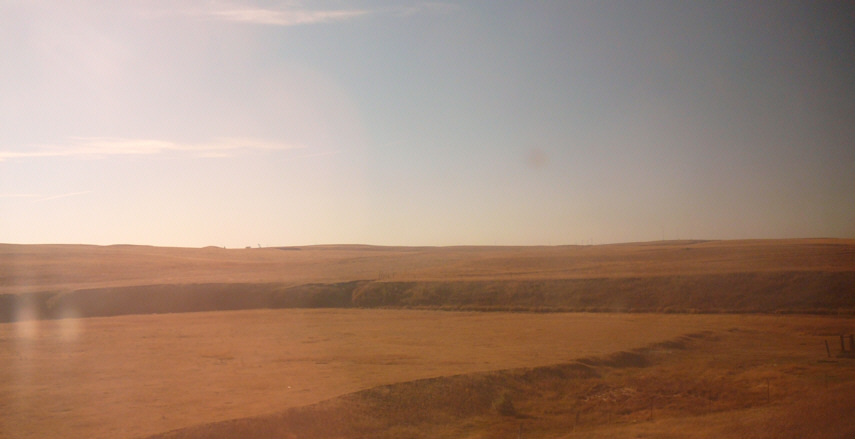
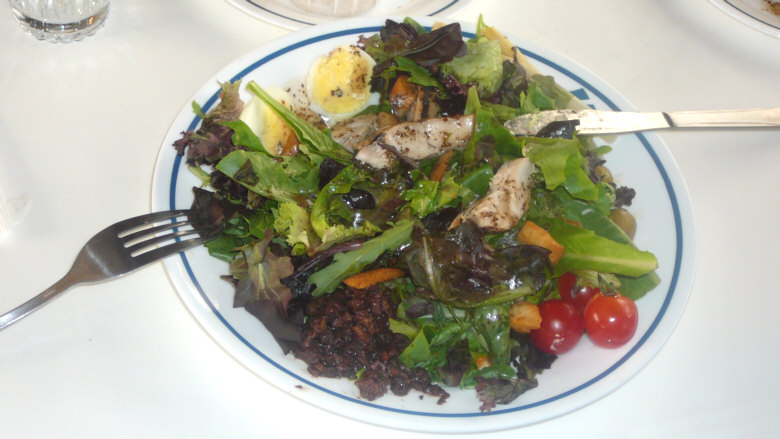
Our sleeping compartment was small, but really cleverly designed. The food was always freshly prepared and tasted exceptionally good. The selection left nothing to be desired, just as if we were in a good European restaurant. My initial doubts had certainly proved unfounded. Who among you has ever had the privilege of enjoying a wine tasting on a moving train. This was just one of the various activities with which Amtrak helped shorten the stay for guests, because after a certain time, even the most spectacular landscape becomes familiar. Over the course of the third morning, we arrived in Everett, on the Pacific coast of the USA. True to form, we were greeted with rain and could thus immediately get used to the prevailing weather here.
MOMO under quarantine
Arrived in Everett, we first picked up our rental car, which we had reserved online. Here is a small tip for that. A car booked online and billed via a European credit card, for example through Hertz Germany, is about 1/3 cheaper than one booked directly on site. The reason lies in the very expensive US insurances, which are otherwise still added to the relatively low rental price here. With the European credit card and booked through a branch in Europe, no insurance fees apply. This way you can easily save a lot of money.
With the rental car, we then set off in search of a suitable bed for the night. Once there, I checked my mailbox and found, among other things, an email from Pamela Meacham from the Washington State Department of Fish and Wildlife (WDFW). Who on earth is that, I asked myself. Then I read the following text:
Von: Pamala Meacham [mailto:meachpmm@DFW.WA.GOV] Gesendet: Dienstag, 2. Oktober 2007 17:02 An: momo@momo-sailing.CH Betreff: The Momo became infested with zebra mussels while in LakeHuron and must be decontaminated
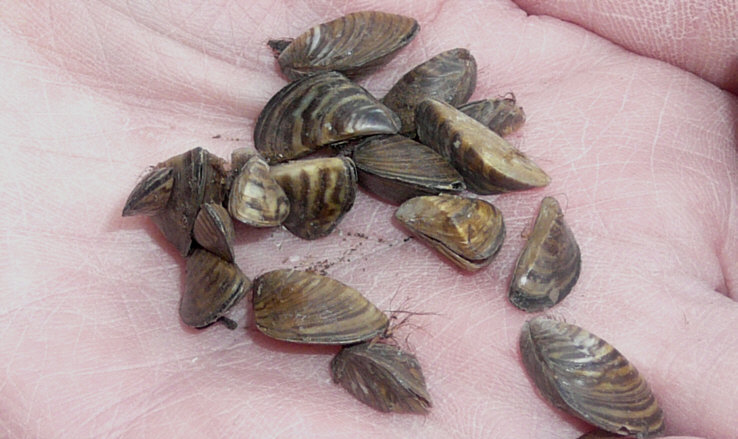
I am an invasive species biologist with the Washington State Department of Fish and Wildlife (WDFW). I will be at the Everett Boat yard tomorrow morning to inspect the MOMO and oversee the decontamination of the boat. Unfortunately, during your visit to Lake Huron the boat became contaminated with zebra mussels. It appears that the Marina at Little Current cleaned the hull, but they missed some spots.
The boat was stopped at the state line by the Washington State Patrol Commercial Vehicle division and live zebra mussels were found. It is against state and federal laws to transport any deletarious species, and enforcement officers from WDFW cited the trucking company. The boat is under quarantine until the boat yard at the Everett Marina can properly clean and decontaminate the hull and the internal water systems. I will be asking you for samples of sea water used for internal systems such as the head and bilge water prior to decontamination.
The decontamination should not cause too much of a delay in your wonderful world tour. I apologize for the delay, but it is important to avoid the spread of this highly invasive species.
Pamala Meacham Asst. Aquatic Nuisance Species Coord. Washington Dept. of Fish & Wildlife 600 Capitol Way N. Olympia, WA 98501
So that Yvonne could sleep peacefully that night, I only told her the whole story at breakfast the next morning. However, I myself was now visibly getting a bit more nervous, as I pictured the following scenario surrounding our poor MOMO. The entire marina area is cordoned off, police cars with flashing lights, various people in white protective suits and of course all equipped with appropriate protective masks. Well, ... fortunately there was a little too much imagination at play there.
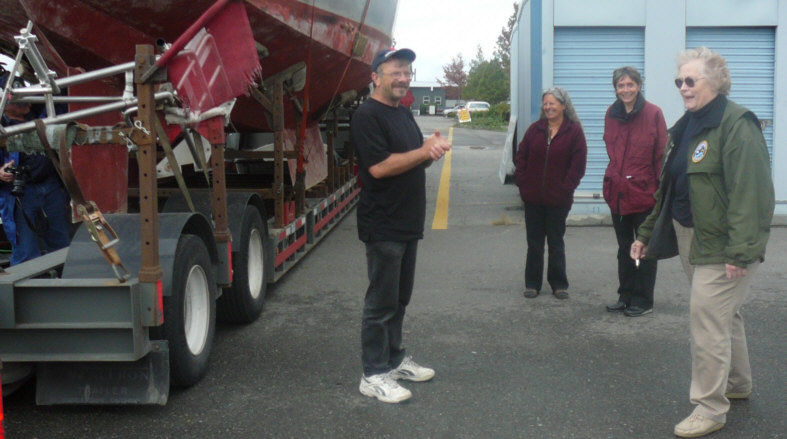
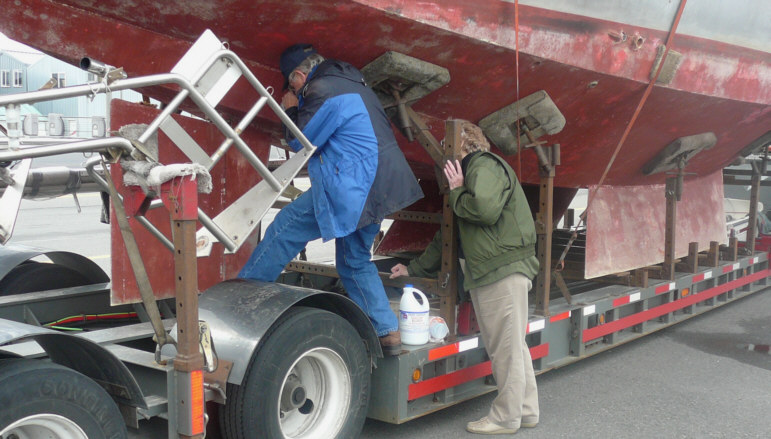
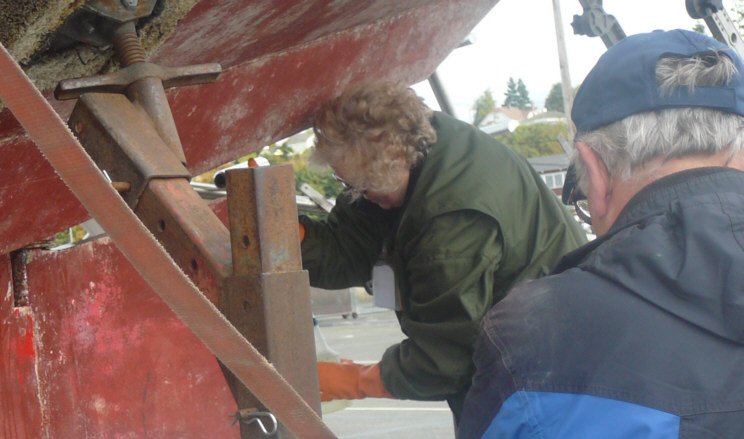
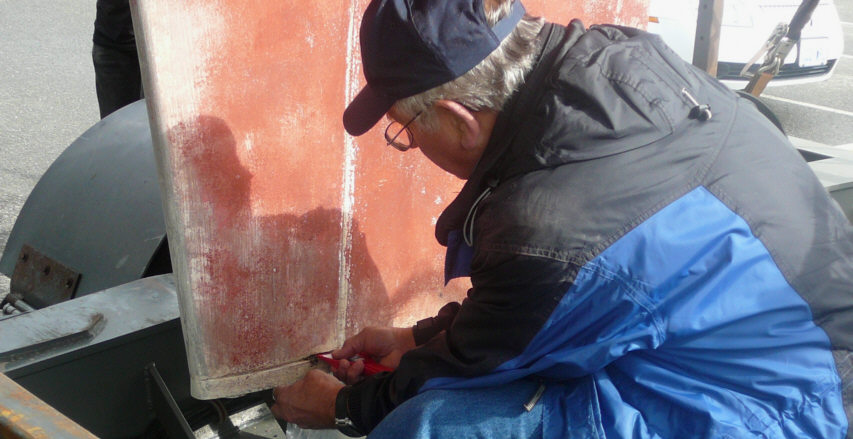
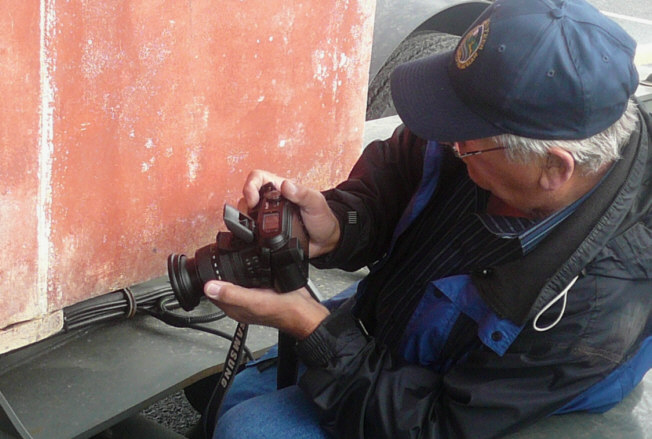
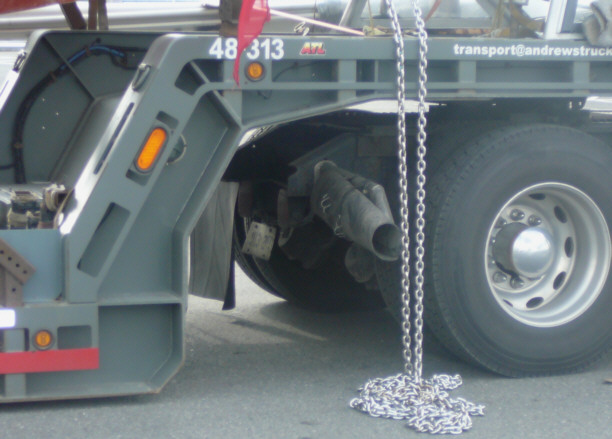
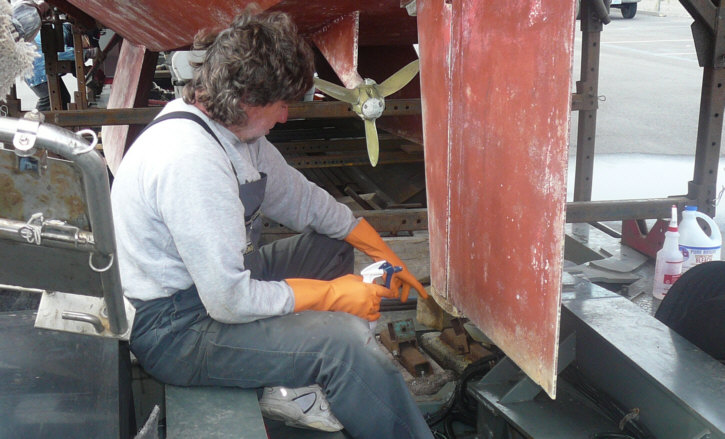
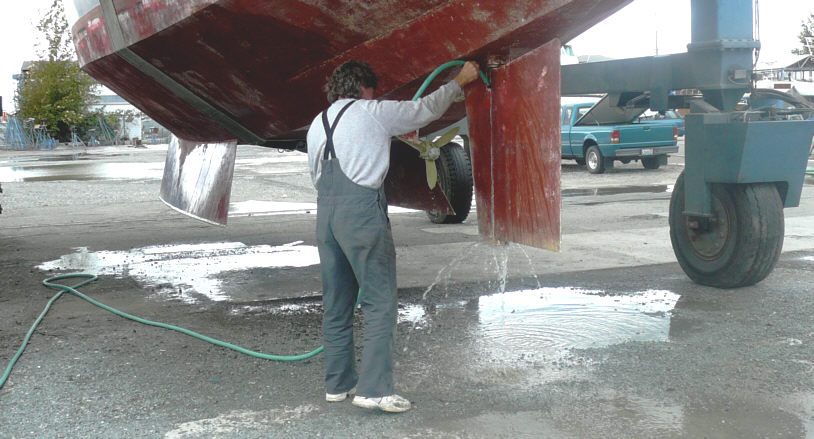
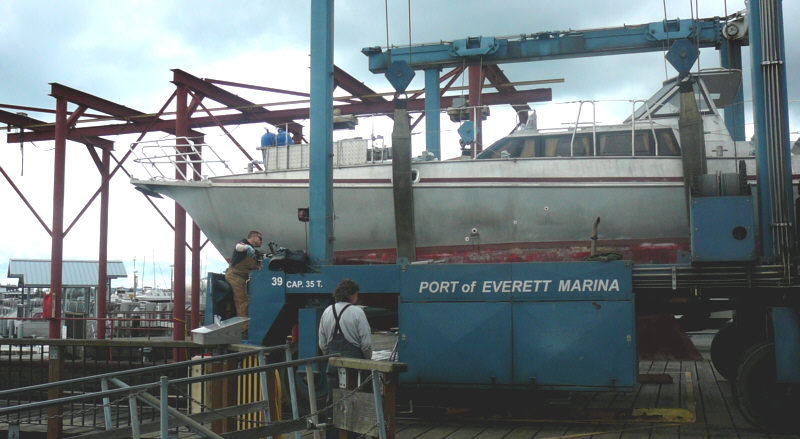
Reality turned out to be clearly different. At the border to the State of Washington, of all days on the very day MOMO passed this section, a young, new, and more than overly correct inspector had started her shift. MOMO was completely inspected by her and indeed she found a few of these small, inconspicuous, but unwanted zebra mussels in the rudder post. That she found them is entirely correct and also her job, but the whole procedure that she triggered afterwards was completely disproportionate. At least, this was also the opinion of the two inspectors who officially welcomed us and the MOMO at the marina in Everett. According to their information, which they had received from the young inspector, they actually expected a sailboat completely covered in zebra mussels here. But since our MOMO was absolutely clean and did not match this picture, one of their first official acts was to apologize to us for the unnecessary commotion. Before they then, despite everything and following regulations, inspected, photographed, and secured everything, yes really everything, the next surprise came. „May we record the whole thing on video and use it later as documentation for information and training purposes?“ Thus, our MOMO will now be seen quite a few times at the Washington State Department of Fish and Wildlife.
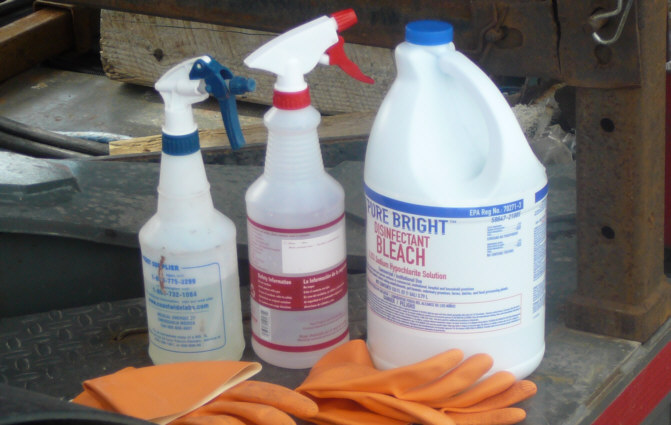
After the whole inspection was over, we just had to pour some bleach into the rudder post, then wait about 15 minutes, and rinse with fresh water. Thus, the small zebra mussels were killed and we were finally able to put MOMO into the water with the official permission of the US authorities. All in all, it was about 5 minutes of work for us, which was now spread out over a good half day. As you can see, red tape thrives all over the world. Preparations for the Onward Journey Everett is the headquarters of the Boeing plants, but otherwise a rather inconspicuous town on the northwest coast of the USA. For us, the Marina Port of Everett was very well located, but otherwise it is really not worth paying a visit to this city.
The Boeing plant here in Everett is the most important and largest production facility of the aircraft manufacturer Boeing. It has also erected the largest building in the world here. With an enclosed volume of an incredible 13,3 million m³, the largest assembly hall in the world stands here.
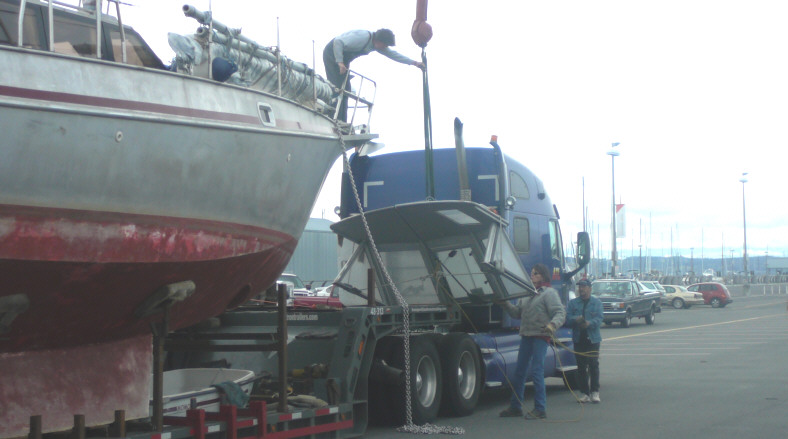
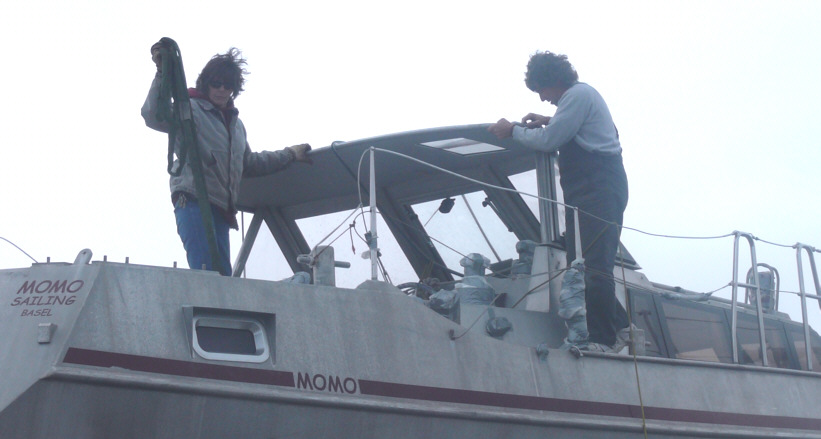
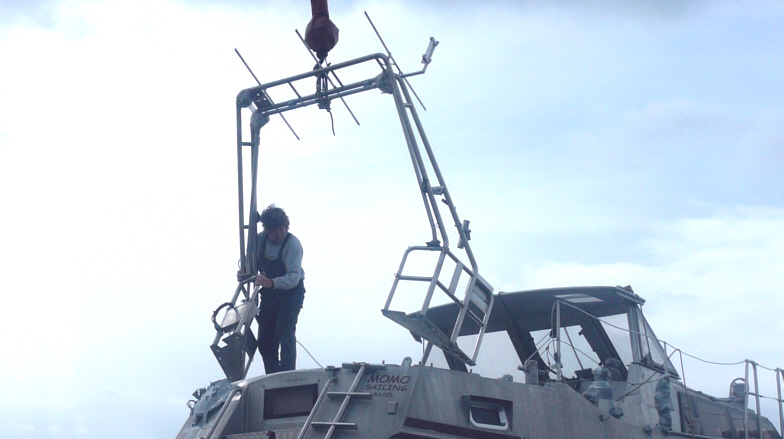
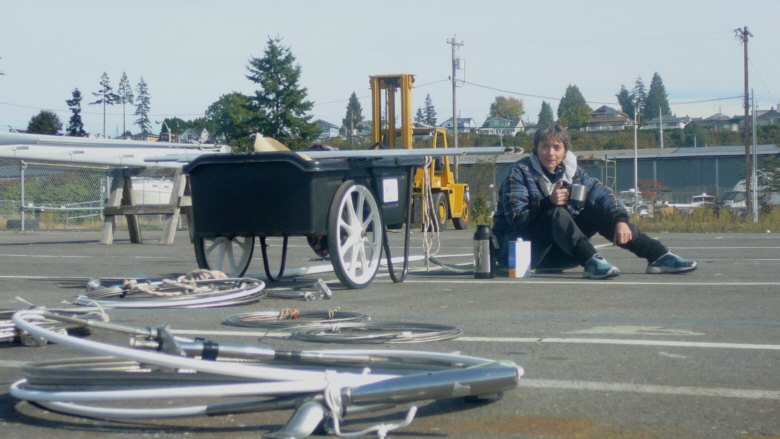
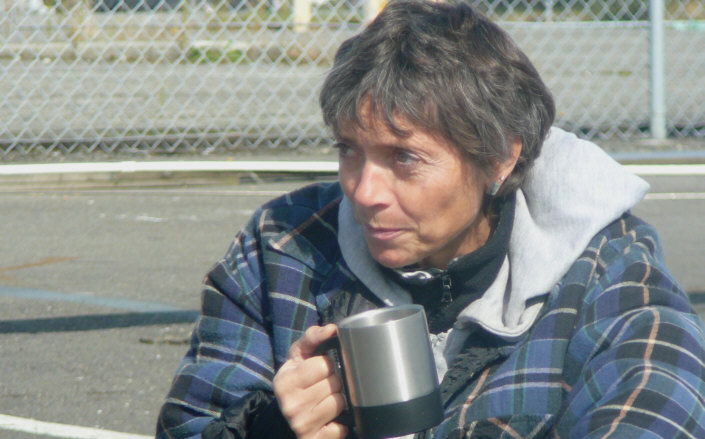
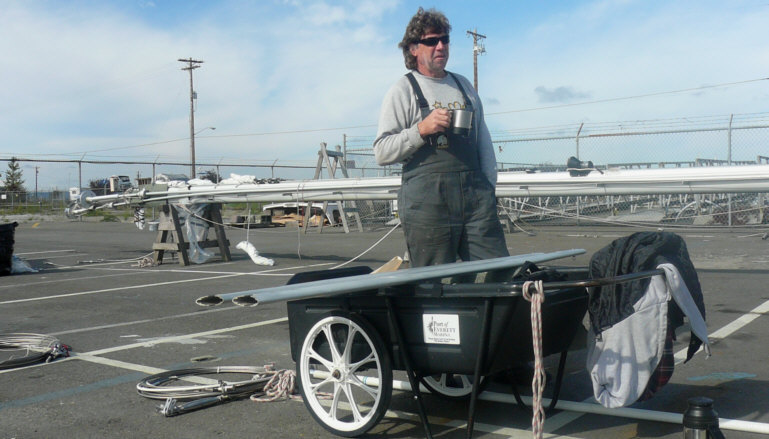
Now it meant for us too, MOMO had to be "put back together". Here on the cold marina grounds, this naturally proceeded a bit differently than in the nearby Boeing high-tech plant.
After a few days, we had managed it, the cockpit enclosure, the stern davit, the mast, and another hundred other parts were back in their designated place.
Nothing stood in the way of our onward journey anymore.
In nearby Seattle, we were finally also able to have our life raft serviced and the SSB Icom radio, which was no longer working properly, was also repaired by the manufacturer's parent company, which originates from here.
We even found an American sailor who was willing to "share" his electronic charts with us, and once again there were various invitations and return invitations from American sailors.
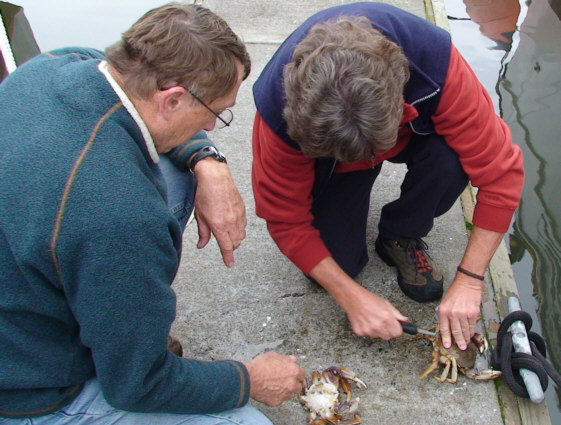
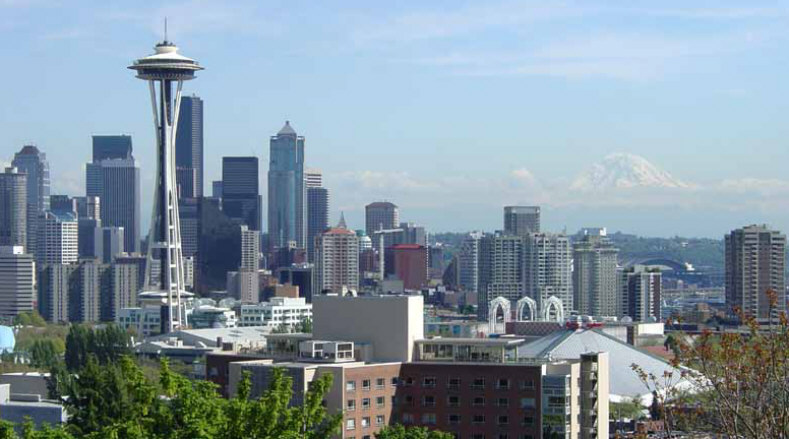
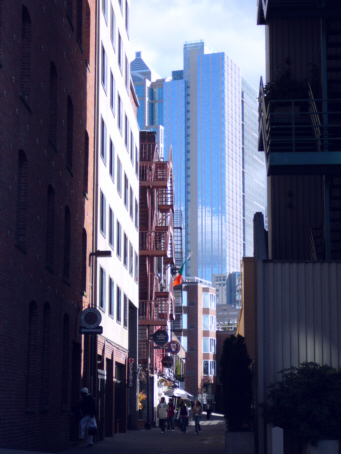
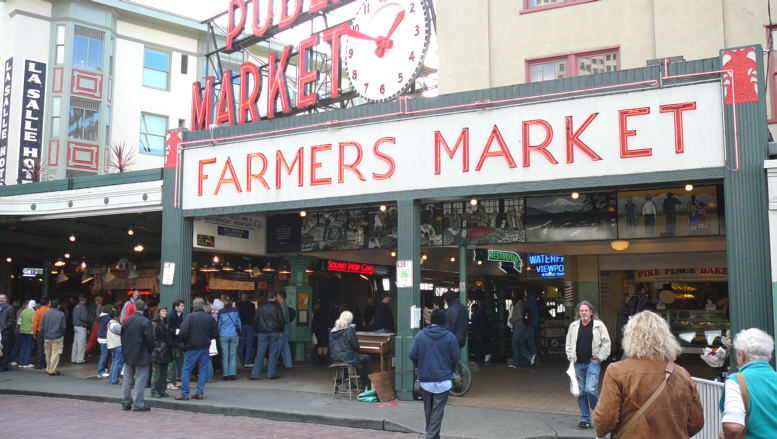
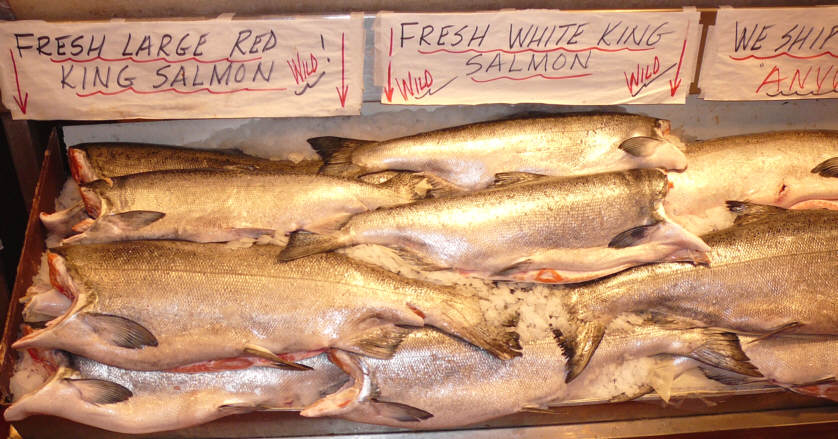
A crash course by Doug in catching and cooking crabs, as well as various visits to Downtown Seattle and its surroundings, were still on the program.
If you are reading these lines on your PC now, that also has something to do with Seattle, because the two main founders of Microsoft, Bill Gates and Paul Allen, come from this city.
It also has a nickname: Rain City, despite the actual precipitation being lower than in many other US cities. The nickname comes from the many cloudy and slightly rainy days of the year.
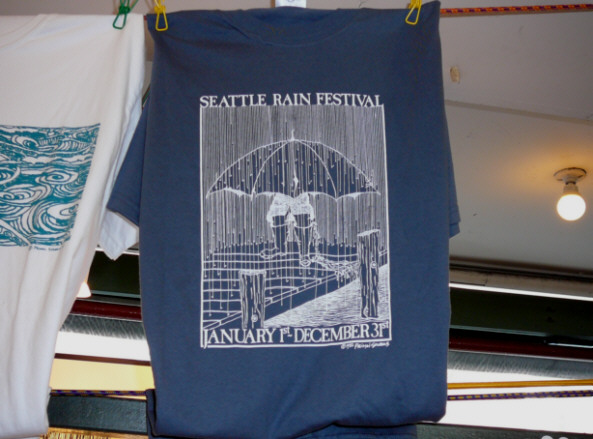
Therefore, there is also the Rain Festival here, which begins every year on January 1 and only ends again on December 31.
Nevertheless, Seattle has been voted the "most livable city" in the USA several times.
As you can see, we had a quite hectic yet entertaining time here, because winter was really breathing down our necks. Temperatures around 5 degrees at night, mostly mixed with rain, were not exactly my desired weather, but it was already part of tuning into our Alaska adventure.
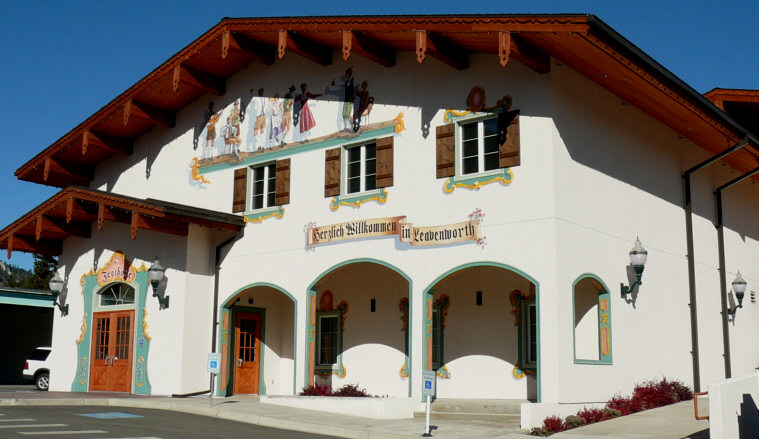
We could not leave Everett without having visited the Bavarian village of Leavenworth. Jan made herself and her car available to chauffeur us to this tourist village.
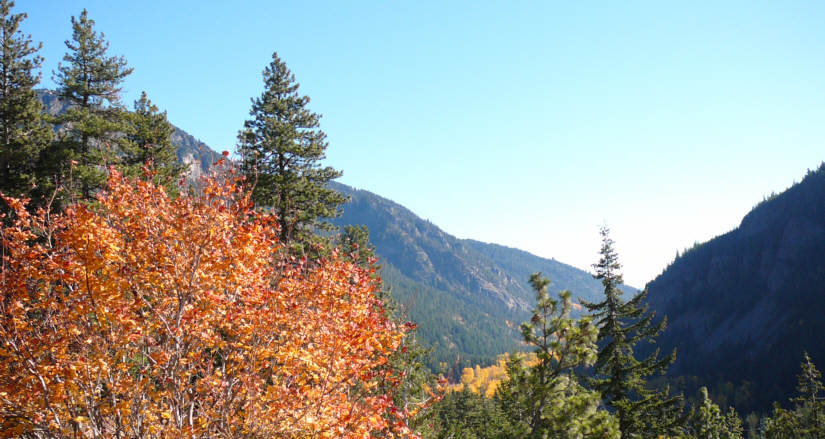
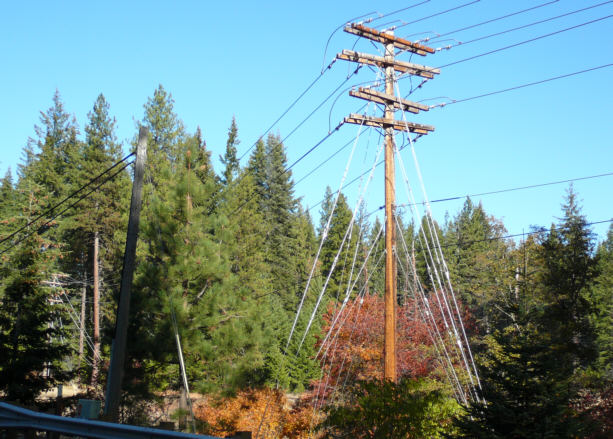
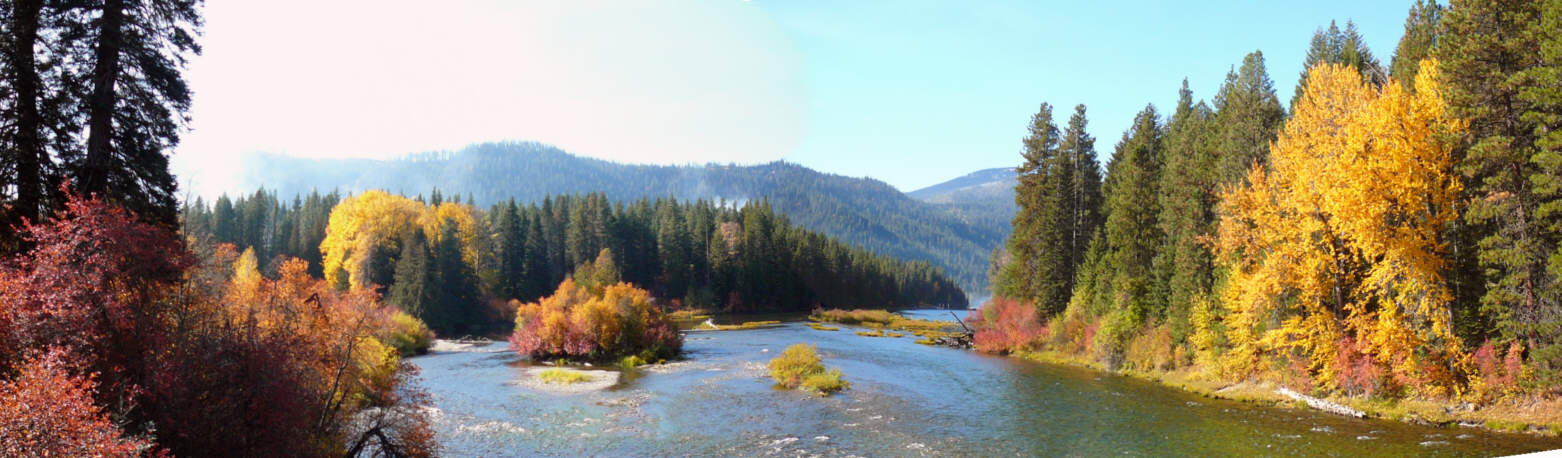
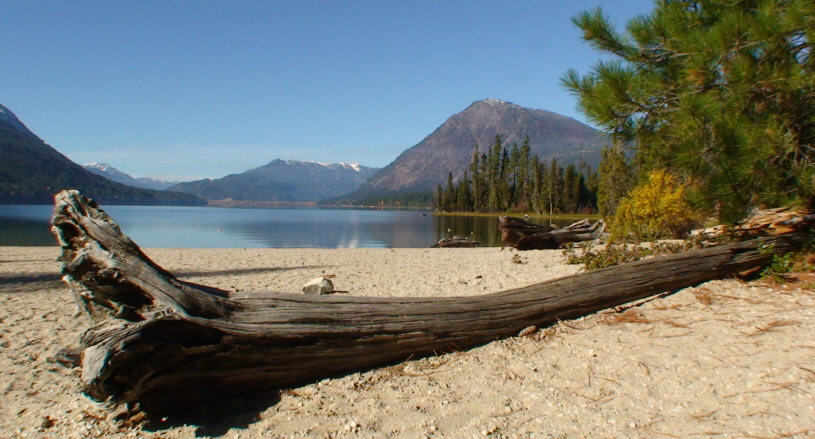

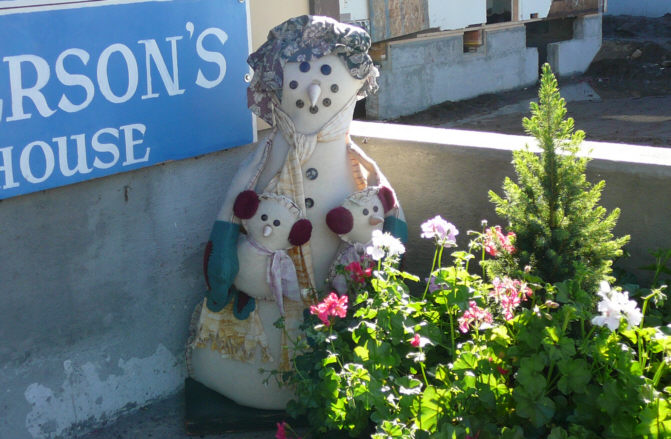
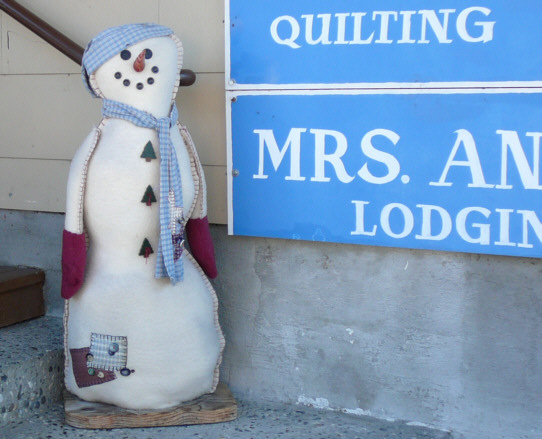
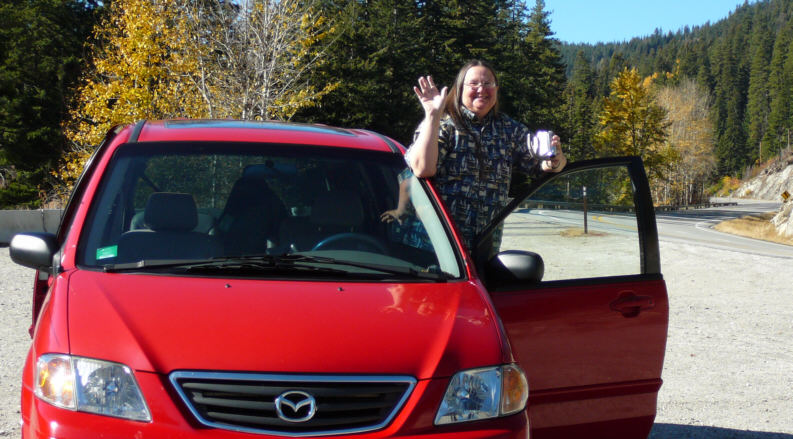
The way there led us through a truly magnificent autumn landscape. Along the Skykomish River and further through a glorious mountain scenery, to take a first hike at the quaintly beautiful Lake Wenatchee.
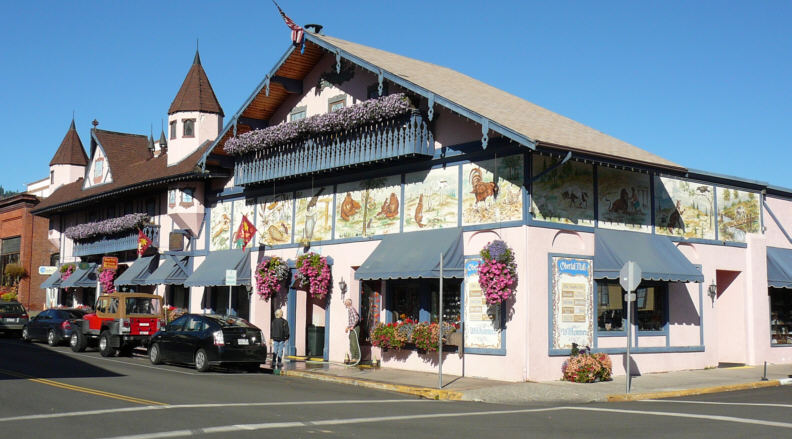
Then finally, on the eastern slopes, the self-proclaimed Bavarian Village appeared.
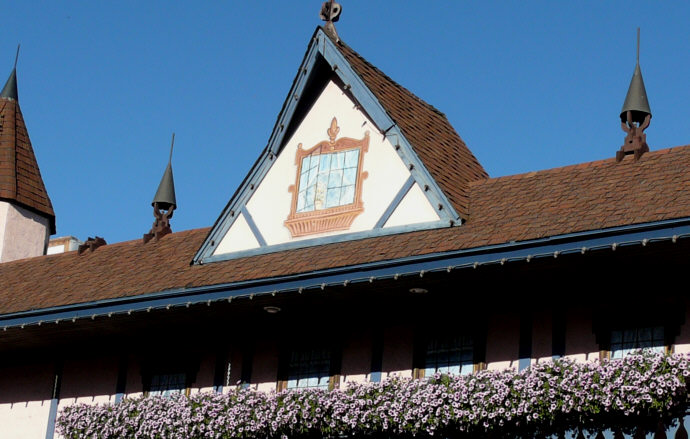
The facades of the houses actually resemble their German models, even if many windows and decorations are partially just painted on. The US tourist obviously does not notice this, because the crowd in the streets was, even at this late time of year, still very remarkable.
The conclusion of this excursion was, for us with European roots, that we liked the magnificent, autumn-colorful mountain landscape quite a bit more than the actual destination of the day.
The drizzle promised to take a break and the wind also wanted to help bring us quickly and safely to Sidney in Canadian British Columbia. Thus, we only had to study the tide table carefully to master our first Narrows passage. This is a special, very narrow spot where the water can become a rushing river because of the tide. Such passages, sometimes also called rapids, will exist countless times on our further way to Alaska.
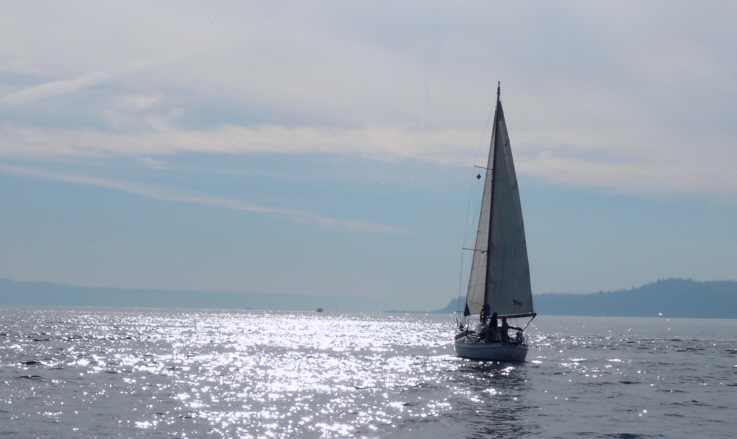
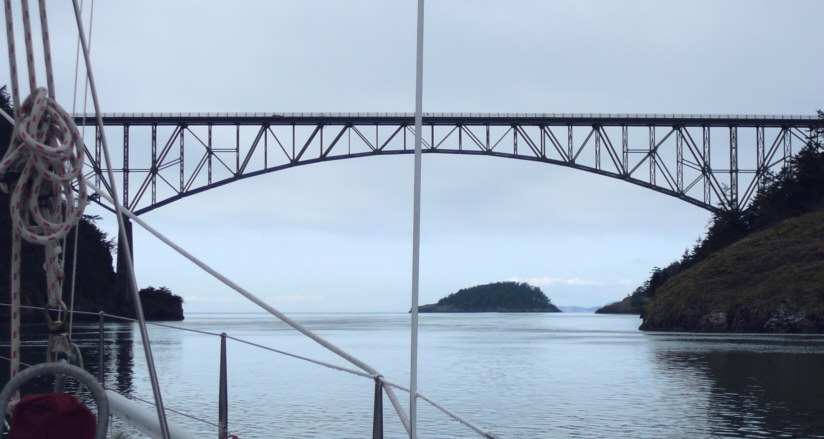
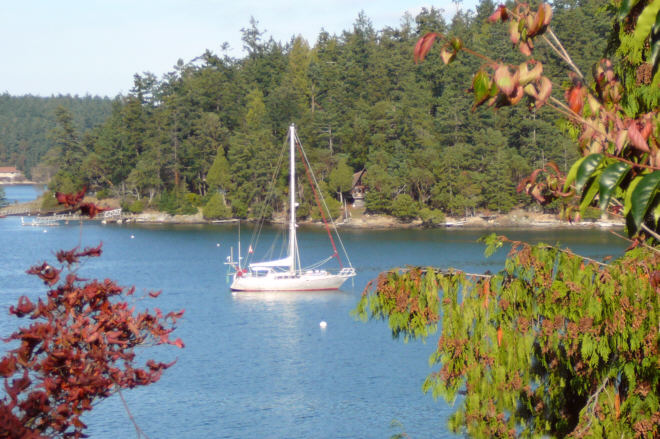
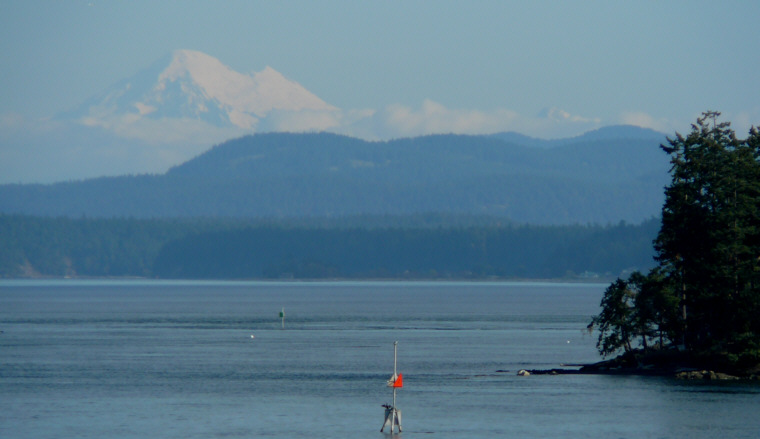
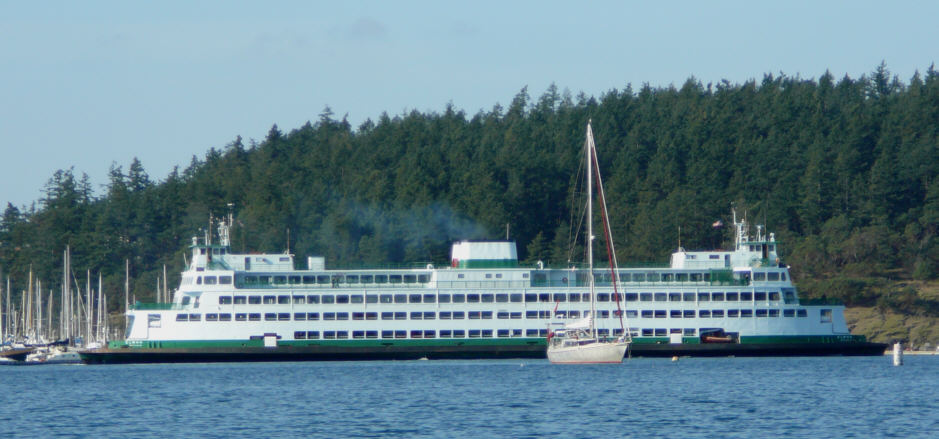
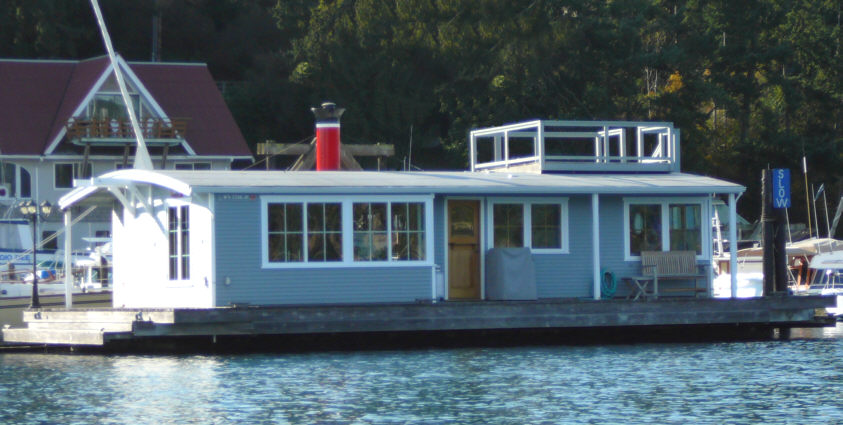
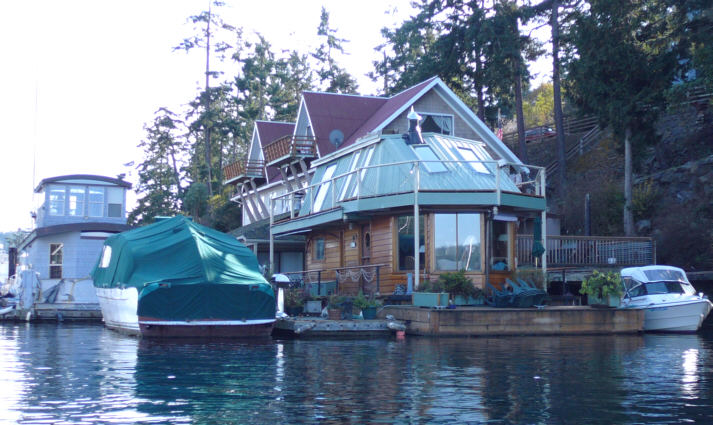
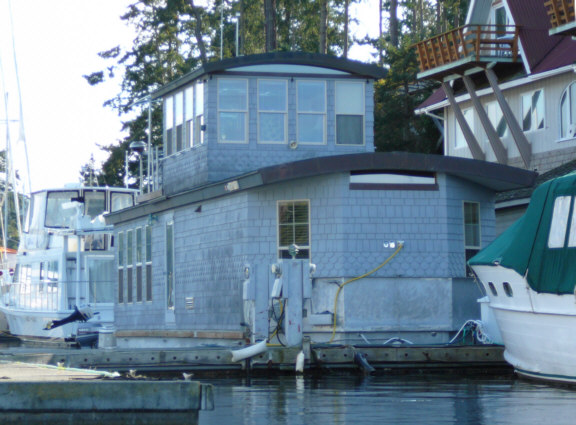
Yet of all things on our first trip in the Pacific, such a critical passage really did not need to be on our route, because despite our certainly not inconsiderable experience on the high seas, this was once again a novel experience for us. This ominous spot should, at least with a sailboat, definitely only be navigated at slackwater. That means, only at the exact time when the tide changes from flood to ebb, or of course vice versa. Only at this time is it relatively calm and a sailboat can pass through more or less without danger. According to the information from our clever books and charts, countless more of these rapids with up to 15 knots of current await us over the next 1000 miles northward. That is about 28 kilometers per hour, and can you imagine what is going on in the water then?
So we meticulously planned our first rapid passage and everything went off without a hitch. Our timing was perfect and the water was calm, like at home in the bathtub. The beginning was done and the initial tension quickly faded from us.
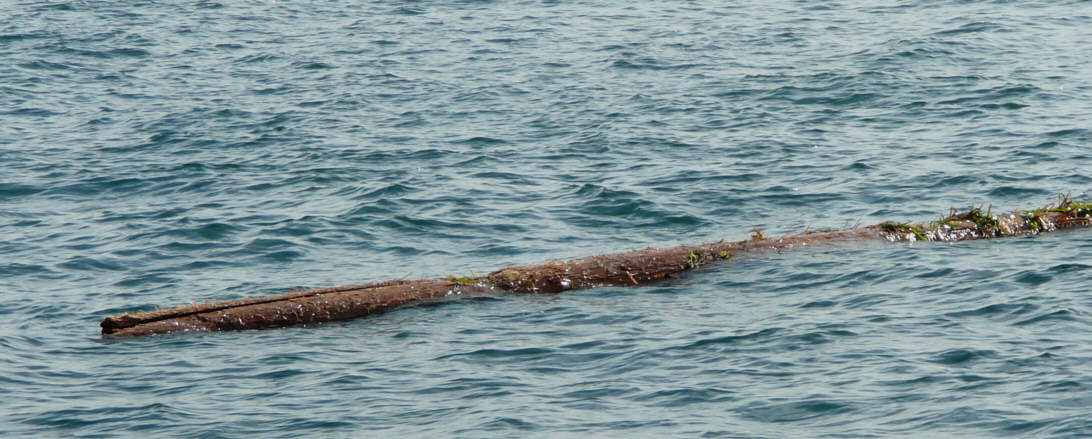
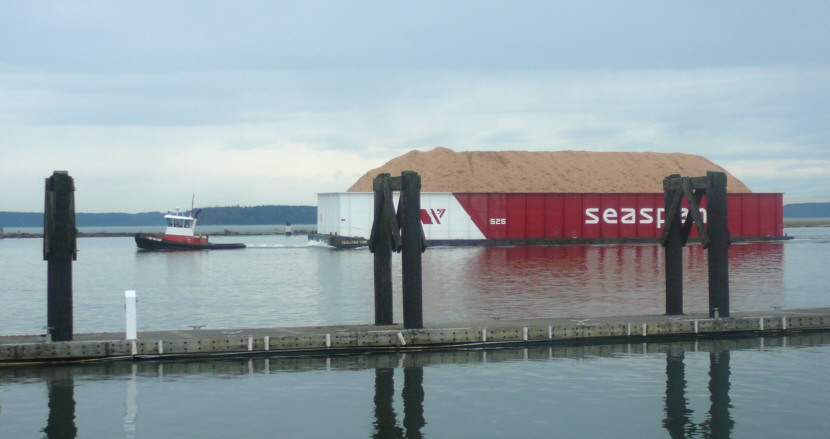
Since the announced wind was still nowhere to be seen, we motored briskly up Puget Sound. Yvonne kept a lookout for floating logs, as is customary here. These are sometimes lost by the large log carriers, which tow hundreds of these pieces of timber behind them in the water, and then drift quietly and secretly somewhere around. The small logs are actually not a big danger and the big chunks can usually be seen. Usually means unfortunately not always. And precisely that became our, or rather our propeller's, undoing. Just shortly before the bow, we suddenly saw the colossus. Yvonne screamed loudly: „20 degrees to starboard immediately“, but it was already too late for that. With a loud bang and at full speed, we drove into this log lying crosswise to us in the water. Our MOMO, weighing all of 17 metric tons, was lifted up a bit, then it rumbled massively and the log was behind us. Immediately followed a first check below deck, but fortunately everything was in order there. How glad we were about our robust aluminum hull. I do not want to imagine what would have happened in such a situation with a cheaply manufactured fiberglass boat ...
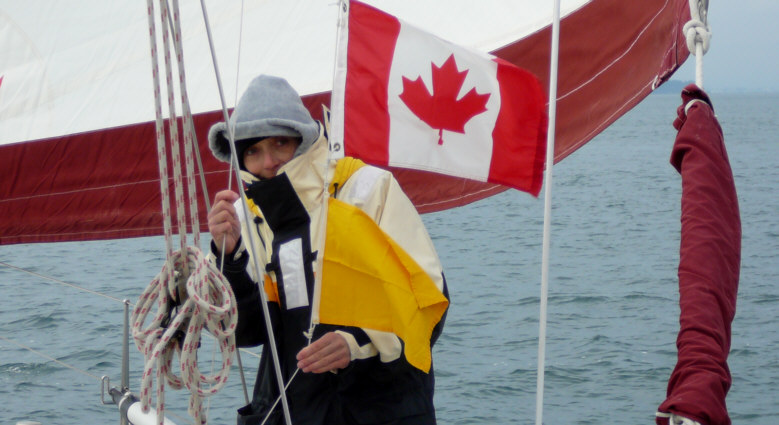
Unfortunately, MOMO did not escape completely without damage either. The cruising speed was from then on only about 2 knots. That meant the feathering propeller had taken some hits and was no longer working properly. Fortunately, the distance to the winter storage at Marina Port of Sidney was not too far anymore, and the promised wind actually helped us over the next few days as well. After a short stay on the island of Friday Harbor, we arrived back in Canada, this time in Sidney B.C. We were able to undergo the entire check-in procedure at the marina, which was to become our new home for the next five months. After the exhausting 10-month US inland trip and the immediately following long journey from Maryland on the US East Coast, via the Great Lakes and on to British Columbia on the US West Coast, we were now really very glad that we could take things a bit easier again for the coming months.