Bahamas
George Town, the Exuma Bank and Nassau
The weather forecasts predicted strong westerly winds for the coming days. Since the anchorage of Port Nelson on Rum Cay is completely unprotected against this wind direction, we had to move to an anchorage protected from westerly winds. However, there was no such anchorage on Rum Cay. So we sailed the nearly 25 miles to the next island.
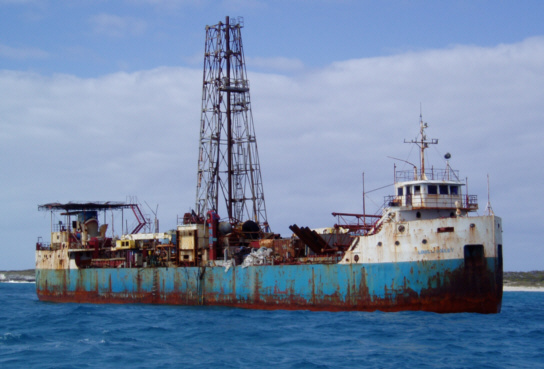
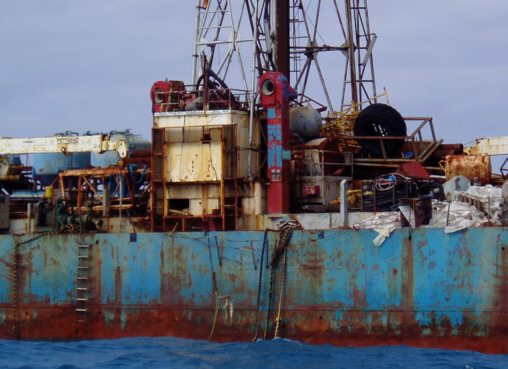
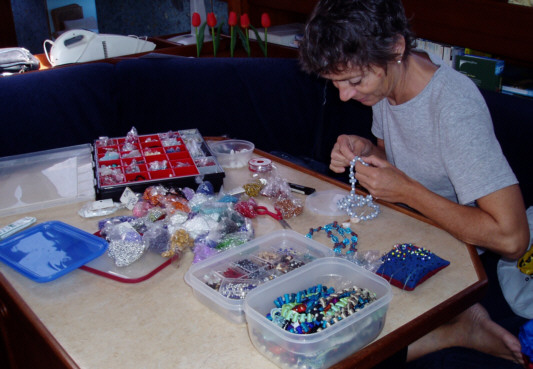
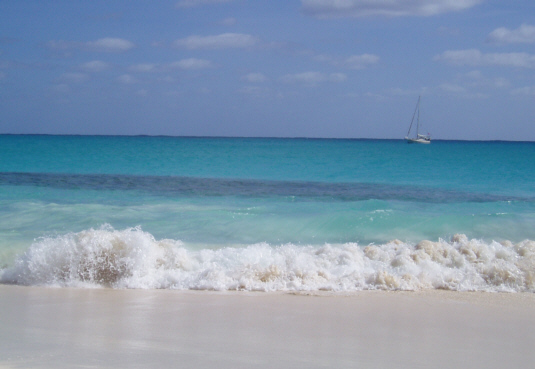
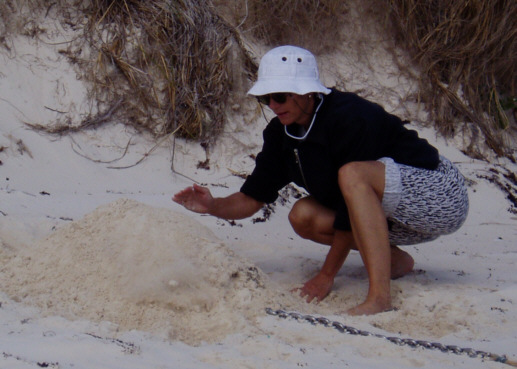
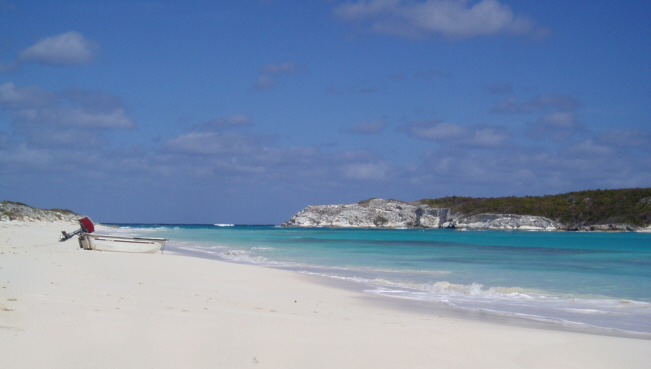
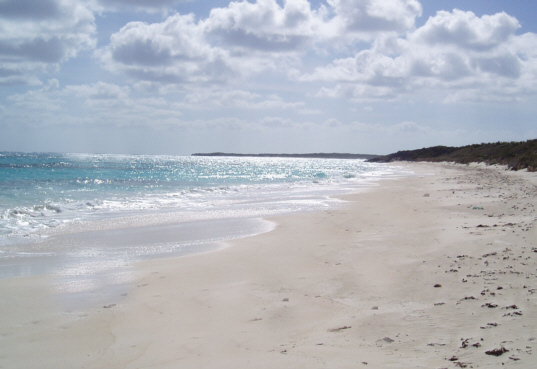
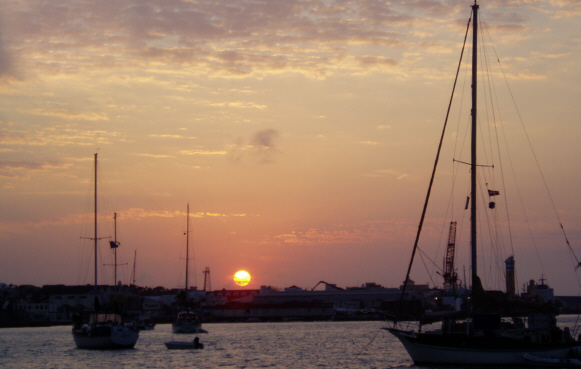
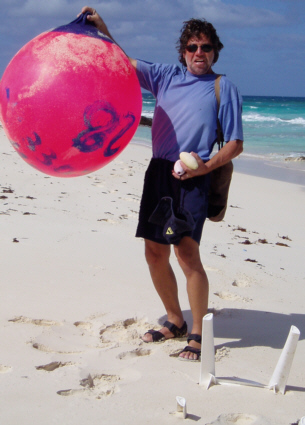
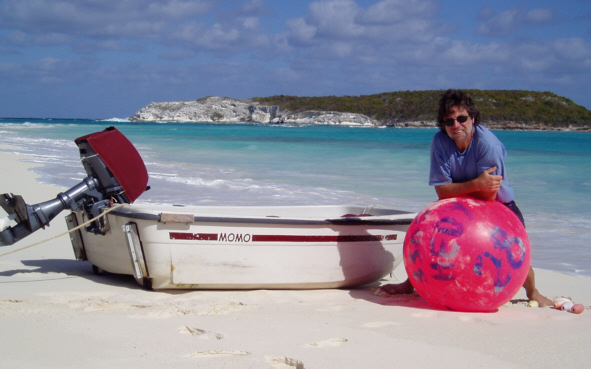
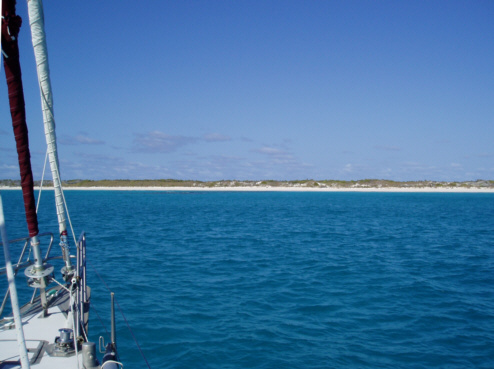
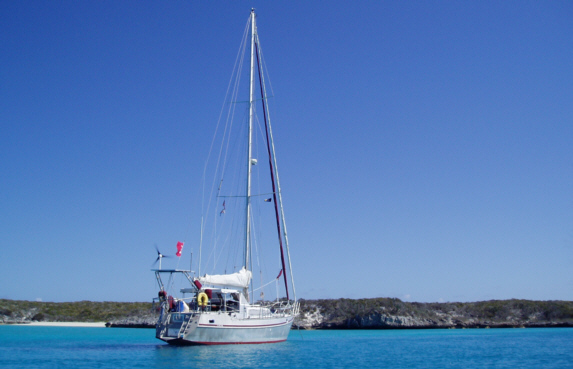
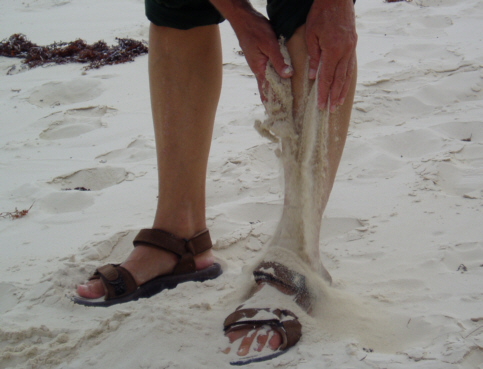
Conception Island is a national park and completely uninhabited. On its eastern side, there is a fairly well-protected anchorage. This low-lying island should be able to offer us enough protection against the predicted westerly wind. Waves would not be able to build up much either, because we wanted to anchor relatively close to shore. Booby Cay and a dense reef would protect us against the unpleasant northern swell. An anchorage with such good conditions for westerly winds is relatively rare in this region of the Bahamas. Therefore, we prepared ourselves in advance for a well-visited anchorage. After navigating the somewhat tricky reef entrance, the first surprise awaited us. In the middle of the passage, a steel ship about 80 meters long lay at anchor. Simply left there, abandoned to slow decay and available for self-service to passing sailors. The half-wrecked boat is right in the middle of the national park. Then came the second, though this time more joyful, surprise. Not a single boat was to be seen far and wide at the anchorage. Despite the truly good protection, no other yacht wanted to let the predicted cold front pass through here. Of course, that suited us just fine. At a water depth of only 4 meters, we set the anchor well, suitable for the announced strong westerly wind, and then paid out a solid 80 meters of chain. Now we were well equipped and even a small storm could have come up without us having a problem. No storm came up later, but the 35 knots of wind were certainly not insignificant. For three days it blew practically nonstop and quite fiercely. After initial, at times slightly nervous moments, we were even able to see something positive in this strong wind. Not only that our wind generator filled our batteries to the brim, no, it gave us even more confidence in our already strong MOMO. I would also like to compliment Yvonne here on how relaxed and calm she remained during this windy time. I for one, even during the nights, kept checking our anchor position and was somehow not all that relaxed. The loudly roaring surf on the reef, not too far behind our stern, was a bit eerie to me at first. We stayed here all by ourselves for a week. Despite the strong wind, we roamed this small and deserted nature reserve island. From collecting beach debris, spinning stories about their origin, to wonderful lazy days in the fine sand beach, this wonderful time flew by. Yes, we were now even getting a minor scheduling problem, because Ursi, a friend of ours, wanted to sail with us starting from George Town. With northern winds, but unfortunately still quite a high swell, we left our lonely, well-protected anchorage and, after an uneasy stopover in Calabash Bay on Long Island, sailed directly to the mecca of the US and Canadian sailing community, George Town.
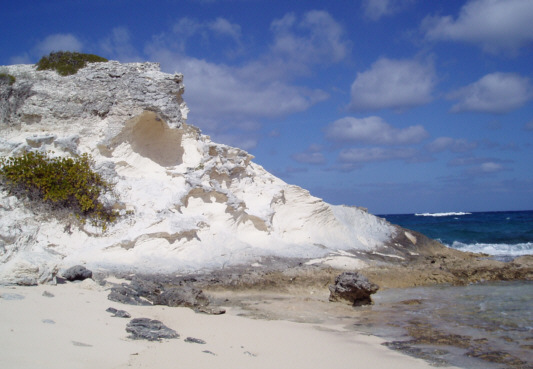
George Town, the mecca of North American sailors
So here it was, the most famous Bahamian gathering place for sailors from the US and Canada. We were told beforehand that if five US boats are anchored in a bay anywhere, they already have their daily radio net. Here, very well protected between Stocking Island and Great Exuma Island, they were now anchored. Not just five, no, at least around five hundred boats were gathered here at anchor all winter long. During the cold season, these North Americans come to the Bahamas, only to sail back north again towards the end of spring. Like migratory birds in Europe, they go back and forth here year after year, always from north to south and vice versa.
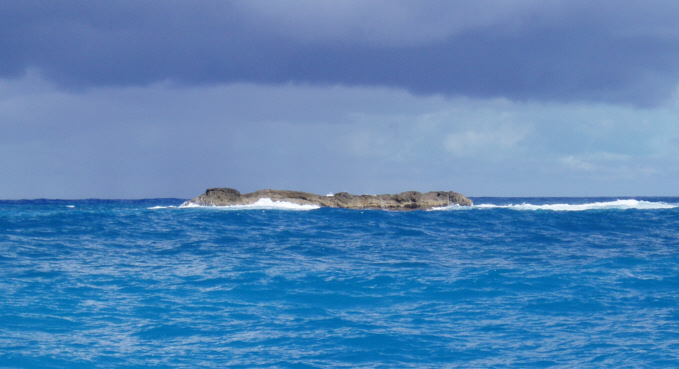
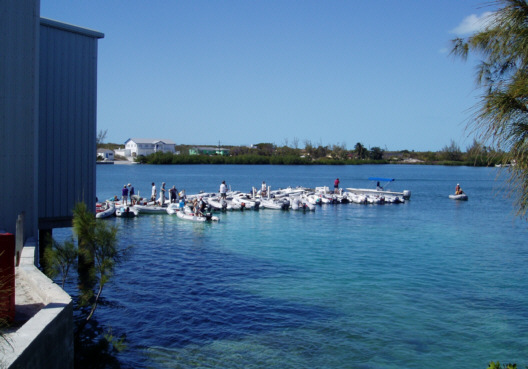
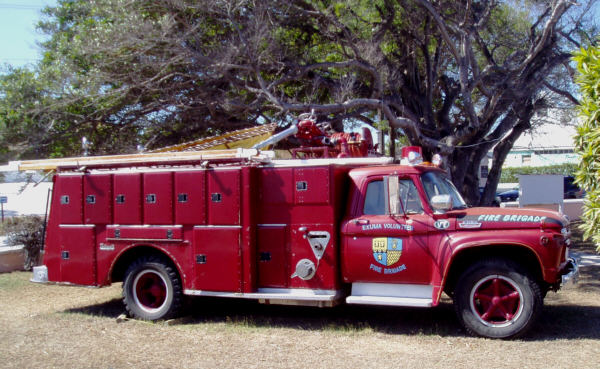
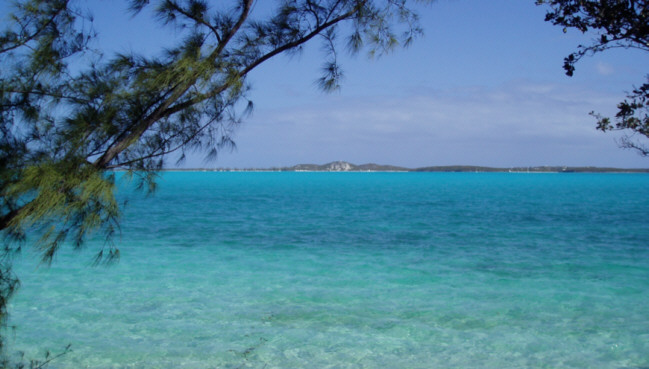
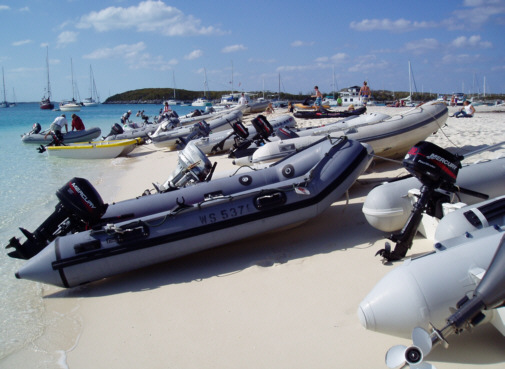
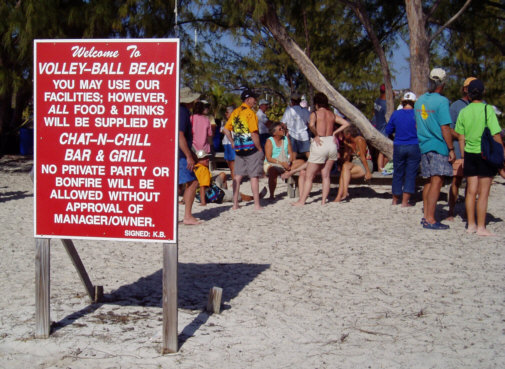
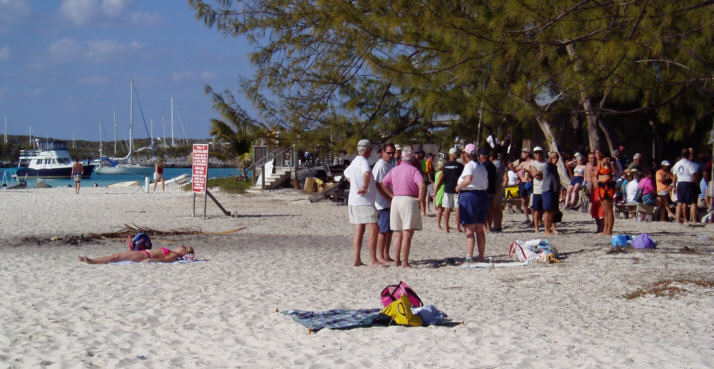
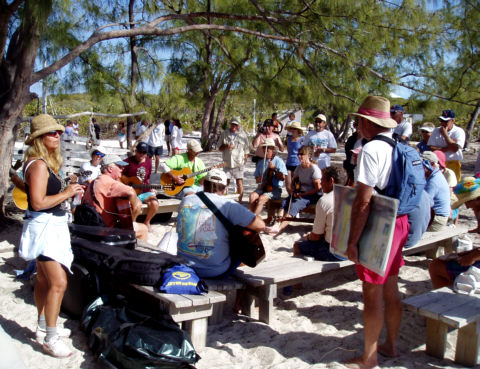
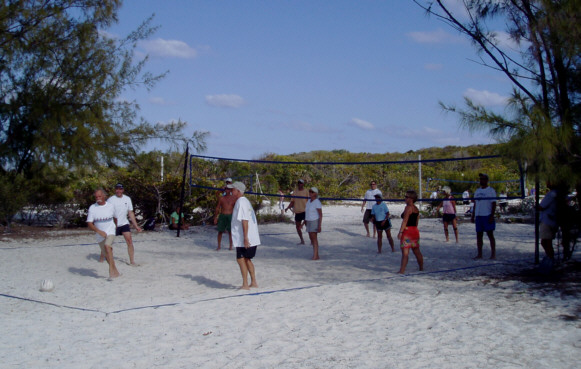
Fortunately, there are plenty of small bays and various anchorages here in front of George Town. As a result, the many yachts are spread out and, to be completely honest, the massive crowd is not too bothersome. After weeks in various and sometimes completely deserted anchorages, we even enjoyed not being entirely alone for a few days. The morning radio net at 08:10 every day was, in my opinion, absolutely top-notch. Not only because we were able to trade our Caribbean charts for US East Coast charts through it, but also because of how the whole thing was organized. This North American sailing community had built a lively social life here. One moment a mechanic was helping an office worker, the next a boat was seeking help from an IT specialist, someone was giving a cooking class for men, and at four o'clock the mandatory bridge game was on. The daily weather forecast needed here was communicated almost professionally, and a wealth of helpful information came over this radio net. We also saw about 20 sailors building a new stage with a roof at a local children's playground in George Town, as voluntary unpaid labor, of course. And then, of course, there was the famous volleyball beach. This was the ultimate sailor meeting place. Here every day meant party time. Beach volleyball was always eagerly played on eight courts. The teams were a colorful mix, ranging from youthful to very old. The skill level wasn't strictly important, as long as it was fun and loud. In another corner of the beach, various people met up, each bringing their own musical instrument. A wide variety of musical styles mingled there. Not quite that a new Johnny Cash was discovered, but it was quite amazing how skillfully these sailors (male and female) performed their pieces for us listeners. An original beach restaurant called "Chat n Chill" was naturally also there. Every Sunday a delicious sucking pig was roasted there. With hellos here and his there, you were immediately right in the middle of it. As little globetrotters from Switzerland (sorry, where is that again?), we still felt like absolute exotics, and this despite Alinghi and its magnificent victory in the last America's Cup. By the way, that defeat still rankles every sailor from Bush country today, and quite intensely at that.
Exuma Bank / Galliot Cut
After Ursi had arrived safely in George Town and come aboard, we wanted to set sail again to get to know another new side of the Bahamas. Our American Bahamas sailing guide states that we should only make all reef passages around midday. The sun must be high in the sky so that you can navigate with the naked eye. This means that only in this way can the irregularly distributed coral heads just below the water surface and the deeper reef passages be better recognized.
The first leg, starting from George Town towards Nassau, took us about 40 nautical miles north. So far, so good. But how can we arrive around midday if the sailing leg is about 8 hours long and exiting the bay of George Town is only possible in daylight? Since we have come to understand the somewhat unique mentality of Americans better in the meantime, we also know that every statement in our guide is backed up by a cautionary sentence. American laws go their own way, and no author wants to risk a million-dollar lawsuit later on.
After a relaxing day of sailing, we reached the entrance to the Exuma Bank. At Galliot Cut, an impressive natural spectacle awaited us. This bottleneck passage is actually deep enough everywhere, but there are always very strong currents here. On an outgoing tide, a truly raging river leaves the Exuma Bank, and on rising water, it is the same in the other direction. If high swell and wind from the wrong direction are added to this, it gets really uncomfortable. Fortunately, we had little swell and a pleasant breeze on this day. And yet, in this bottleneck entrance, which is only about 300 meters long, we were tossed around like never before. Out of nowhere, wave crests up to 3 meters high piled up and crashed crosswise onto our poor MOMO. For the first time on our journey so far, such a wave also found its way into our cockpit. Despite a bold leap to the side, Yvonne subsequently had to change her wet clothes.
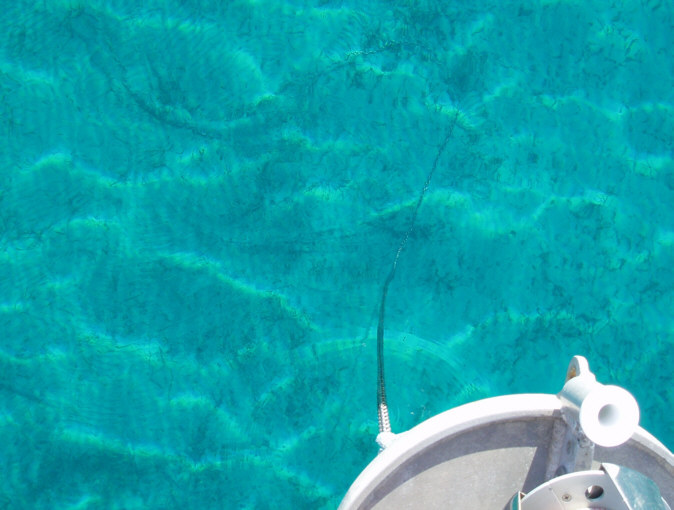
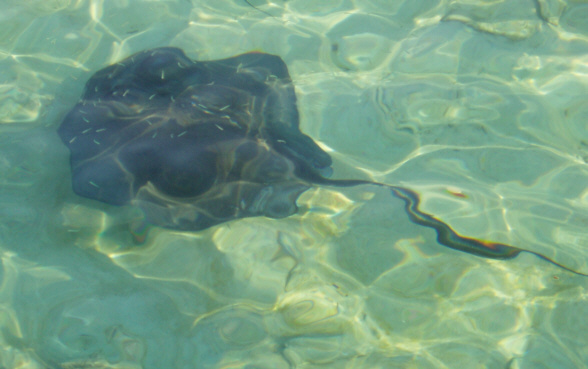
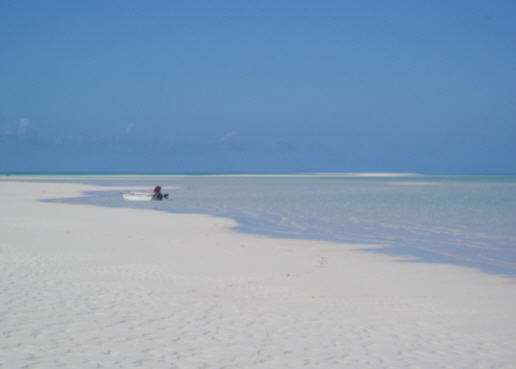
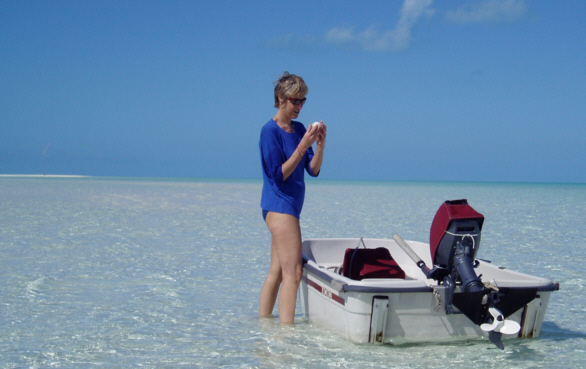
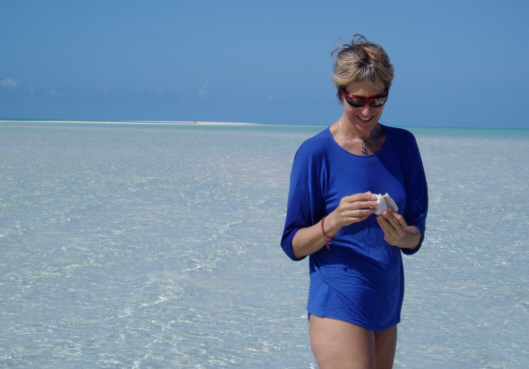
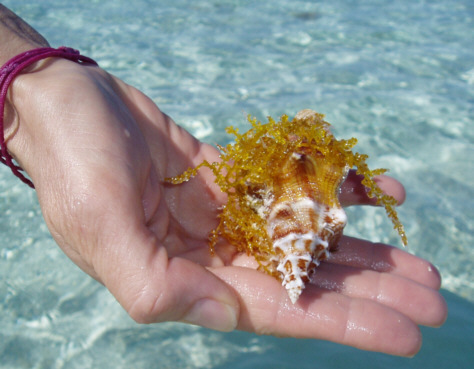
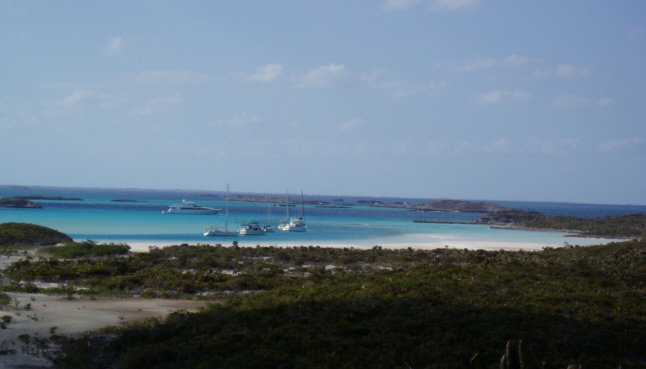
Immediately after passing through, it suddenly became as calm as if we were sailing in a swimming pool. Absolutely no waves, no more swell, and mostly only 2 to 3 meters of water depth. Water that was so clear it seemed simply unbelievable. We could therefore easily check the anchor chain, of course dry and from the dinghy. But this uniquely turquoise-blue water did have one drawback. With its 24 degrees, it was a bit too cold for us spoiled MOMO crew. Except for Ursi, who splashed around daily in the water that, naturally by her standards coming from wintery Switzerland, was warm. Although the tide averaged only about one meter, it was enough for the sea to repeatedly reveal untouched sandbanks at low water. These could be reached with the dinghy and explored like a Robinson Crusoe. Besides sand dollars and countless shell species, there was the incredibly pristine nature to admire for a short time, until the whole thing ended again with the rising water.
Exuma Bank / Little Farmers Cay
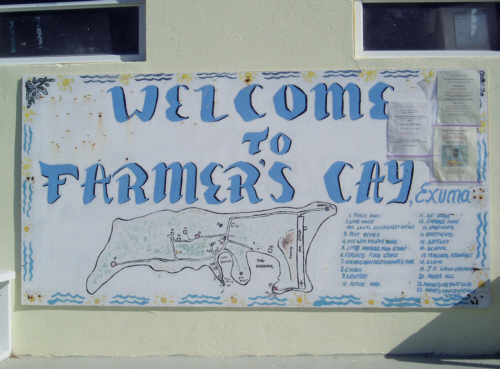
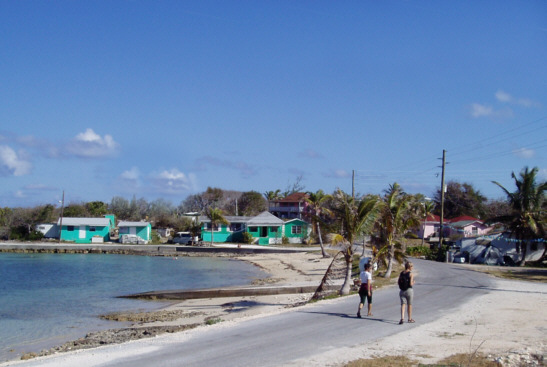
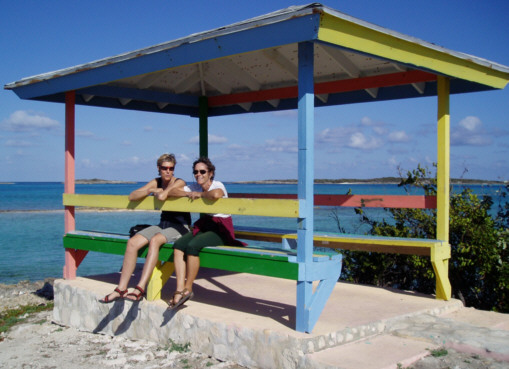
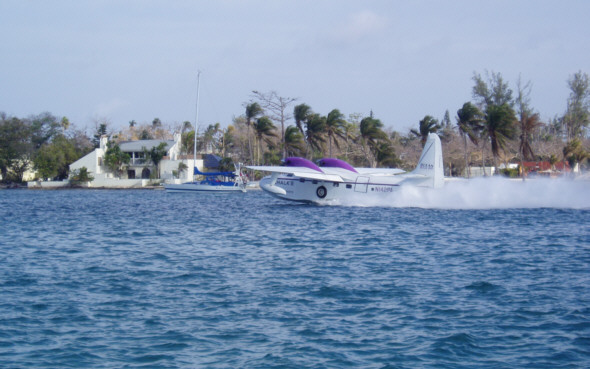
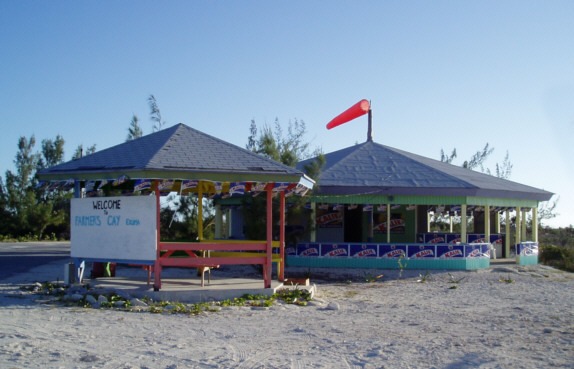
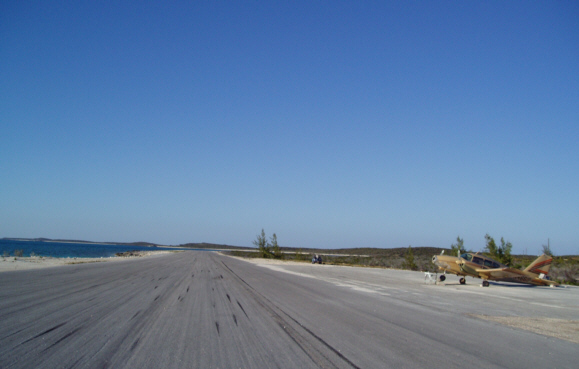
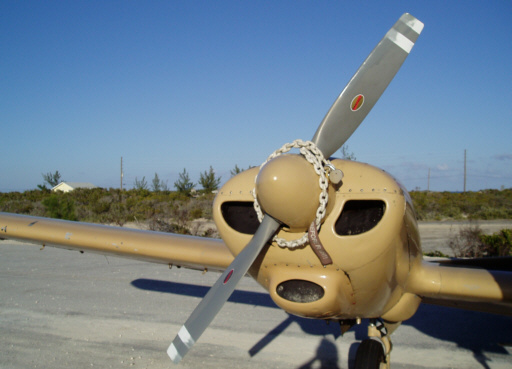
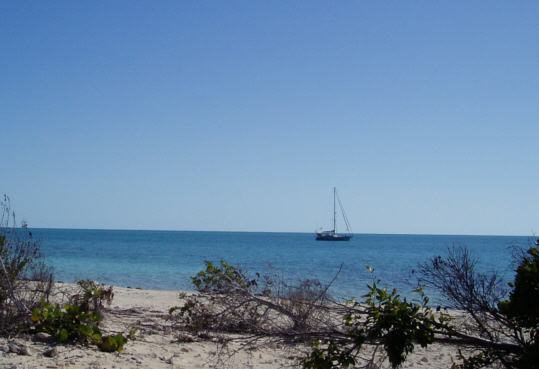
After another day of sailing, this time with a fabulous day's run of 6 nautical miles, we stopped at the next island. Little Farmers Cay is a very small village, but it already has a mini airstrip. The short walk through the village and across the entire island, constantly accompanied by lively dogs, gave us a small glimpse into the quiet and tranquil life of these very friendly residents.
Exuma Bank / Staniel Cay
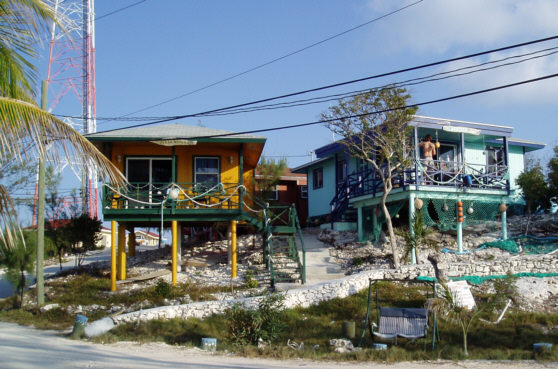
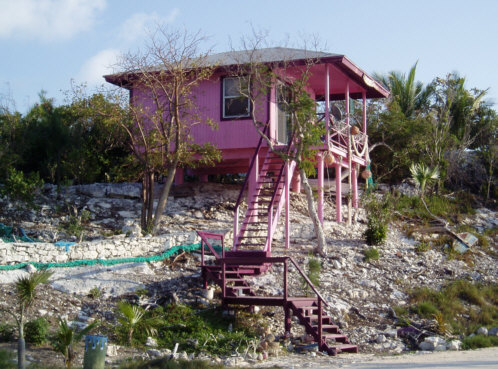
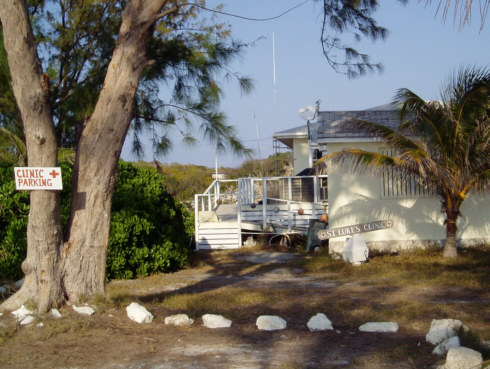
Staniel Cay is still very small today, but it now has its own yacht club with a new marina facility. As is well known, this attracts larger motorboats like bacon attracts mice. After the marina construction, the opening of a club restaurant, the first hotels, and so on always follow. Today there are still very few vacation homes, but in a few years this will certainly have changed here. On, or rather inside a small rocky islet, part of the Bond film "Thunderball" was filmed a few years ago. This island consists of a single rock, which however is hollow. You can swim in through a small passage at the bottom. The only light source in this grotto is at the top, where there is a hole in the rock. This makes the whole thing look very magical and slightly mystical. Today, of course, this islet is called "Thunderball Grotto".
Exuma Bank / Warderick Wells Cay
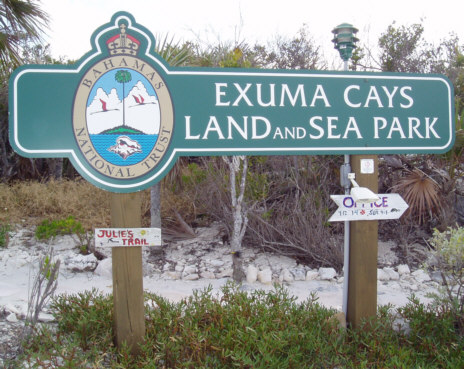
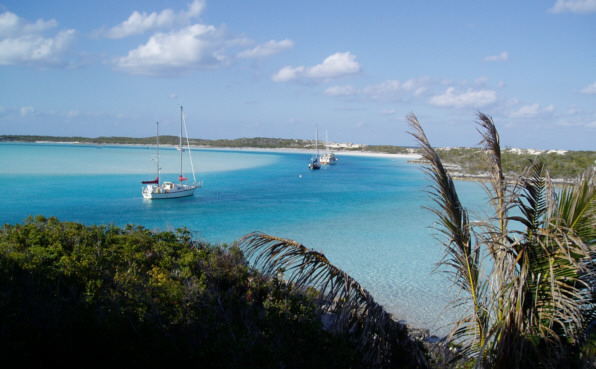
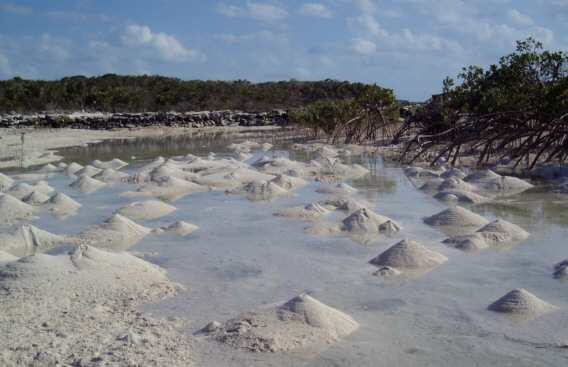
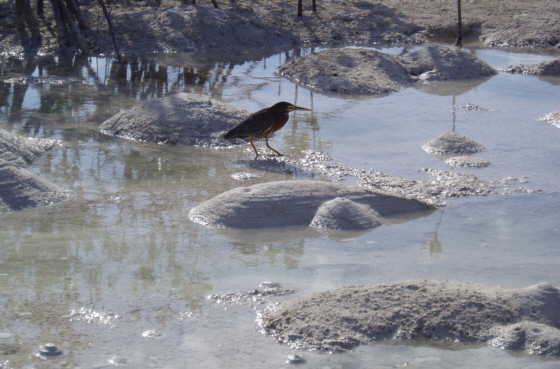
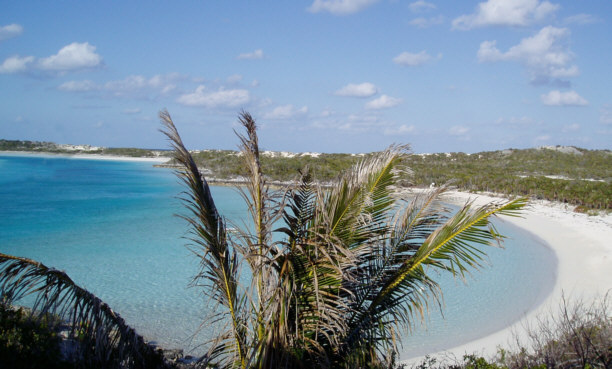
Once again, pure nature awaited us. The Warderick Wells Cay Land and Sea Park probably has a few houses, but these are only built for the park employees living here. Buoys are laid out in the sea park so that the reefs cannot be damaged by wildly anchoring boats. We ourselves anchored slightly south of this buoy field, roughly in the middle of the island. From here, we were able to hike it very pleasantly along well-marked nature trails.
Exuma Bank / Encounter with SY Musca
On the way from Shroud Cay to Allan's Cay, sailing once again as if in a bathtub, I heard a radio call for SY MOMO. A few minutes earlier, we had passed another aluminum yacht that had made me wonder, though I couldn't spot her flag. Americans don't really know aluminum as a boatbuilding material, so they simply had to be Europeans. Over the radio, it turned out that the crew was from Switzerland. Gabriela and Peter from SY Musca were on their way back to Europe, coming from Canada. The two of them had sailed up to the Great Lakes two years ago for just one season. Because it is so beautiful up there in the north, two years quickly turned into reality for them. That is certainly good news for us. For how many years will we end up stuck up there, I wonder? After a brief radio chat and a short consultation with my female crew, I promptly changed our course and we dropped anchor together with SY Musca at Norman Cay. Over a glass of German wine, which Peter and Gabriela brought along to MOMO, we heard many interesting tips and news from Canada. The two of them raved so much about the far north that our curiosity about Canada grew even greater. The contrast on that day could not have been greater. We were sitting here in the warm cockpit hearing the story of SY Musca's last wintering in Canada at minus 35 °C. Unfortunately, our paths parted again the very next day. Gabriela and Peter headed off to the Caribbean and we sailed on to Nassau.
Nassau on New Providence Island, the Capital of the Bahamas
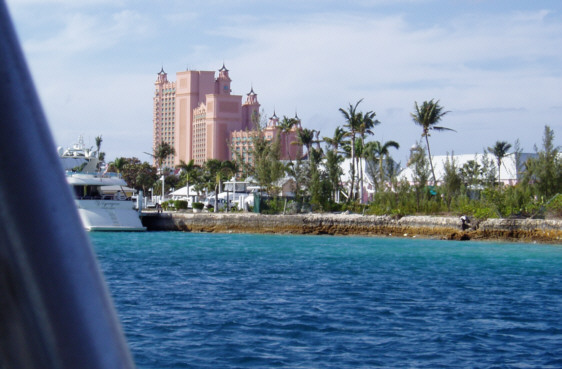
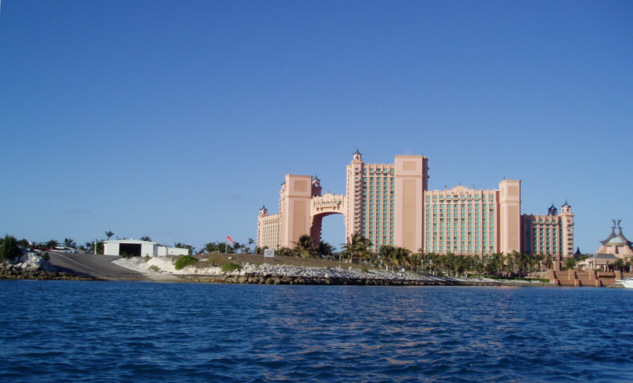
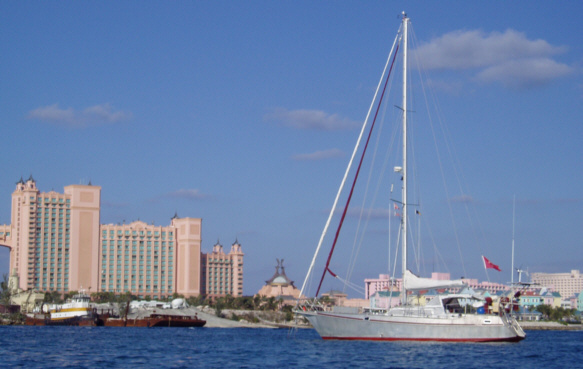
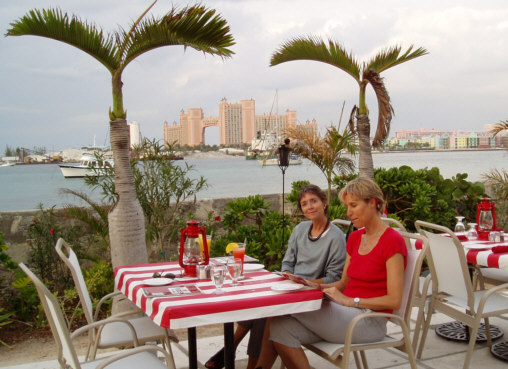
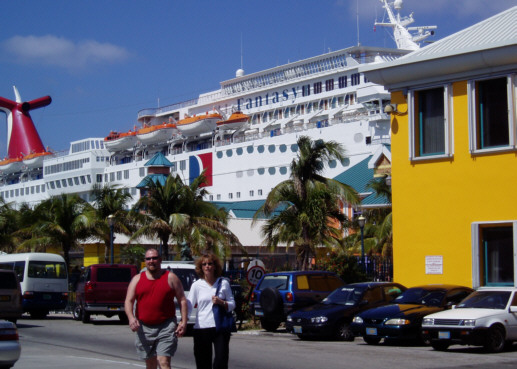
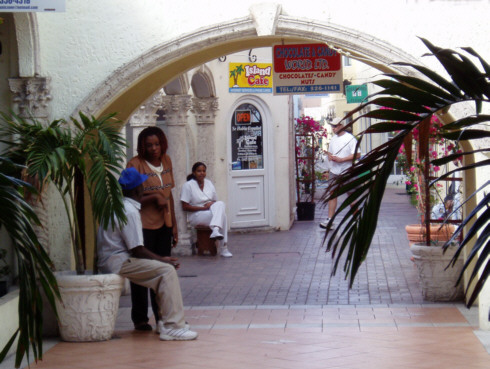
This is the economic center of the Bahamas, and over half of the total population of just over 300'000, of whom about 85 percent are Black, live here. So we got to breathe a little bit of city life once again. After the Dominican Republic and the seclusion on the gorgeous Bahamian islands, this was truly a most interesting contrast. The bustling activity when the passengers of one of the many cruise ships were spewed ashore, or the atmosphere in the grand casino of the imposing Atlantis complex, felt new and unfamiliar to us once more.
Following a fine farewell dinner, Ursi unfortunately had to leave us toward the end of the month to head back to Switzerland. She did so, however, with the firm promise to rejoin our cruising life up in Canada.
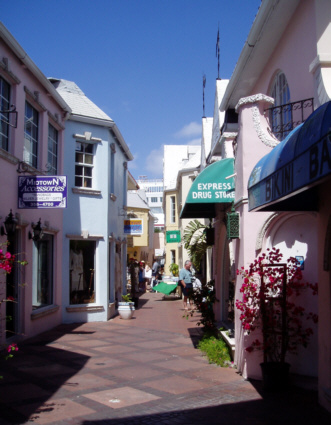
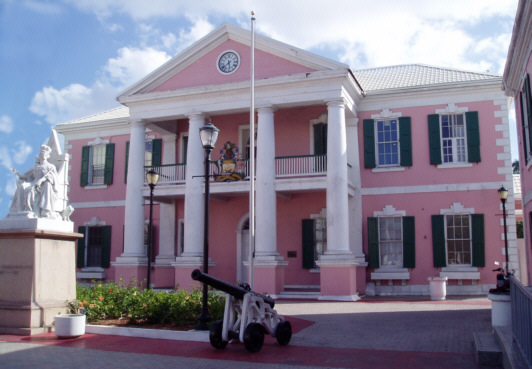
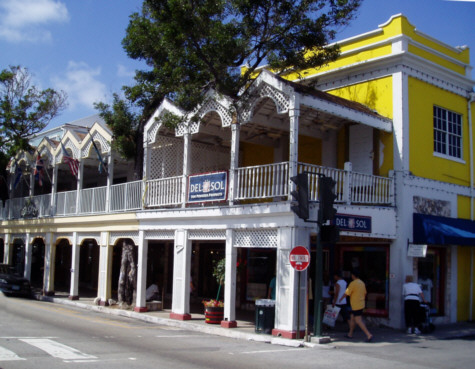
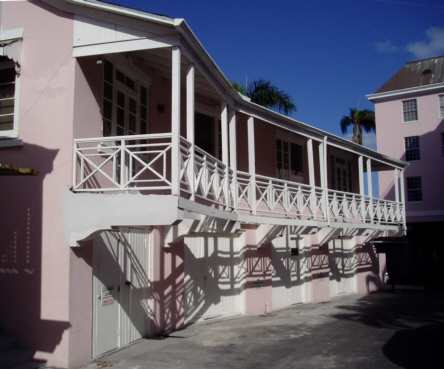
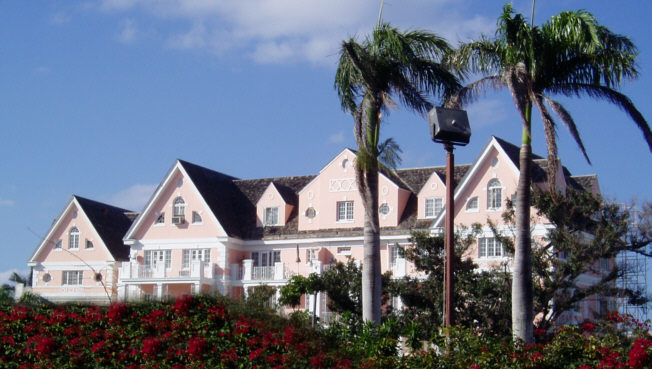
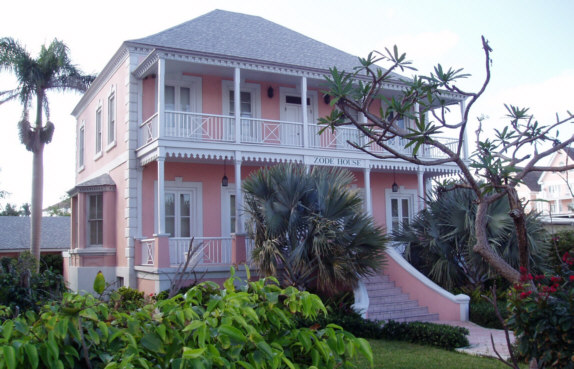
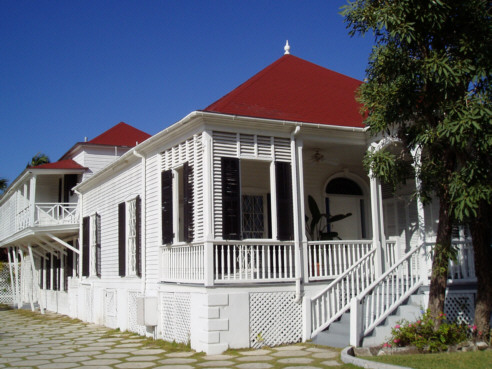
We ourselves began to further explore the city and its surroundings. Among many other things, we noticed that there are a lot of beautifully renovated colonial-era houses here.