Venezuela
Marina Bahía Redonda and Canaima National Park
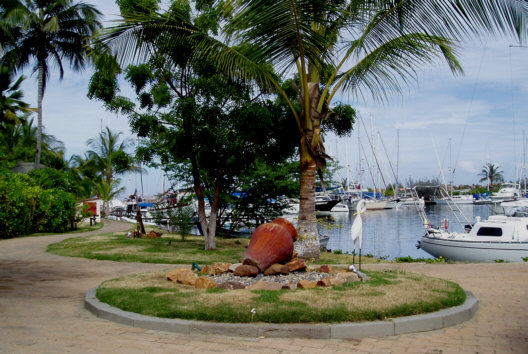
On July 1, as planned, we arrived at Marina Bahía Redonda in Puerto La Cruz. Together with Barbara and Wolfgang from the German yacht Momo, we completed this sailing leg to the mainland relatively quickly. The islands off the coast would each have been well worth a stopover. However, due to the high crime rate, we decided to skip this adventure. Unfortunately, a few sailing boats ahead of us were not as careful, ignored the warnings, and promptly had unwanted visitors on board during the night.
Arnaldo, the friendly but all-powerful harbor master of Bahía Redonda, received our lines in person. At the time, we did not quite realize that our berth was located relatively far at the outer end of the marina and was also quite noisy. After our old Euro plug was finally replaced with an even older Venezuelan one, we offered him and his assistant cold refreshments. Our big mistake, which would soon come back to haunt us, was that we did not also discreetly hand over the extra tip that seemed customary here.
Over the next few nights, we became fully aware of how extremely noisy our assigned berth was. The generators of the large cooling system directly opposite hummed constantly, allowing us only very poor sleep. So a few days later, I went to see Señor Arnaldo to ask him to please assign us a new berth. Our Austrian sailing friends, who had arrived here a week earlier, had managed to switch their noisy berth after all. Even though, in my opinion, there were still plenty of vacant berths available, it was impossible for us to move our MOMO to one of them. In hindsight, I learned from the Austrians how things work here. You can only get these better berths with a sufficiently large tip upon arrival and another additional, voluntary donation. Back when we started our journey, I resolved to circumnavigate the world without paying bribes anywhere. So this is simply part of the price I now have to pay for that.
By the way, after four weeks we were finally able to move to a quiet berth, without having to pay backsheesh beforehand, I might add. Why this change of heart came over Arnaldo remains his secret. Perhaps because we were always very friendly to him despite the noisy berth? Actually, I do not really care about the reason. At any rate, we now have a truly great berth in this very pleasant and secure marina. Thanks again, Señor Arnaldo.
Salto Ángel, a trip to the highest waterfall in the world
We ordered the taxi the evening before for Sunday morning at 08:00. Knowing that long-distance buses do not wait for individual late tourists, we prudently factored in half an hour of South American taxi waiting time. Because the wait on that Sunday morning turned out to be a good three-quarters of an hour after all, a slight sense of panic set in for us, though naturally not for the local taxi driver. Once again, this was a product of our still-present Swiss mentality. Such a small delay cannot possibly shake a South American. The taxi driver merely remarked that after all, the bus would surely depart late as well, which of course turned out to be true in the end.
A long-distance bus ride here is something special only for us foreigners, and it differs vastly from a comparable ride in Switzerland. For example, all the curtains in the bus are drawn completely closed. The local passengers give the impression of being completely exhausted from work. At any rate, after settling into their seats, half of them immediately fell into a sound, deep sleep. The other half stood in line for the toilet. There was a constant stream of people walking back and forth there throughout the entire journey, though I never figured out why. In every town where the bus made a stop, at least one vendor got on. They would then hand out their merchandise to every passenger while giving an intense sales pitch. The bus driver kept driving regardless of whether the vendor was still on board. Somewhere along the way, the driver would get off again. I thought to myself that a promotional tour in Switzerland could easily run the exact same way.
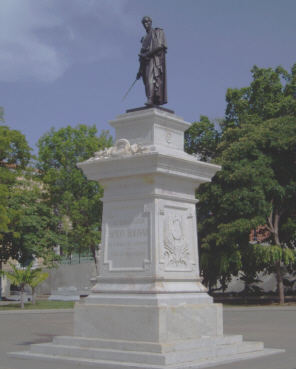
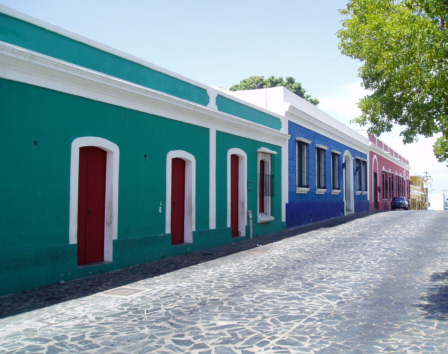
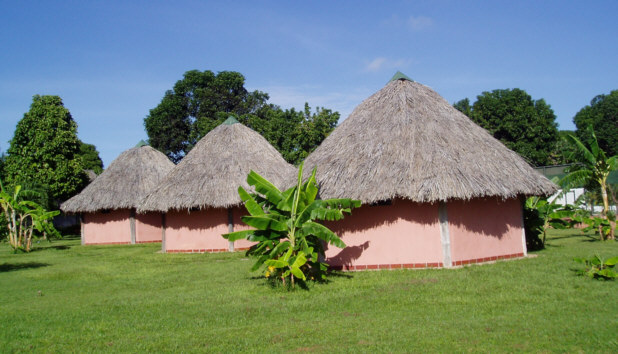
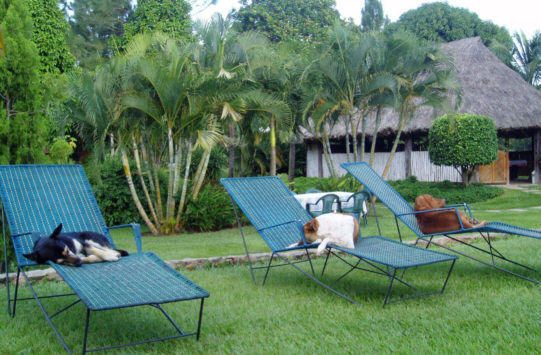
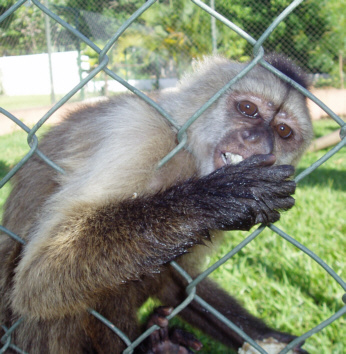
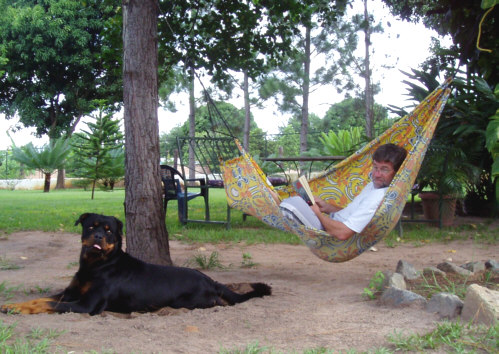
Upon arriving in Ciudad Bolívar, we were picked up by Posada Casita. Peter, a German expatriate, has built a small paradise here, a green spot in a parched, brown landscape.
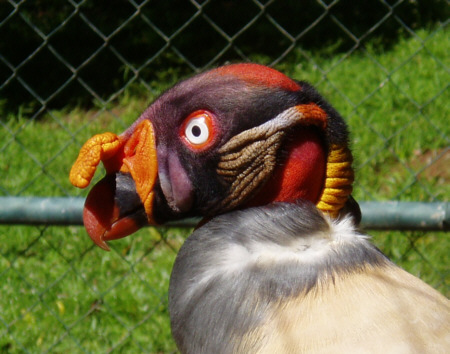
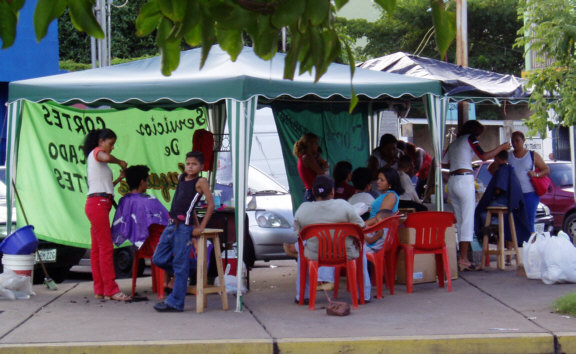
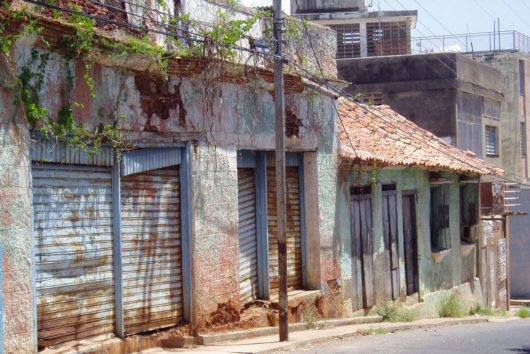
Ciudad Bolívar, with its 2,000,000 inhabitants, is the capital of the state of Bolívar. As everywhere in Venezuela, there was not the slightest sign of any economic recovery in this country here either. Closed shops, unfinished buildings, houses in urgent need of renovation in some places, and we won't even mention the desolate state of the roads. A real disgrace for the government of this country, which after all possesses such huge quantities of natural resources. Where the billions from the strongly gushing oil wells flow unfortunately remains a well-kept secret of the people around President Hugo Chaves.
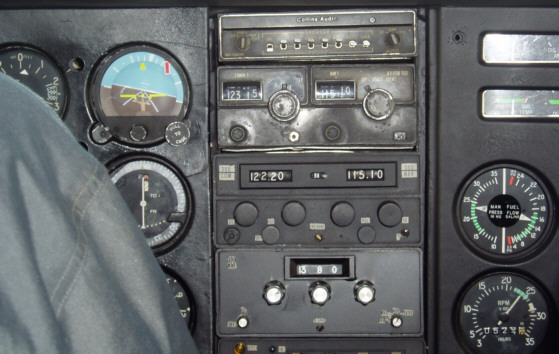
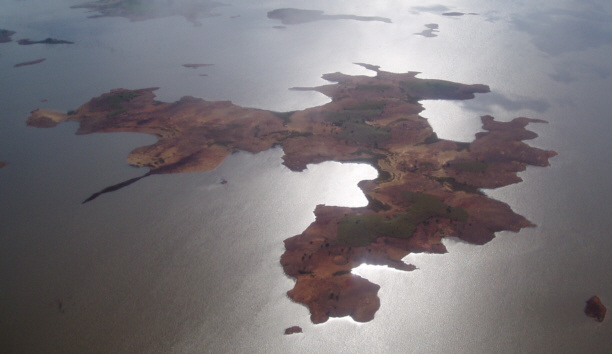
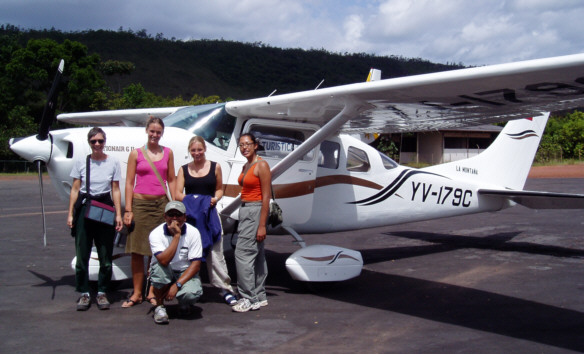
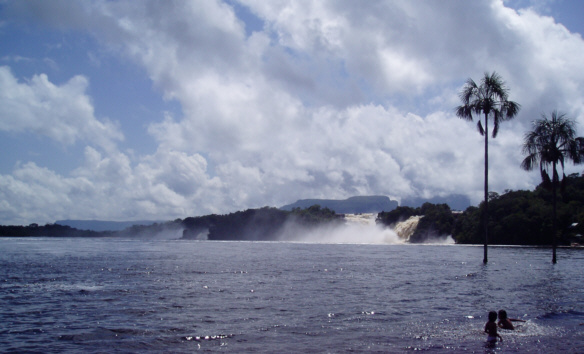
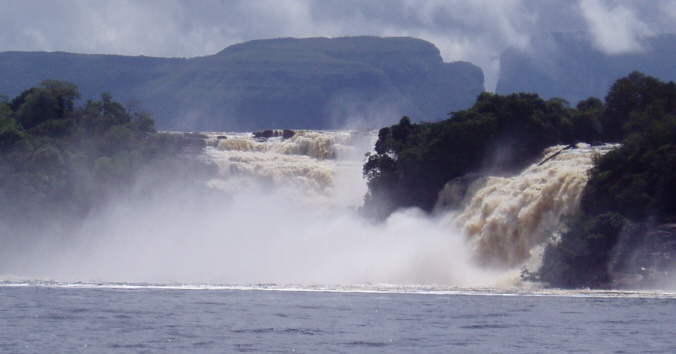
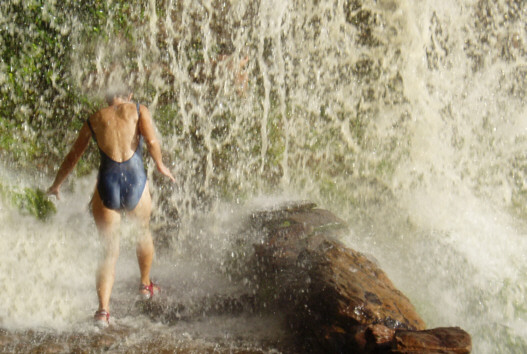
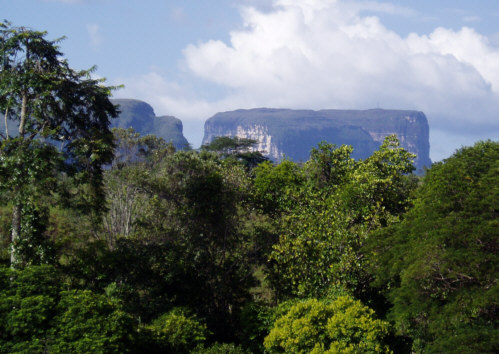
Canaima was only accessible to us by air. Various small airplanes were waiting for us tourists. The rather aged aircraft always fly at an altitude of only about 1,000 m above the jungle. The view of the country was accordingly impressive. After a 1.5-hour flight, we landed on the bumpy jungle airstrip of Canaima. We took this excursion, which is actually very unusual for us, as part of a guided tour group. Right after arrival there was lunch, then a boat ride through the large lagoon of Canaima, a visit to the Salto Hacha waterfalls, and so on and so forth. The makeup of our small tour group consisted of people from 5 different countries and was genuinely interesting.
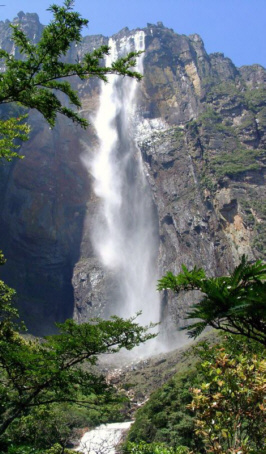
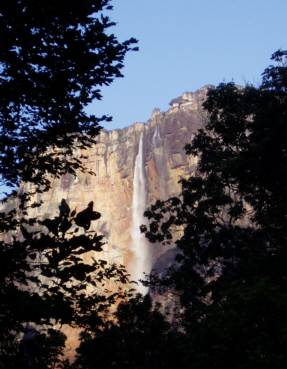
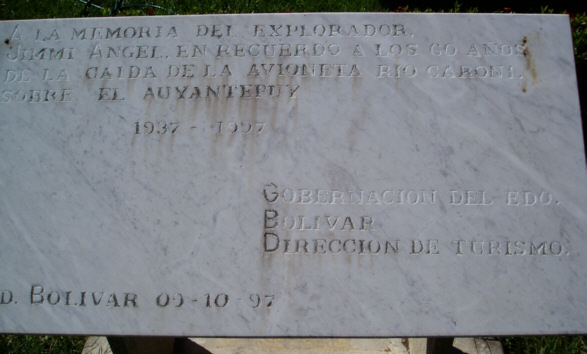
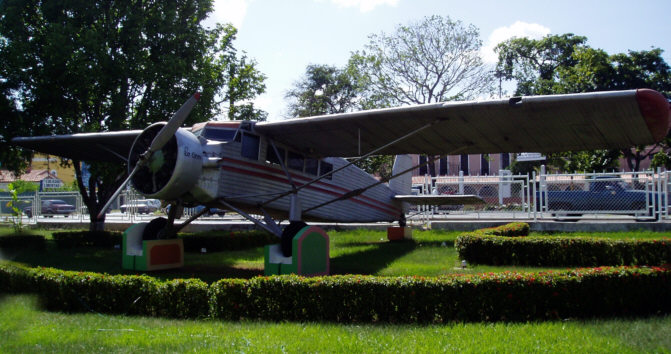
On the 2nd day, the 5-hour boat trip up the Rio Carrao was on the agenda. At times it went up quite steep rapids, and the ride got wetter and wetter. To reach the starting point of our journey, we had to walk for another hour up the mountain on foot. Salto Angel got its name from the American pilot Jimmy Angel. On October 9, 1935, he had to make an emergency landing on the plateau of Auyán-Tepuy, or the "mountain of hell" as the indigenous people called it. Jimmy had to leave his plane behind on top of the mountain and it took him eleven days of walking to reach the nearest village. With an officially measured free fall of 1,005 meters, Salto Angel is the highest waterfall in the world. Truly impressive. The overnight stay in the camp, in hammocks at the foot of the waterfall and quite romantically situated by the river, was totally exciting for our companions and a huge change from their normal city life.
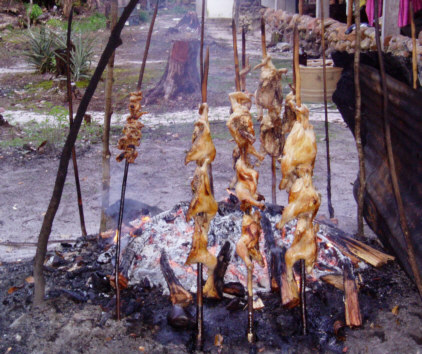
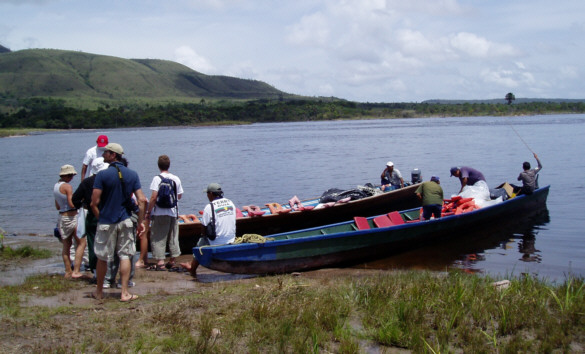
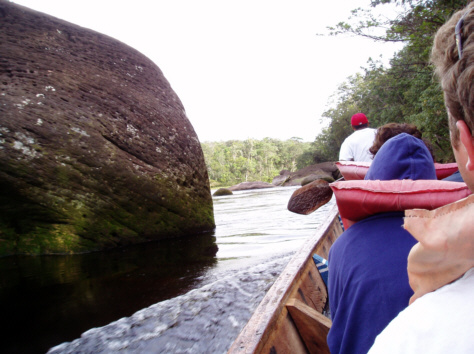
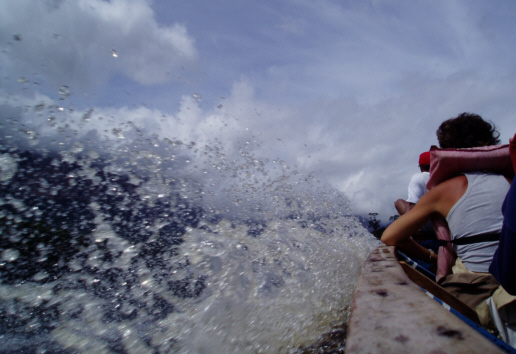
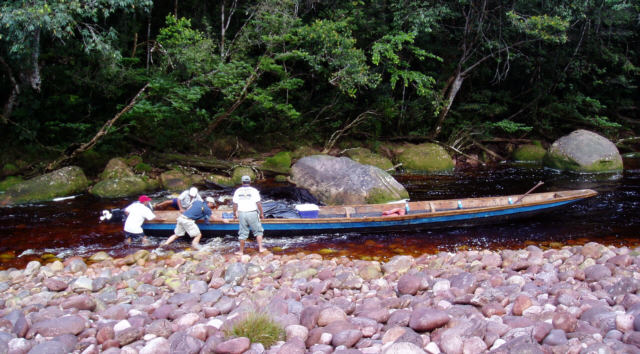
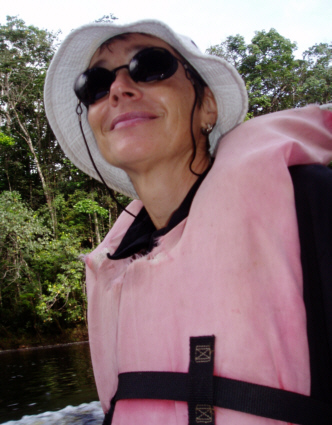
The next day, the trip continued downstream toward Canaima in the narrow and fast boats. Although the return trip only took four hours, the hard wooden benches made themselves felt very uncomfortably under our bottoms.
Back in Ciudad Bolivar, we changed our plan to return to Puerto La Cruz immediately. We then spent another three peaceful days in the Posada "La Casita", interrupted only by short excursions in the immediate surroundings.