Venezuela
Mérida, the university city in the Andes
Mérida, the university city in the Venezuelan Andes
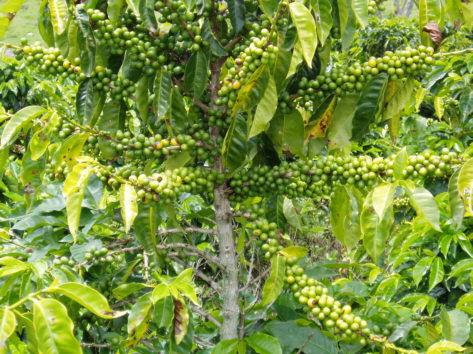
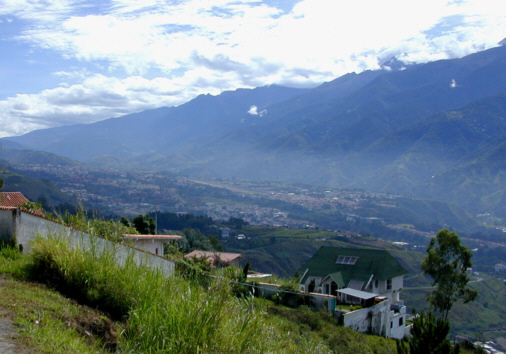
It is the capital of the Venezuelan state of Mérida. Located in the Cordillera de Mérida at an altitude of 1,625 meters above sea level, the city is traversed by the Chama river. Today, the city serves as a trade and processing center for agricultural products from the surrounding area. The most important crops are coffee and sugarcane. In addition, the textile industry is also very important here.
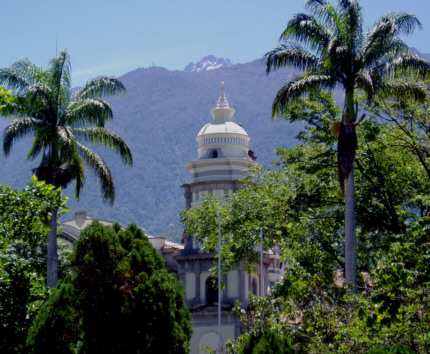
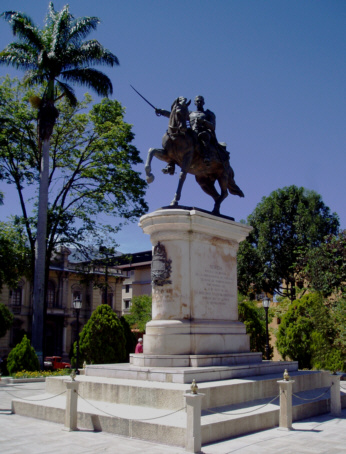
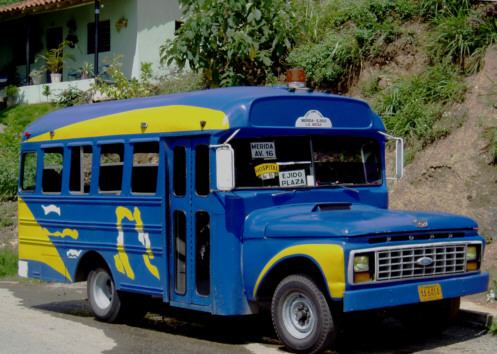
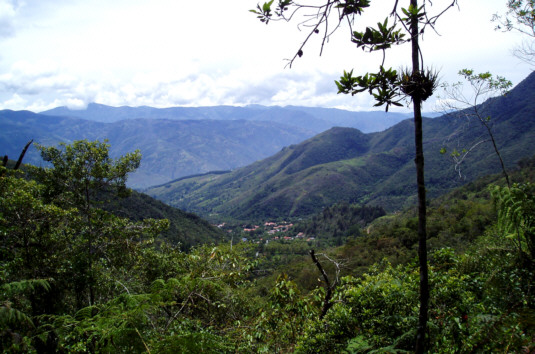
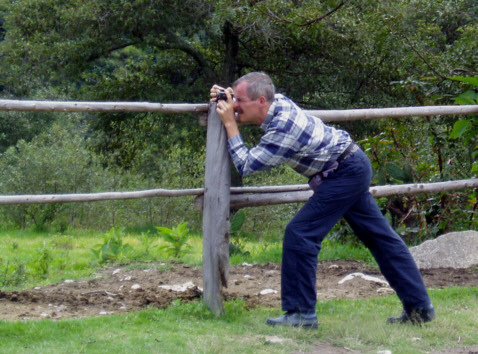
Mérida is home to various universities. A cable car (Teleférico) leads up to the 5,007-meter-high Pico Bolívar, the highest mountain in Venezuela. Founded in 1558, the city experienced significant economic development after the completion of the Andean Highway in 1925, and its population today is about 272,000.
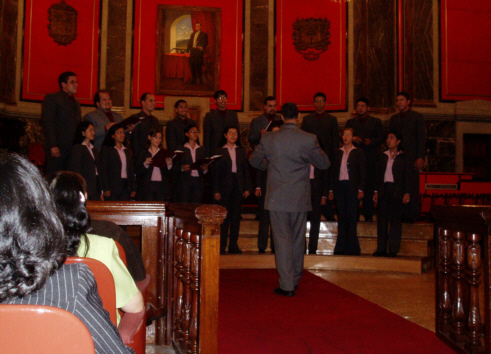
We had found our ideal base camp at the Posada "Casa Alemaña Suiza", run by Markus, an expatriate Swiss. From there, we could plan our daily excursions to the immediate and wider surroundings. After quite a long abstinence, we were also able to fully dedicate ourselves to the cultural scene once again. Every evening there was a concert somewhere in the city. Of course, it is not entirely comparable to the overwhelming range of offerings in a European city. In any case, we enjoyed Mérida very much, because it was a great change from our everyday life on board. It was nice to be able to go out in the evening once again without always having to take a taxi for safety reasons. It showed us a new face of Venezuela, one that is certainly safer and cleaner.
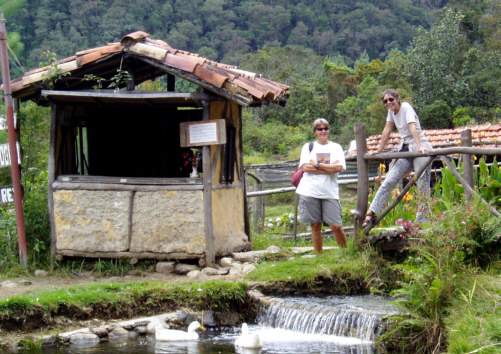
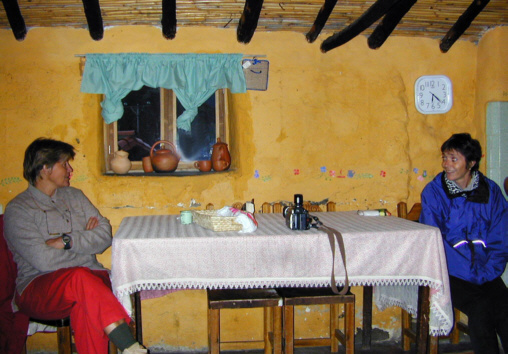
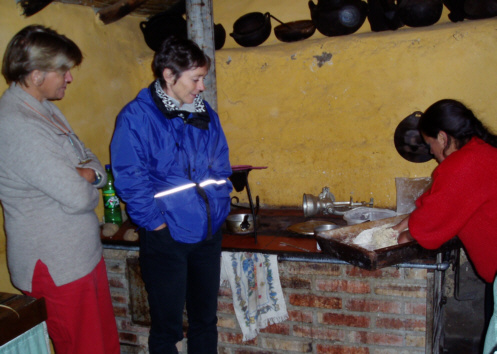
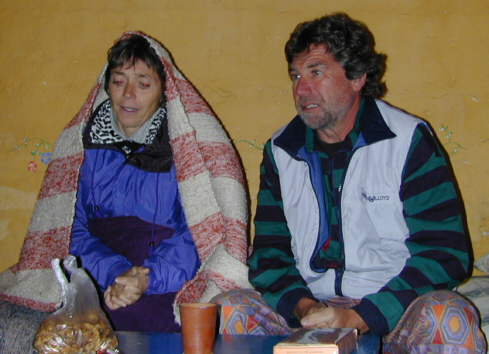
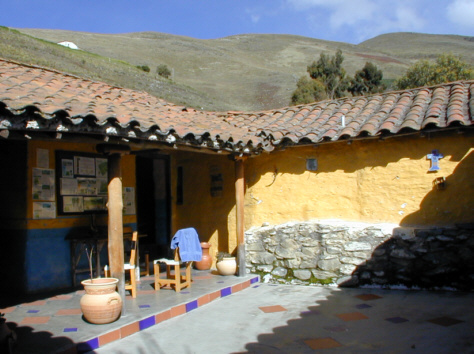
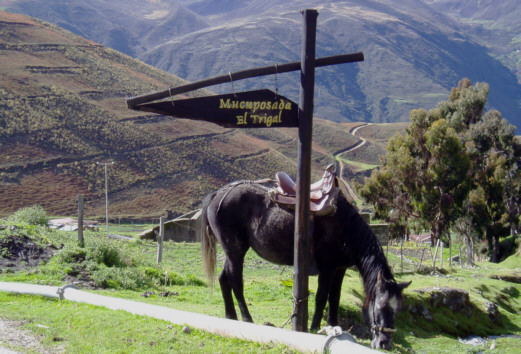
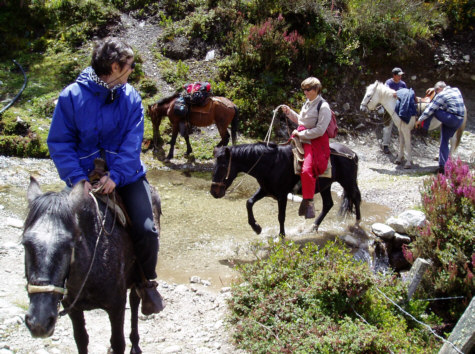
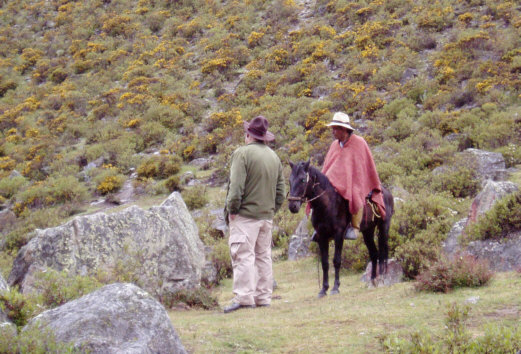
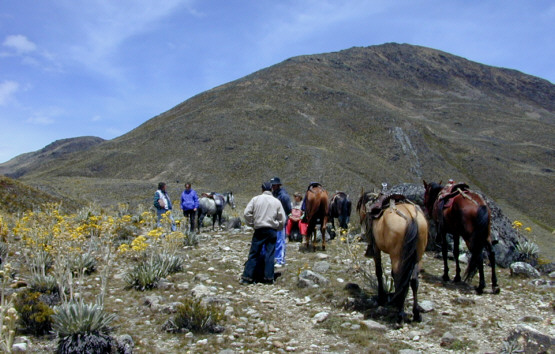
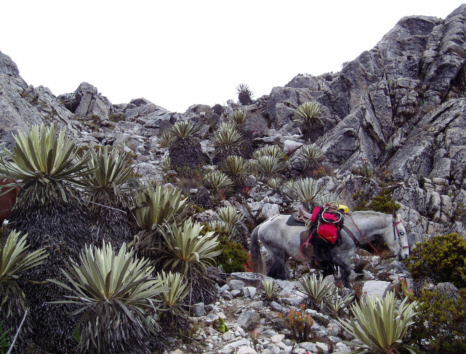
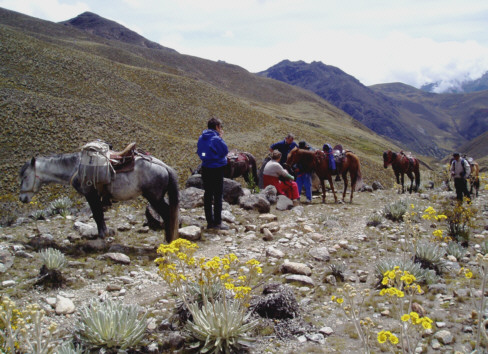
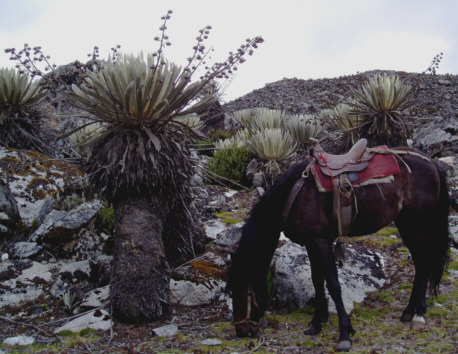
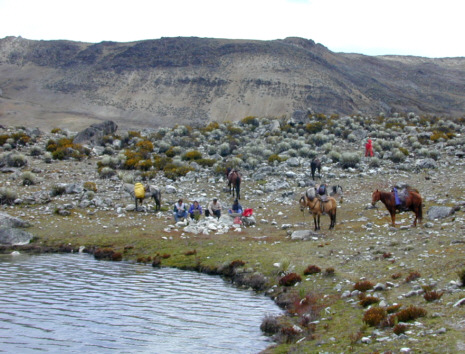
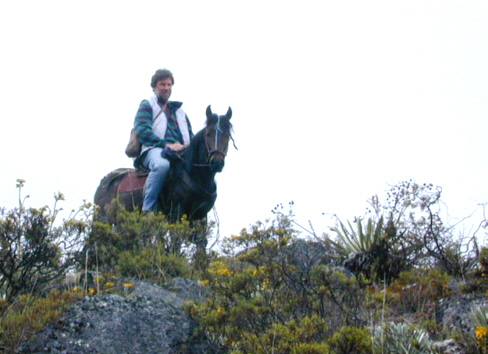
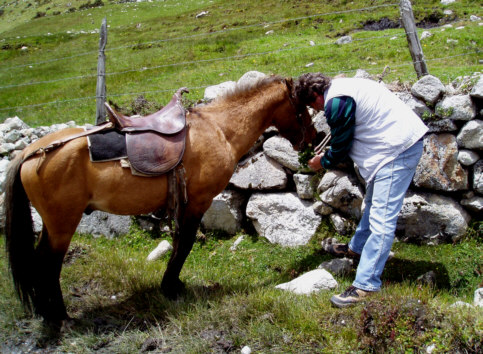
After the first week, just as we had returned from our Los Llanos tour, Barbara and Wolfgang joined us, as agreed. Together we went on various smaller day trips and then on our "Mérida highlight": the "Excursión a caballo en los Andes", or a horseback riding tour in plain English, a "Vuelta de Los Páramos" in the Venezuelan Andes.
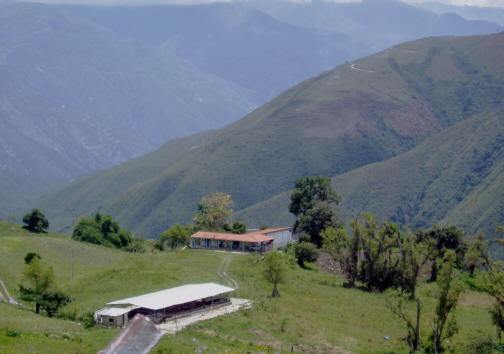
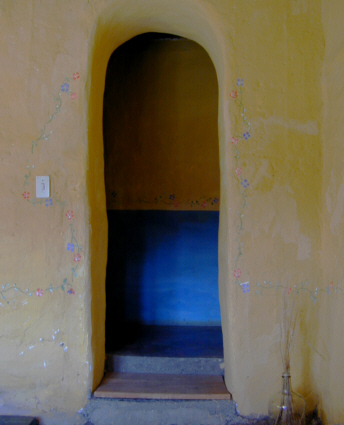
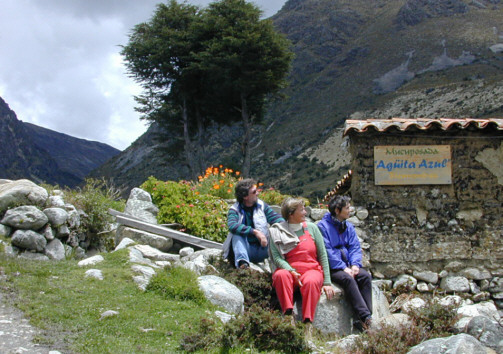
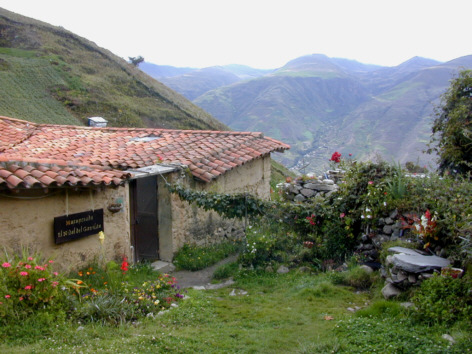
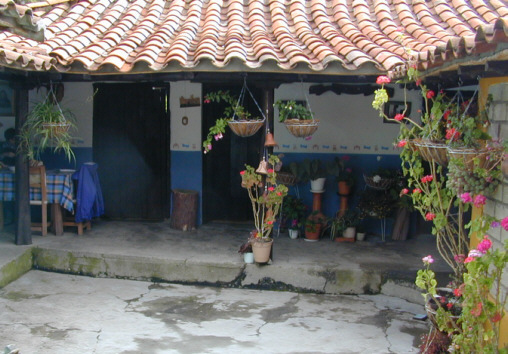
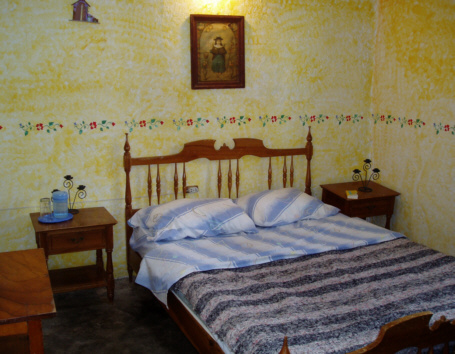
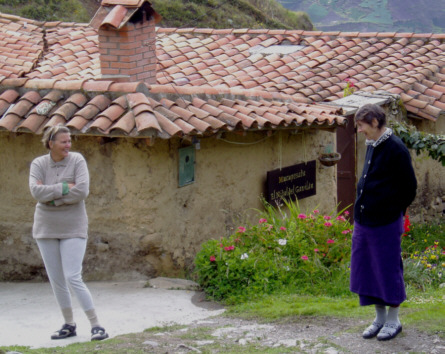
There is an organization here in Mérida that promotes this type of tourism in a very impressive and good way. They look for families who are willing to open their homes to tourists, host them according to specific quality standards, and adopt an infrastructure that is only slightly adapted for tourists. However, this does not mean that modern hotel rooms have been created at an altitude of over 3500 meters. Quite the contrary. Apart from new roofs and new sanitary facilities, these very old houses were restored very gently indeed. The rooms were repainted with paint and a lot of effort. Ornaments were lovingly painted on and colored bed linen was purchased. How did the "mountain farmers" pay for this? Quite simply. The "Programa Andes Tropicales" organization gives the local people a very cheap loan, organizes courses in restoring, serving, and cooking for guests, and then markets the whole thing quite successfully in Venezuela, the USA, and also in Europe. www.andestropicales.org
"Programa Andes Tropicales" handles the advertising, bookings, and payment transactions with the tourists itself. The headquarters is connected to the Mucuposadas via a radio network and personally monitors every tour for the safety of the guests. Even at an altitude of 4500 meters, we heard José, our tour guide, report via radio that all guests were doing well, which apparently is not always the case at this extreme altitude.
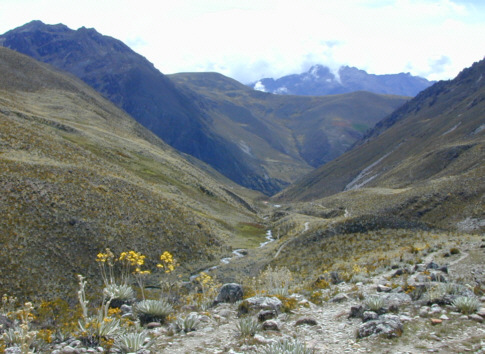
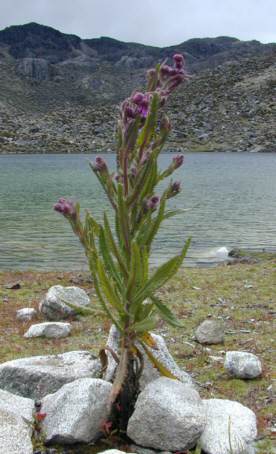
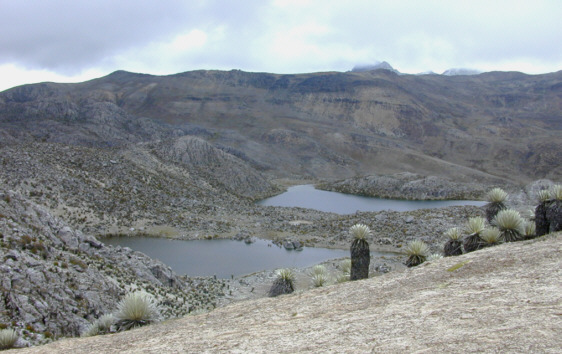
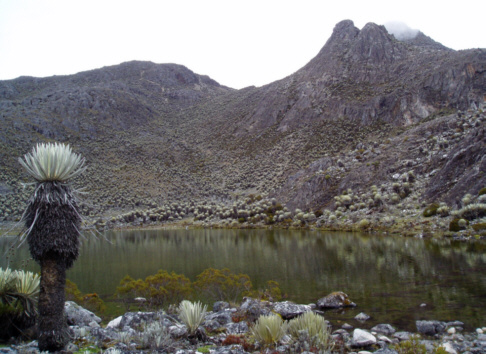
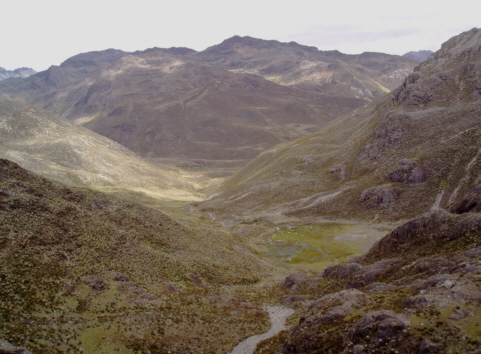
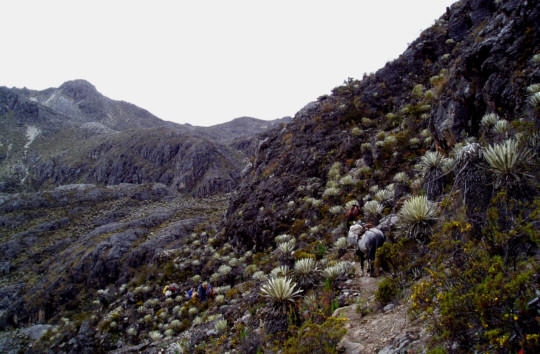
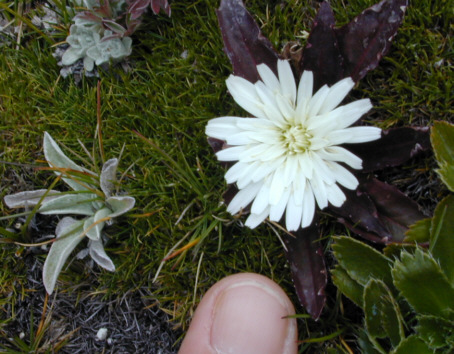
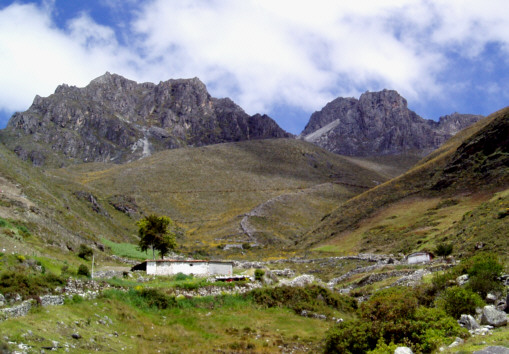
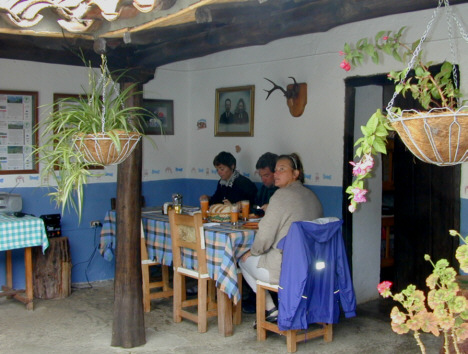
This altitude, which is unusual for us Europeans, is precisely what is fascinating here. Potatoes and vegetables are cultivated at over 3600 meters, partly on very steep slopes. We saw flowers and plants growing at an altitude of over 4500 meters. All of this still seems to thrive up here without any problems. Our lungs, on the other hand, sometimes showed a bit more trouble, increasingly gasping for oxygen here. Even with minor physical exertion, the oxygen-poor air made itself felt. Which is actually normal, since we have been living at sea level for three years. The small, but all the more sturdy horses did not seem to be bothered by the altitude. Unflinchingly and impressively, they went their way. Way is, of course, a massive exaggeration. Over stick and stone, partly steep up and then down again. Once it went down so steeply that everyone, including the guides, had to dismount. The horses were then able to complete their descent without the human ballast and left to themselves without any problems. On the third day, towards the end of the day trip, we also got to experience the rainy side of the Andes. For the last two hours it poured like buckets. Thick wisps of fog and the cold at this altitude were a big contrast to the sunshine an hour before. Arrived at the Mucuposada "El Nidal del Cavilán", alongside the once again warm welcome, there was wonderfully warm herbal tea from the garden. A warm shower was also ready to warm us up a bit again. Here, however, a bit of the dilemma in which these Mucuposadas find themselves became apparent. On the one hand, they want us tourists to take part in their everyday lives and, apart from the warm shower and the gentle renovation of the rooms, change nothing. On the other hand, there is also the guest who is not used to eating outside at eight degrees and wearing ski jackets. Even though one or the other Mucuposada even had an enclosed dining room, we had not experienced it warmer than twelve degrees in that room. The only change that the Mucuposadas should make, in my opinion, would be to equip a room with a small heater. Even if that went against their lifestyle, the guest should at least be able to dry their wet clothes somewhere. Despite this small negative point, our horseback riding tour was a complete success. After Canaima, Mérida, and Los Llanos, this was once again a very impressive and extremely friendly face of Venezuela that we were allowed to experience.
Day trip to Jaji
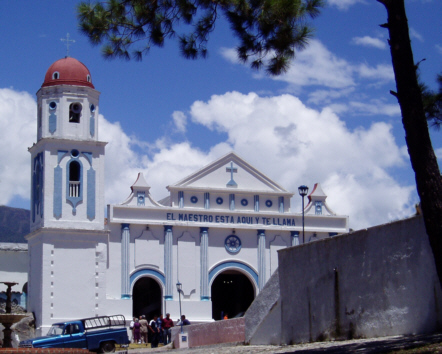
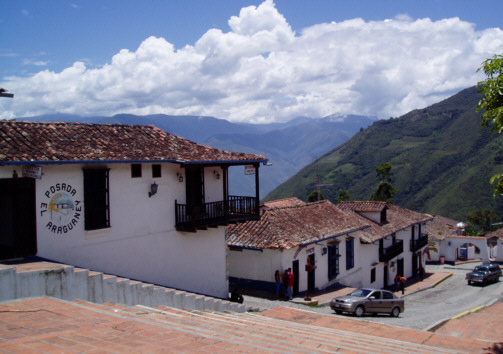
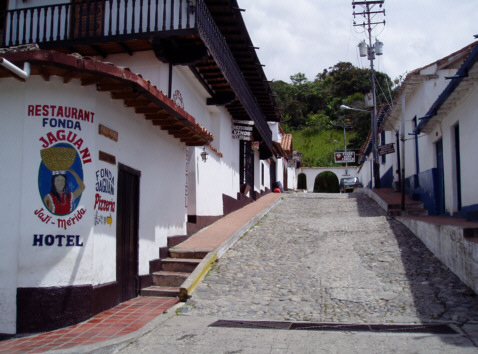
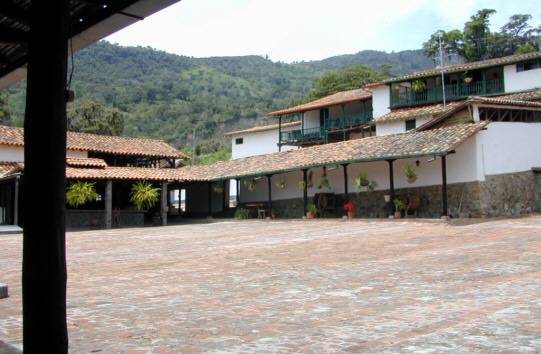
The thoroughly yet unobtrusively restored mountain village of Jaji lies only about 37 km west of Mérida. The church, public buildings, and a number of shops were reconstructed in Spanish colonial style between 1968 and 1971 and remain in excellent condition to this day. In the meantime, many private individuals have also had their houses restored in an exemplary manner. Today, Jaji is one of the few museum villages maintained by its inhabitants out of conviction and sound commercial sense.