USA · East Coast
New Bern and the First Miles in Chesapeake Bay
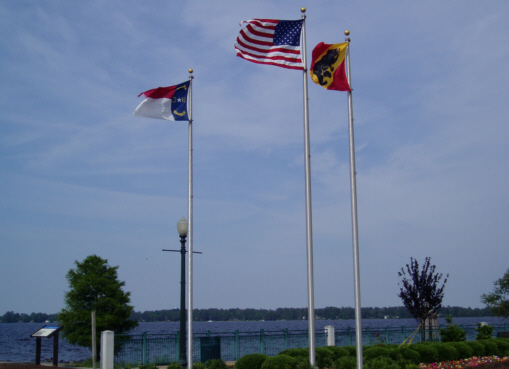
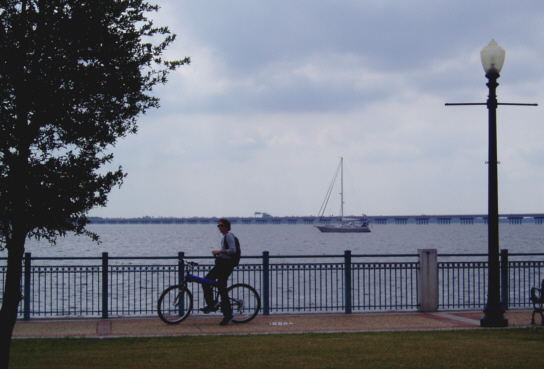
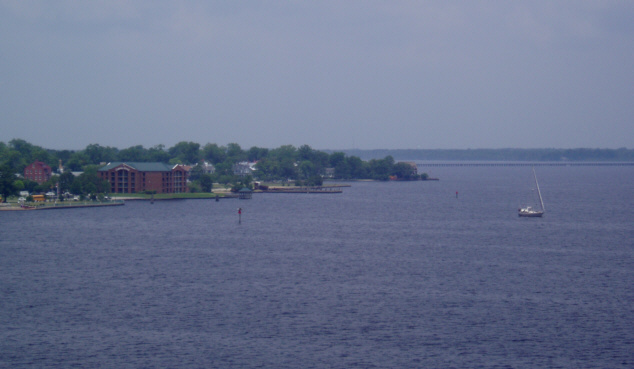
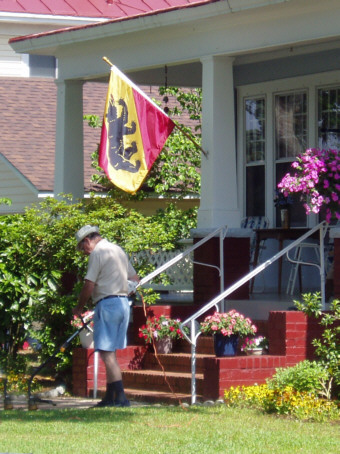
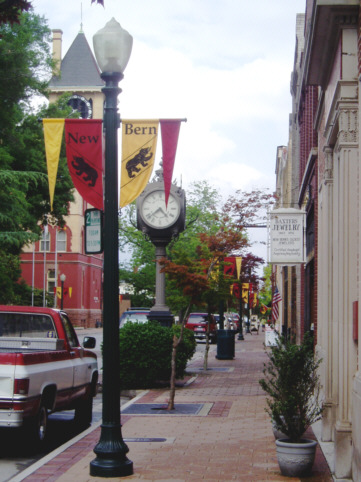
The German Momo had stayed behind in Wilmington to take care of some repair work. We ourselves were now on a detour that I wanted to make under all circumstances, namely to New Bern. As a dyed-in-the-wool Bernese patriot, as Yvonne often calls me, it had been clear to me for a long time that I simply had to visit this city. Full of anticipation, we sailed the good 20 nautical miles up the Neuse River. Then we were in front of the city of New Bern. But no marching band played to welcome us and the mayor was busy in a meeting with George W. Bush. To my small consolation, a few Bernese flags were fluttering in the wind. All joking aside. When I saw these Bernese flags fluttering, after already calling the high seas home for four years, I felt a little (actually a lot) nostalgic.
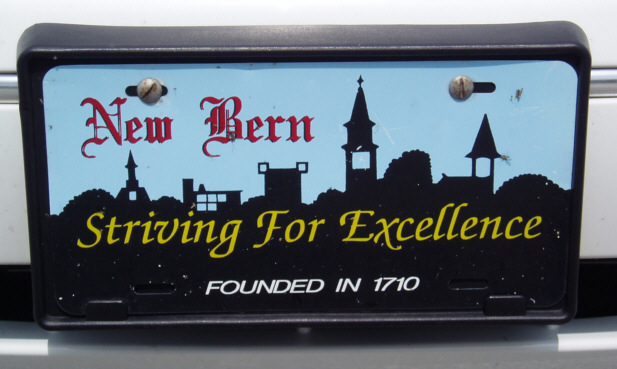
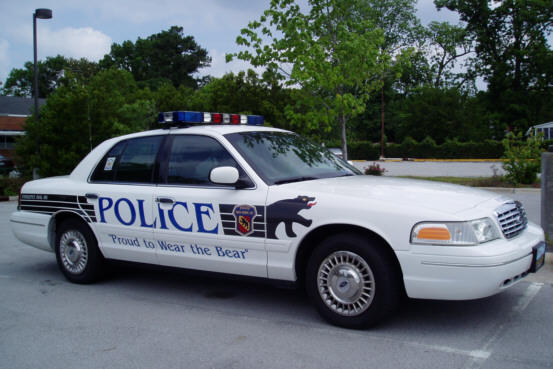
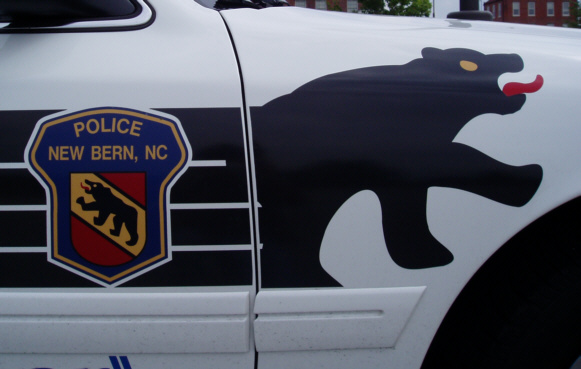
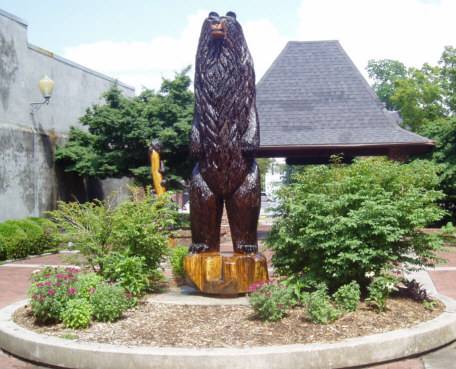
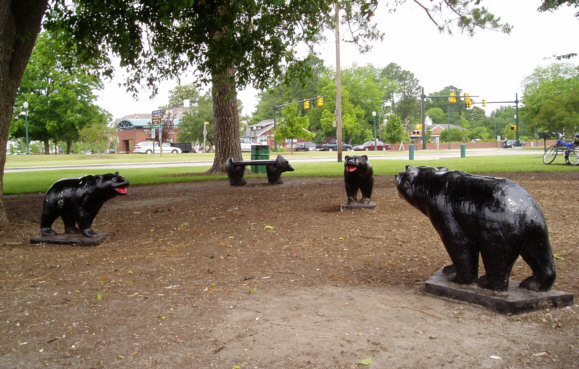
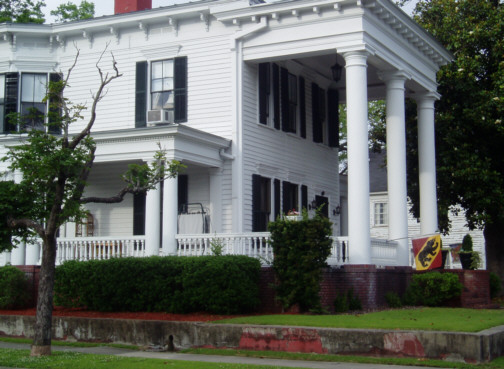
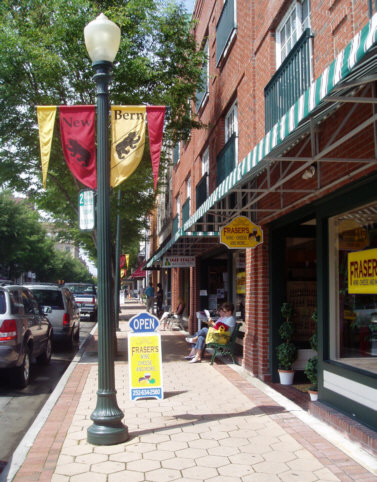
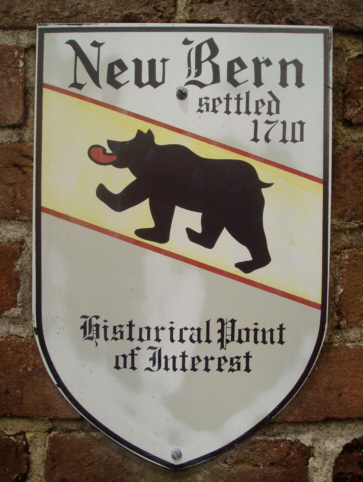
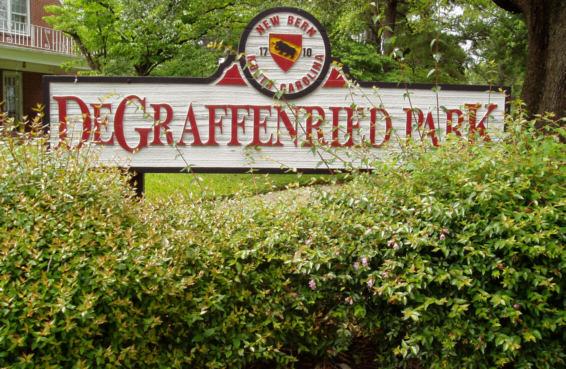
During our various walks through the small town, we were reminded everywhere of our good old Bern. From the police car to the many private homes, from the main downtown streets to the road workers, everything was decorated with the Bernese bear. The city's coat of arms corresponds to the coat of arms of our city of Bern. The first flag, a gift from the Swiss city of Bern from the year 1896, is exhibited today in the courtroom of the town hall.
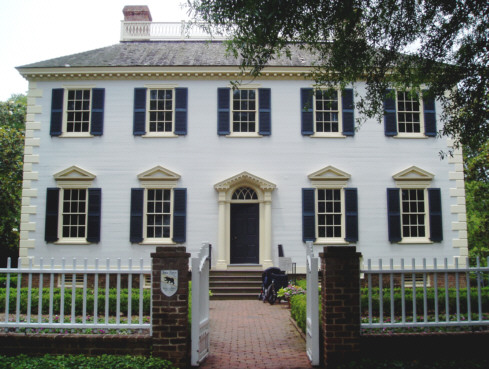
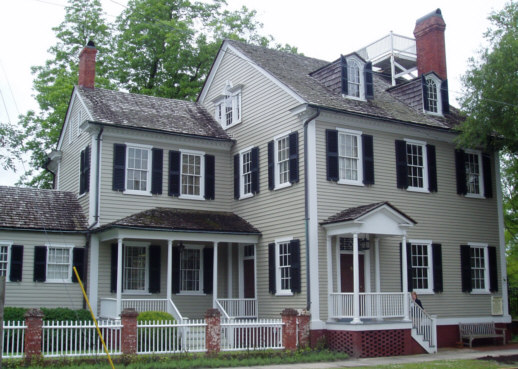
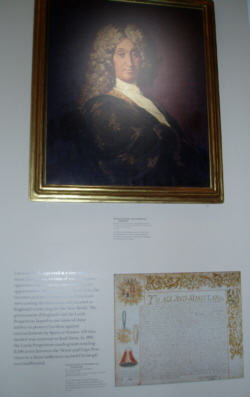
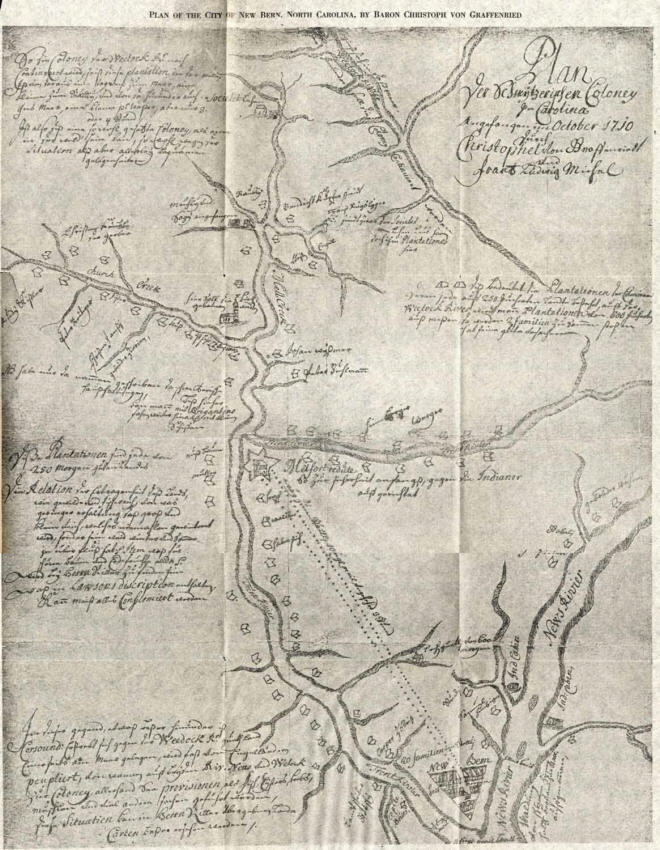
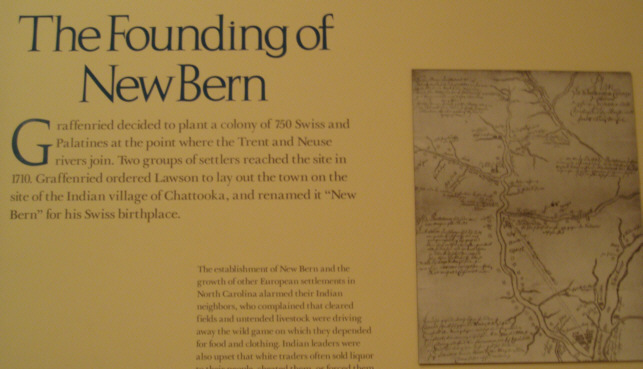
New Bern is a small town in Craven County in the US state of North Carolina. It was founded in 1710 by emigrants and adventurers from Switzerland and Germany. Their leader at the time was Baron Christoph von Graffenried from Bern. The royal governor William Tryon later made the small port city the capital of the new colonies for a short time. His restored 18th-century capitol and residence, Tryon Palace, which among other things features about 5,2 ha of gardens, still stands in the center of New Bern today.
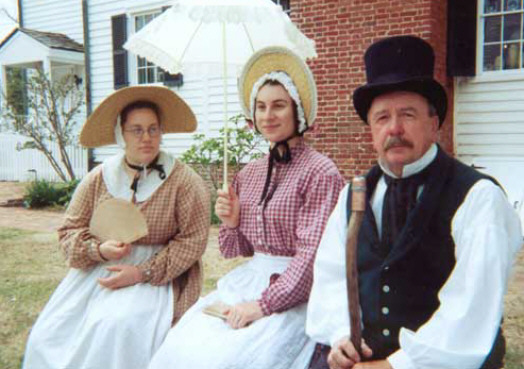
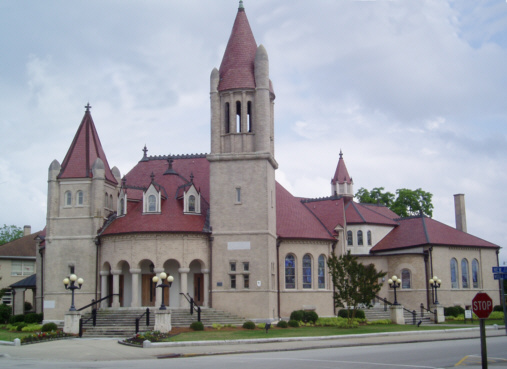
In the 19th century, New Bern was still an important port city, but was captured and occupied by the Union army during the Civil War after a heavy battle on March 14, 1862. New Bern still has three historic districts with residential buildings, shops, and churches dating partly from the 19th century. It has 36 registered sights and more than 150 other entries in the National Register of Historic Places.
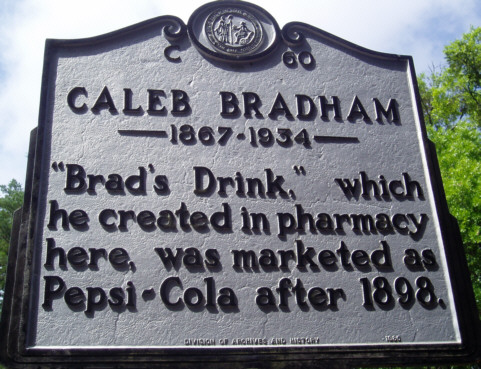
Also, Pepsi-Cola was invented here in 1898 by the young pharmacist Caleb Bradham in his pharmacy, Bradham's Pharmacy, and was initially known as Brad's Drink. The building still stands today at the intersection of Middle Street and Pollock Street in the city center and now houses the historic Pepsi Store. Today, New Bern presents itself as a small town with a share of services, agriculture, and industry. Craven County is also home to a civil airport in New Bern.
Baron Christoph von Graffenried and the Early History of New Bern
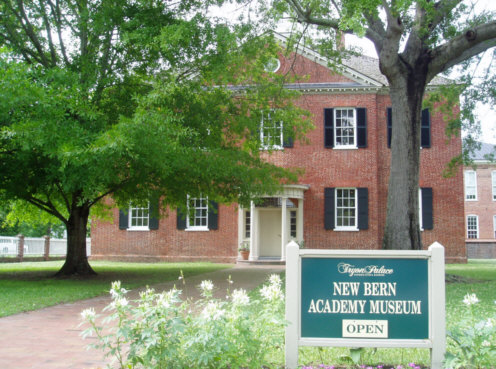
If you are interested, you can read about the interesting and partly bloody history of New Bern's founding in the excerpts below from the New Bern Academy Museum and in a personal report by Christoph von Graffenried.

Tryon Palace in New Bern
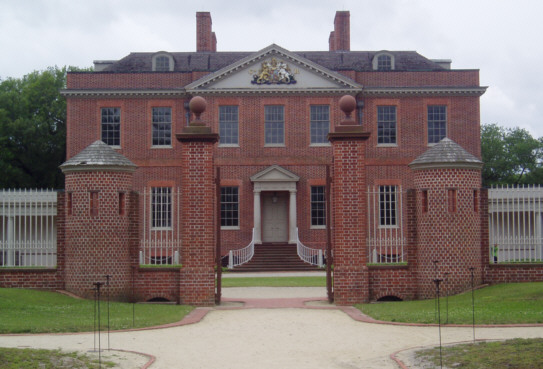
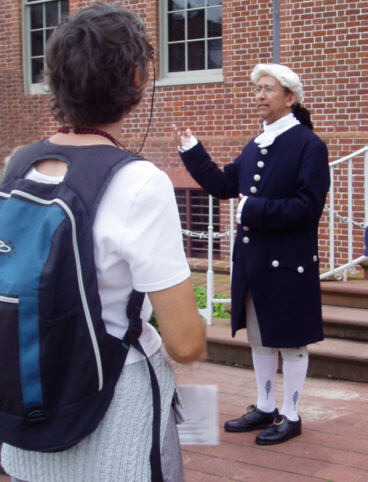
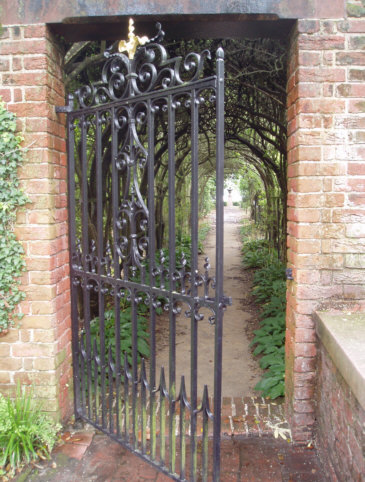
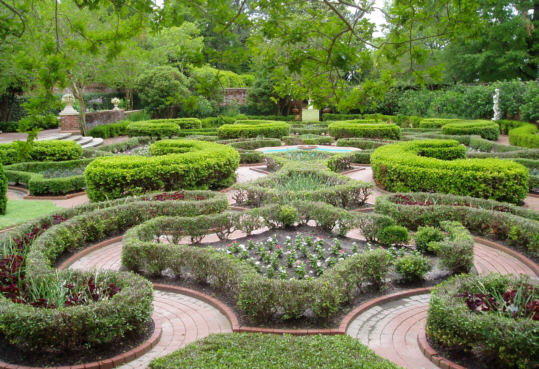
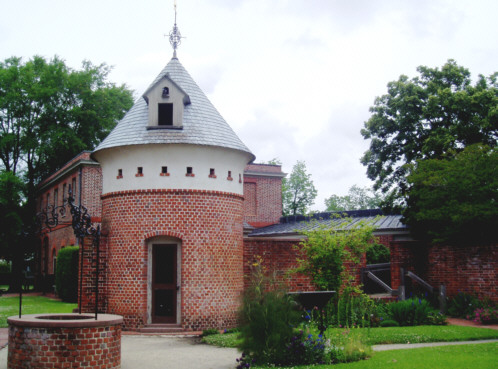
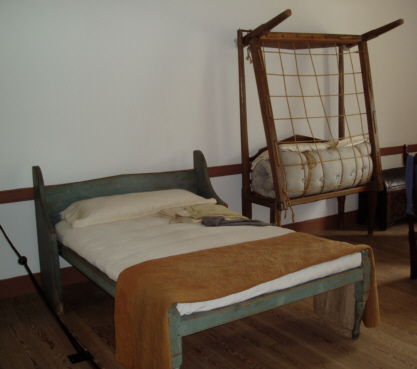
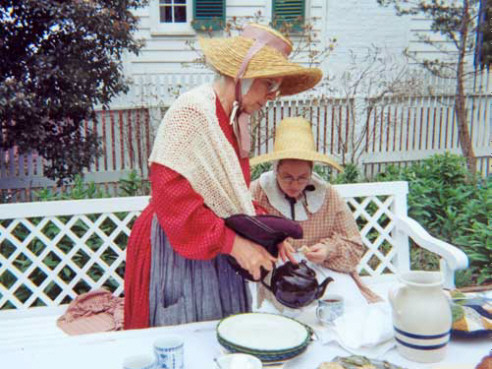
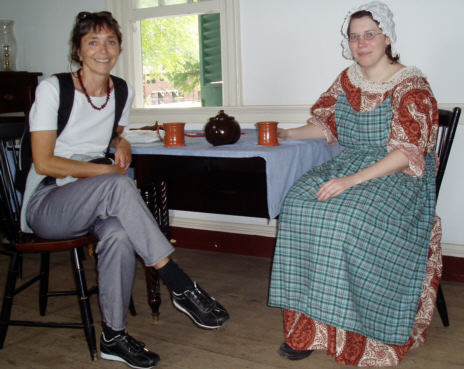
The old 18th-century Tryon Palace of royal governor William Tryon is a well-restored facility today. Aside from the approximately 5,2 ha of gardens, many rooms feature exhibits of original objects from that era.
Our Last Section on the ICW
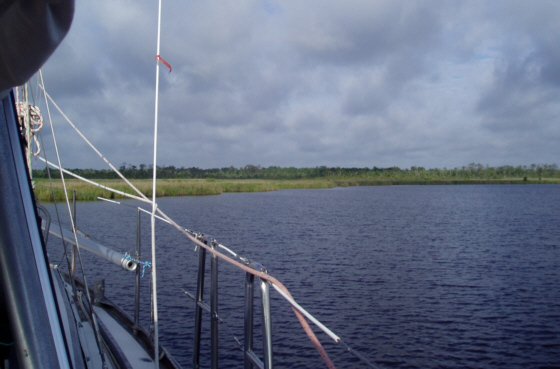
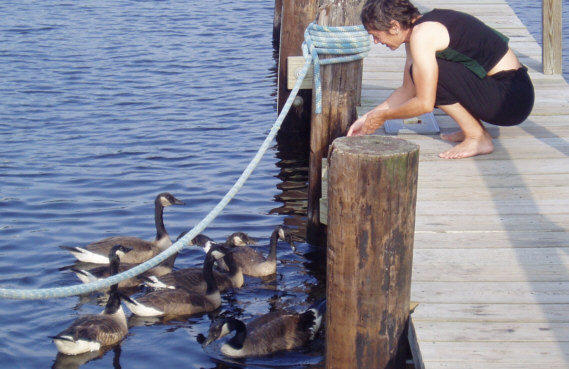
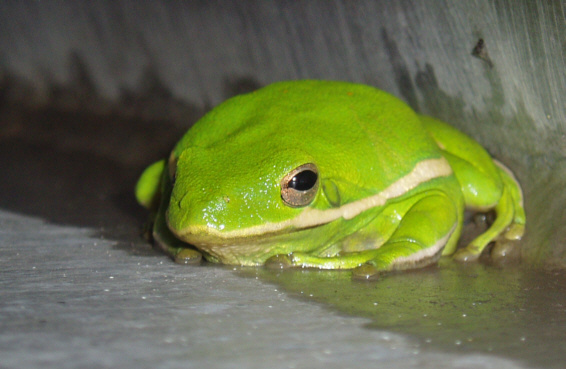
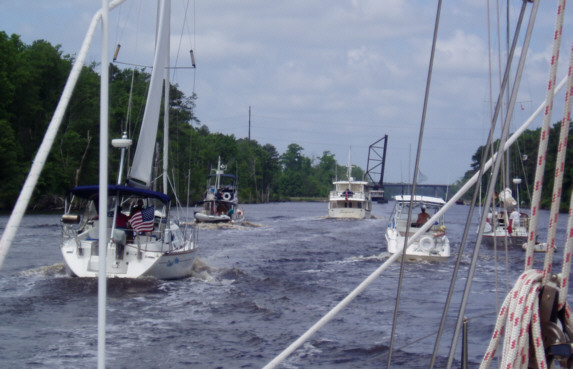
For days our journey led us further north, unfortunately mostly under engine power. Sometimes we also spotted the characteristic baldcypress trees on the shore, whose roots spread out to support themselves in the shallow water. A dense carpet of yellow water lilies partly covered the shore areas. The primeval forest sometimes seemed impenetrable and the water had now turned coffee brown. Alligators were supposed to live here too, but unfortunately we did not spot any. Instead, snakes swimming in the water crossed the course of our MOMO. On the many fallen tree trunks, whole colonies of water turtles enjoyed the warming afternoon sun. A large number of ospreys nested on the stumps of broken cypress trees. In the evening we anchored, usually just the two MOMOs alone, in one of the many narrow side arms. Thousands of frogs croaked and various mysterious bird calls could be heard. Sometimes our anchorage was almost a bit eerie and mystical, but always completely wild and very romantic.
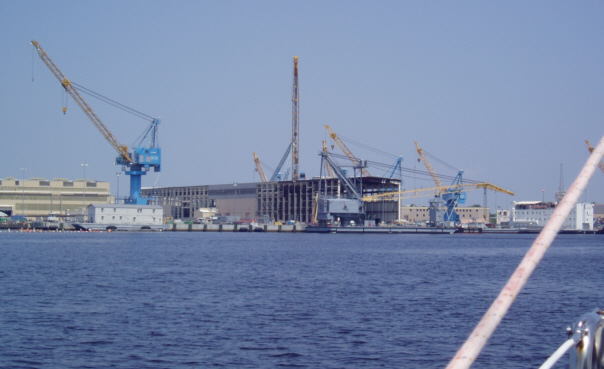
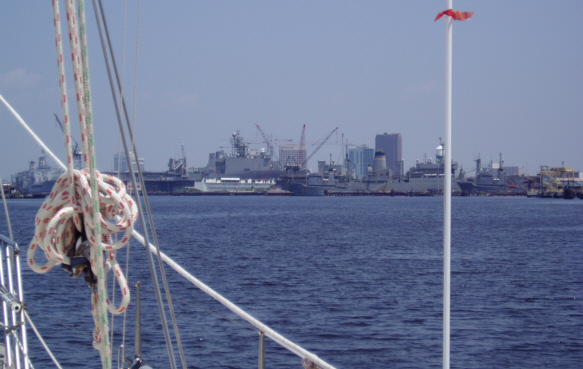
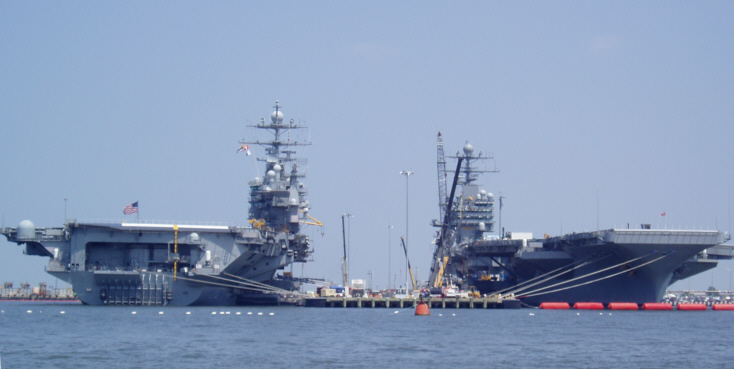
Suddenly the landscape changed. Abruptly, the natural surroundings were gone. Industrial buildings, boat yards, large marinas, and of course the overpowering US Navy dominated the shoreline. How small we actually are with our MOMO became vividly clear to us once again as we passed behind two medium sized aircraft carriers. Here we were also confronted, for the first time on US soil, with the US Army's fear of terrorist attacks. Every military boat stationed in the ports, including the aircraft carriers, was closely guarded by constantly patrolling small military boats. Large signs prohibited navigating the water closer than 200 meters to the warships. Military aircraft circled continuously in the air over the area. The transition from the still "unspoiled" world on the ICW to the present could hardly have been starker. We crossed this area around the cities of Norfolk and Portsmouth, the southern entrance to the Chesapeake Bay, as quickly as possible.
Unfortunately, "sailing" could not be called for very often on our long ICW journey. As already mentioned, hours of "motoring" in the winding creeks were the order of the day for the most part. From time to time, this did weigh on my spirits a little. In such a moment, Wolfgang's voice suddenly rang out from our VHF radio. He had activated his creative talent for writing verse and was trying to lift my slightly depressed mood in this way.
The poem by Wolfgang Scheffner, from the German SY Momo:
Bruno is in a very foul mood, because we are still in the Intracoastal. Not only his wife, Yvonne, alone, no, also the "Momo", I mean the small one, annoy him all day long, until finally he can take no more. But then when there is red wine in the evening, he finally relents again.
First miles in the gigantic Chesapeake Bay
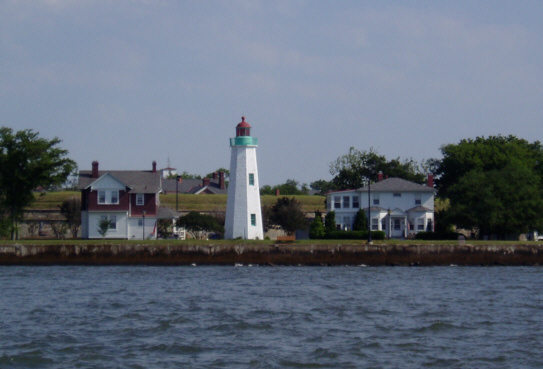
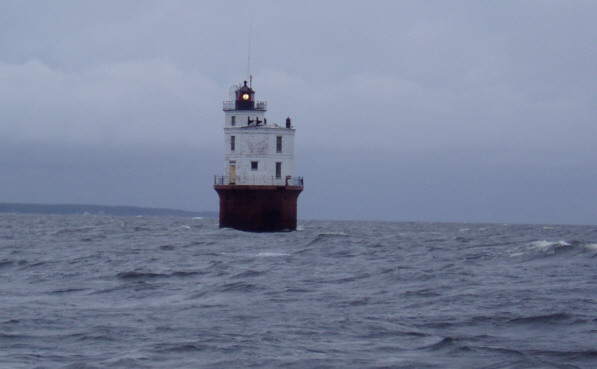
First, some details about the Chesapeake Bay, our sailing area for the summer and fall of 2005.
The Chesapeake Bay is a very large bay of the Atlantic Ocean, in the east of the American states of Maryland and Virginia. The bay is about 320 kilometers long and between 6 and 64 kilometers wide. Its connection to the Atlantic Ocean, a passage between Cape Charles in the north and Cape Henry (both Virginia) in the south, is about 19 kilometers wide. Many arms of the sea and river mouths, including those of the James, York, Rappahannock, Potomac, Patuxent, and Susquehanna rivers, shape the coast, which is rich in bays. The most important ports in the bay, which can be navigated throughout by ocean-going vessels, are Newport News, Norfolk, and Portsmouth in Virginia, as well as Baltimore in Maryland. Oysters, crabs, and other seafood are caught in larger quantities in the bay.
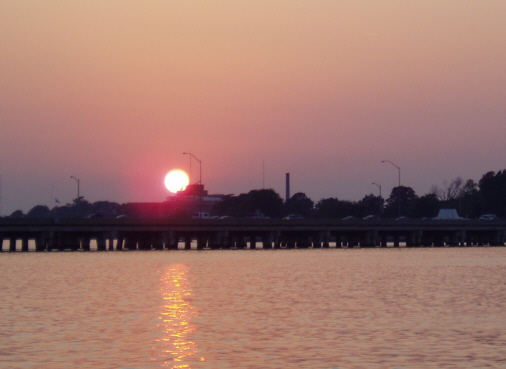
As our first anchorage in the Chesapeake Bay, we had chosen Hampton Roads. What a difference in the scenery compared to the lonely creeks of the ICW. We were able to anchor safely between a large marina and a highway. The only real disadvantage of this place was that this road was the approach to the 28-kilometer-long Chesapeake Bay Bridge-Tunnel. This motorway had been completed in 1964. It is an important road connection with three bridges and two tunnels that leads across the strait at the southern tip of the bay, between Cape Henry and Cape Charles. Accordingly, traffic here was quite busy. Therefore we sailed, yes you read that right, we sailed the next day towards Fishing Bay in Deltaville. We stayed there for a few days. Our food supplies needed to be replenished and a few minor things taken care of. The anchorage was right in front of the yacht club, which was holding its major summer sailing camps at the time. So we often had our fun when the youngest ones sailed their courses with the Optimists. Either they sailed right through the MOMO's, or the two of them were used as buoys without further ado.
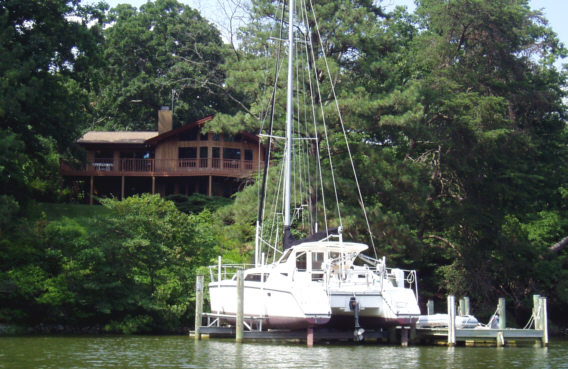
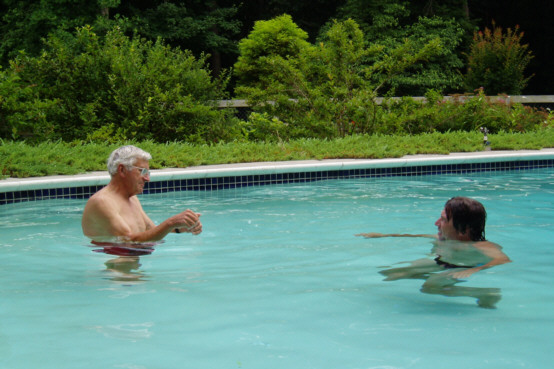
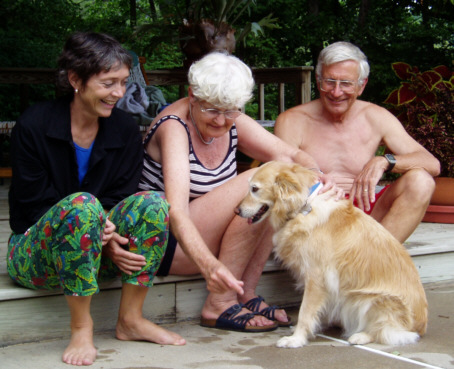
One day someone knocked on our MOMO. Renate and Hans Müller were anchored with their catamaran in the same bay and had seen our Swiss flag. The joy of the unexpected meeting was mutual. During the evening chat, it turned out that the two of them lived not too far from here. Without hesitation, we gladly accepted their invitation to visit their home.
Thus, our next destination suddenly was: Great Wicomico River. The German Momo had booked a dry dock in Cambridge and wanted to take her boat out of the water there for two weeks to do urgent work. So we continued sailing alone again and were very curious about what we would find at Renate and Hans's place. What we then got to experience with the two of them far exceeded our expectations. Their large property with the cozy house and the huge garden is idyllically situated right on the water. We were allowed to spend three eventful days with them, featuring very interesting conversations and excellent cuisine, use their entire infrastructure, and learn a lot of insider information about the Chesapeake Bay sailing area and life in the USA. Finally, we were also able to fill our two water tanks with very good drinking water from their own spring. When saying goodbye, we had to promise the two of them to visit them again in the fall on our trip back south. Of course we did that with great pleasure and are already looking forward to the reunion today.