Fiji
Qamea and Rabi
Qamea, first impressions and visiting the school
After an eventful time in the Lau Group, it was time to say goodbye once again. We sailed overnight to Naiviivi Bay on the island of Qamea.
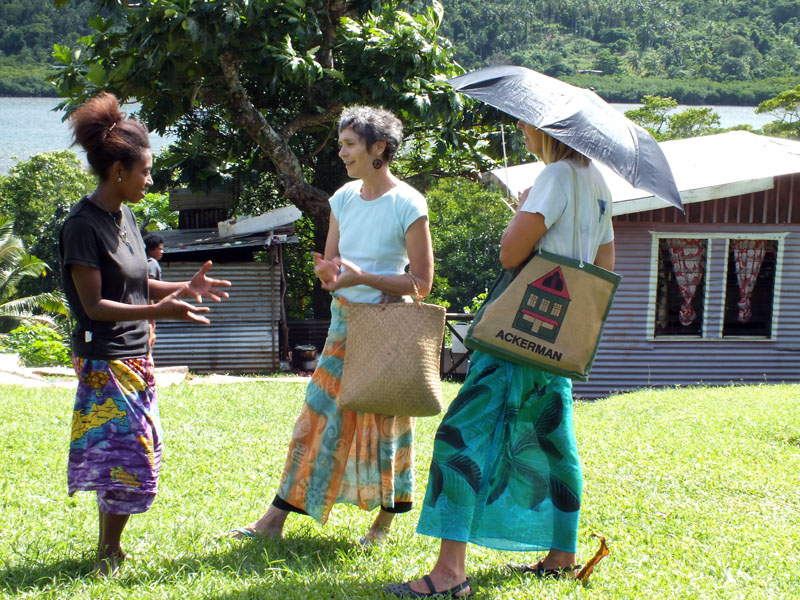
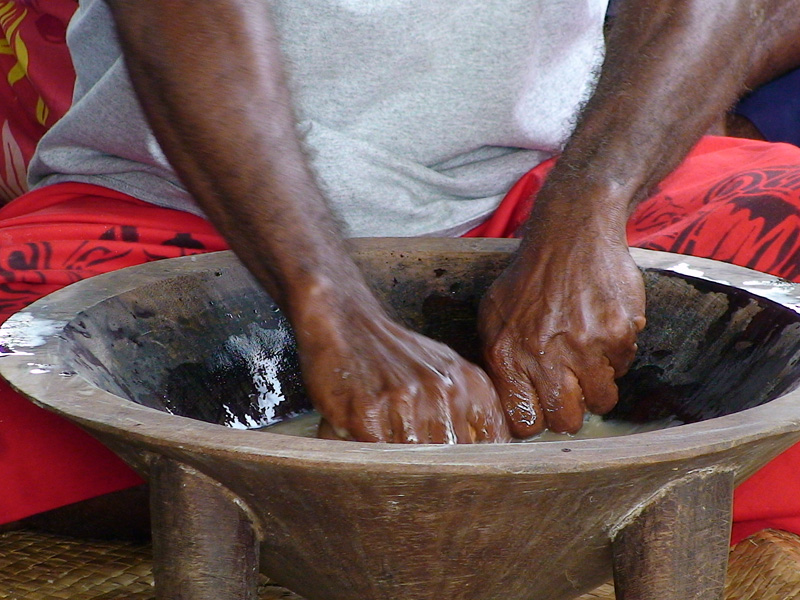
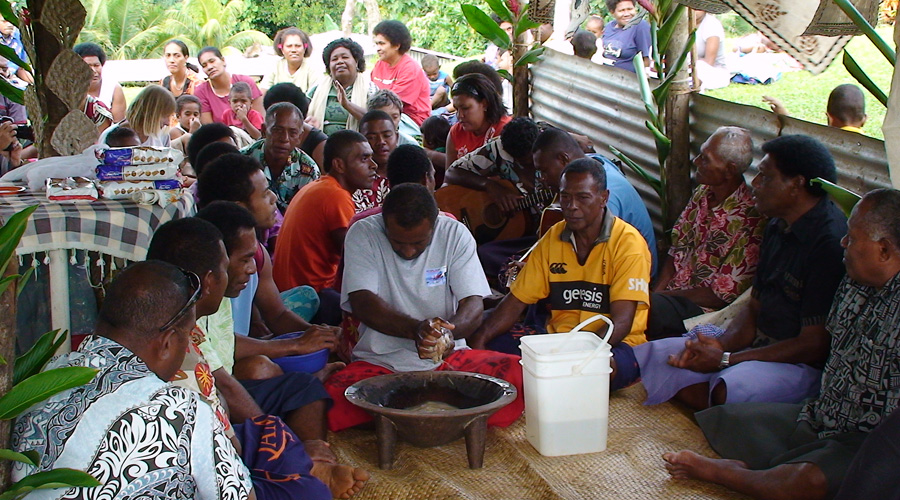
As is customary here in Fiji, we visited the chief in the small village of Vatusogosogo the following day, together with Rita and Ulli, and performed our obligatory sevusevu. Moses, the chief, welcomed us warmly, gratefully accepted the bundle of kava, and showed a great deal of interest in our gypsy lifestyle, also wanting to know quite a bit about our home countries.
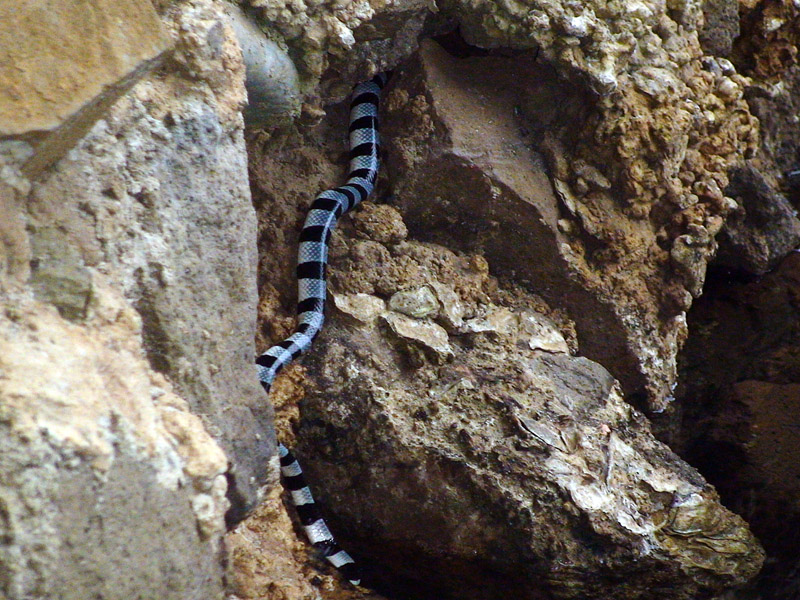
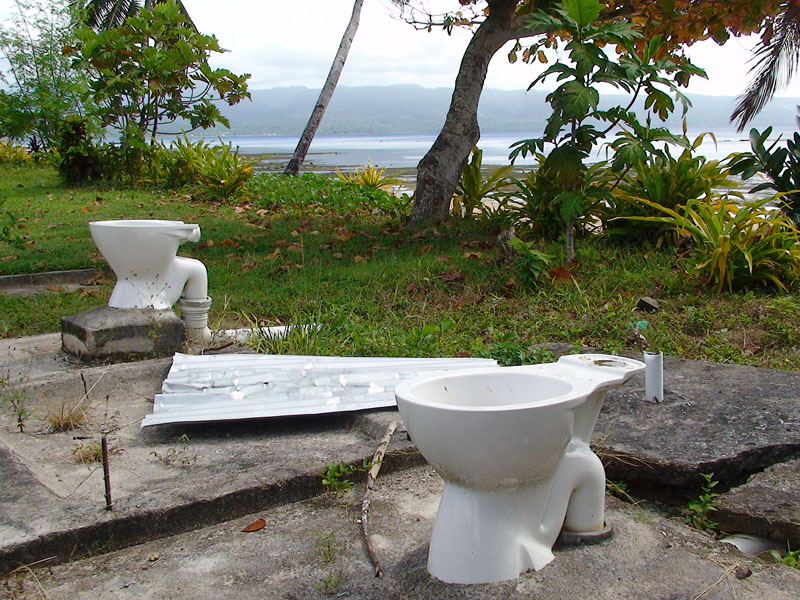
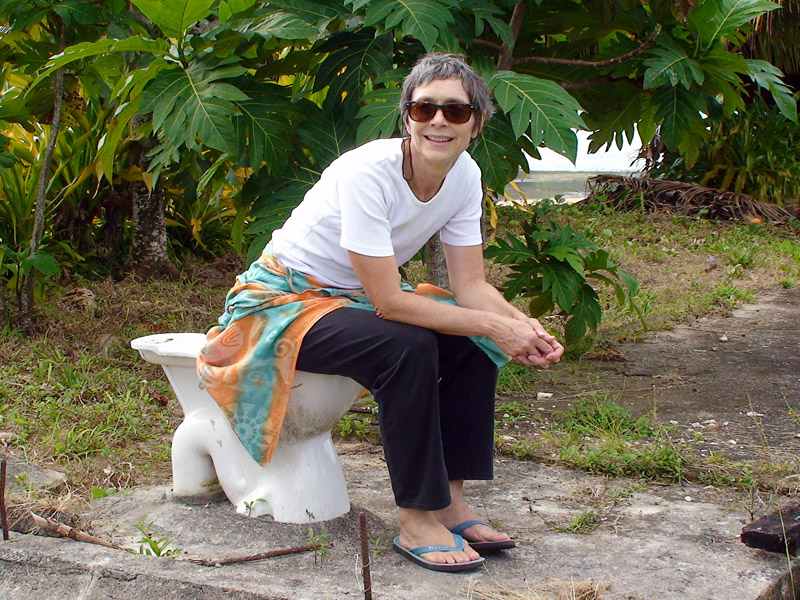
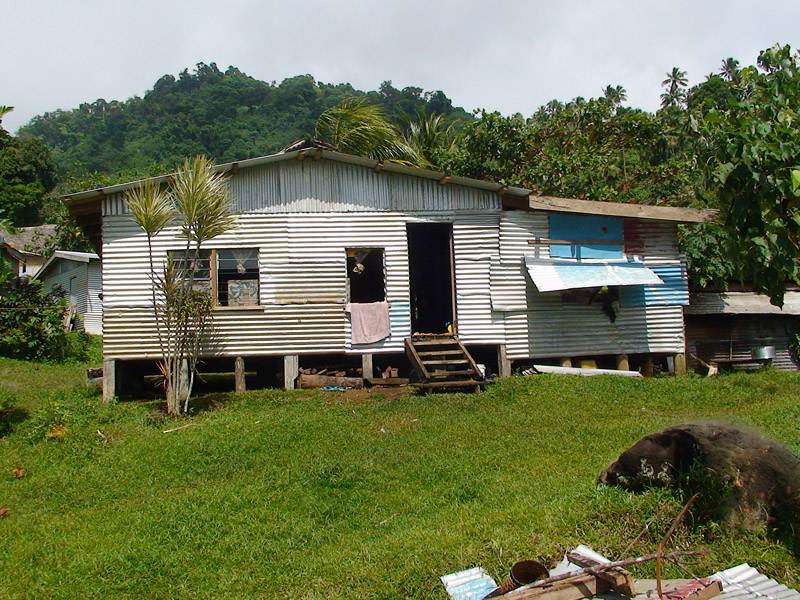
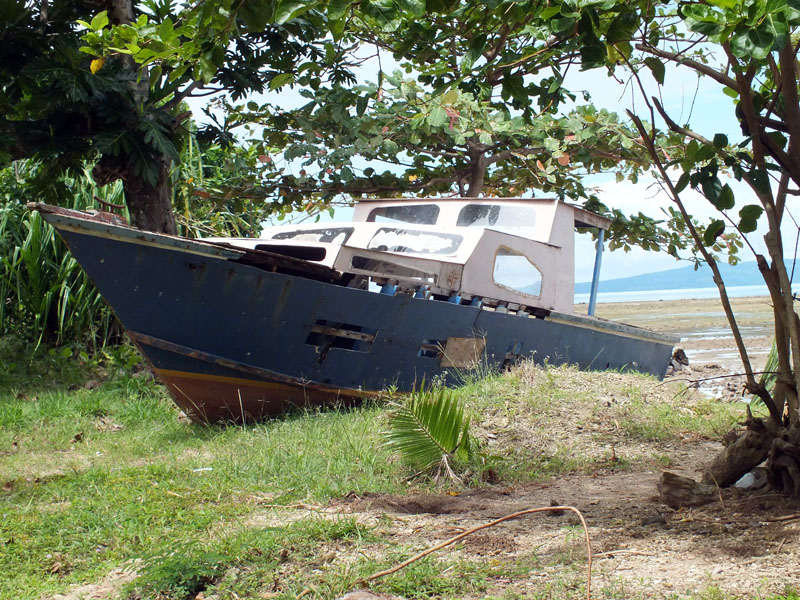
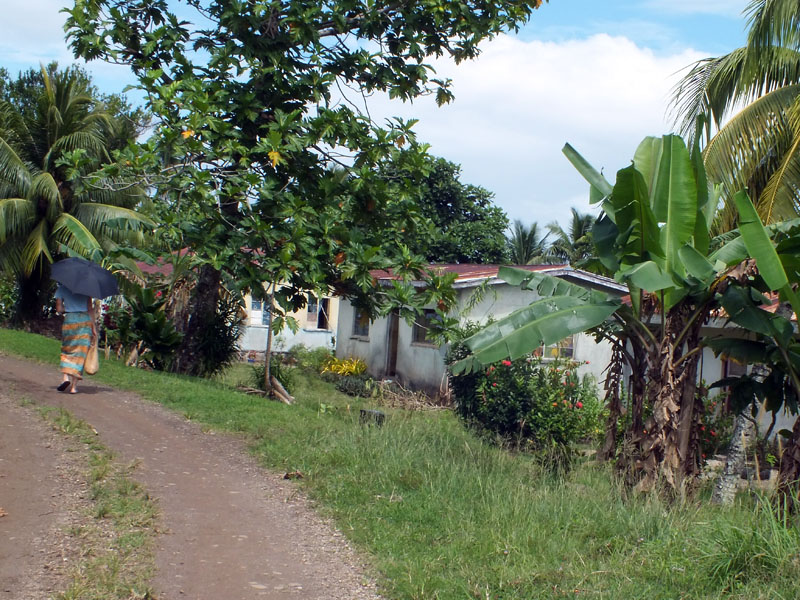
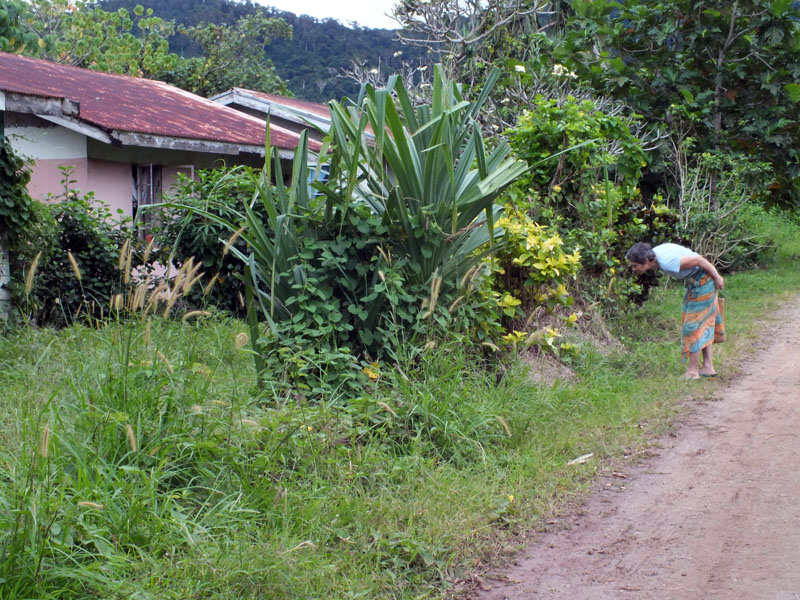
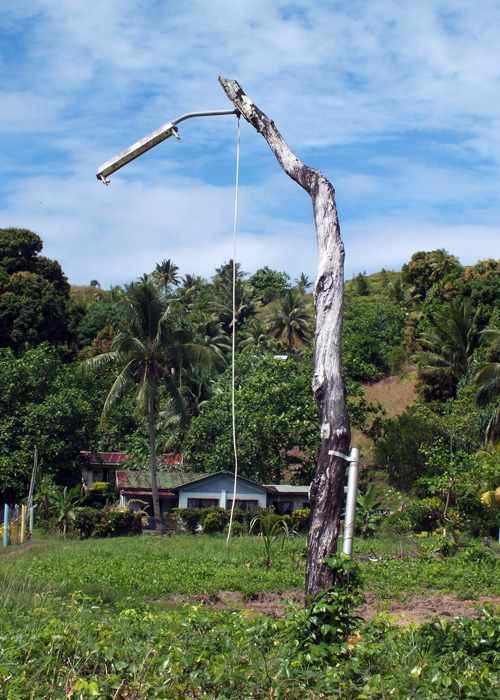
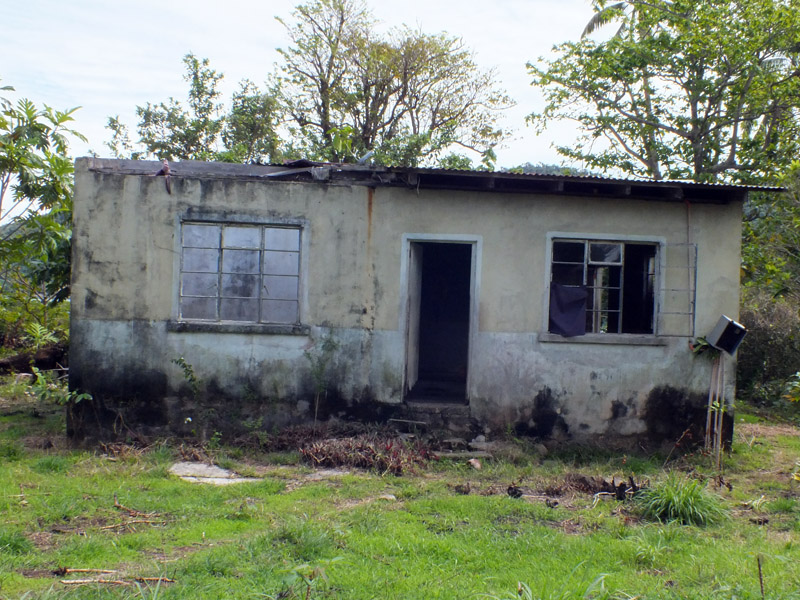
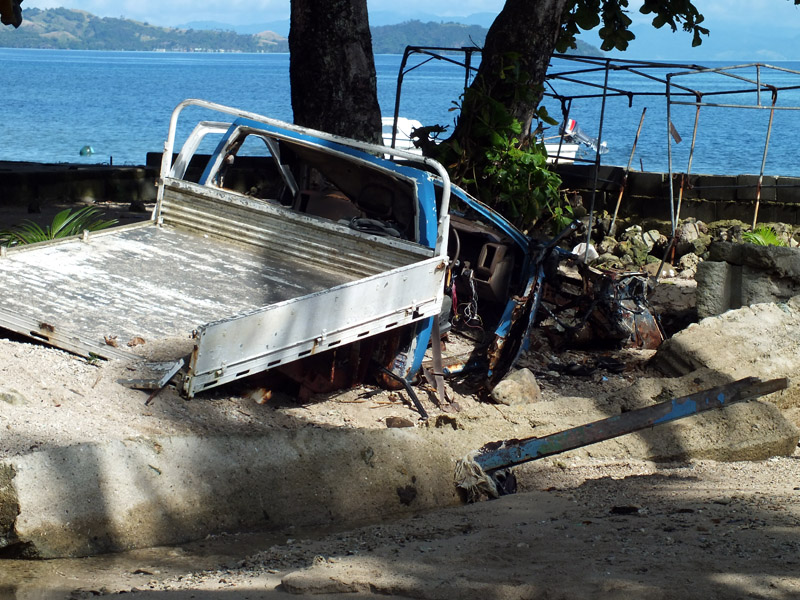
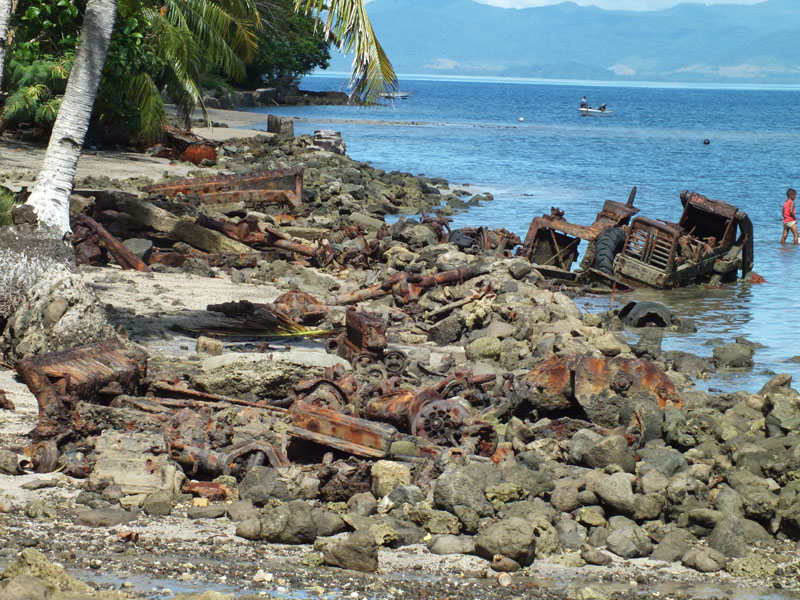
Here, too, we naturally visited the school again and brought along our school books, paper, and ballpoint pens. The path from the boat to the schoolhouse was full of surprises. Venomous snakes and, since Hurricane Thomas, houses that stood empty or were otherwise abandoned lined the left and right sides of the path. However, what brought a smile to our faces were two toilet bowls that were the only things left of a destroyed house, though thankfully Yvonne did not actually need to use the restroom.
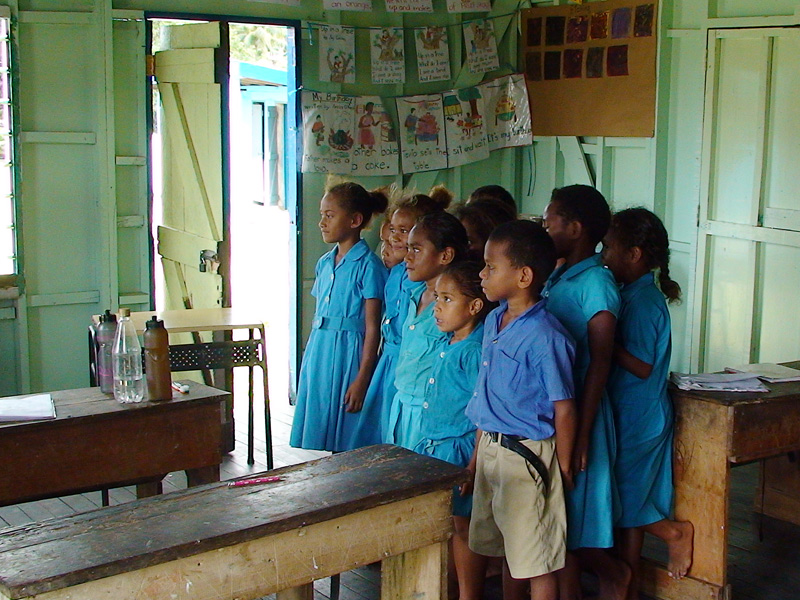
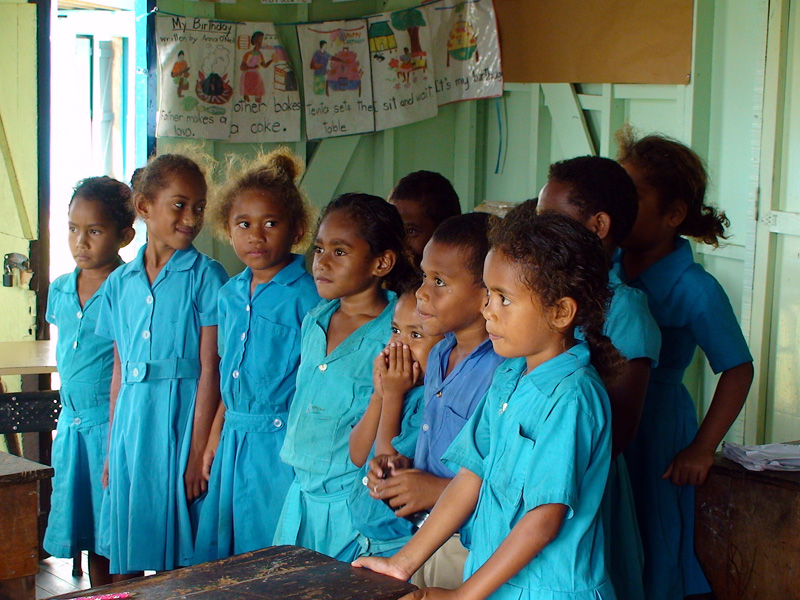
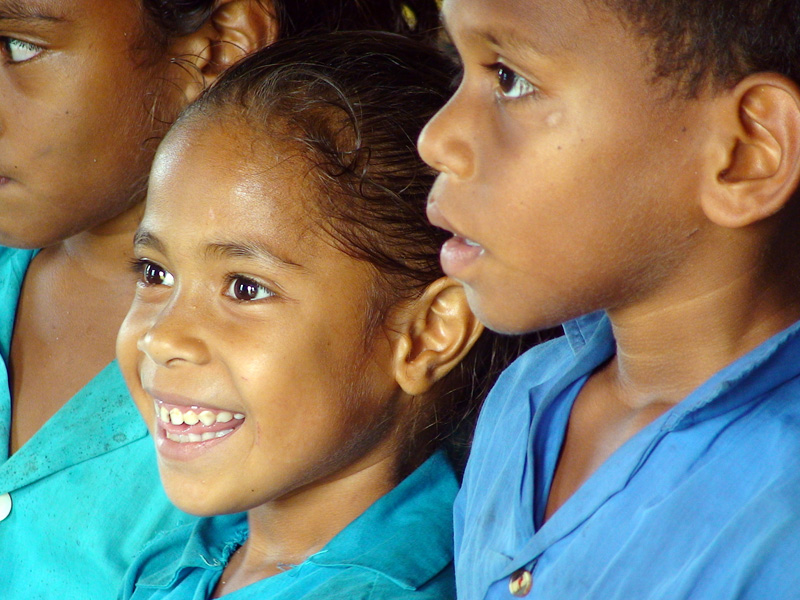
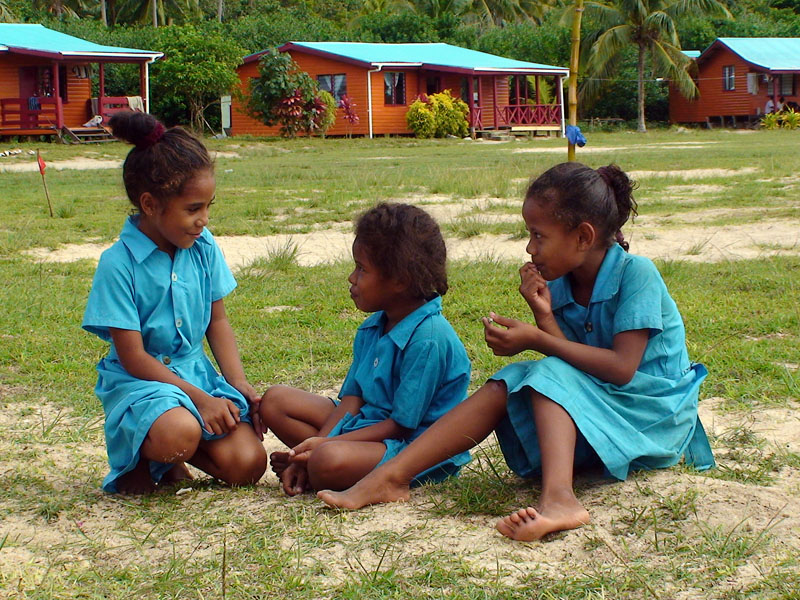
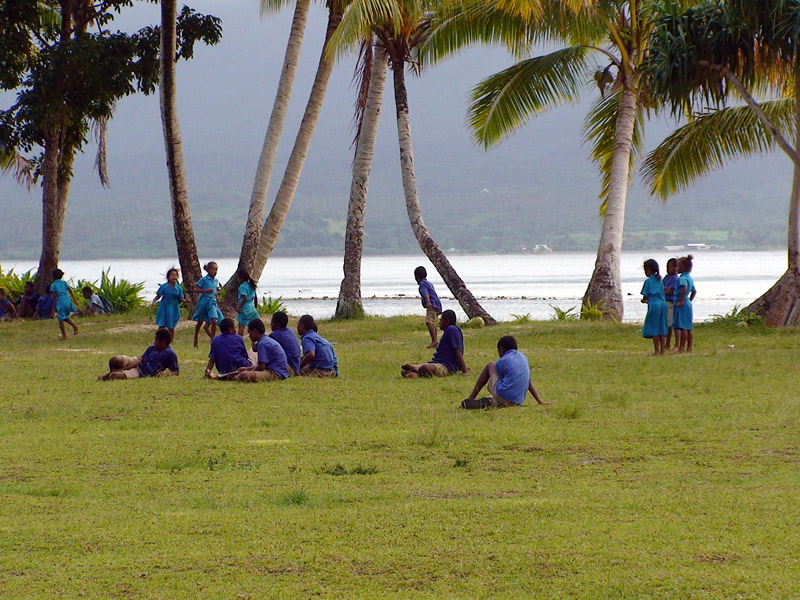
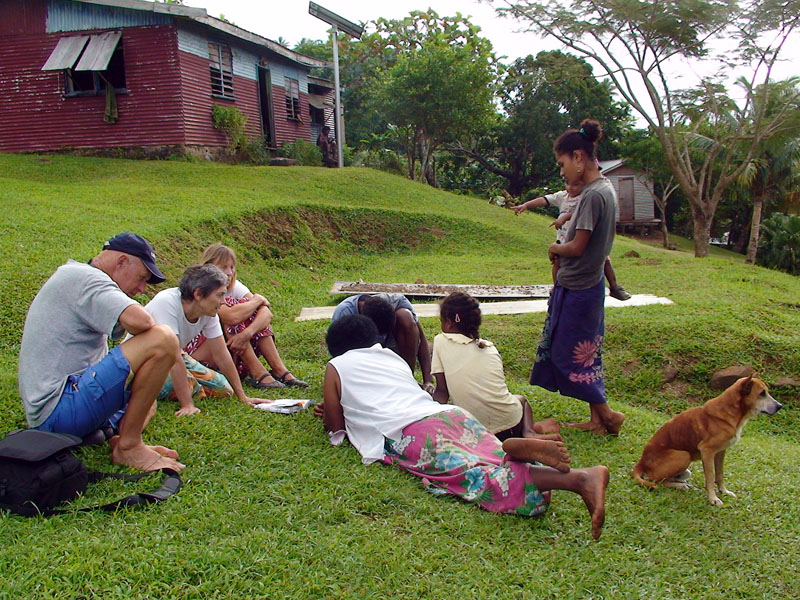
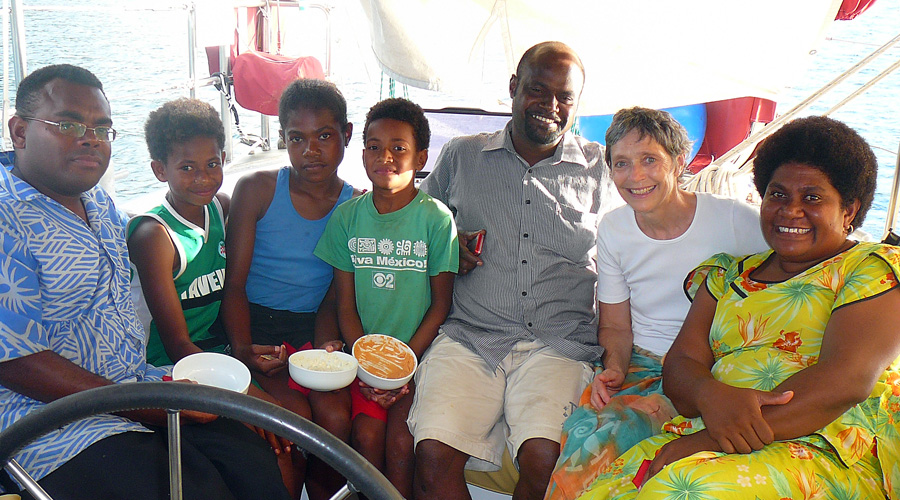
At the school, we were welcomed by Luk (headmaster and teacher) and his wife Vilo. Vilo invited us into the 2nd grade class and we were allowed to sit in on the lesson. A poem was recited in English and a test was written. Most of the little kids still struggle quite a bit with this foreign language, but here too it is of course the gateway to the wide world, or at least a small chance at a job. Luk, Vilo, and the family visited us the next day on MOMO. They really wanted to see the inside of a yacht. They were very interested in our way of life, and we showed them photos of the construction of MOMO and of course many pictures of Switzerland. During the small snack, they tucked in heartily and marvelled at the rather unfamiliar flavors for them from the MOMO galley, yet everything was eaten up in no time and even the children were not picky at all.
Qamea, party
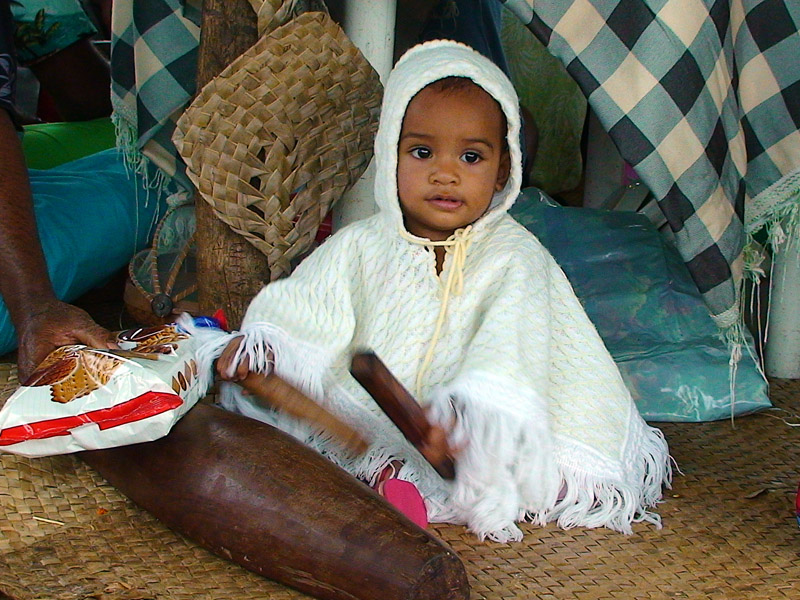
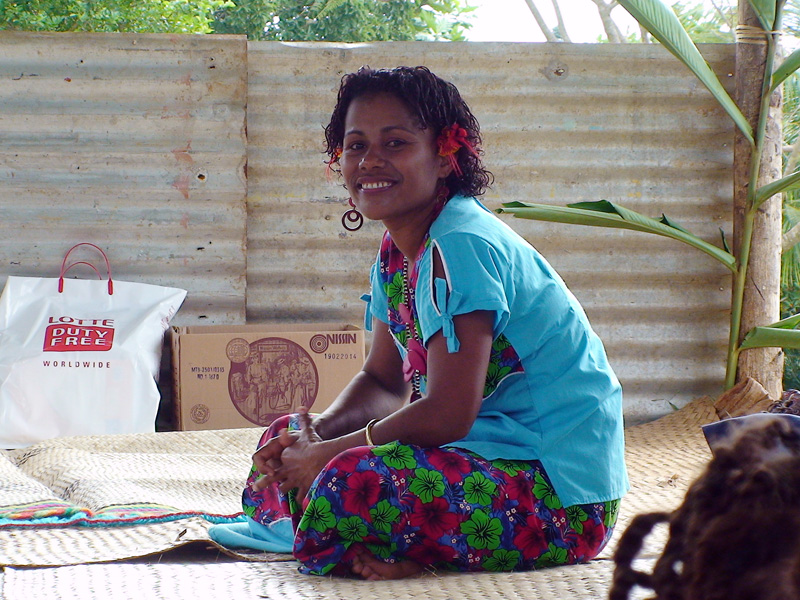
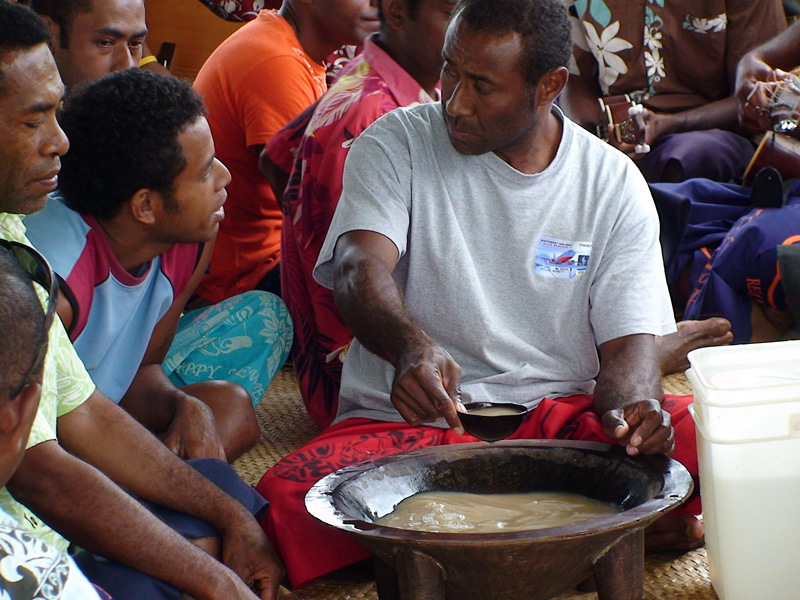
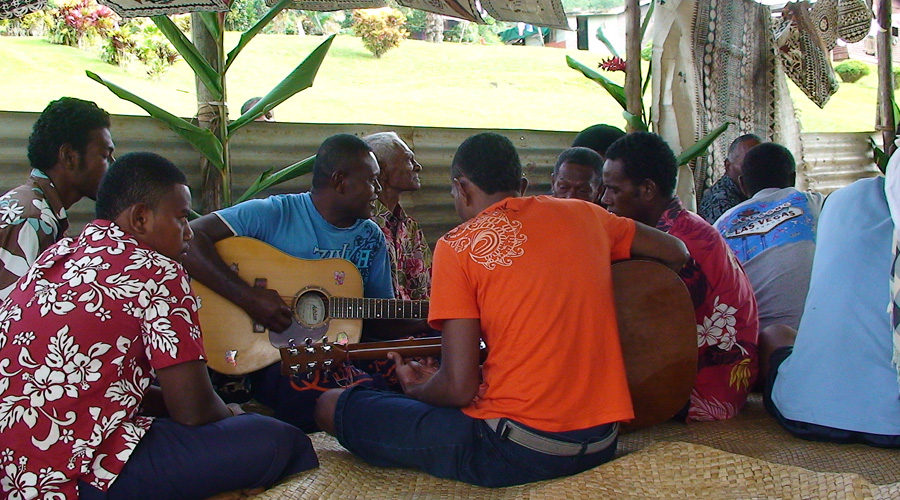
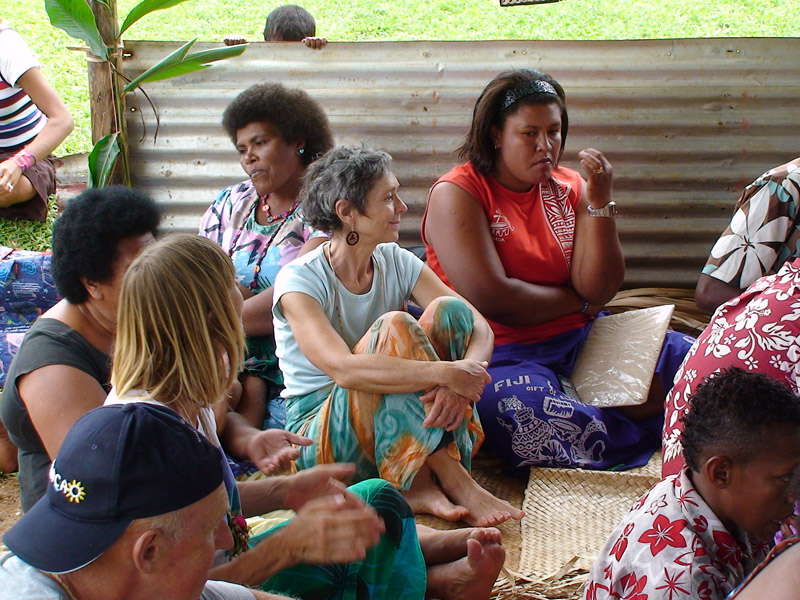
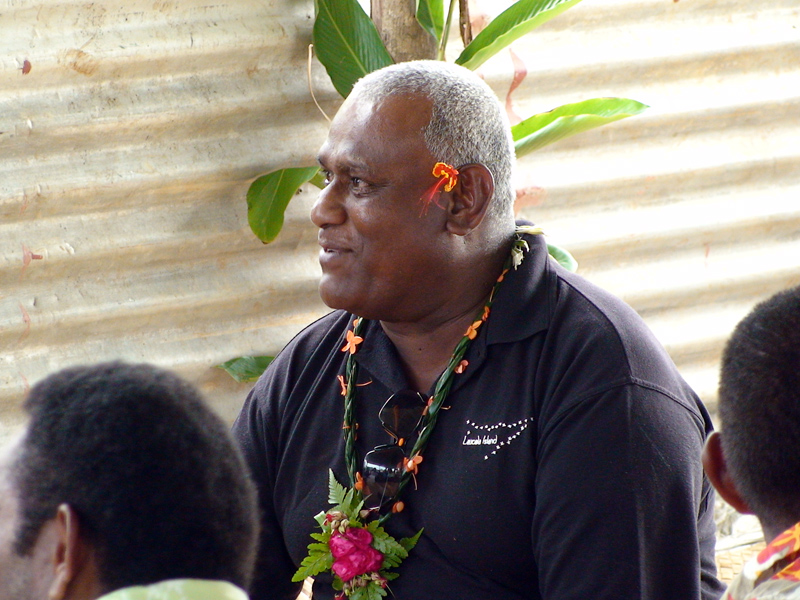
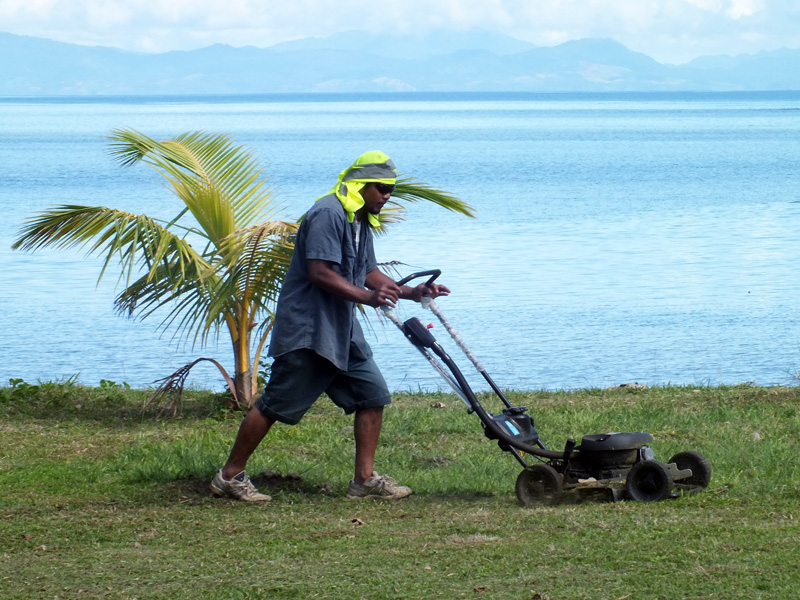
Since we now also belonged to the village community, we were allowed to participate in a small event in the afternoon. In the village itself, grass was still being frantically cut and cleaned up, as a small delegation from the 7-star resort on the island of Laucala was expected. The owner of this island is Dietrich Mateschitz, the ruler of Red Bull. On the one hand, it is nice that the Fijians get some work there, but unfortunately for a very meager wage. The Fijians receive only about US $ 400 per month, and for a single night in a double room US $ 4,200 is charged, which is absolute nonsense in terms of proportion, I can only say.
The entire village now presented itself dressed to the nines and everyone threw on their festive attire. Such an official visit rarely happens here, and naturally you want to show your best side. Conversely, the residents of Vatusogosogo visit this fancy resort once a week and entertain the guests there with singing and dancing during a Fiji night. This is one of the few opportunities for the village to earn some money, and the community is now saving diligently for a new community hall.
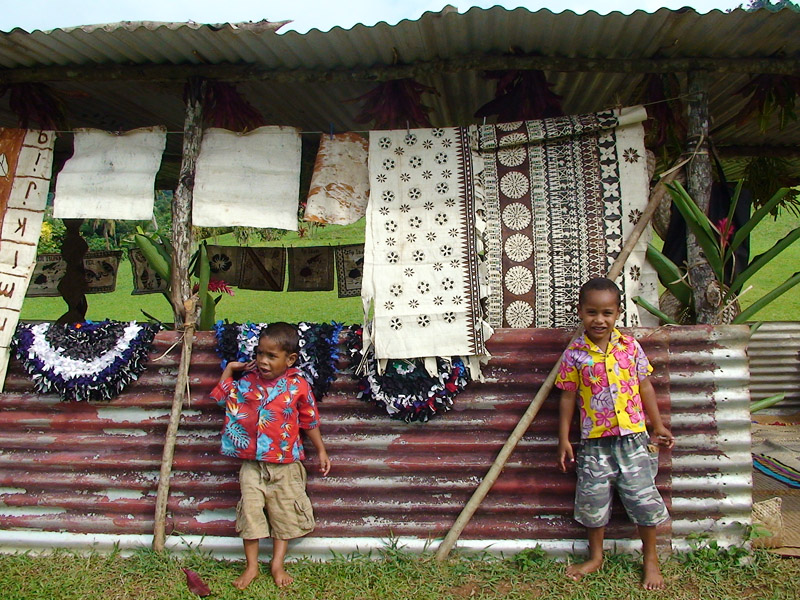
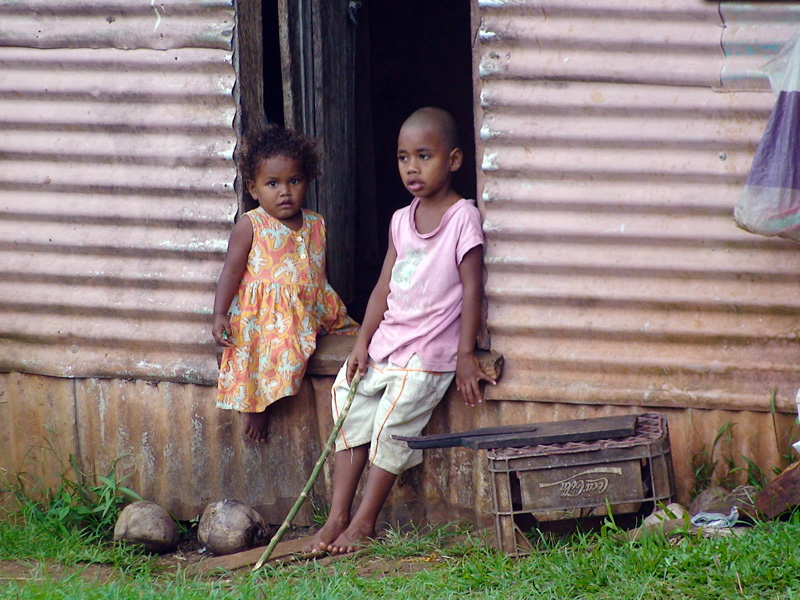
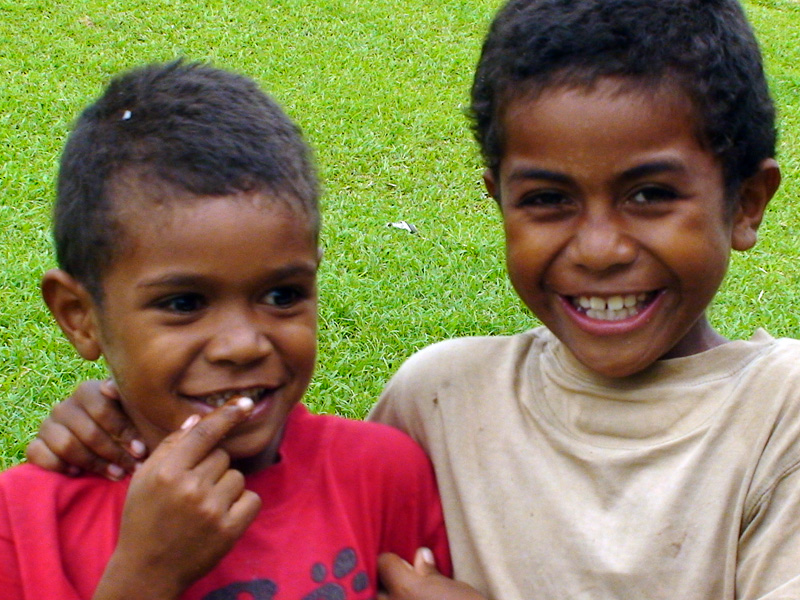
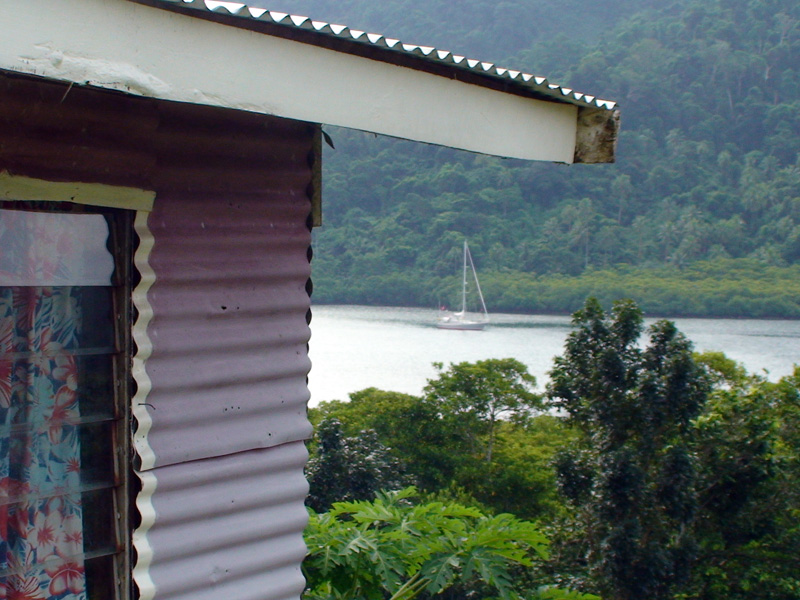
Qamea, Sunday
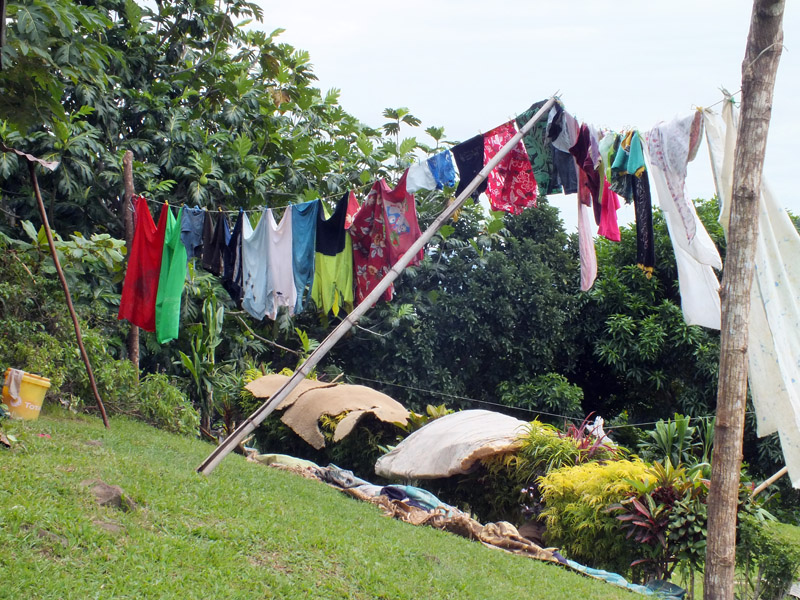
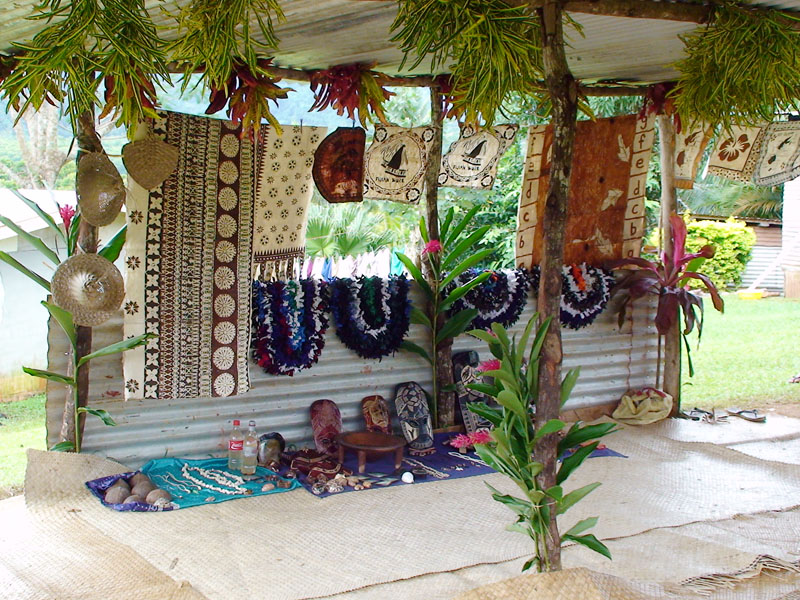
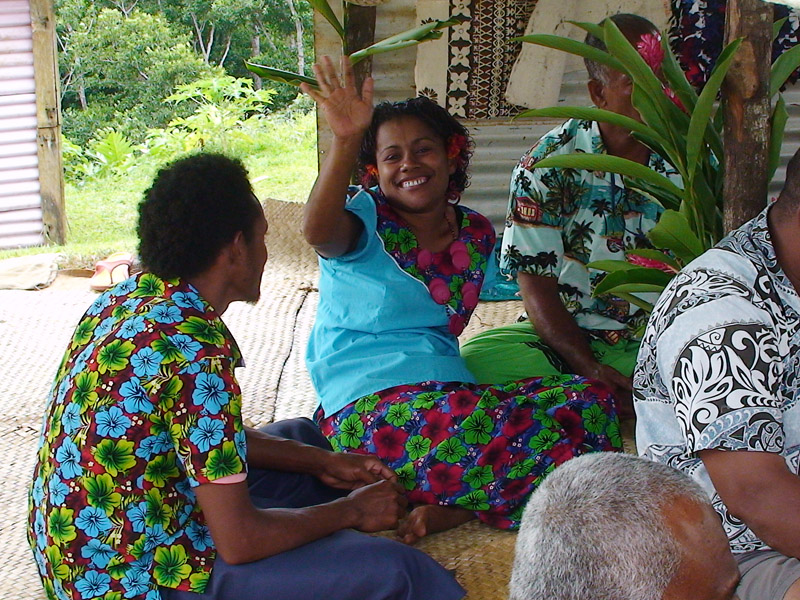
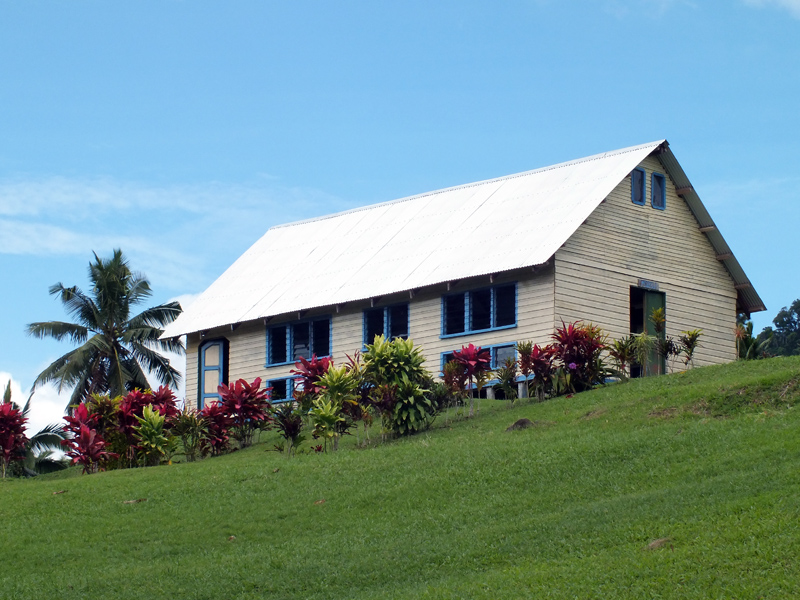
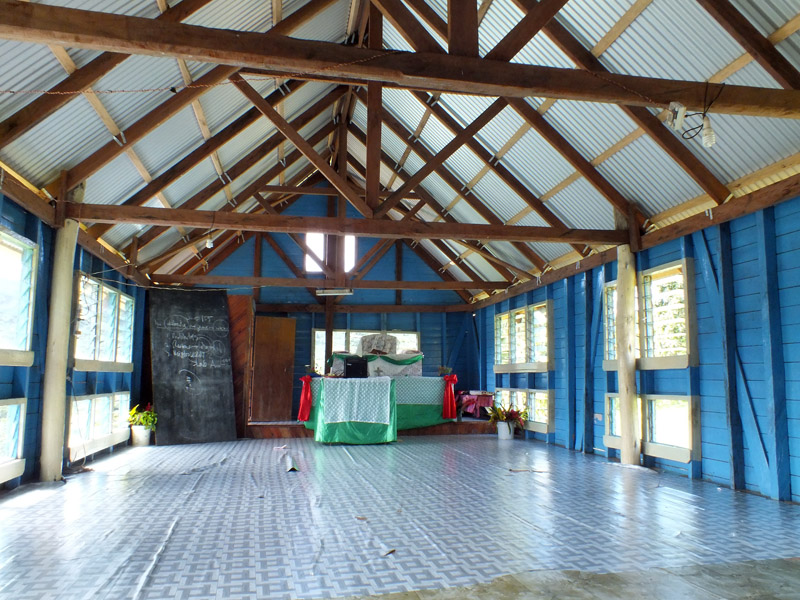
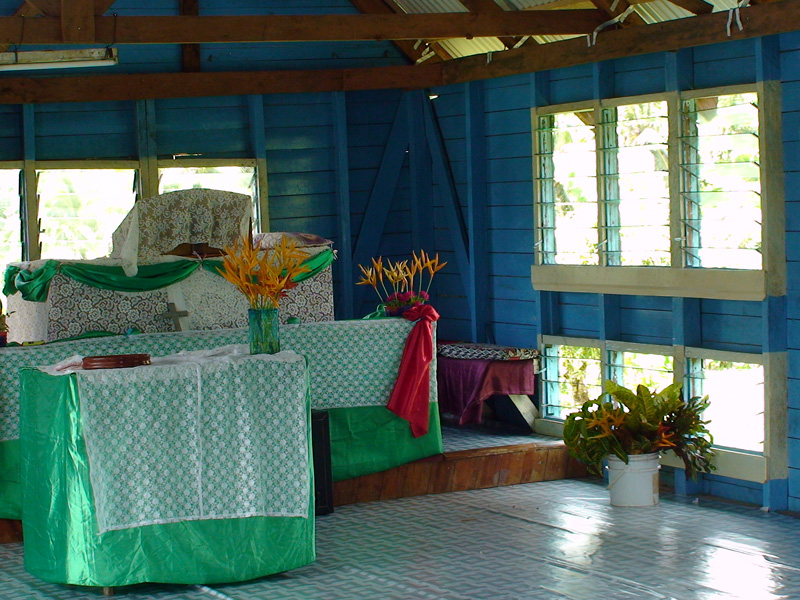
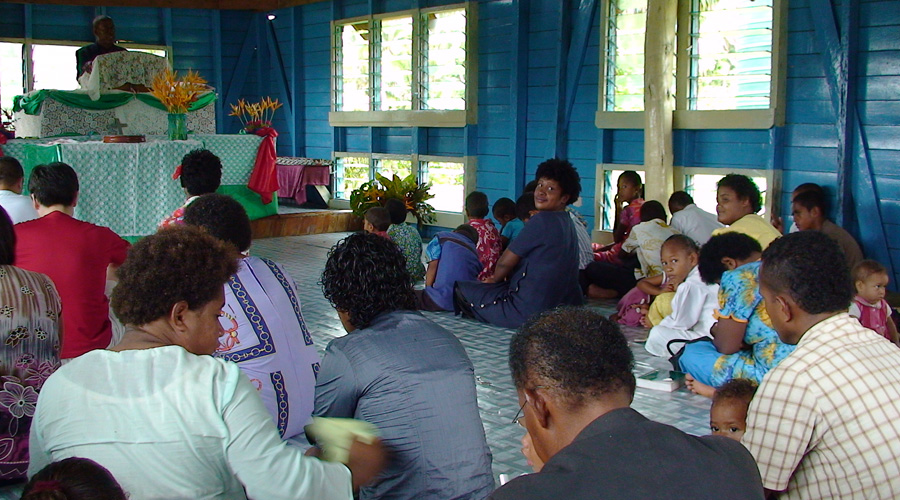
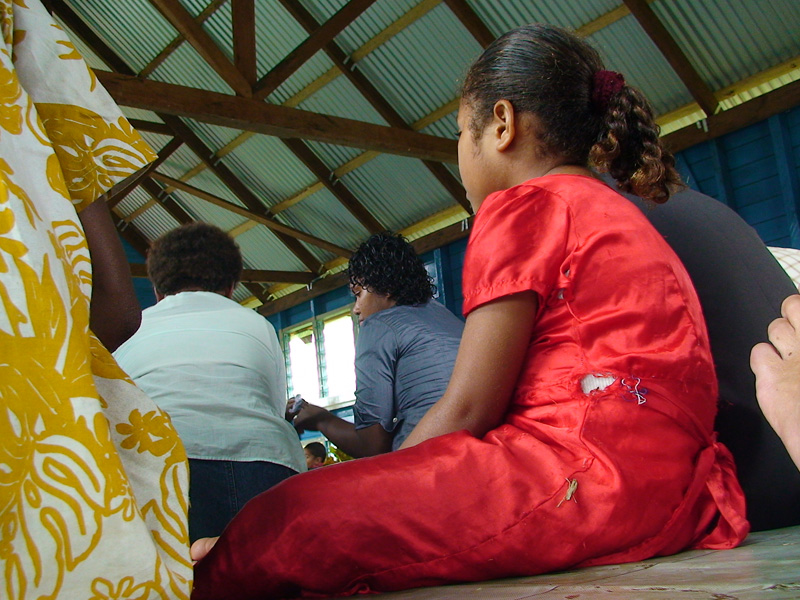
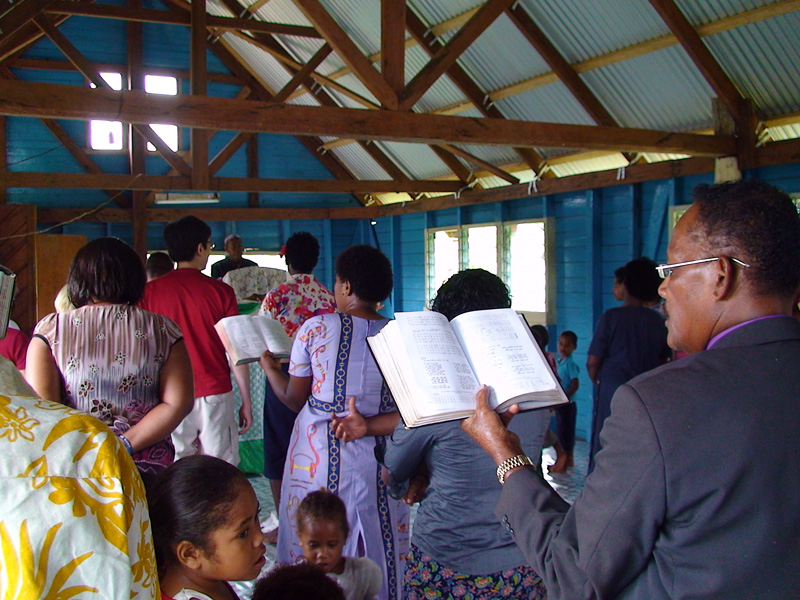
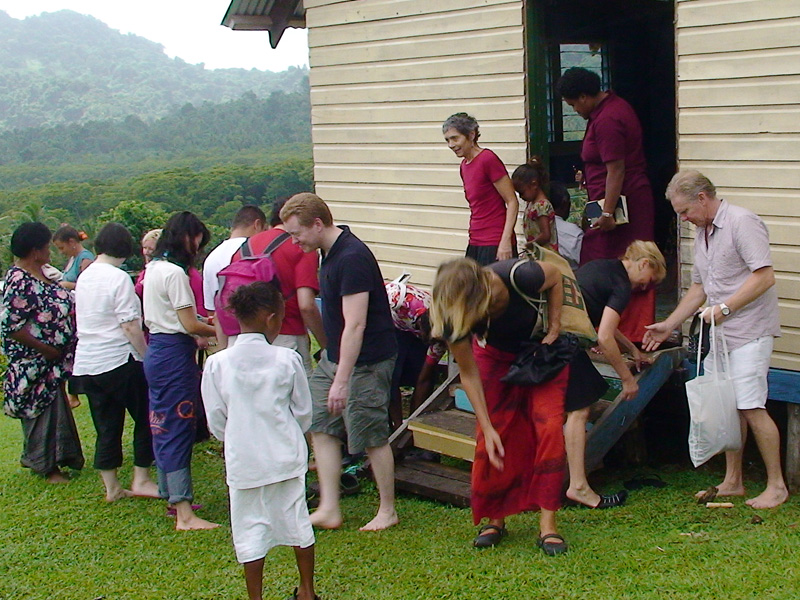
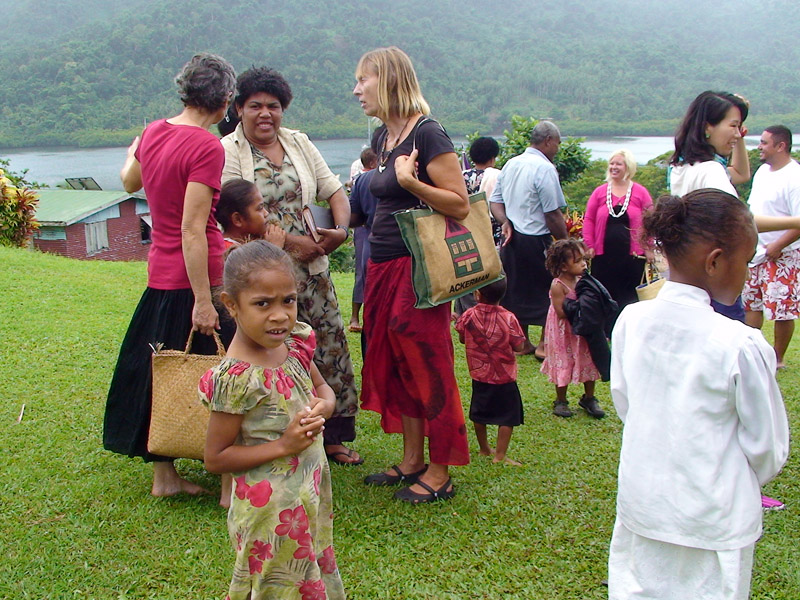
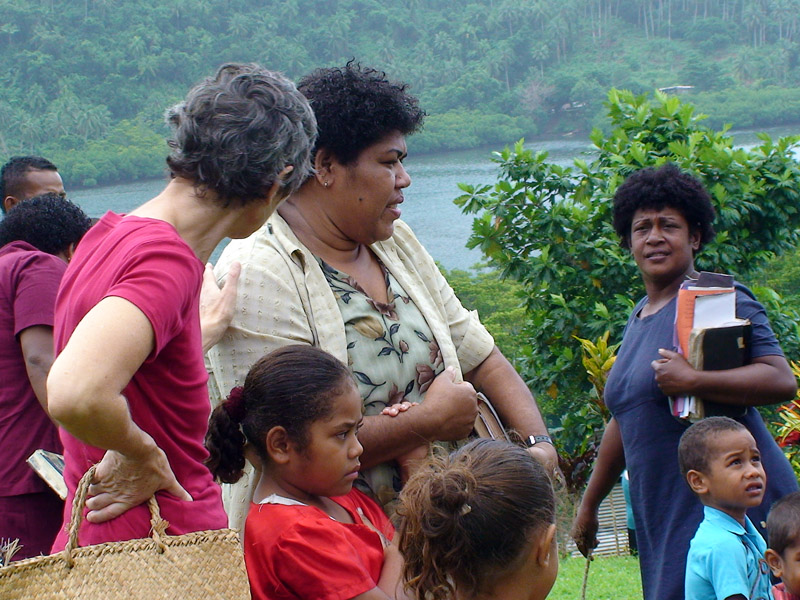
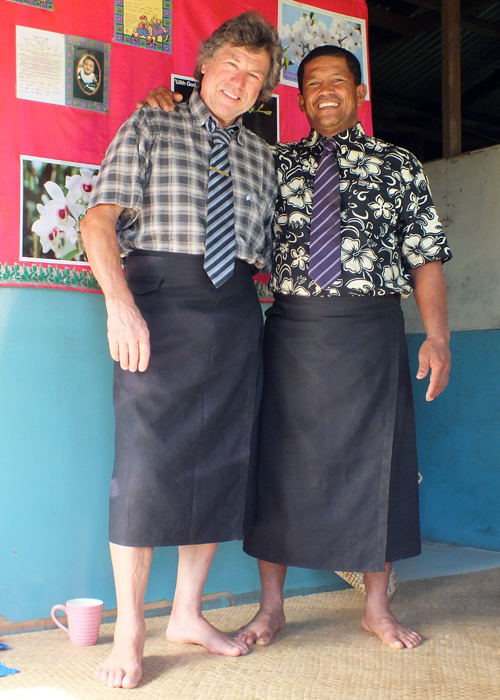
Church attendance on Sunday is the weekly highlight. Everyone dresses up nicely. The finest clothes are taken off their hangers and many a small piece of jewelry serves as extra adornment.
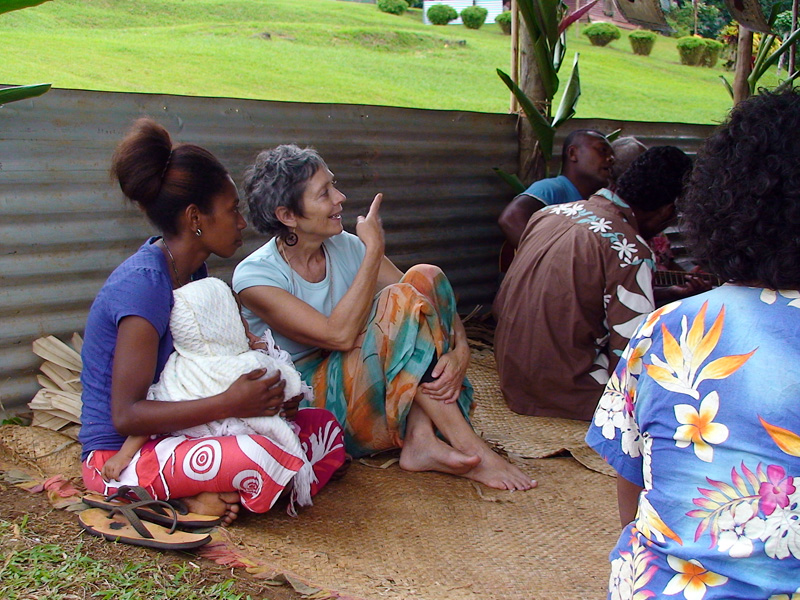
There are no benches in the church. People sit on the floor. No problem for the locals, but unfortunately for us sailors.
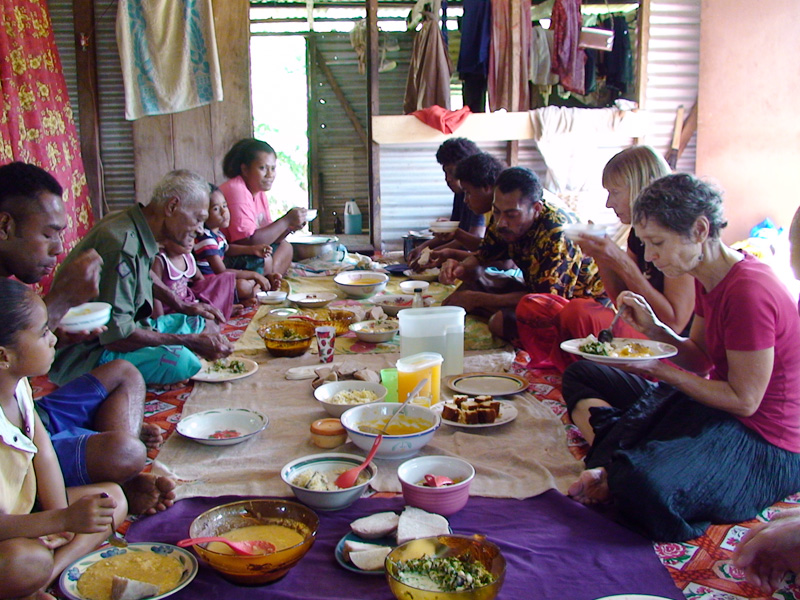
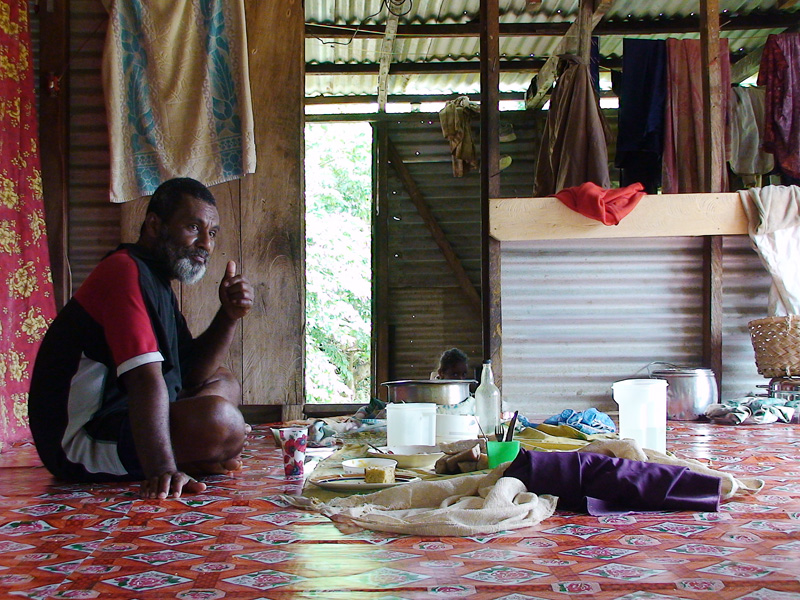
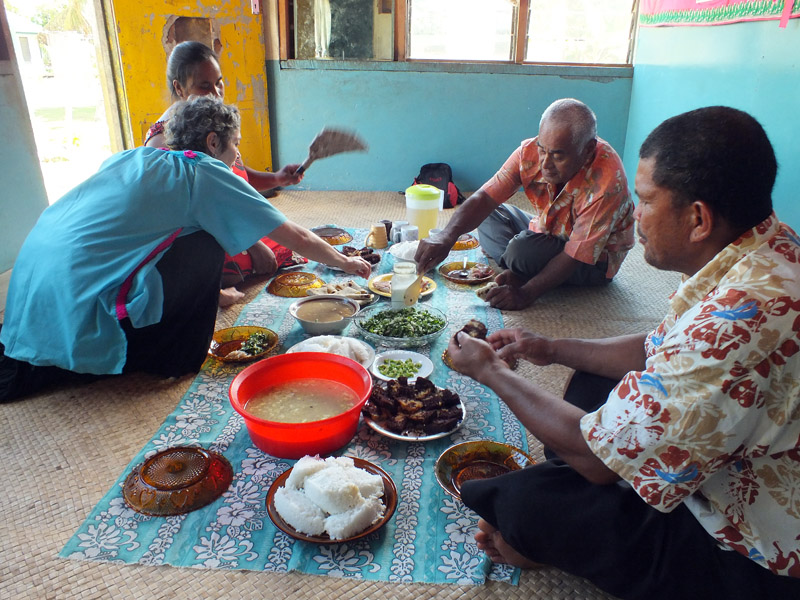
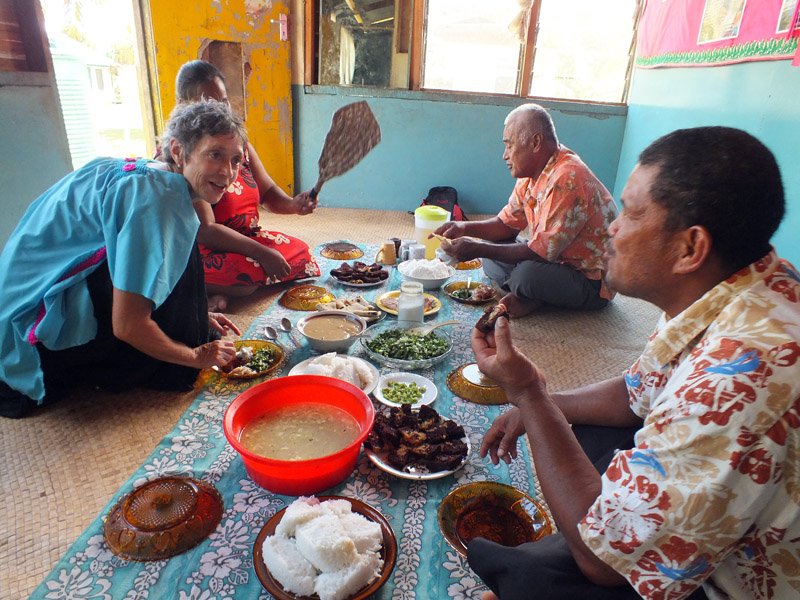
After the service, the Anni Nad and MOMO crew were invited by Serana and Jack to a typical Fijian lunch. Of course, we also made a small culinary contribution. Rita cooked a delicious pumpkin soup and Yvonne conjured up a coconut pumpkin cake from the oven. Both were very well received and the women curiously asked for the recipes. Yvonne created her cake using exclusively local ingredients and brought the requested recipe and another tasting portion along to the next women's day.
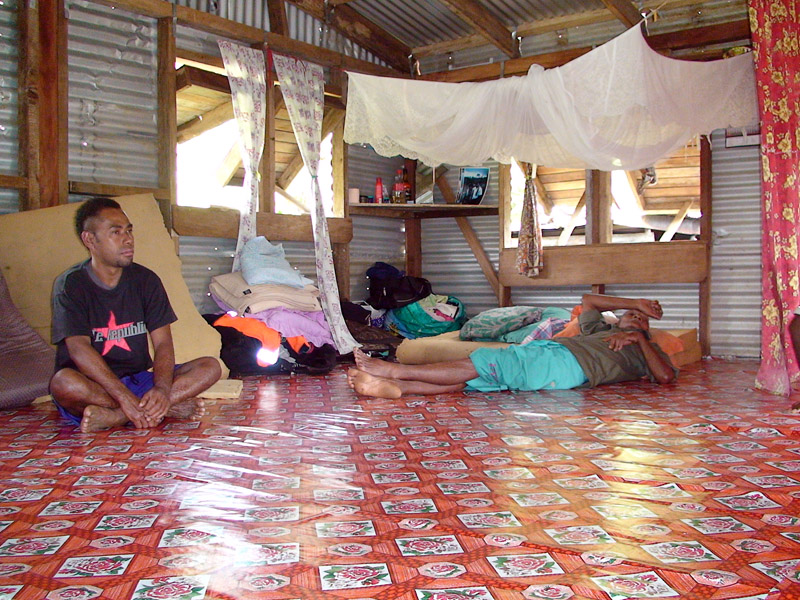
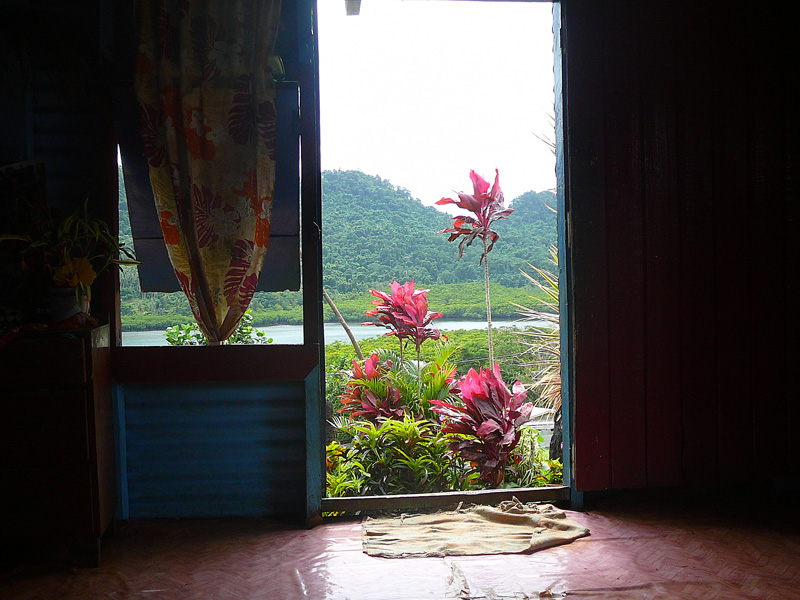
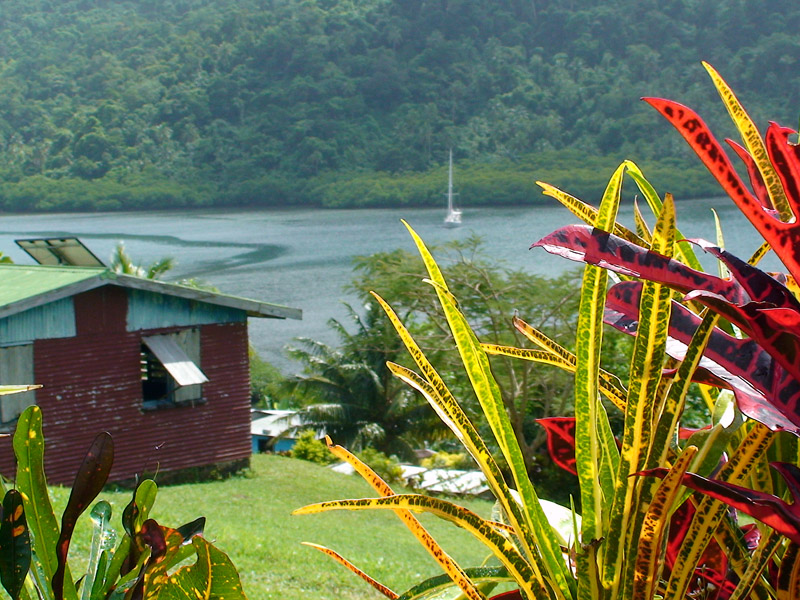
Qamea, Everyday life
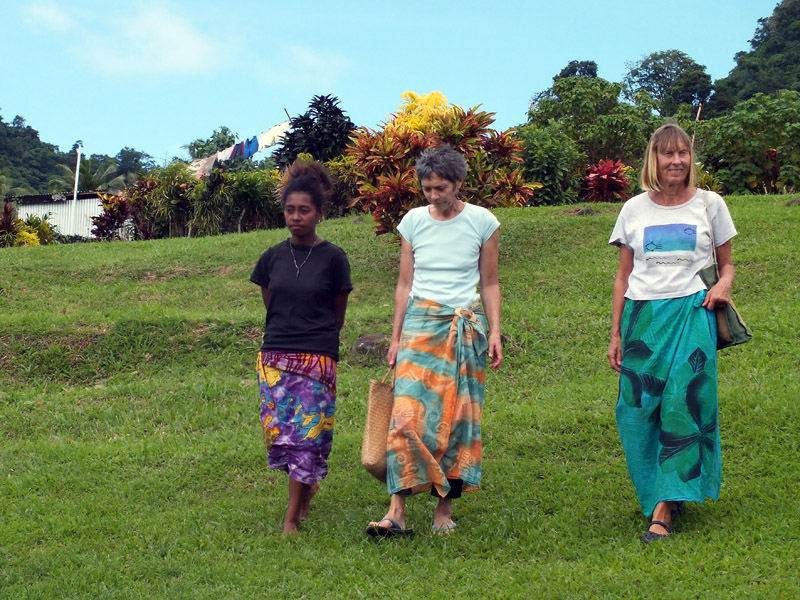
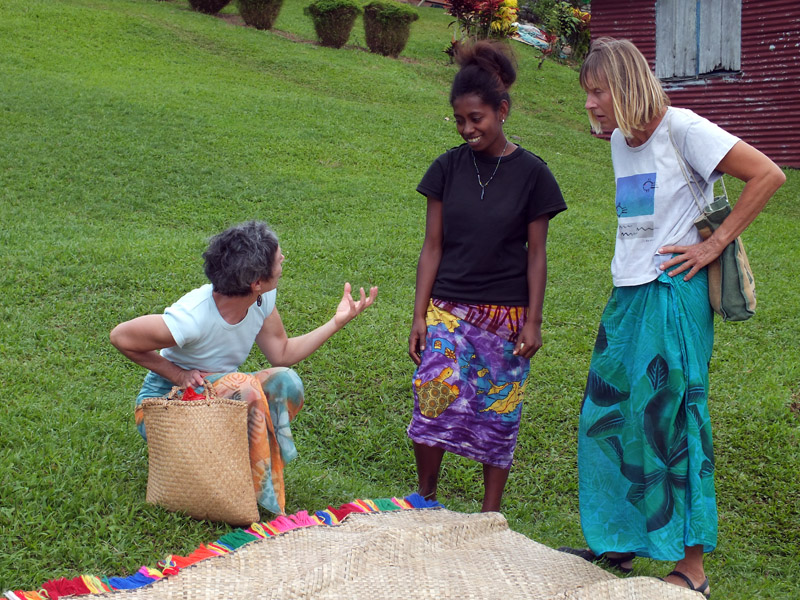
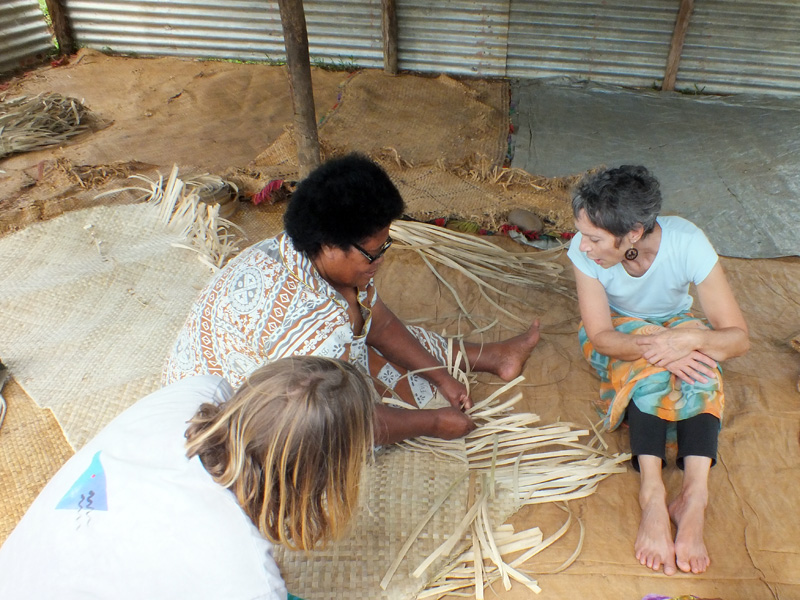
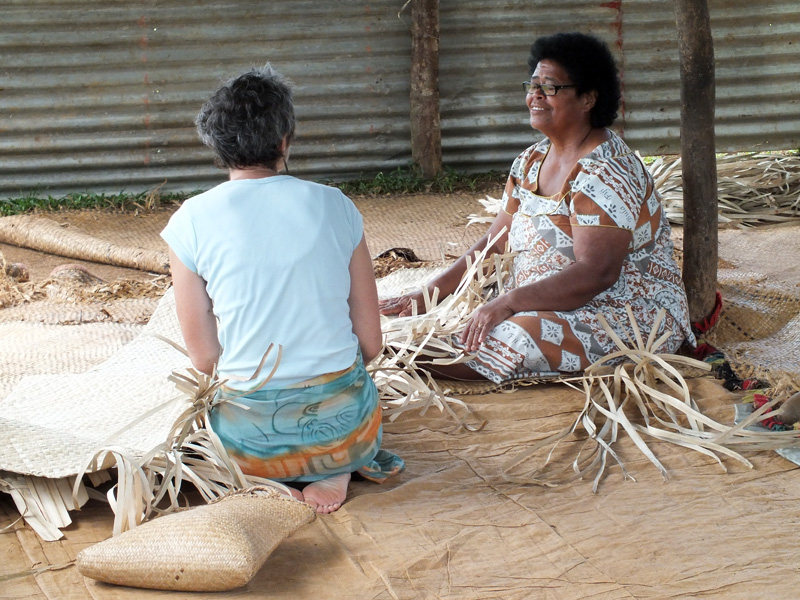
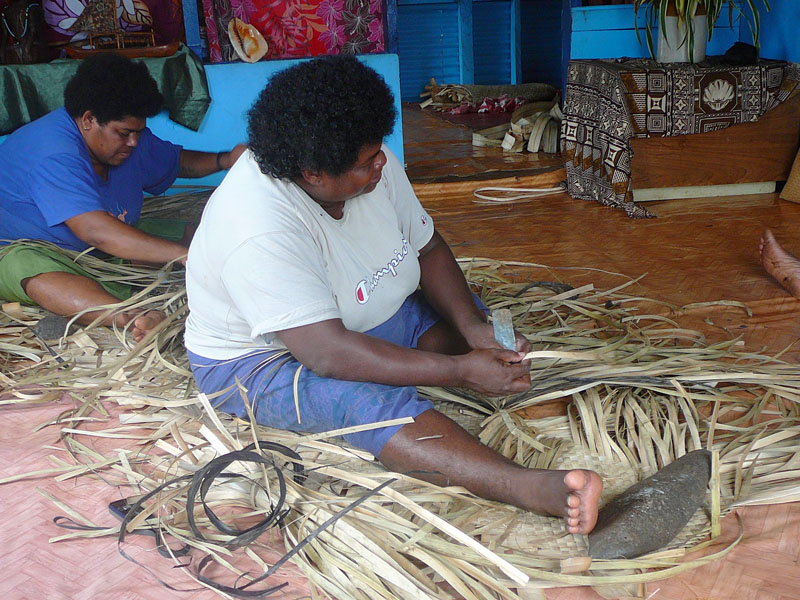
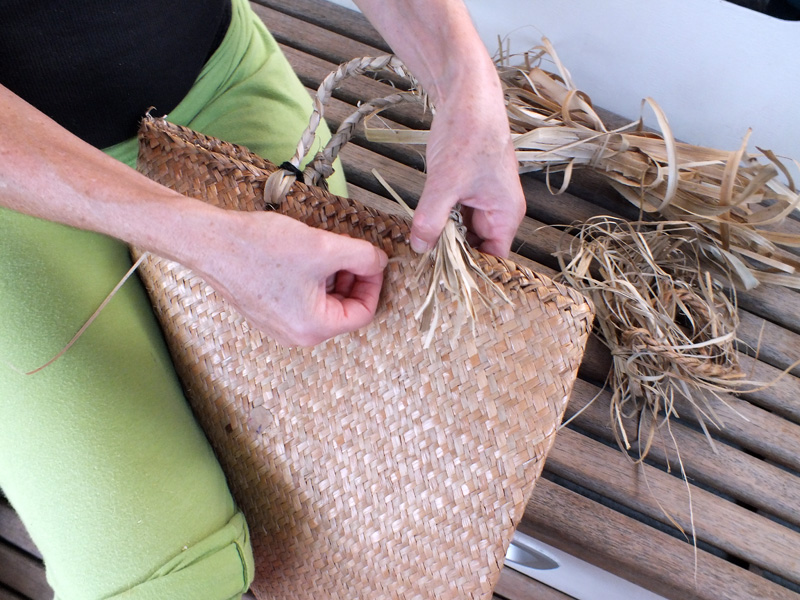
Every week, a women's work day takes place. This means that every woman without a toddler must place her labour at the disposal of the community. Since we sailors, after the sevusevu, were now known to be part of the community, it was a matter of course for Yvonne to take part in it. She had quite a bit of trouble with the exhausting coconut grating, but her manual dexterity came into its own when weaving mats. She was the small attraction of the village, a palangi who can weave mats, there is no such thing. For Yvonne, it was a wonderful day, amidst the local women, with all their chatter and laughter. She really blossomed.
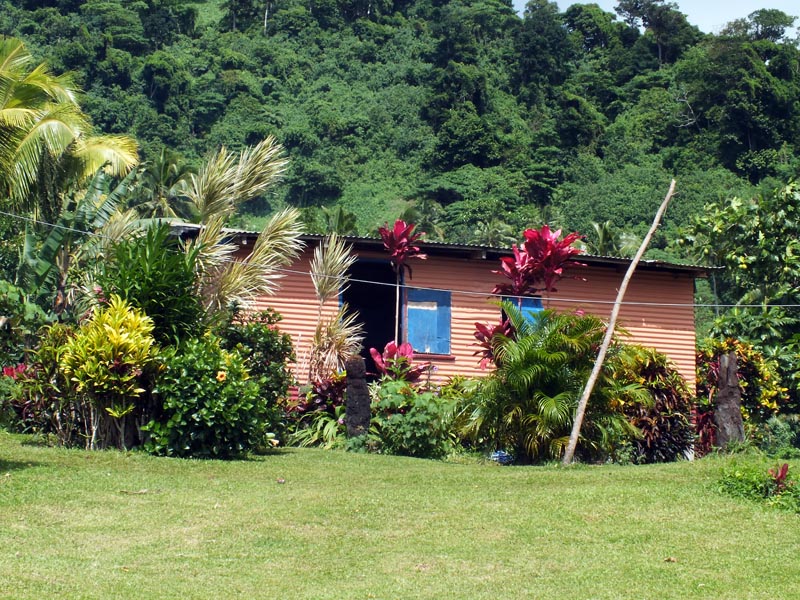
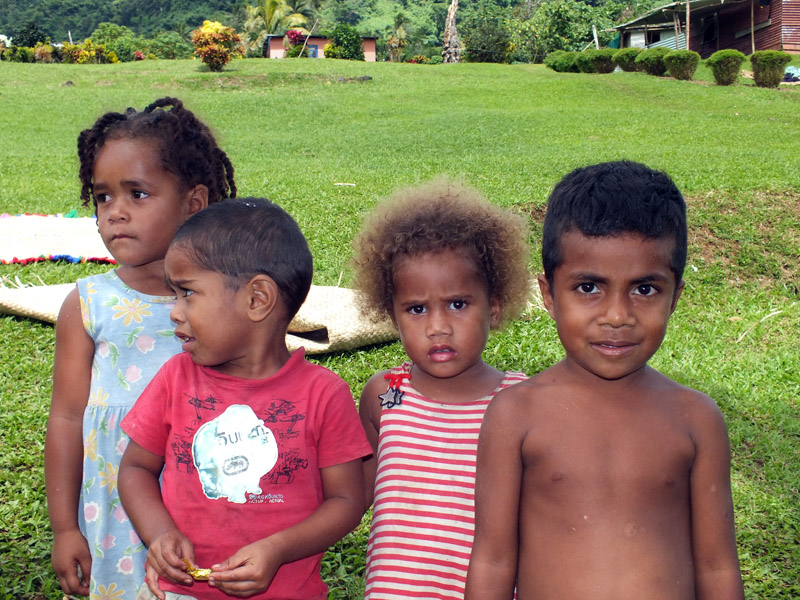
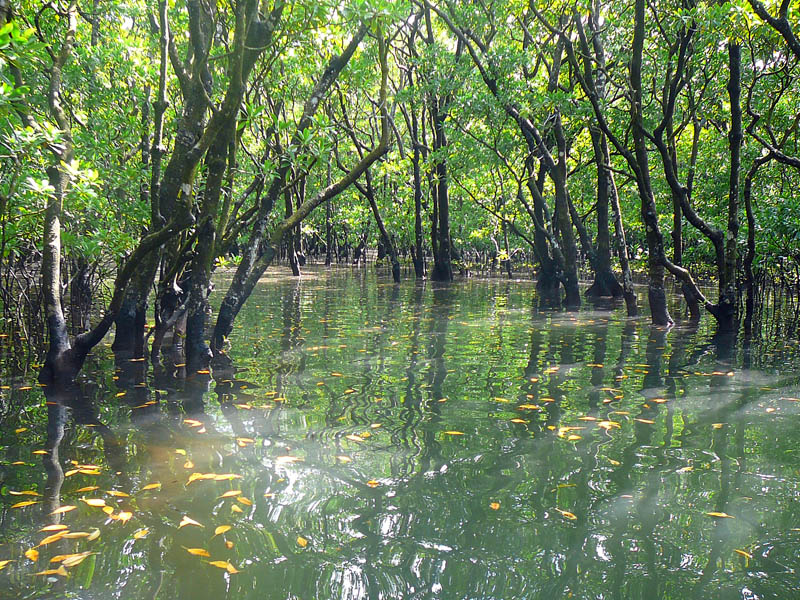
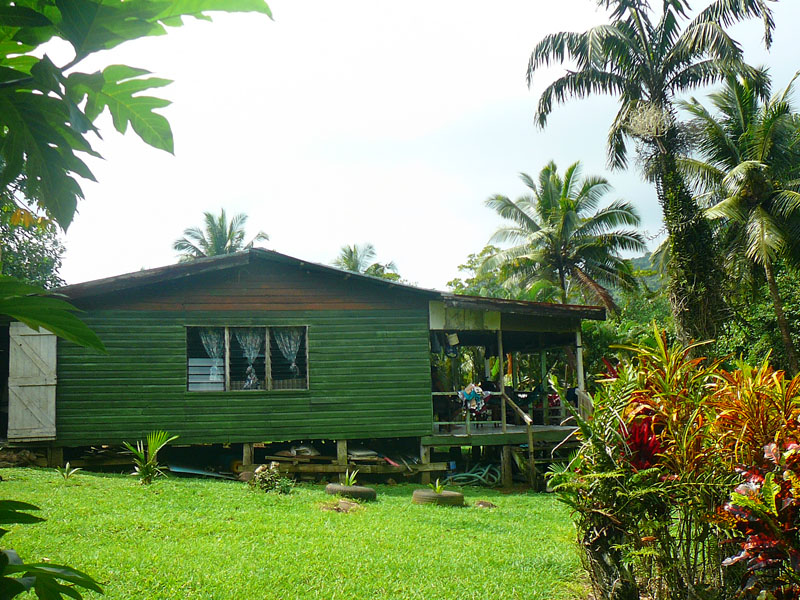
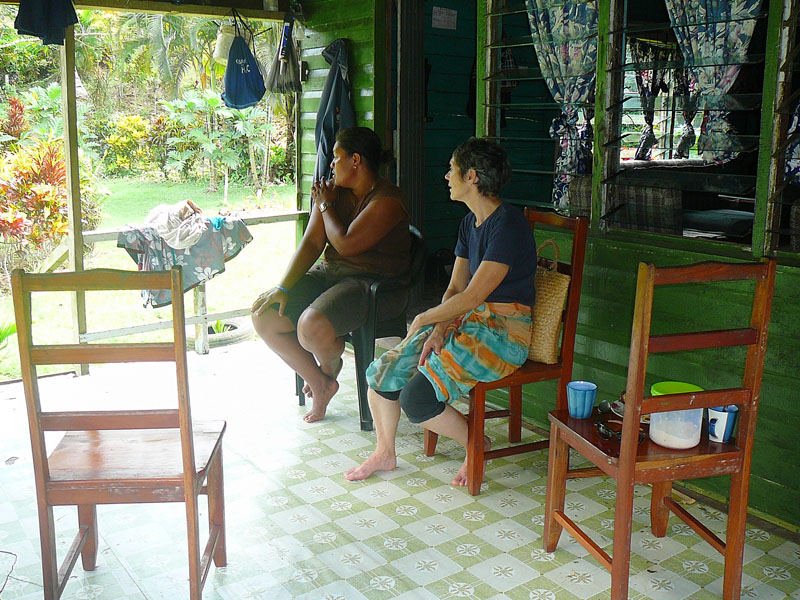
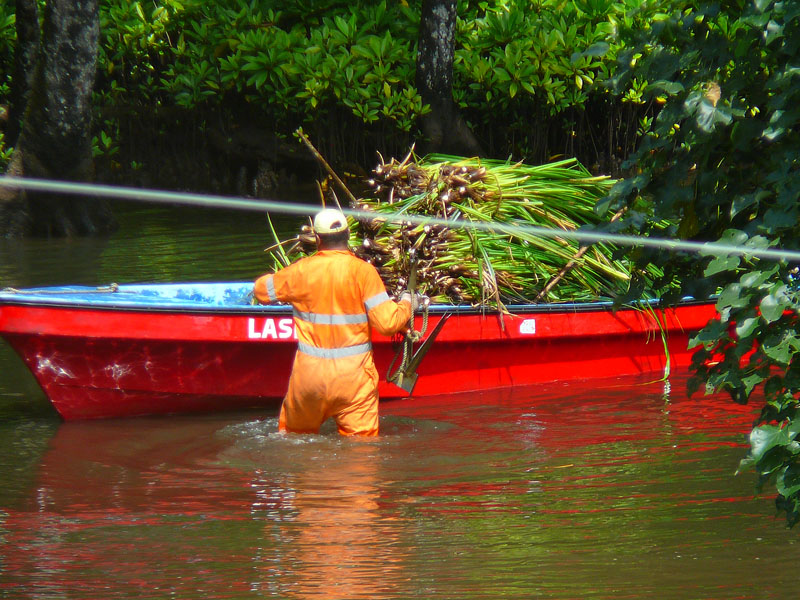
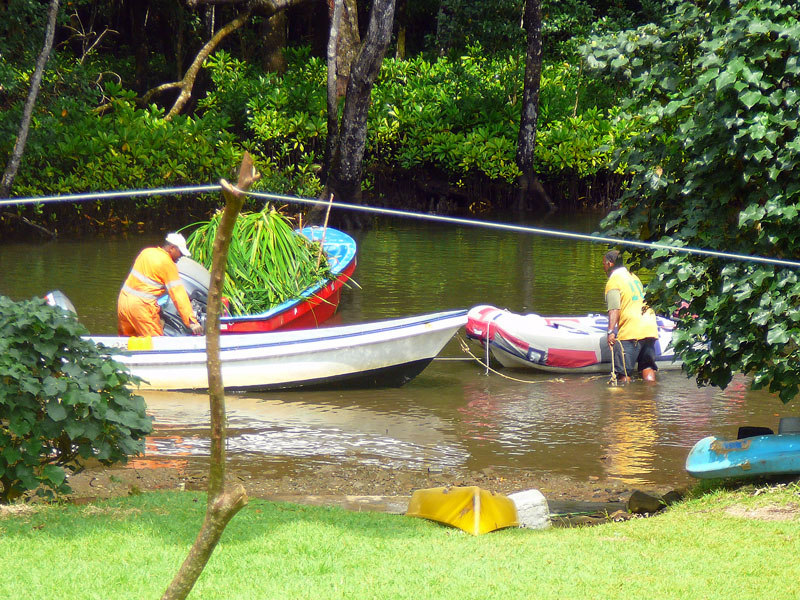
On the last day, we were finally able to accept Millie's invitation. She lives with her husband a little outside the village and can only be reached after an adventurous boat ride through the mangrove forest. Full of pride, she showed us her house and garden and invited us to a cup of lemon leaf tea. Here, too, we experienced the hospitality and warmth of the Fijians up close.
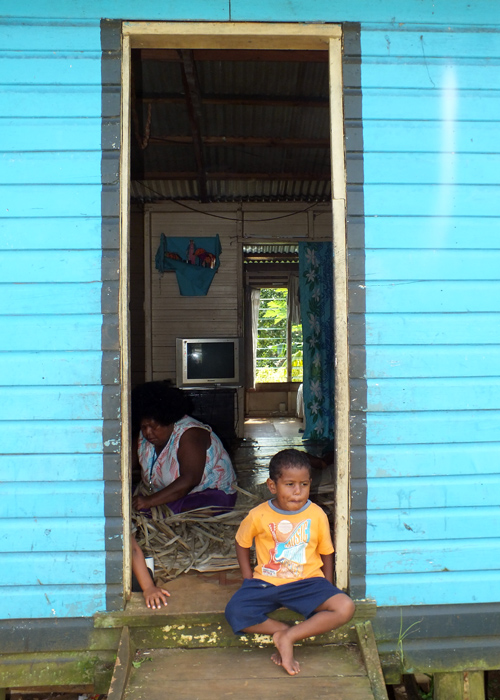
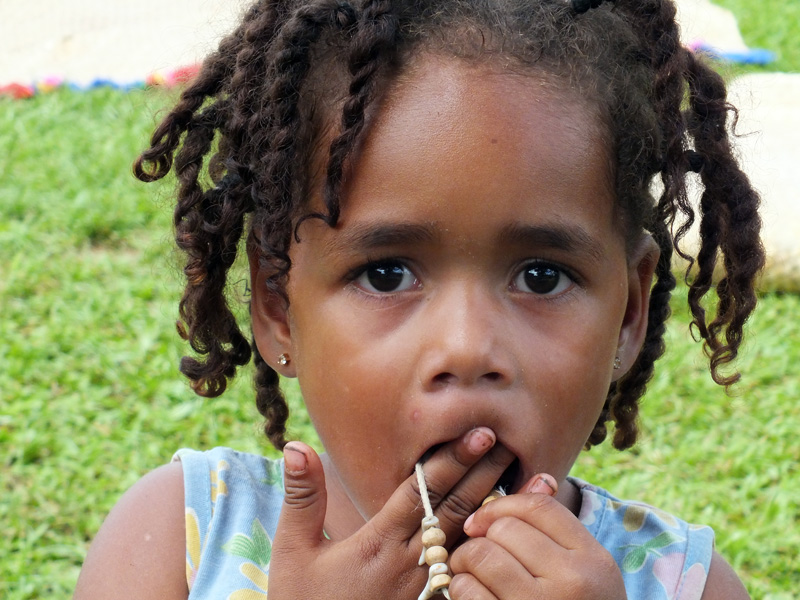
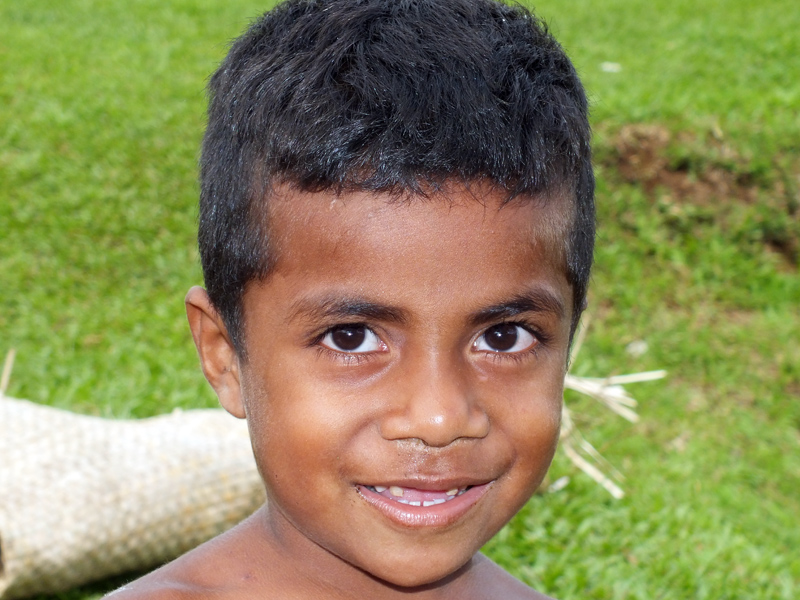
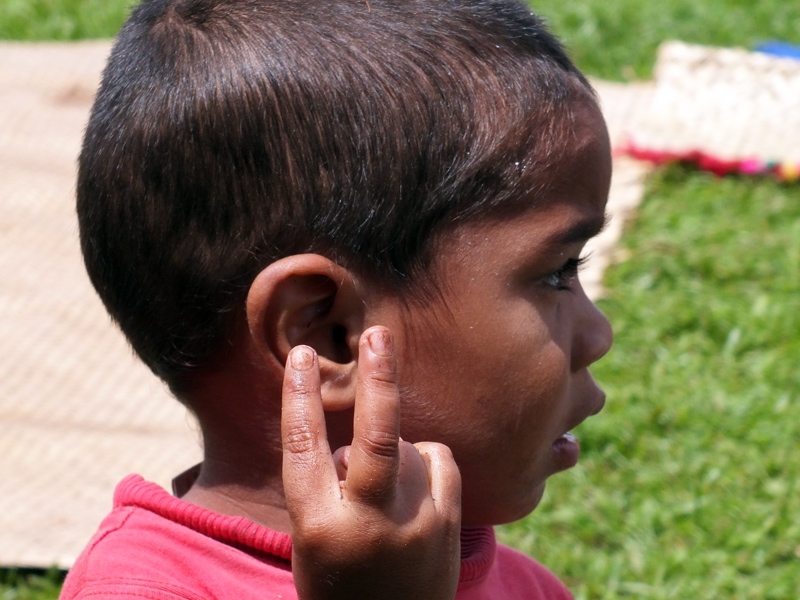
Rabi, Albert Cove
From Qamea we sailed north to Taveuni. Here, at the northern tip of the island, there is a good supermarket once again, of course in the Fiji way. Since we had been drawing on our supplies for a few weeks now, it was high time to restock them urgently. With a full fridge, we continued on to Rabi the following day. This trip led us through numerous reefs, but thanks to electronic navigation, it was not associated with too much stress. The track of SY AKKA, which had sailed this cruising ground for a few years, showed us the safe passages. Of course, the tried and tested eyeball navigation was still added to it, and with the combination of both, we have always fared well to this day.
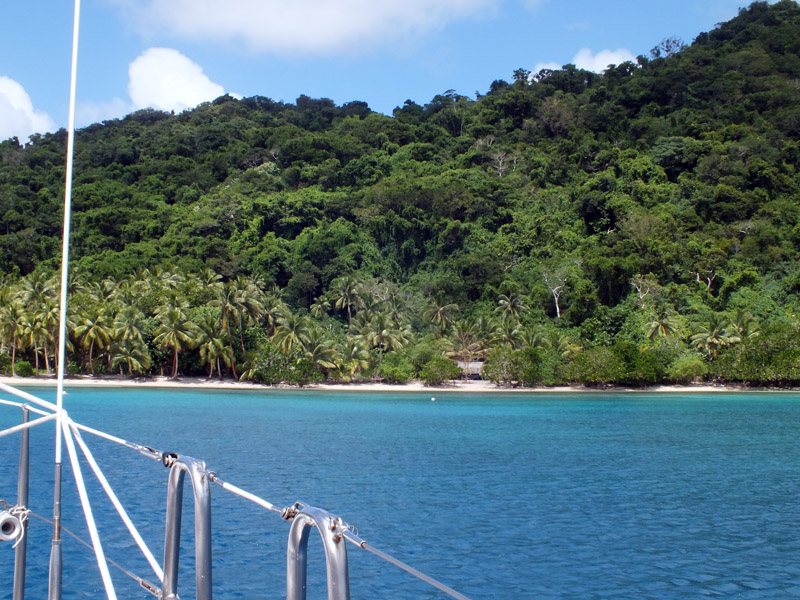
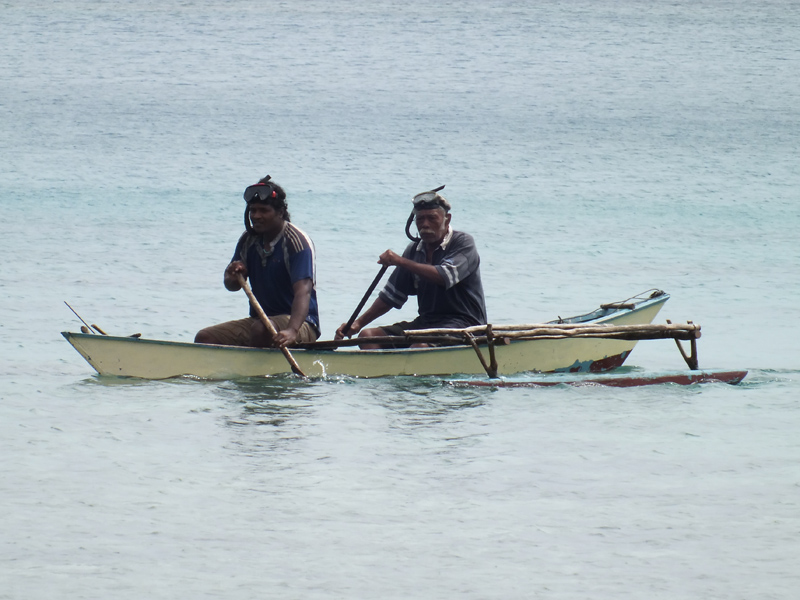
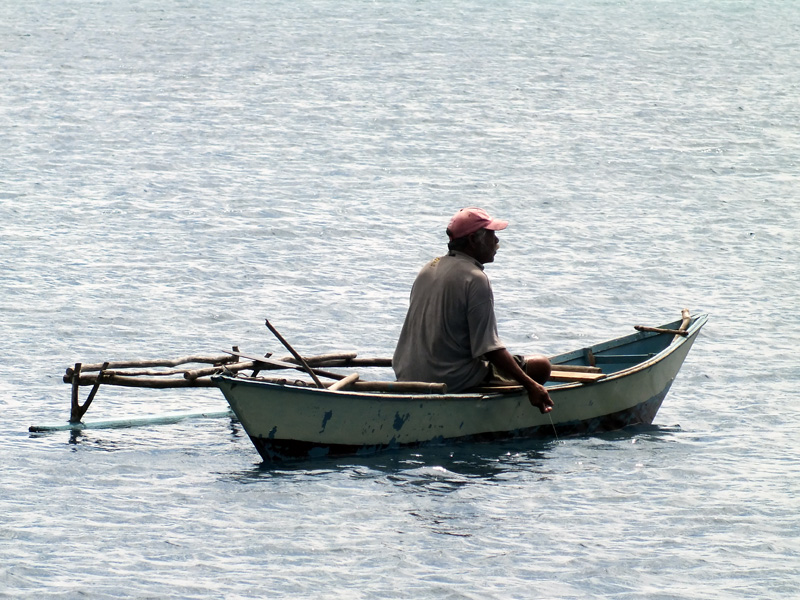
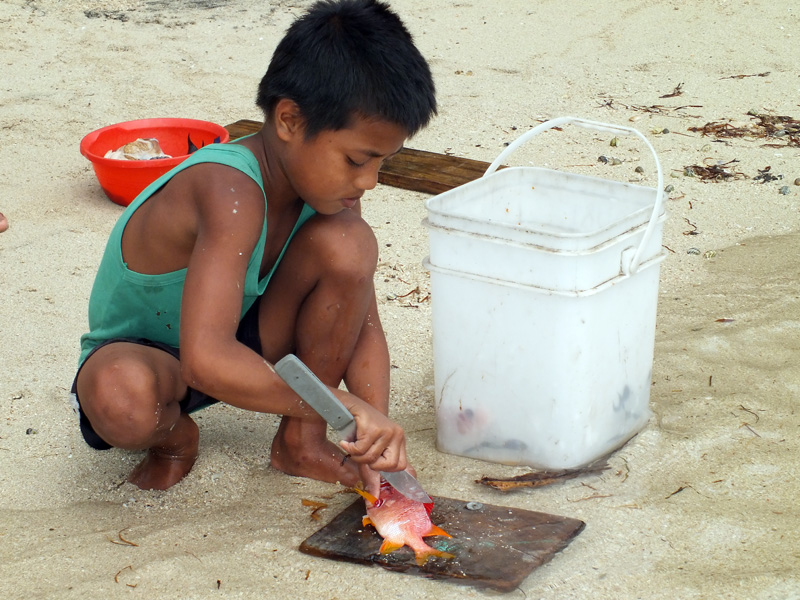
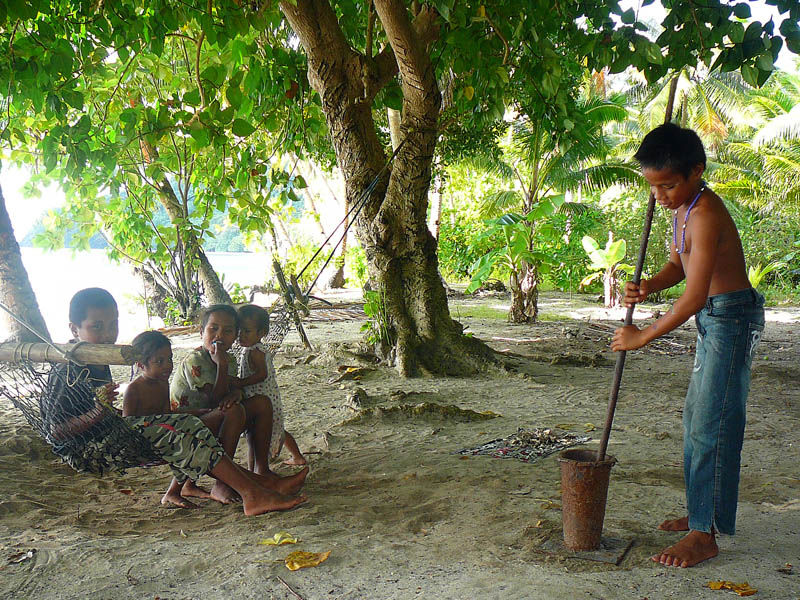
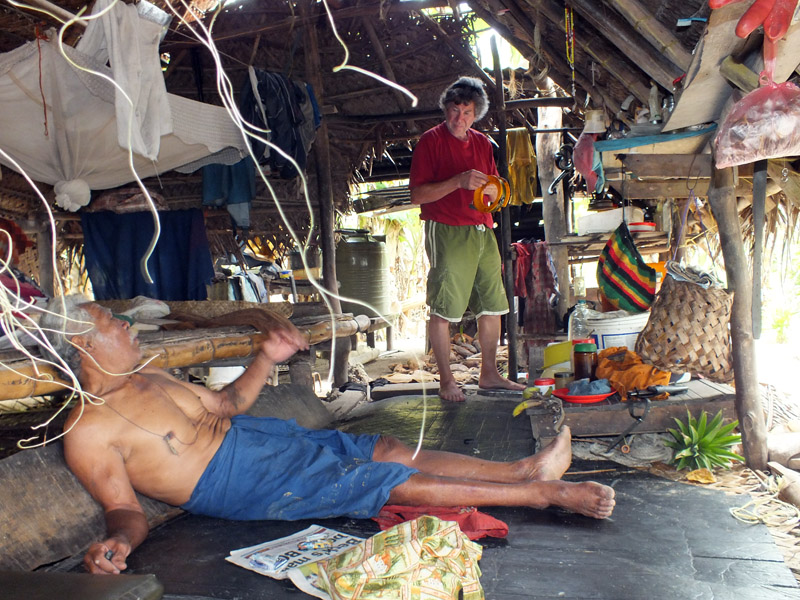
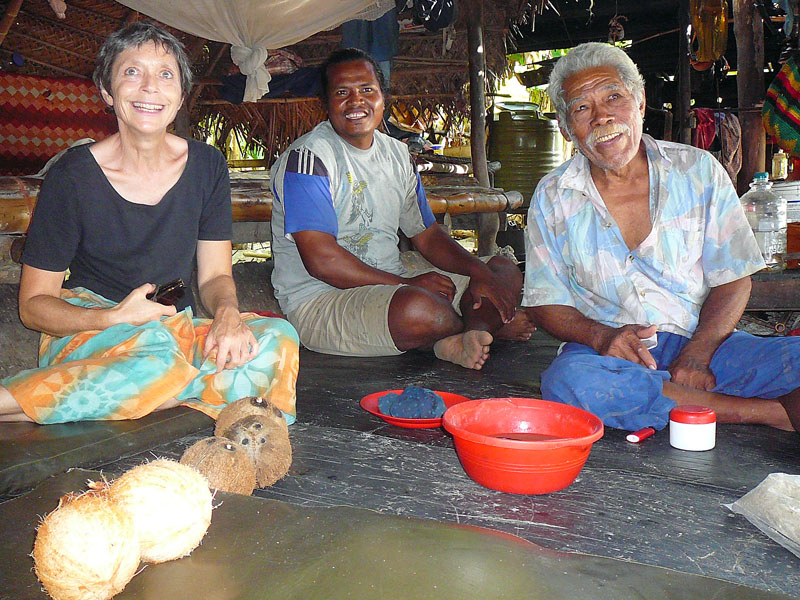
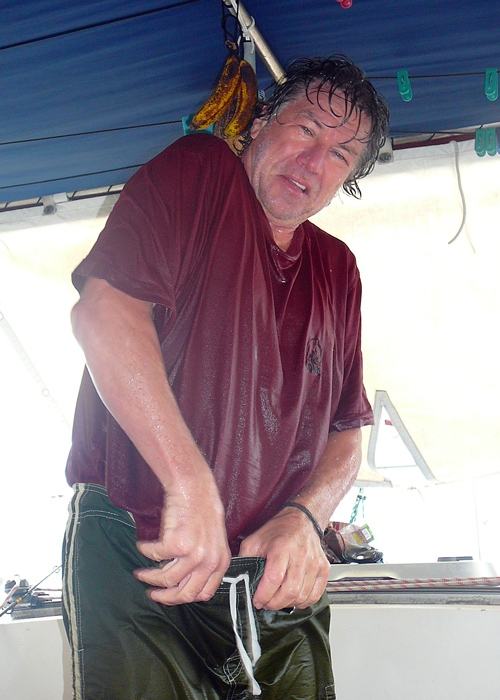
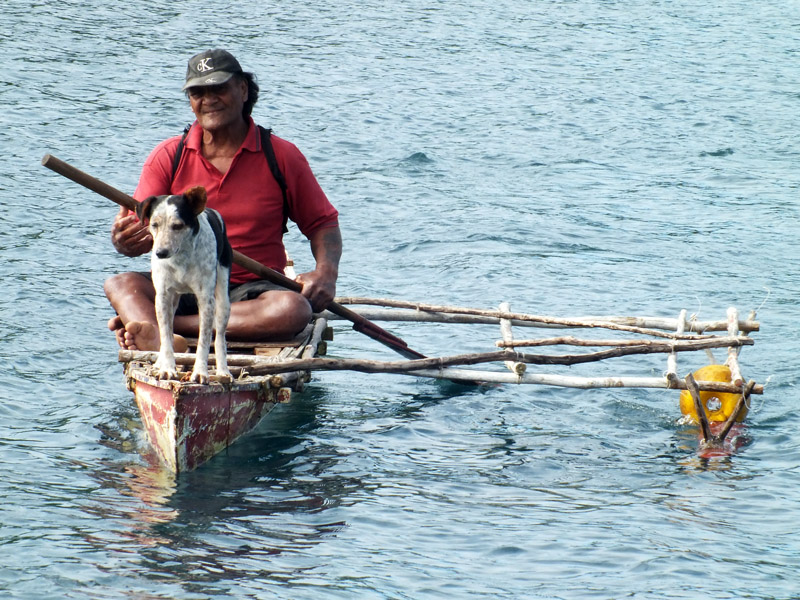
Albert Cove is a small anchorage in the northwest of the island. Only two families live here under the simplest conditions and were always happy about any variety. During every trip ashore, we were eagerly awaited by them, and the old man, as the elderly fisherman is called here, obviously enjoyed being able to share his kava with us guests.
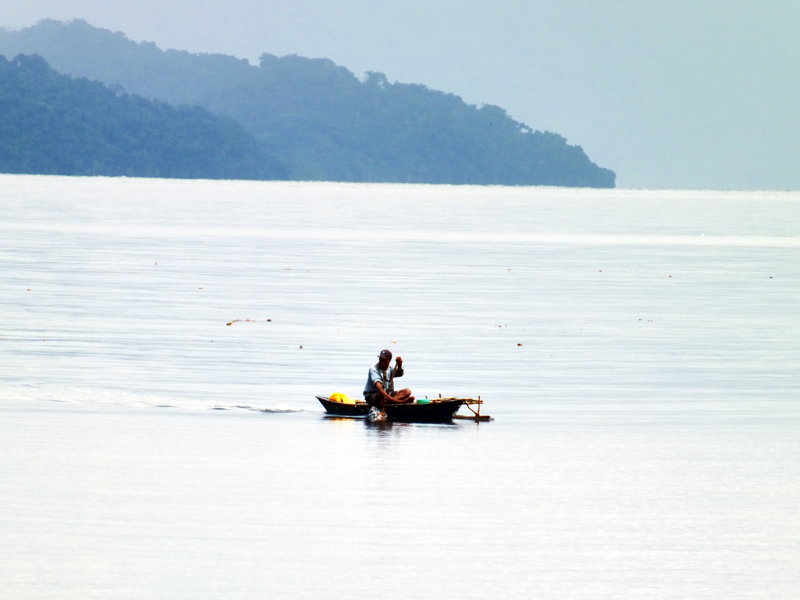
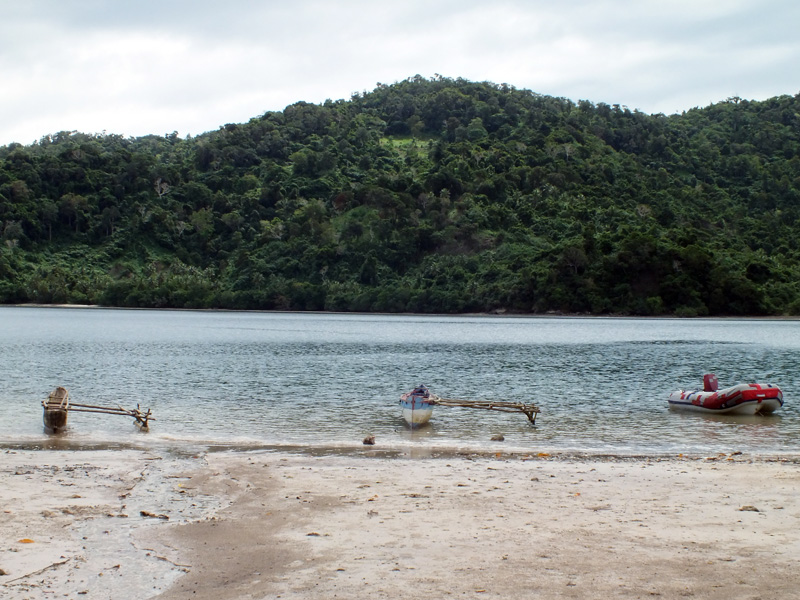
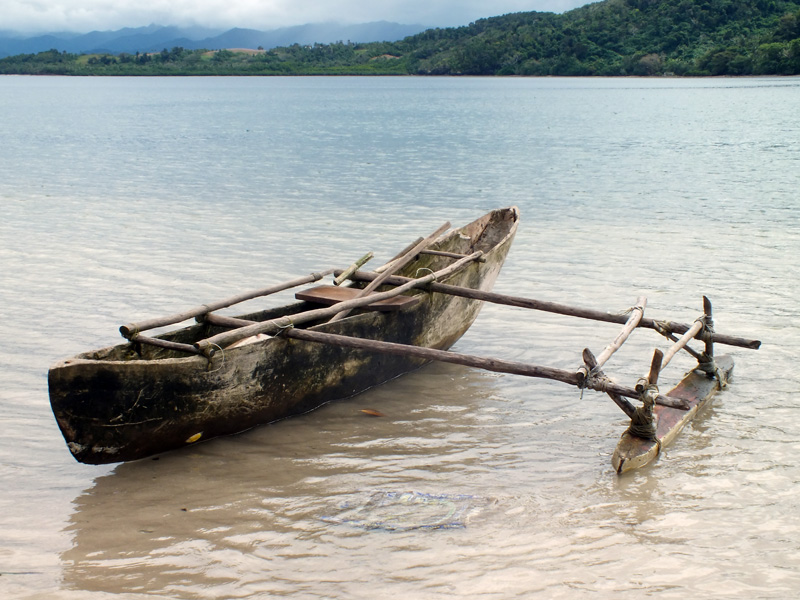
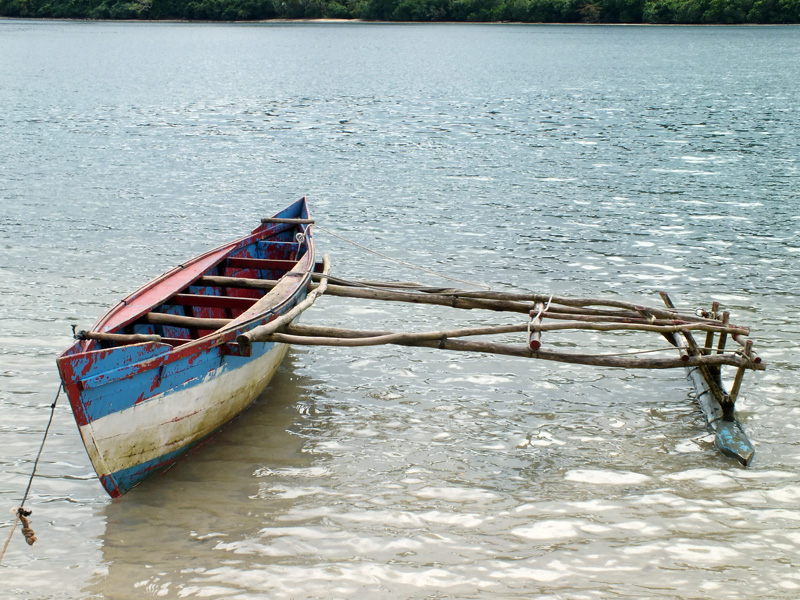
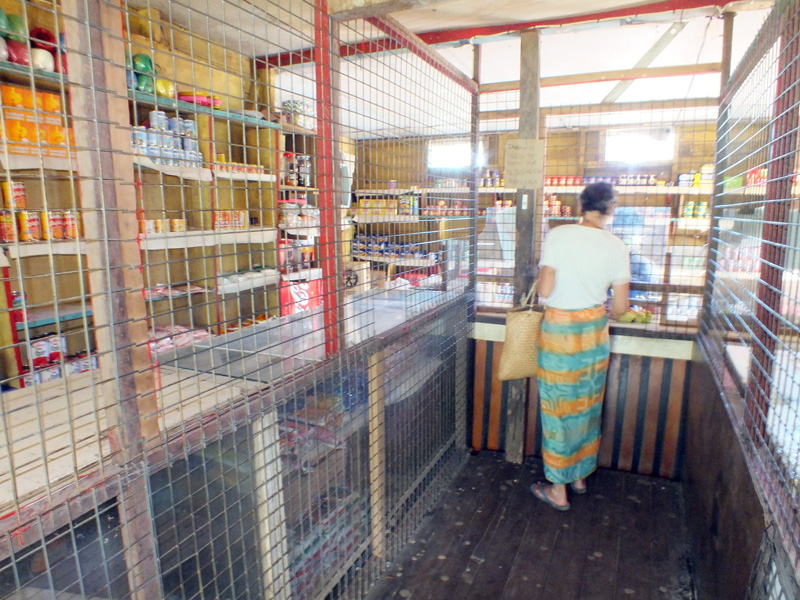
Since the fishermen here, with their small and wobbly outrigger canoes, can only fish within the safe reef, I offered them a fishing trip with our dinghi. We set off early in the morning and only returned in the course of the afternoon. Unfortunately, however, the fishing grounds outside the reef are heavily depleted here as well. For the small fishermen, who depend on every catch, this is increasingly becoming a life-threatening problem. Later, in the main town of the island, we found canned fish in the small supermarket. Of course, this one is made in China and the locals have to buy it, since it is slowly running out in their fishing grounds, not because of them, but because the Asians have partially fished everything empty here too.
Rabi, Cathrin Bay
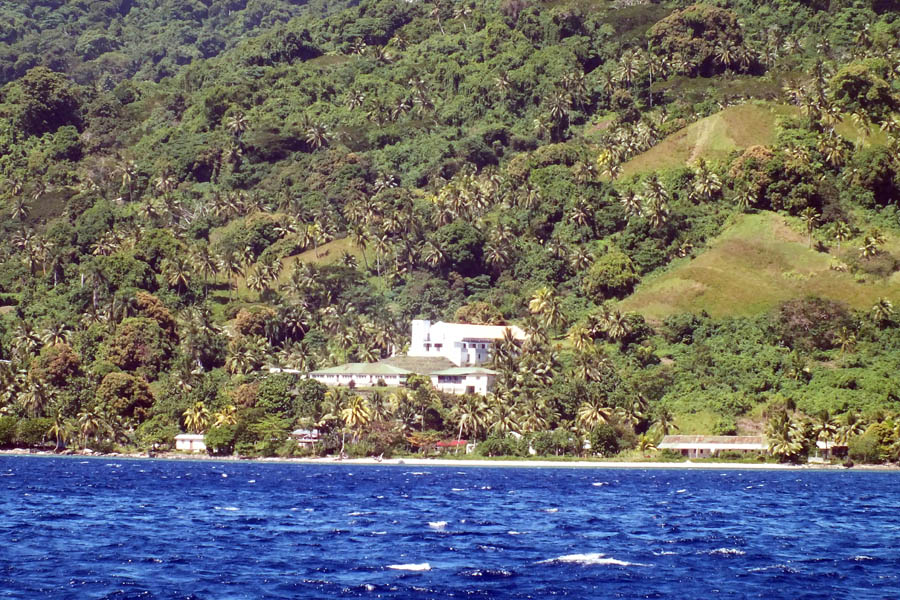
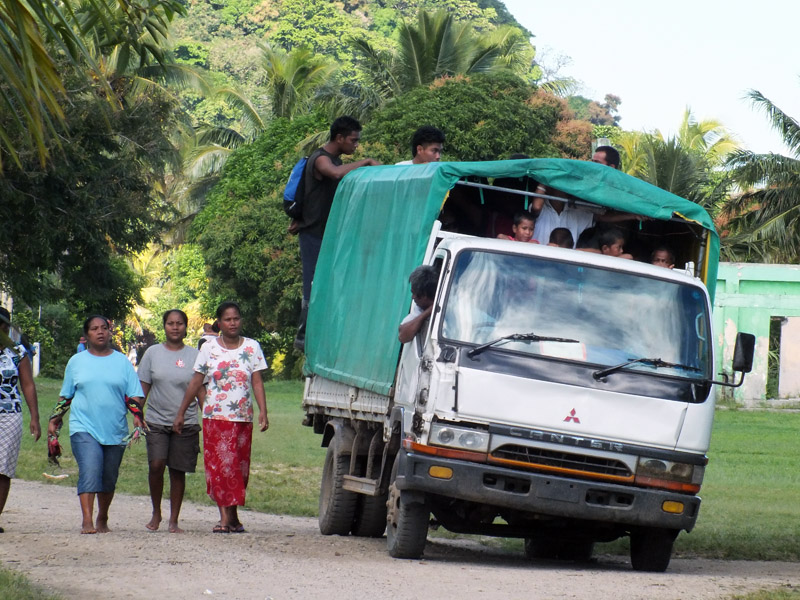
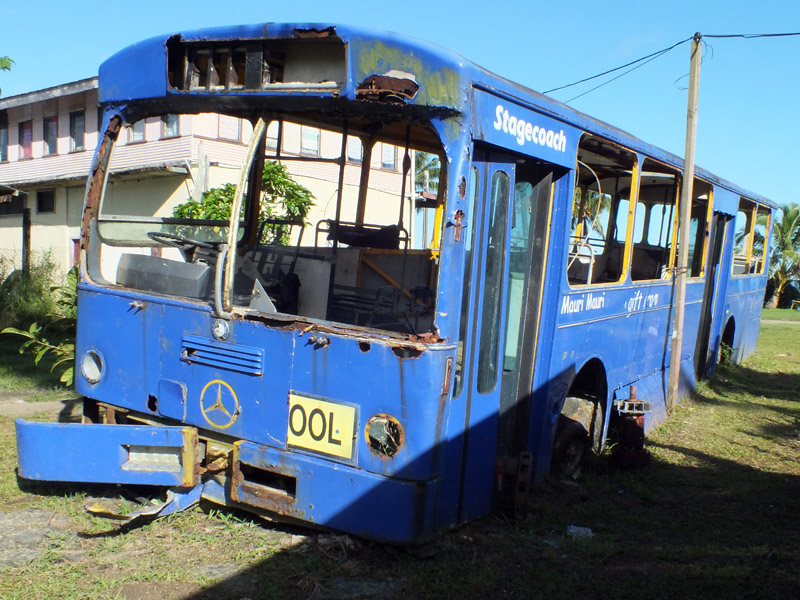
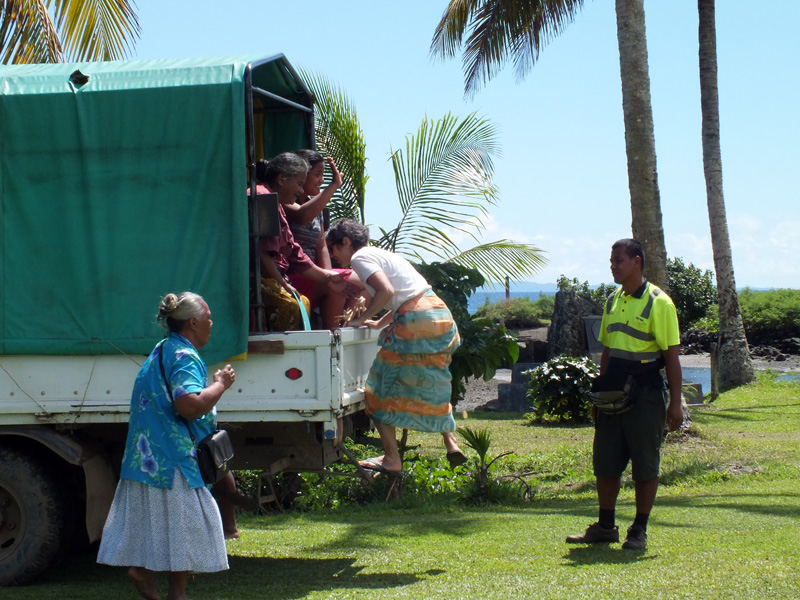
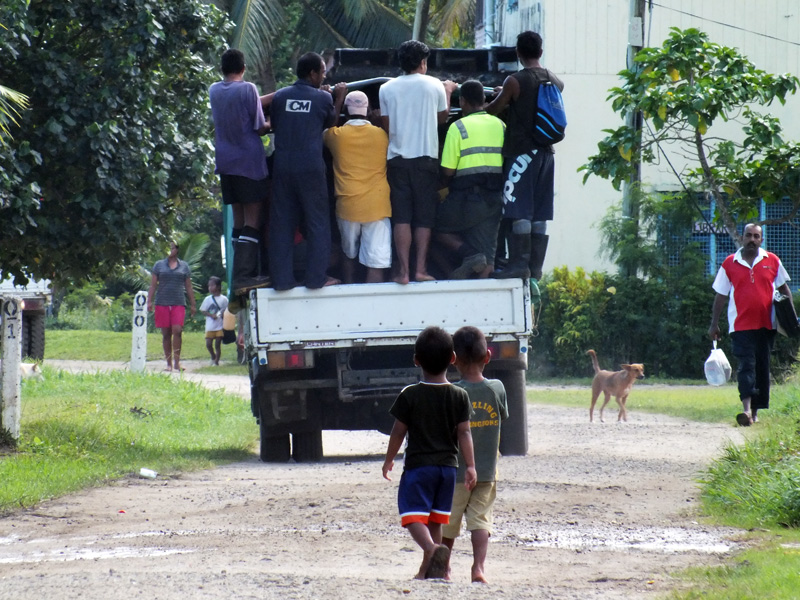
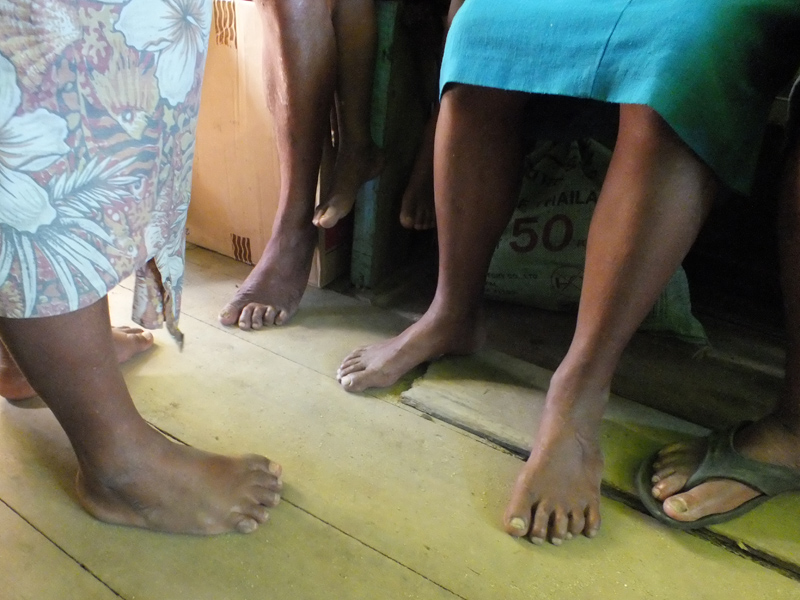
The rising north wind had driven us out of Albert Cove and we now dropped anchor in the much better protected Cathrin Bay, on the south side of the island. From there, we took a trip by bus for the first time, a converted delivery van with simple wooden benches. Our destination, and that of many Rabians, was Nuku, the main town of the island. This became one of the most adventurous journeys of our journey so far. The unpaved road was, and actually always is, in an indescribably bad condition. Anyone who thinks the driver would have adapted his speed a little to the circumstances is very much mistaken. At a remarkable speed, he jolted, or rather flew, over all the small and large holes. On the way there in the morning, the bus was packed with people and luggage, so it was still just about bearable. You were well cushioned on the left and right by plump bodies. On the return trip in the early afternoon, with the bus almost empty, this journey of a good hour was a true ordeal. We lacked the human cushions, the bus was therefore much lighter and thus also much faster. Days later, numerous bruises still reminded us of this adventurous ride.
Rabi, at home with Kaurasi
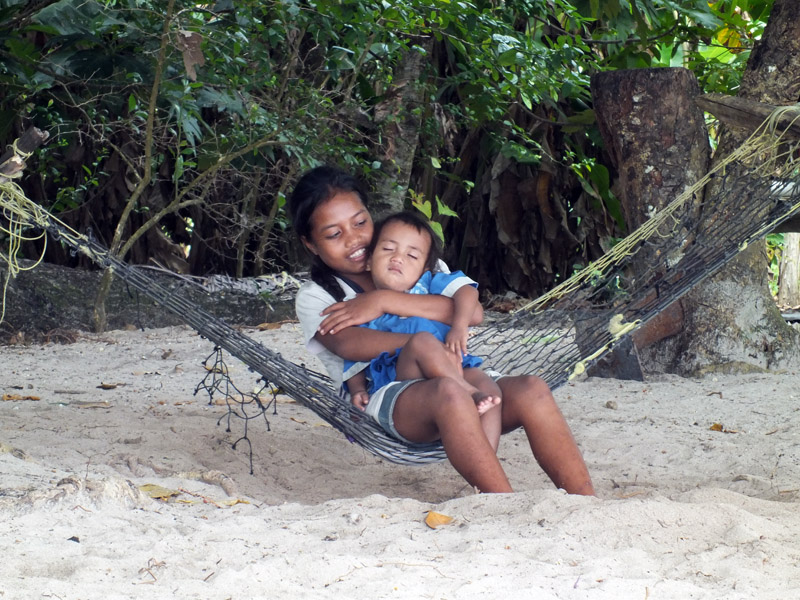
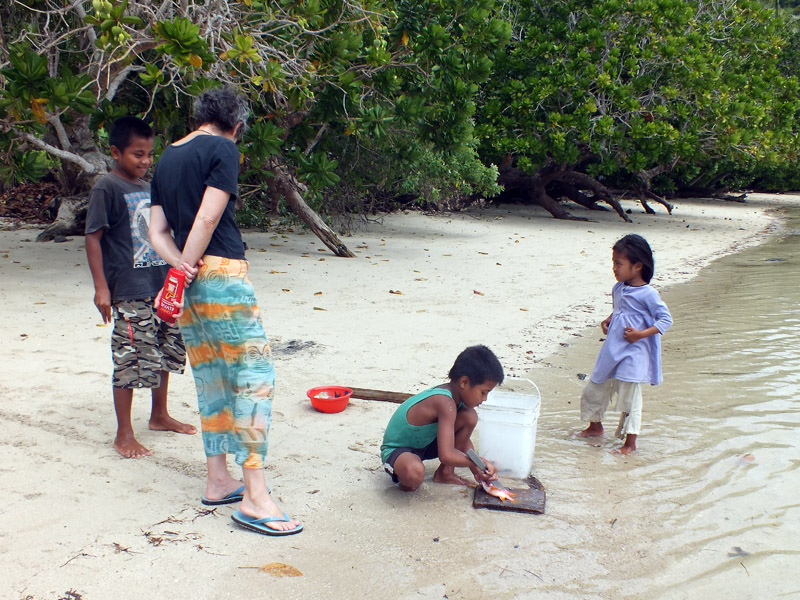
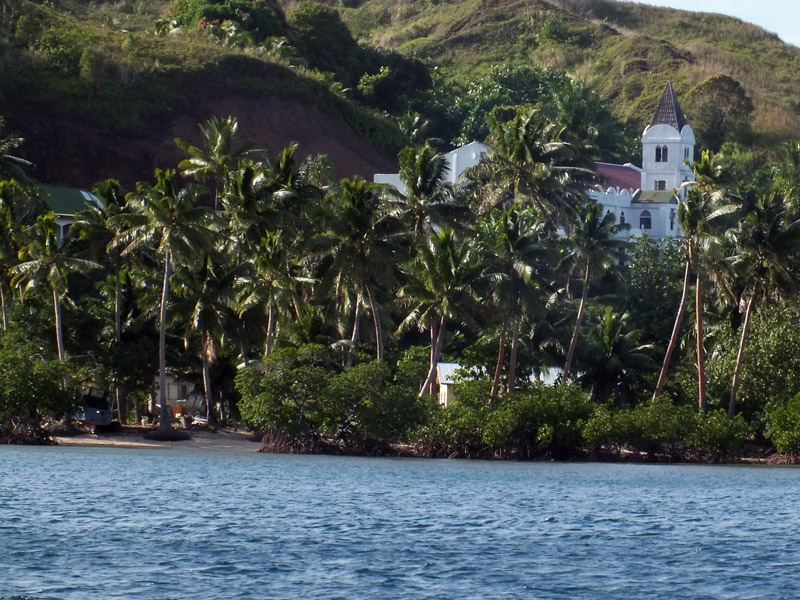
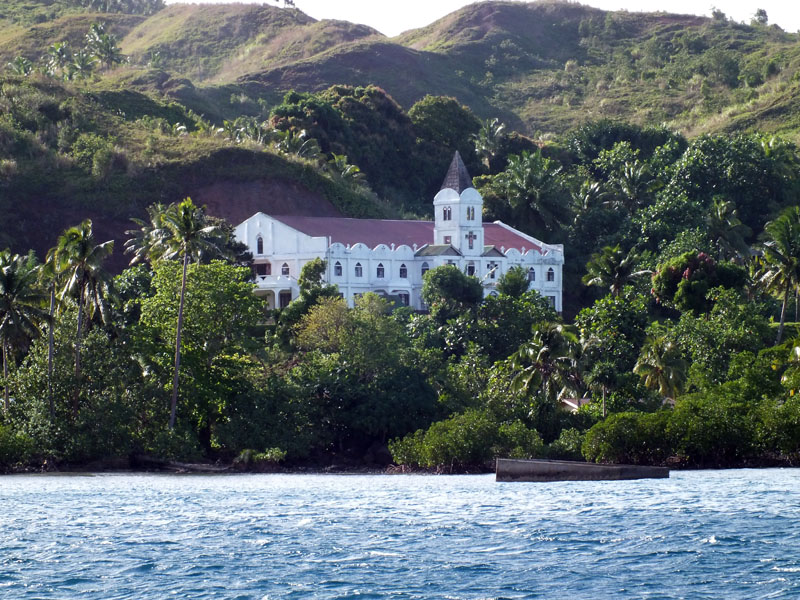
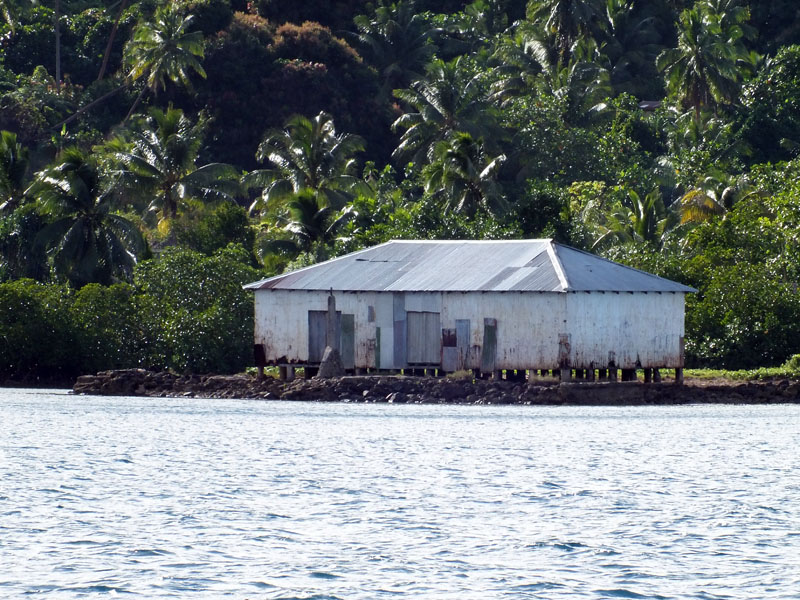
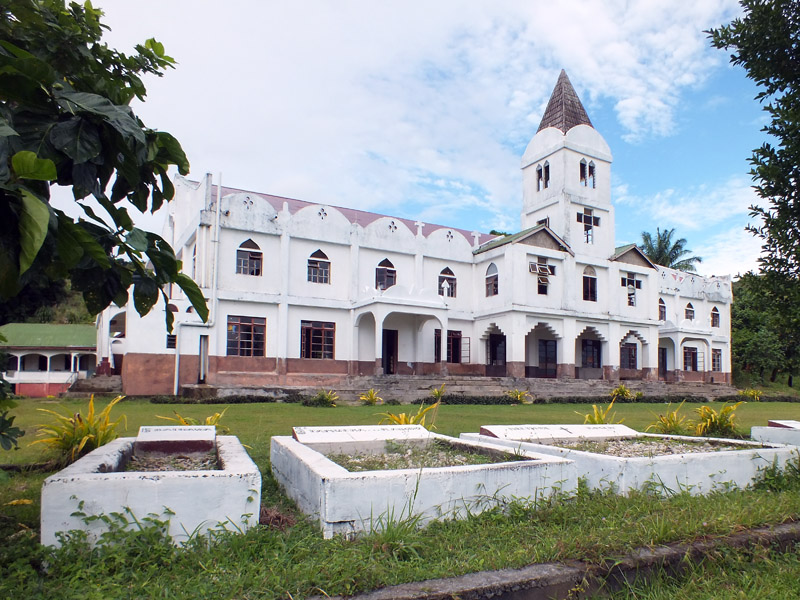
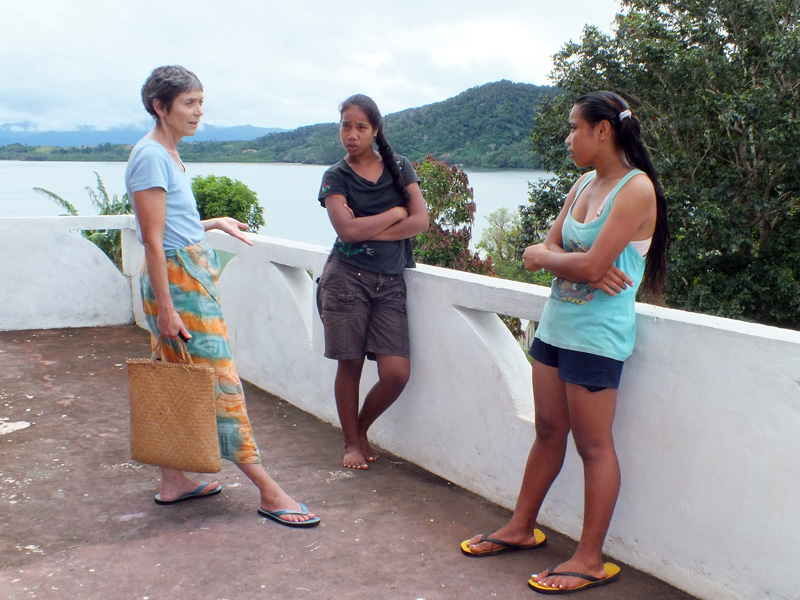
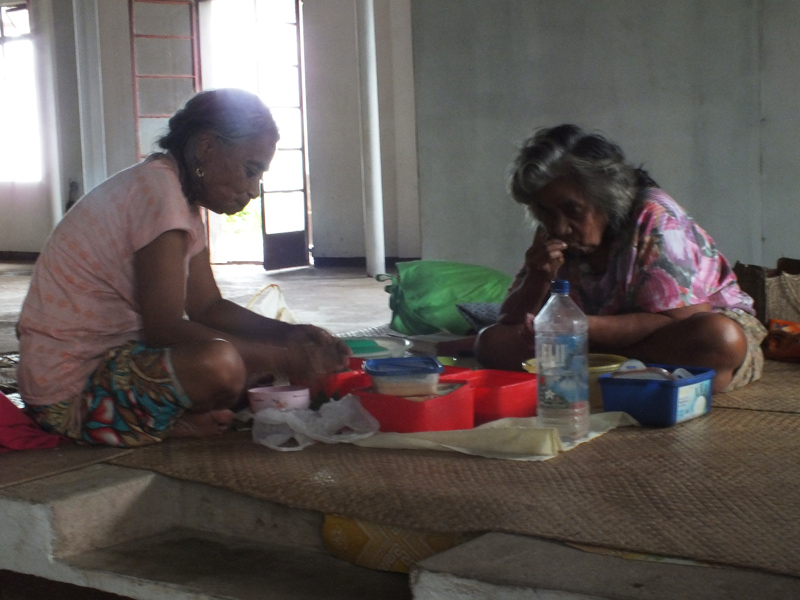
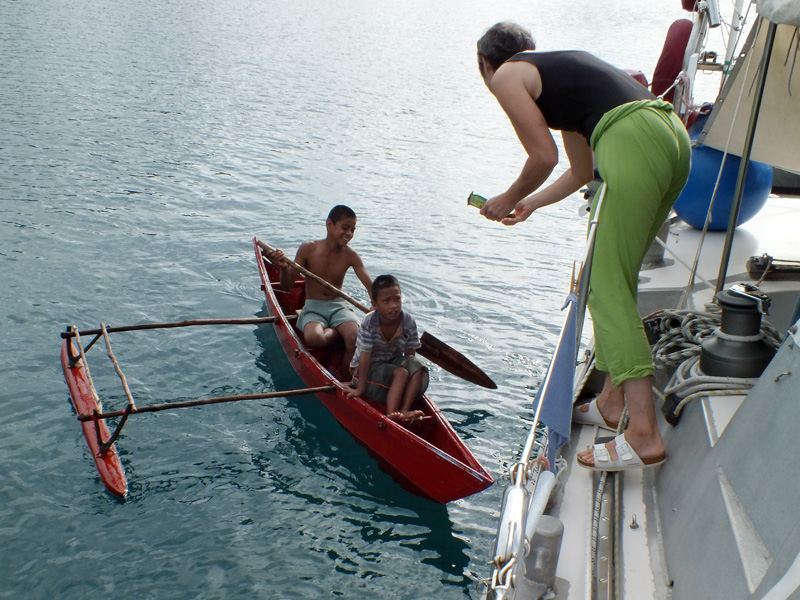
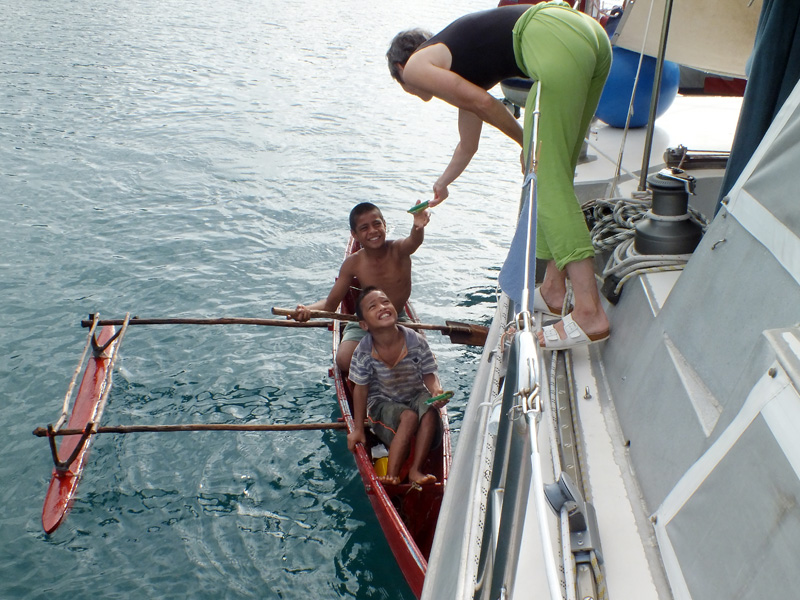
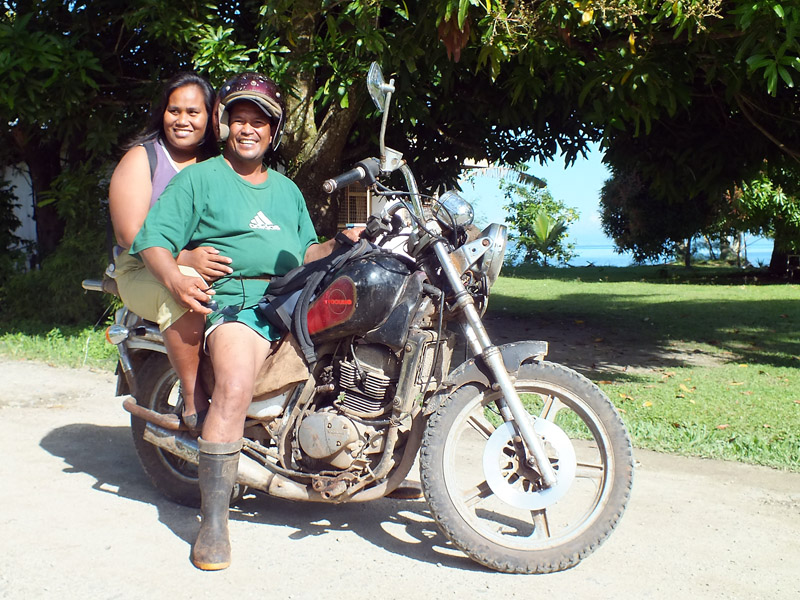
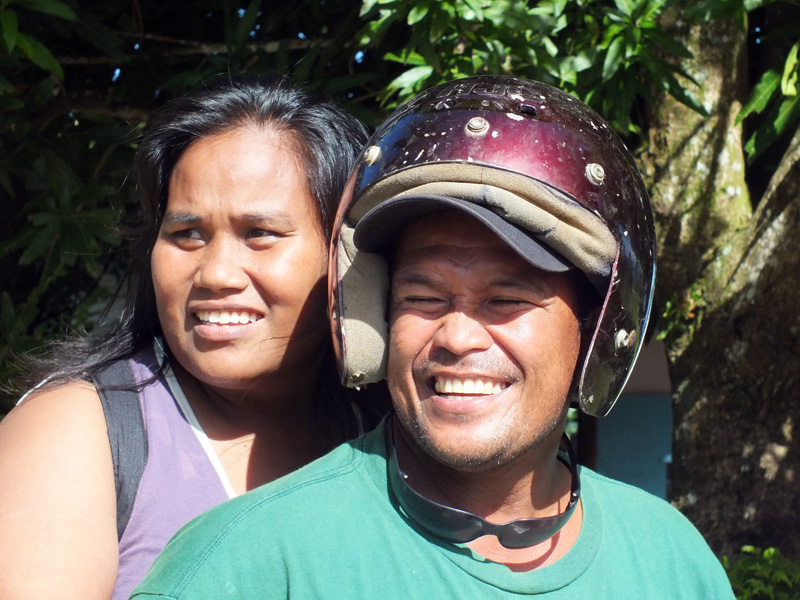
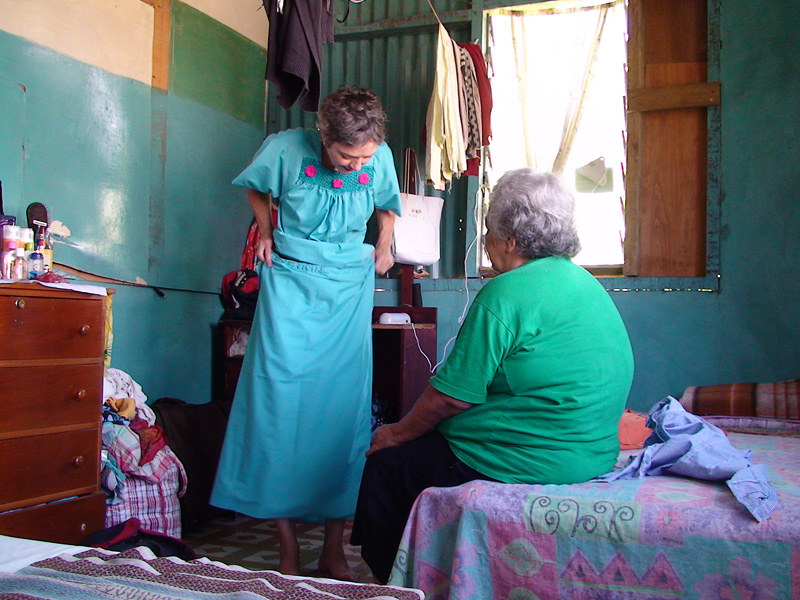
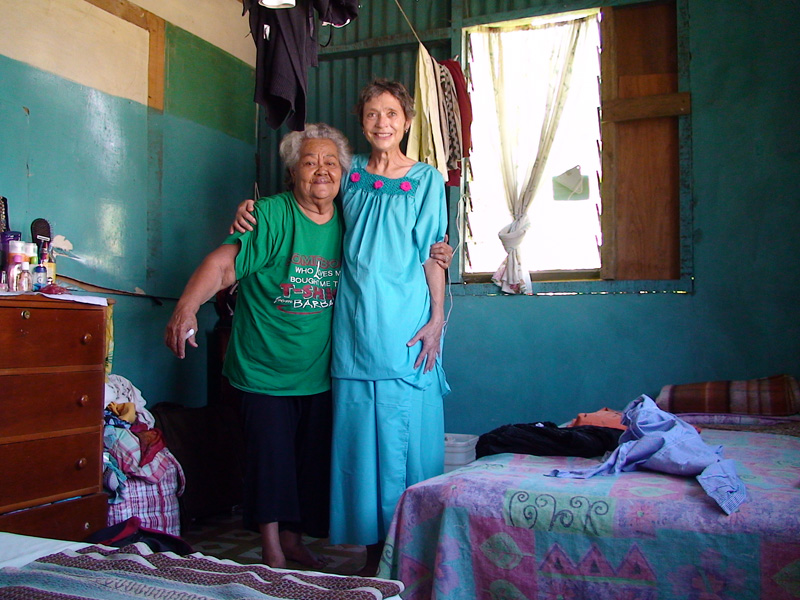
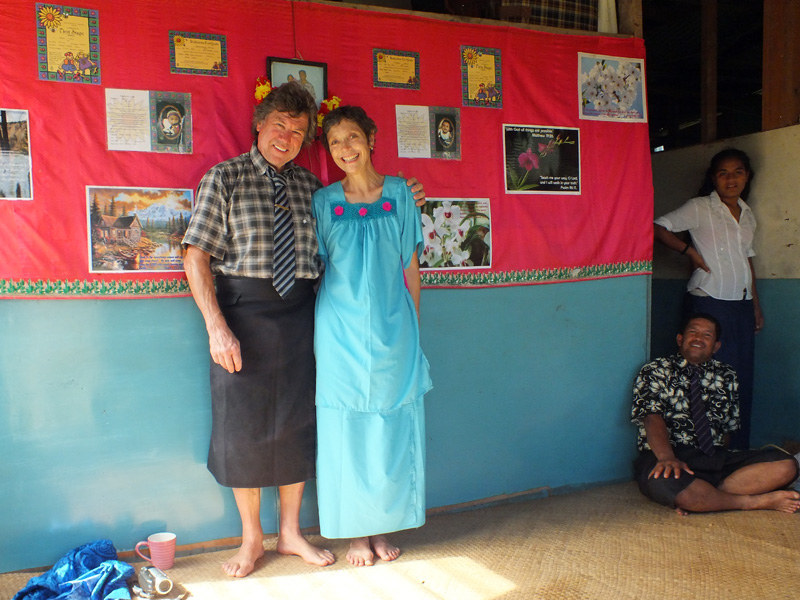
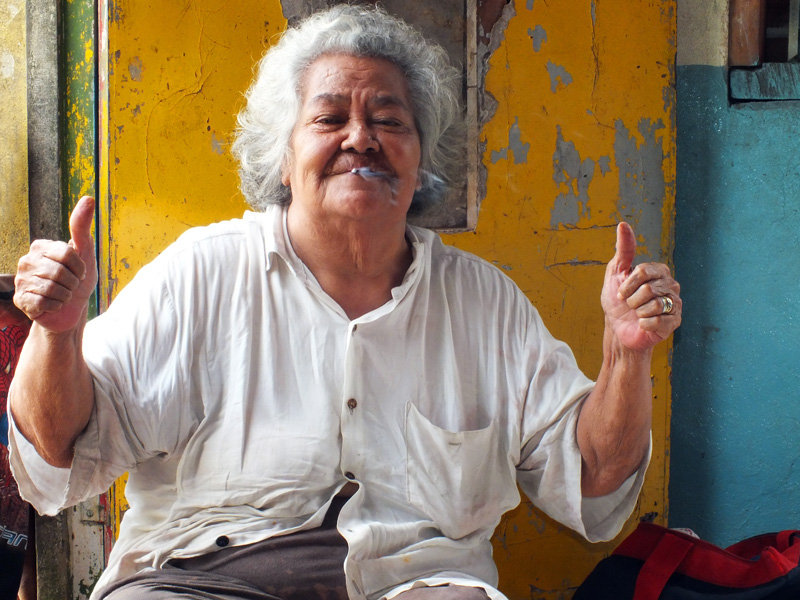
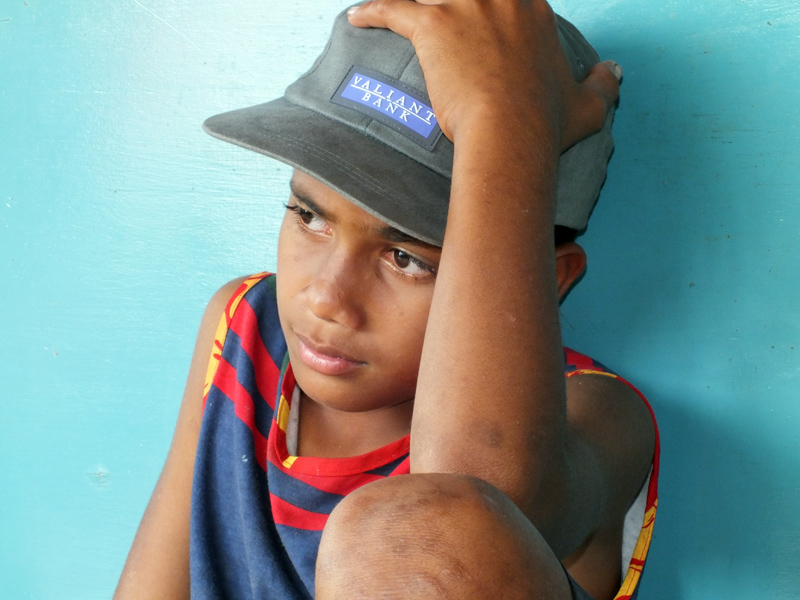
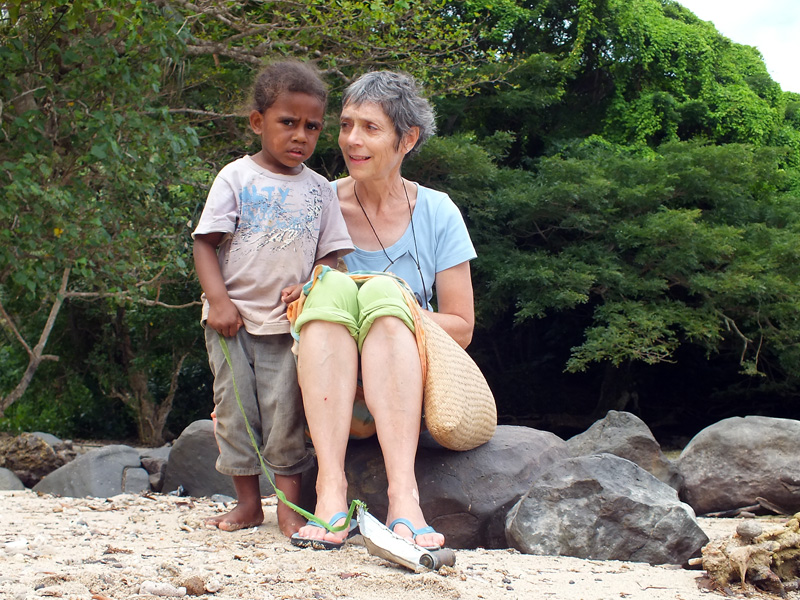
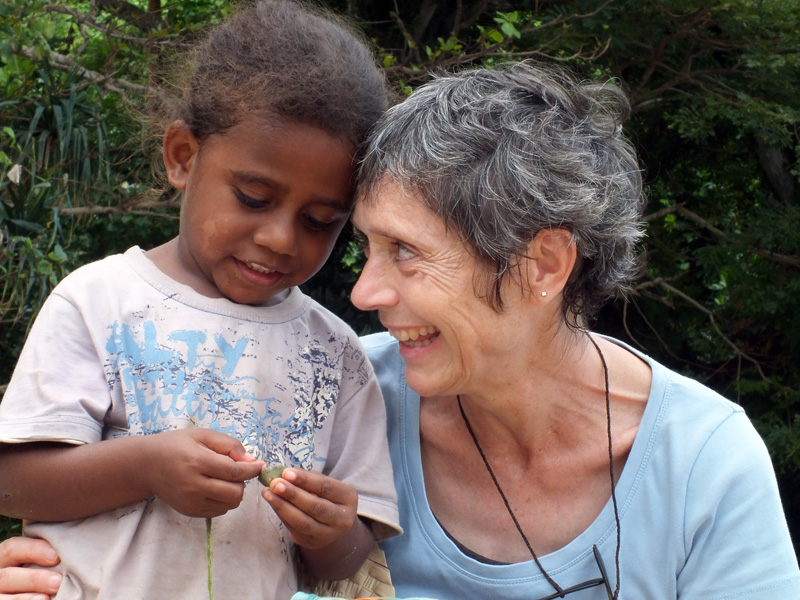
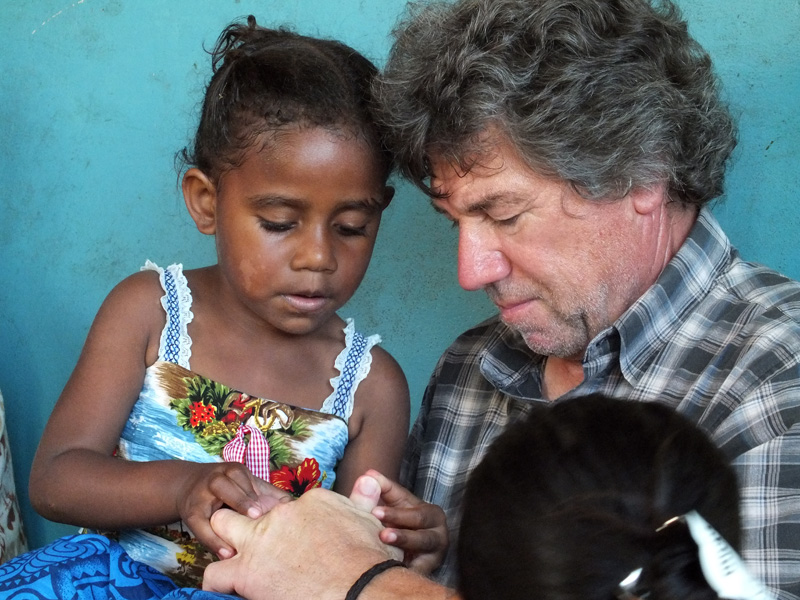
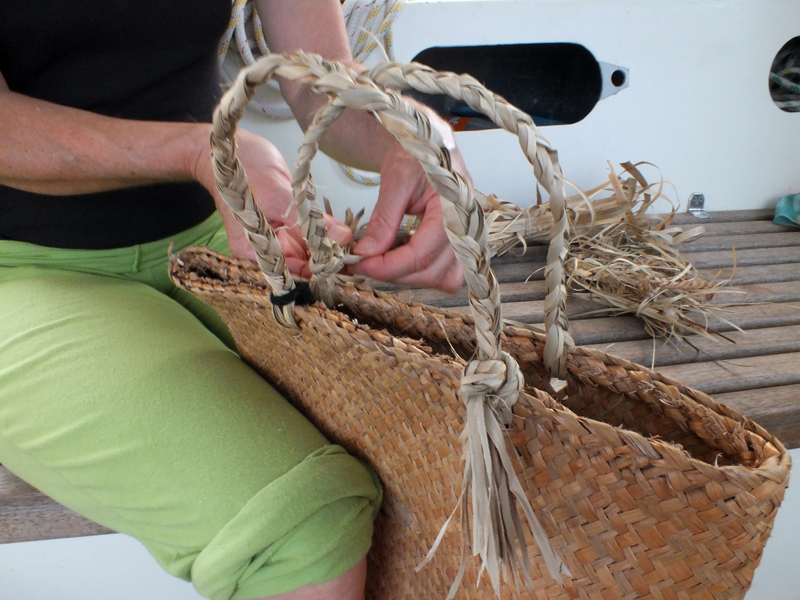
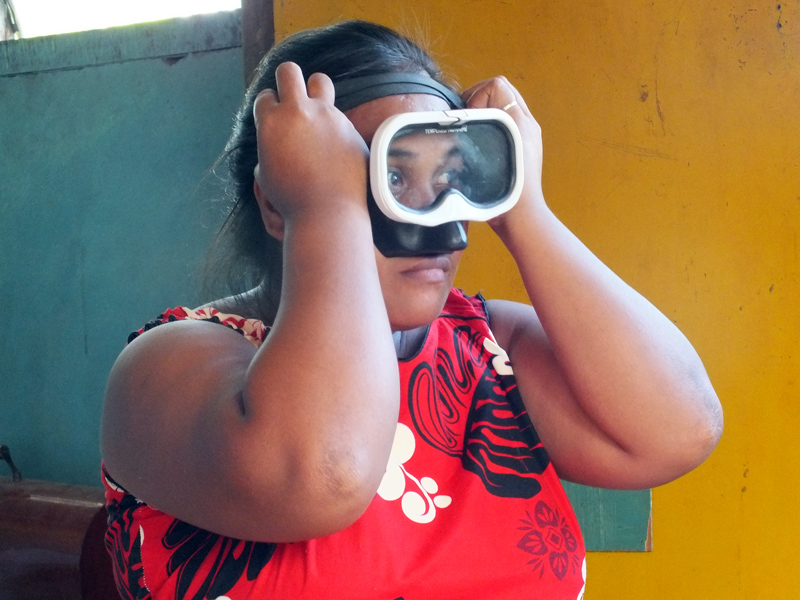
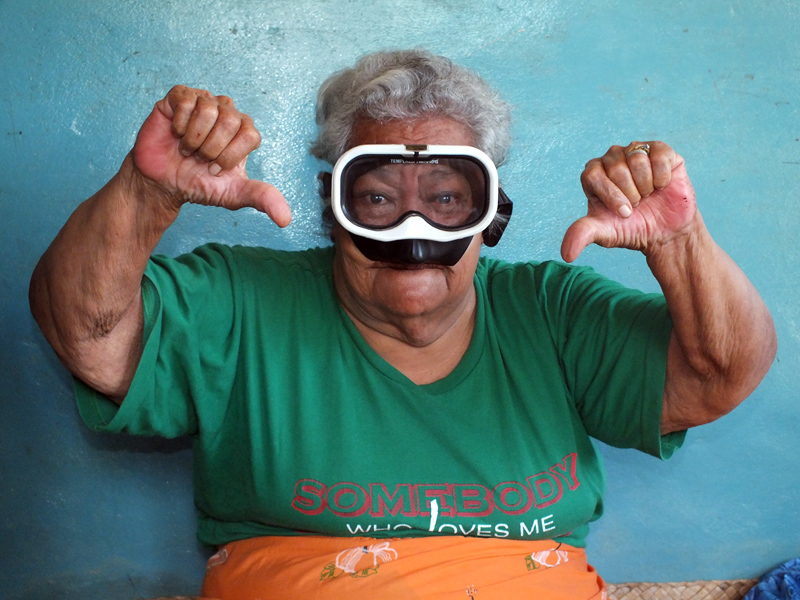
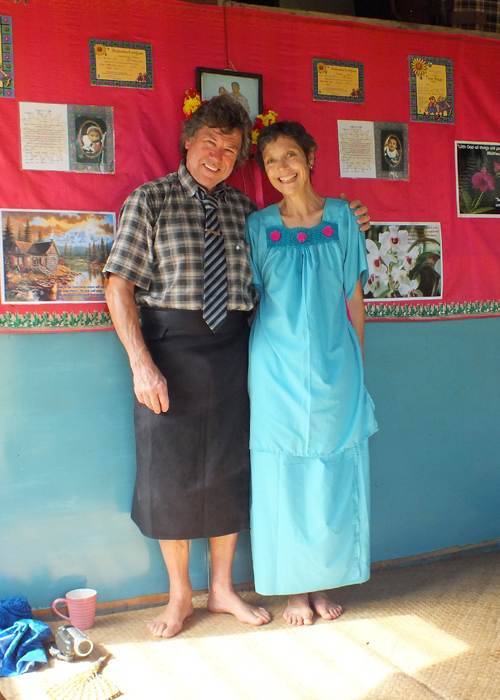
Chance encounters on our travels are like the spice of life, and in Albert Cove chance played its part once again. We started talking to Kaurasi and Tricia because of their strange "luggage" loaded into their small motorboat. They were just fetching bat guano from a cave, and we met them on the beach on their way back. After an interesting conversation, they spontaneously invited us to their home, saying that if we ever made it to the south side of the island, we should definitely visit them. Since contact with the locals is always the most important thing to us on our travels, we gladly accepted this invitation.
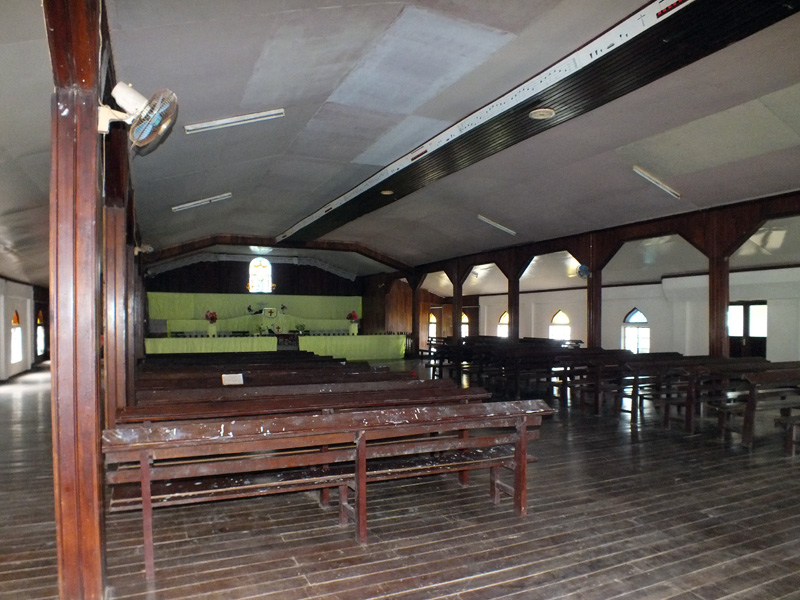
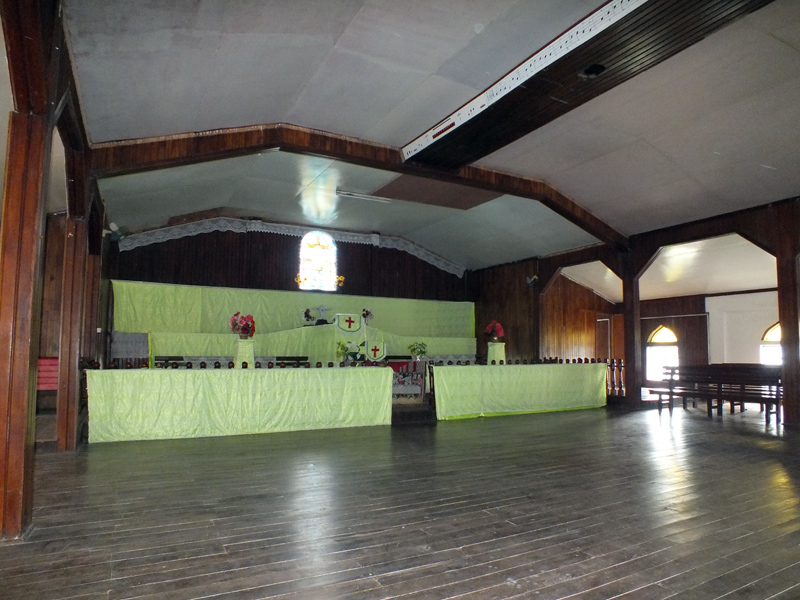
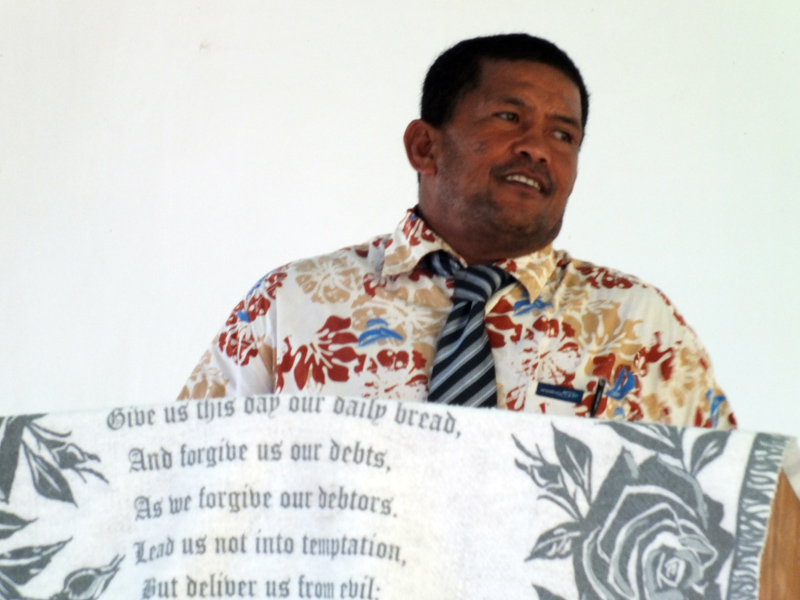
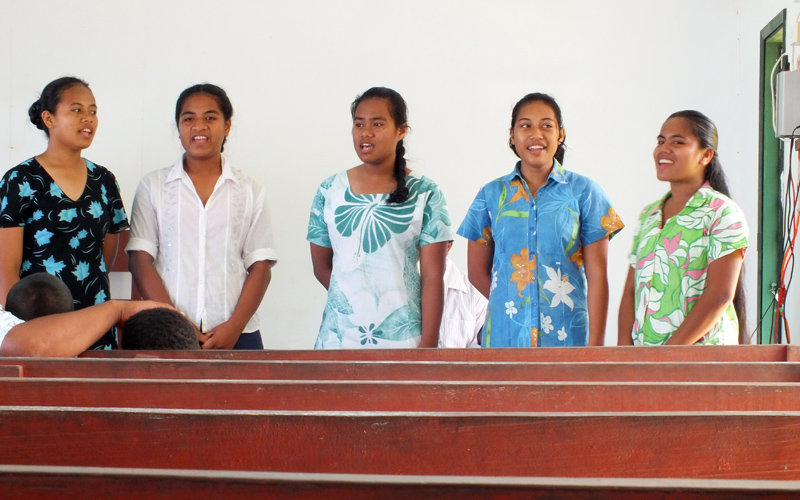
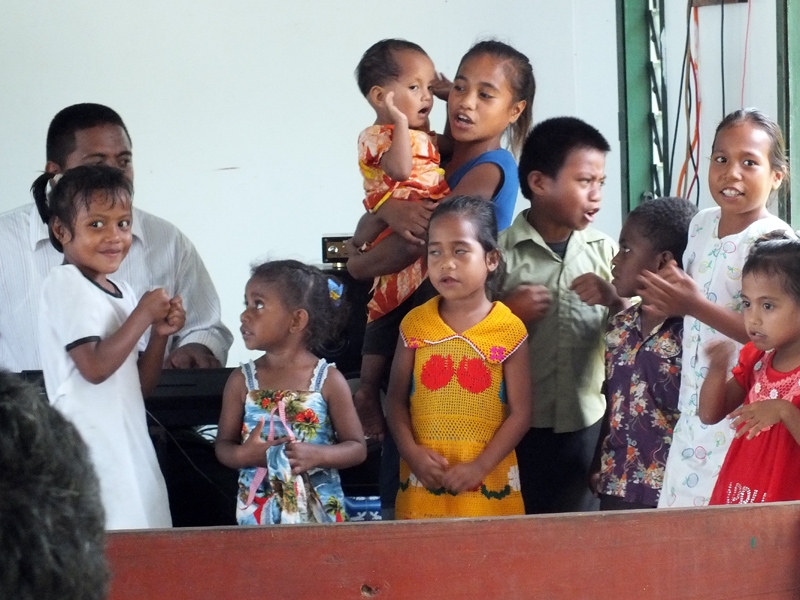
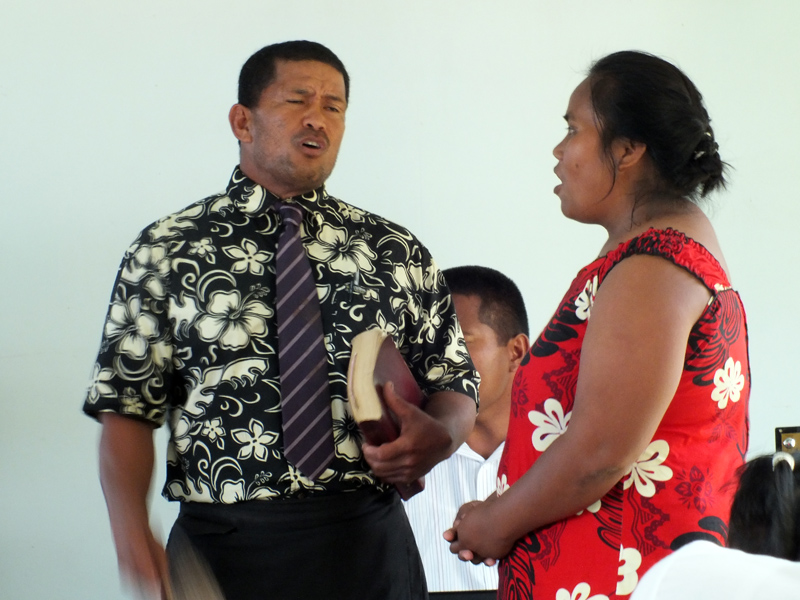
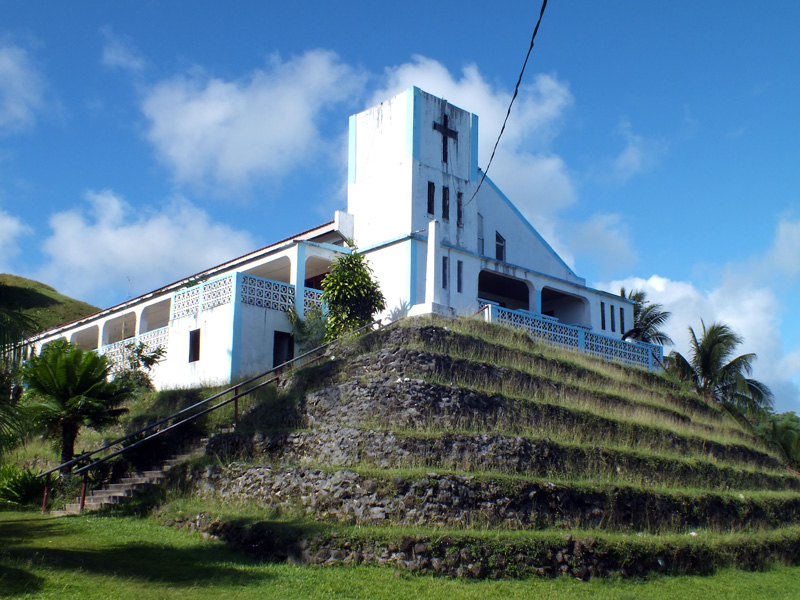
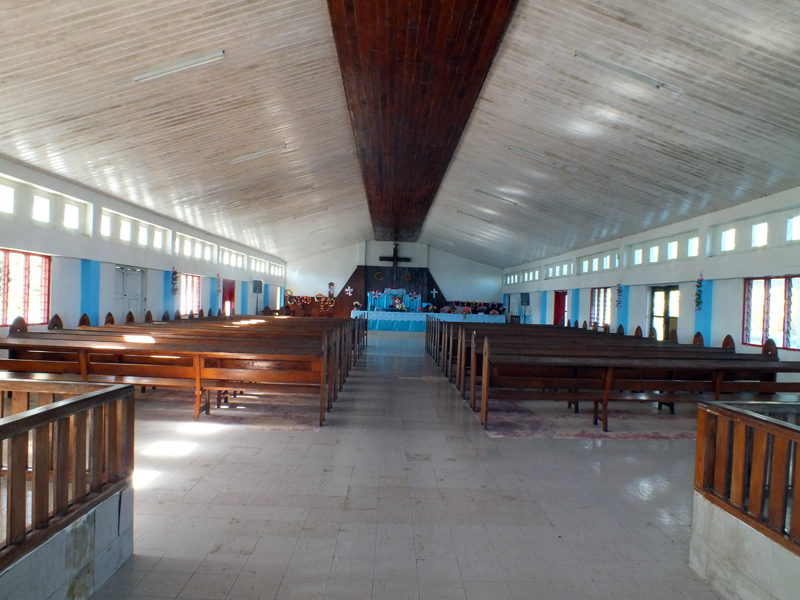
We visited the church with them and were invited for a meal. We spent priceless and unforgettable moments with the whole family.
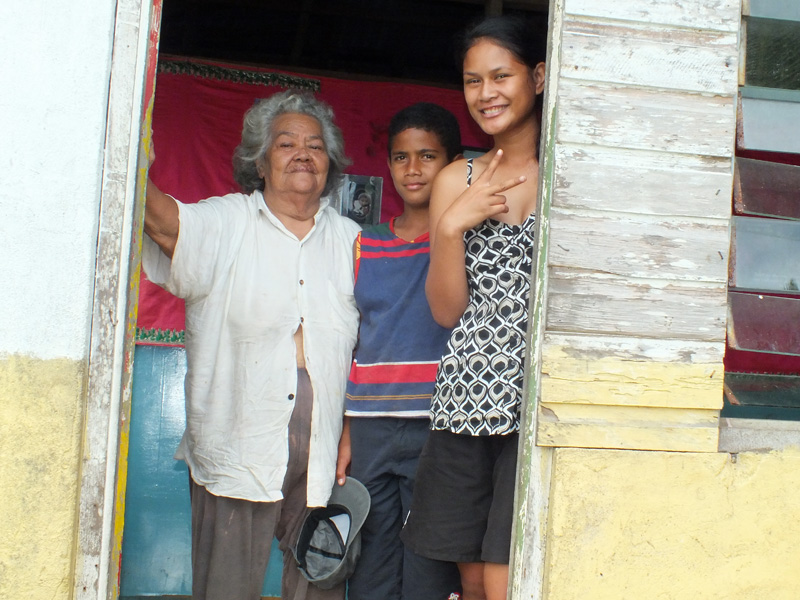
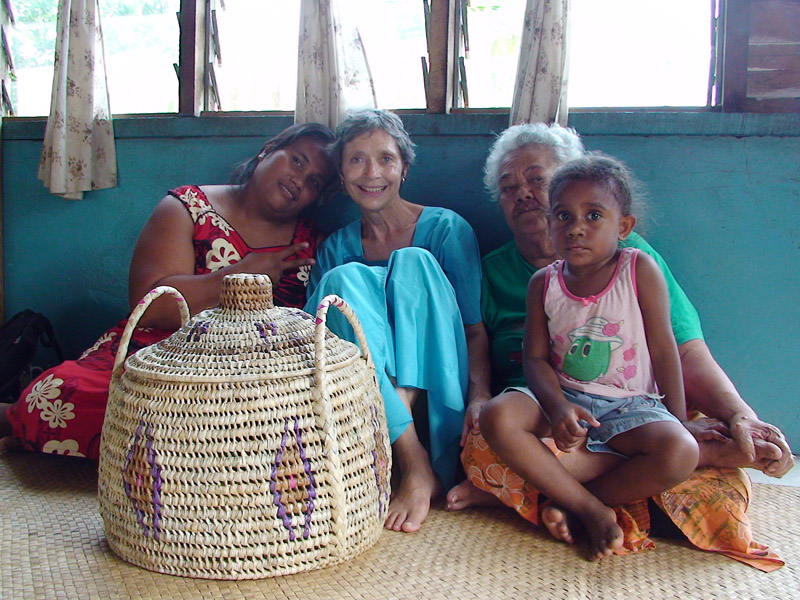
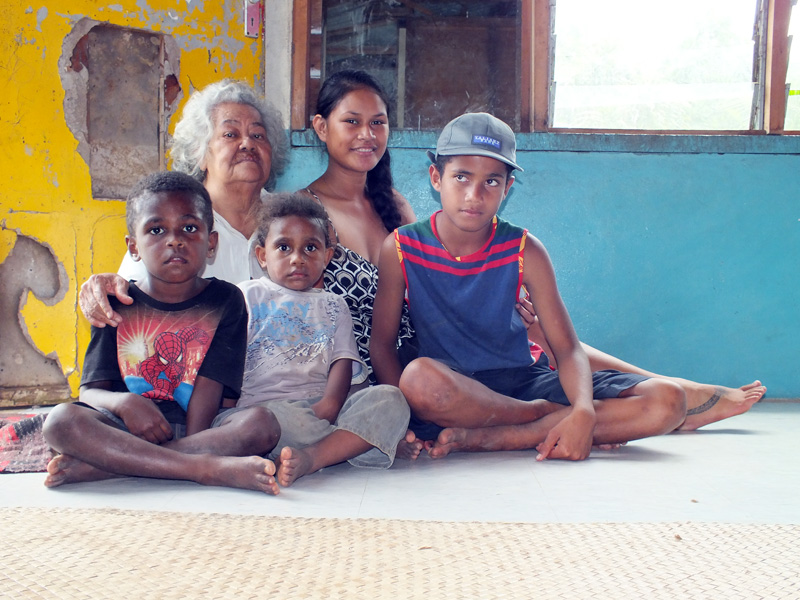
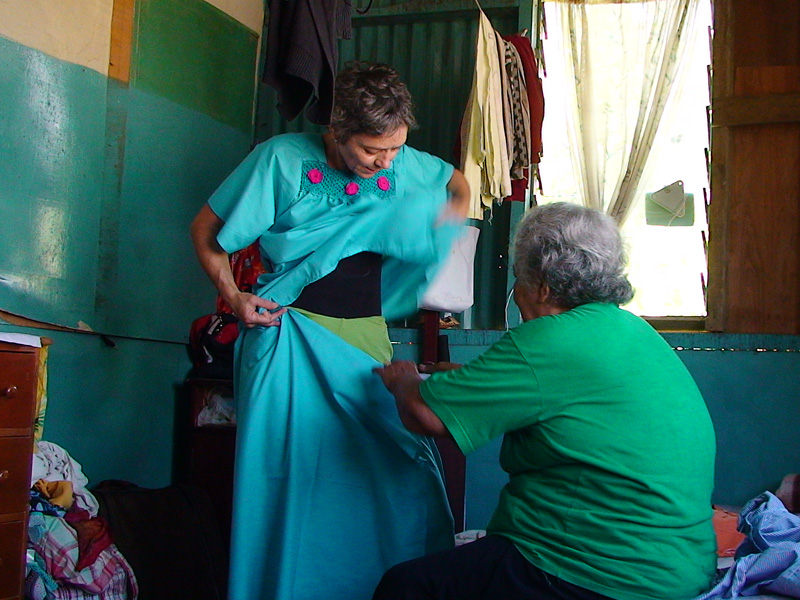
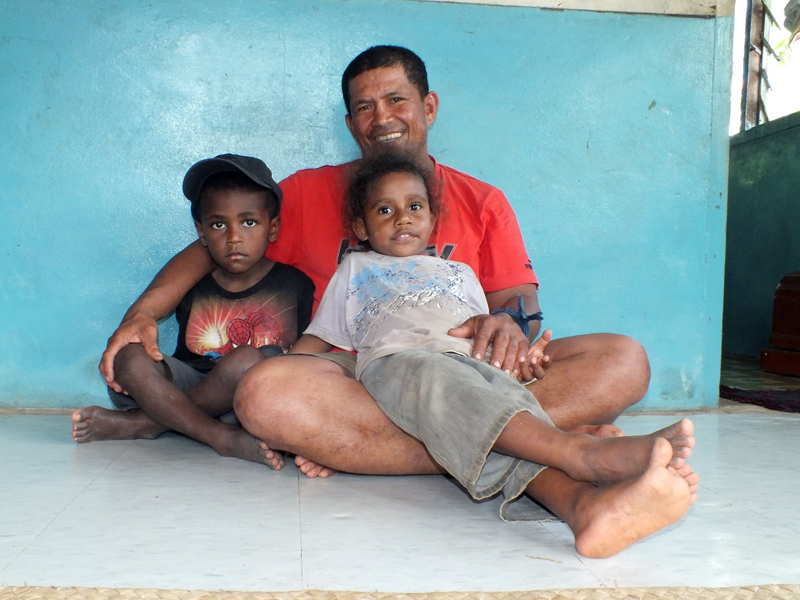
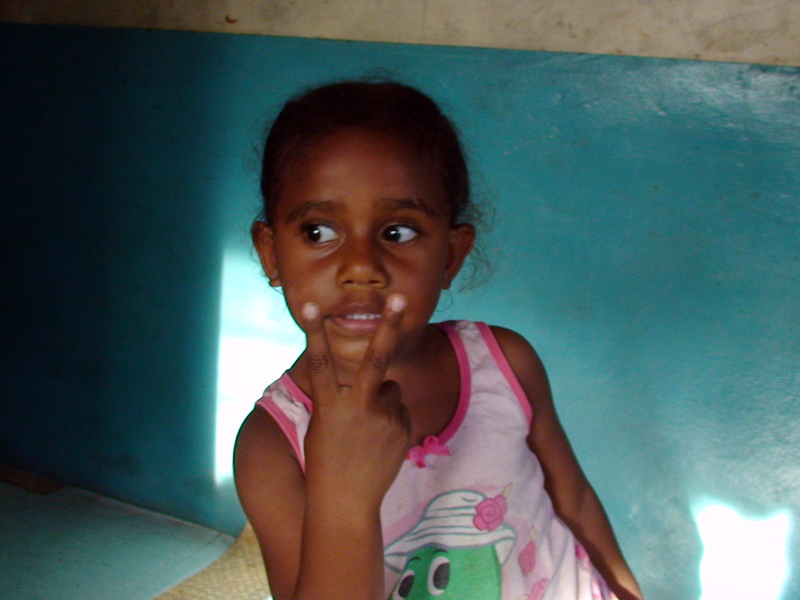
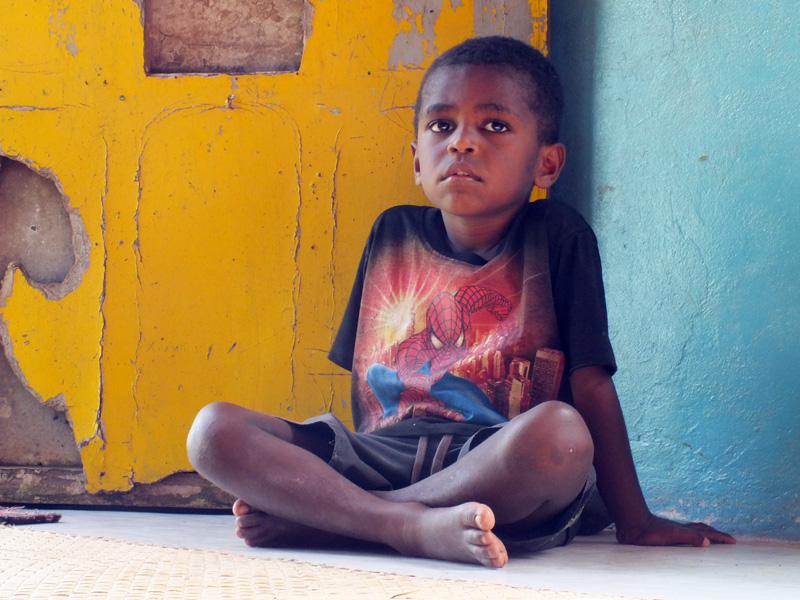
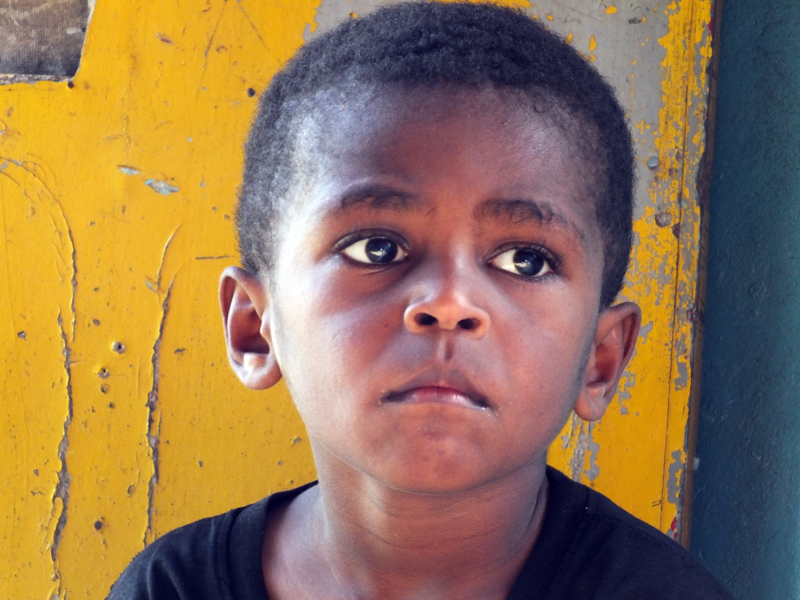
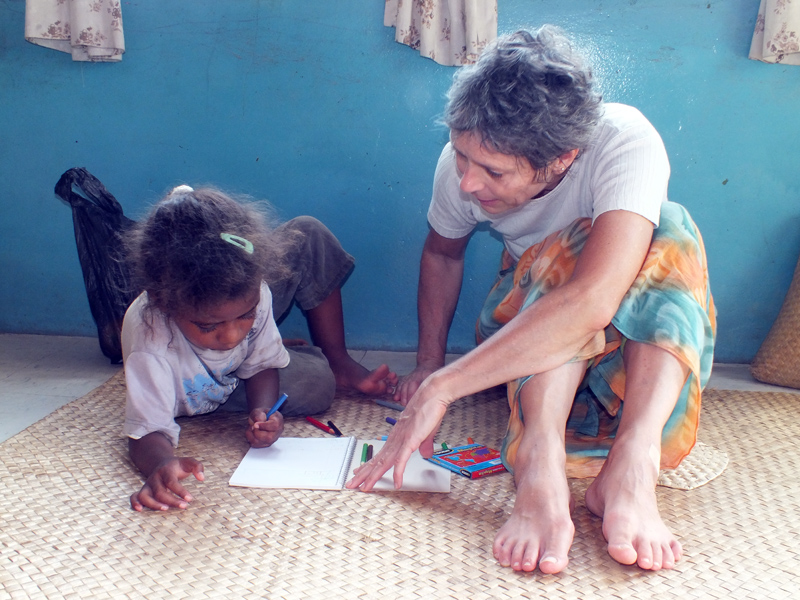
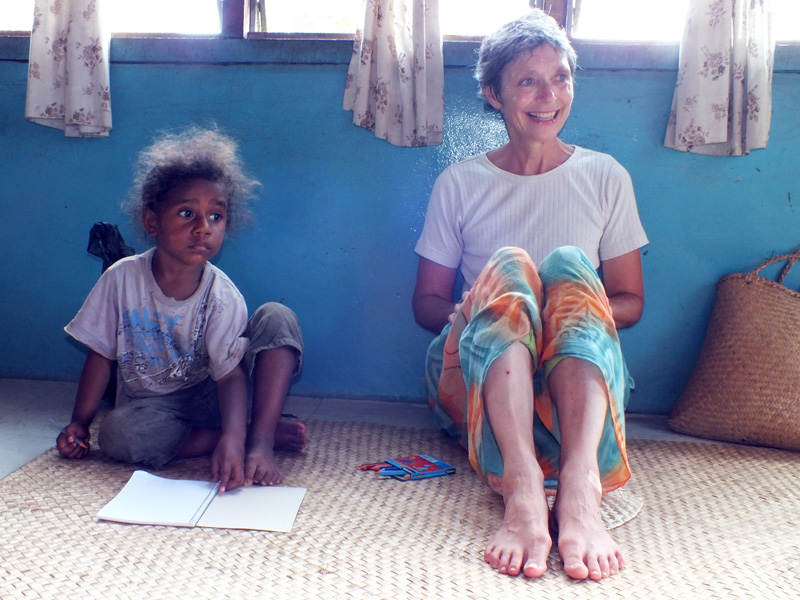
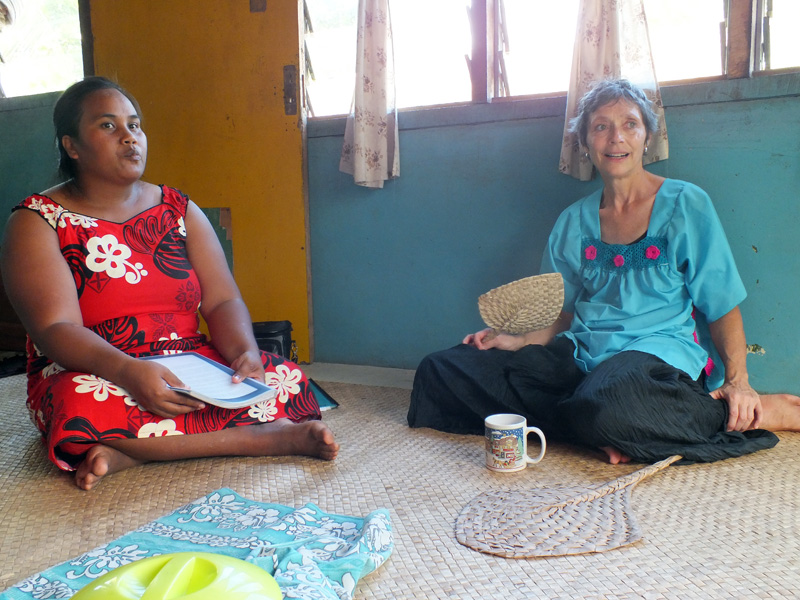
Rabi, Sunday at church with Kaurasi
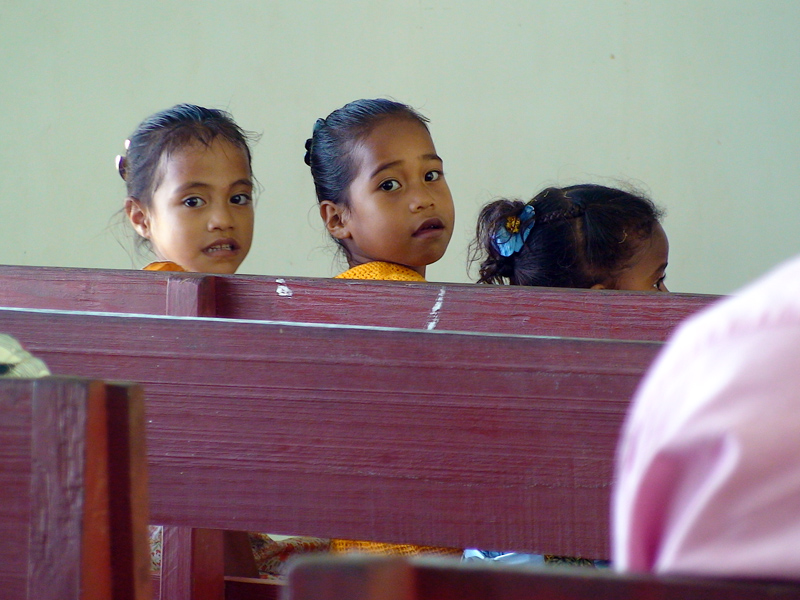
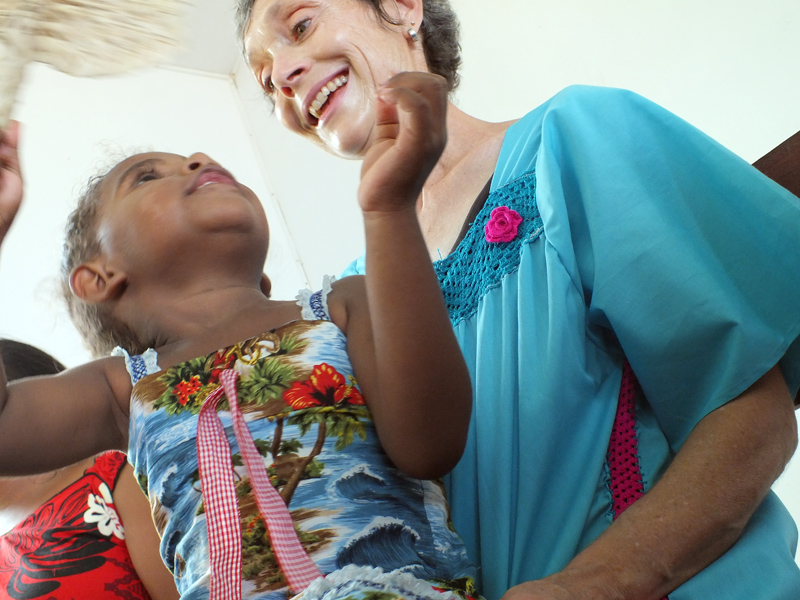
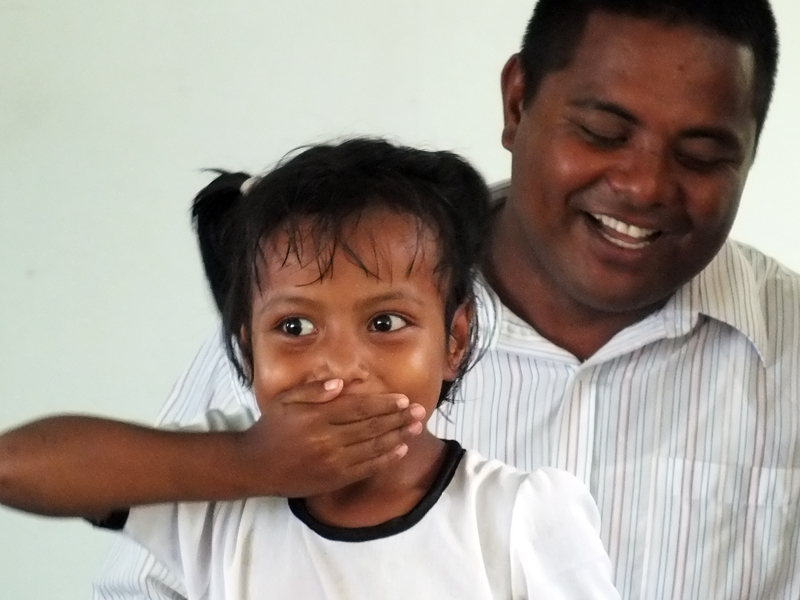
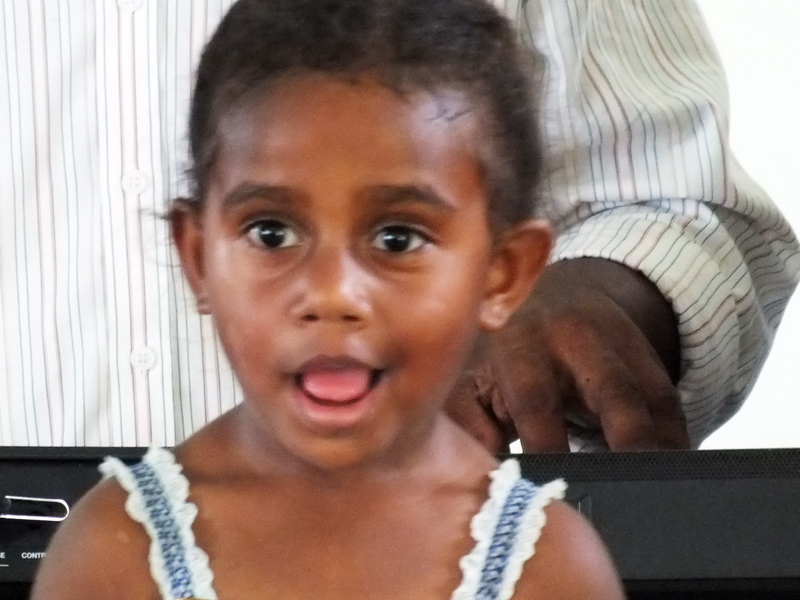
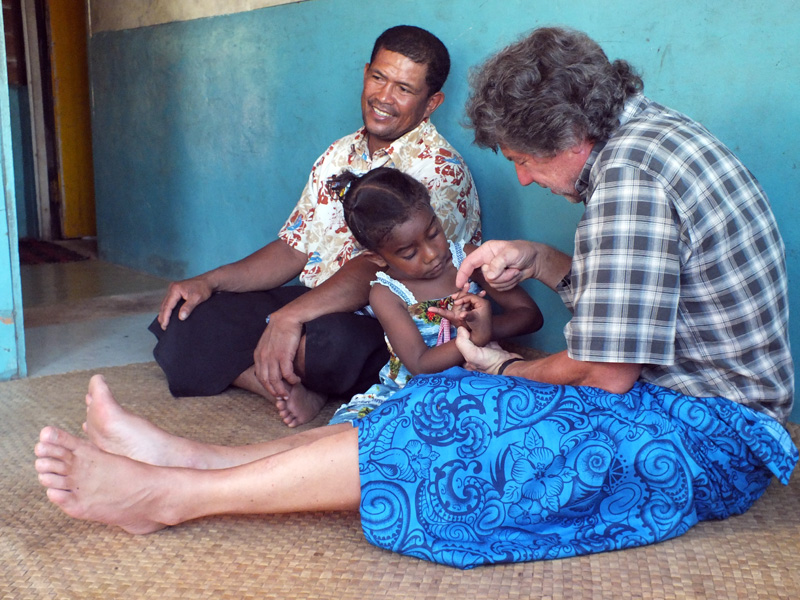
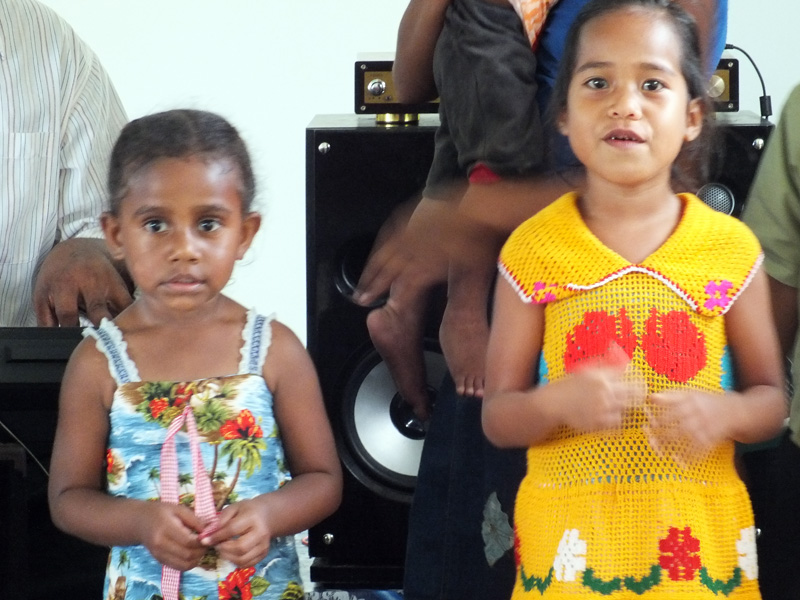
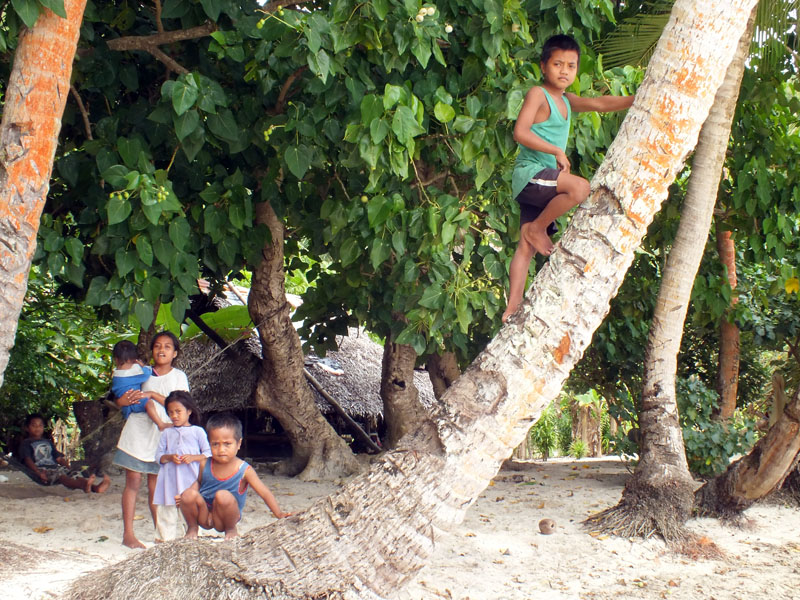
Rabi, children
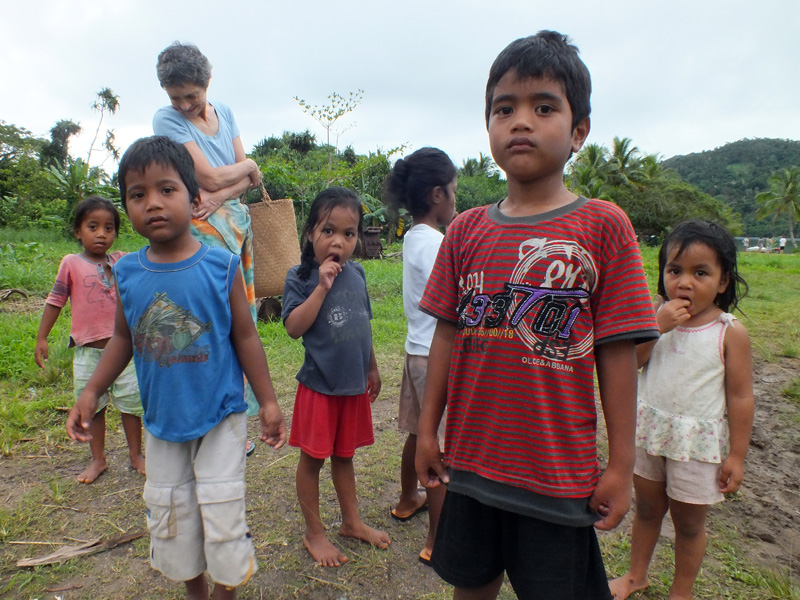
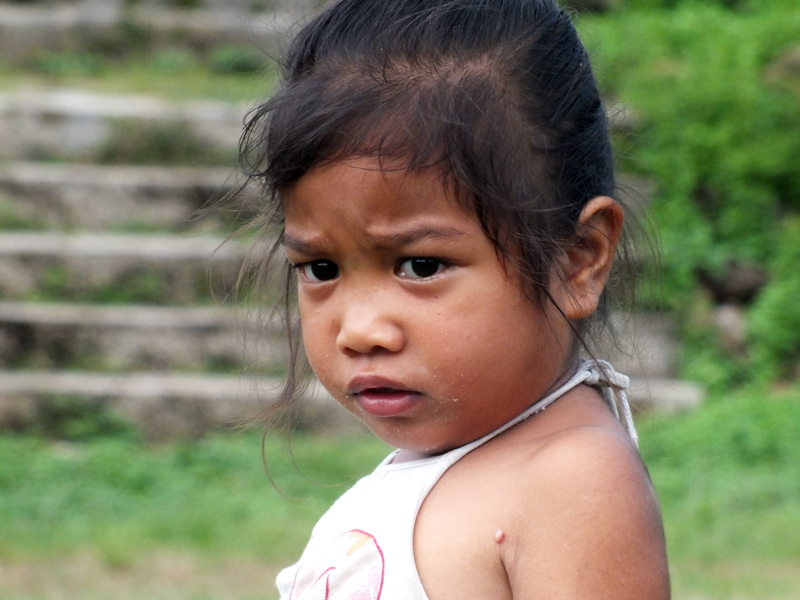
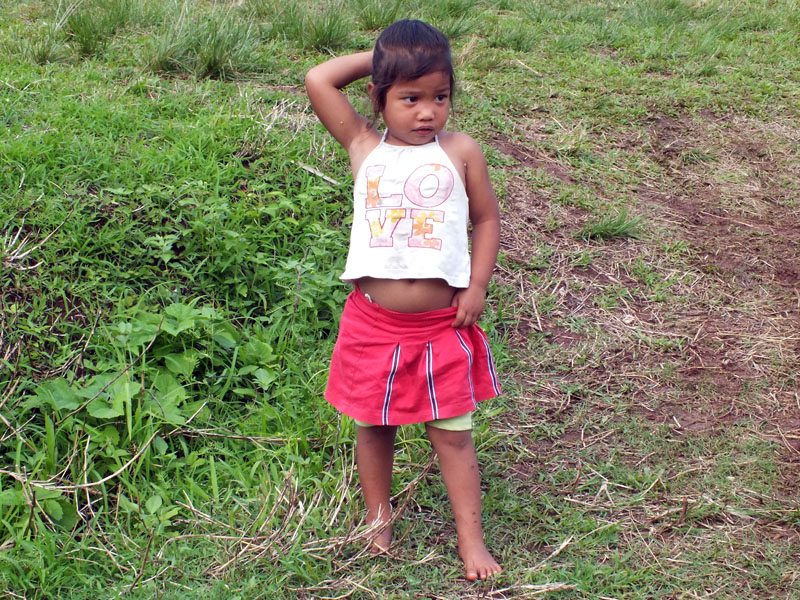
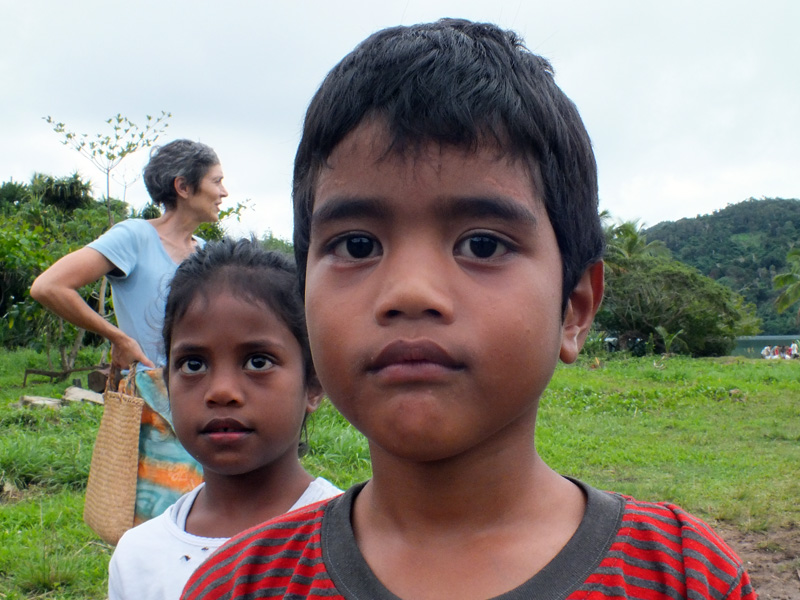
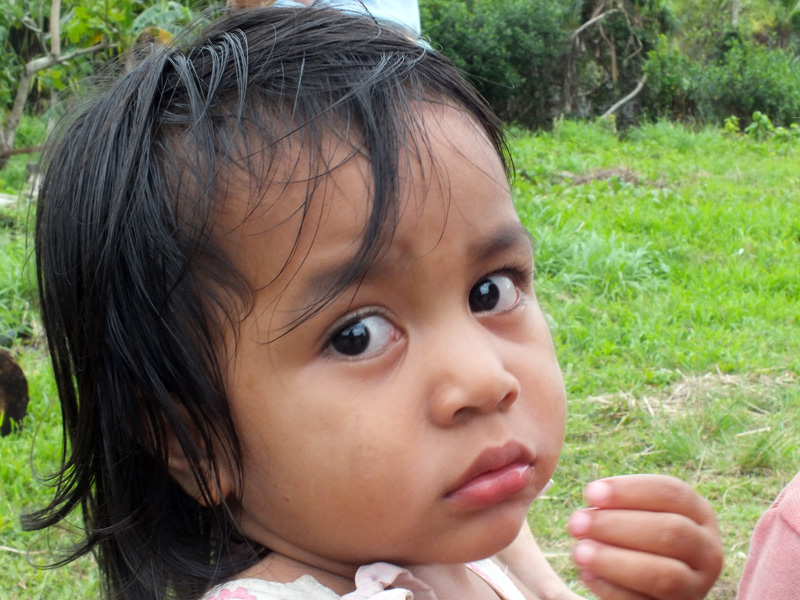
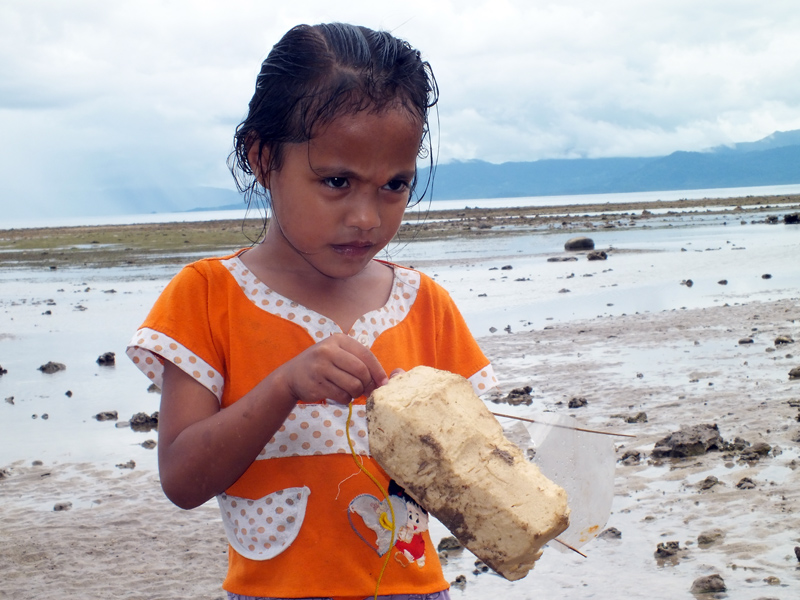
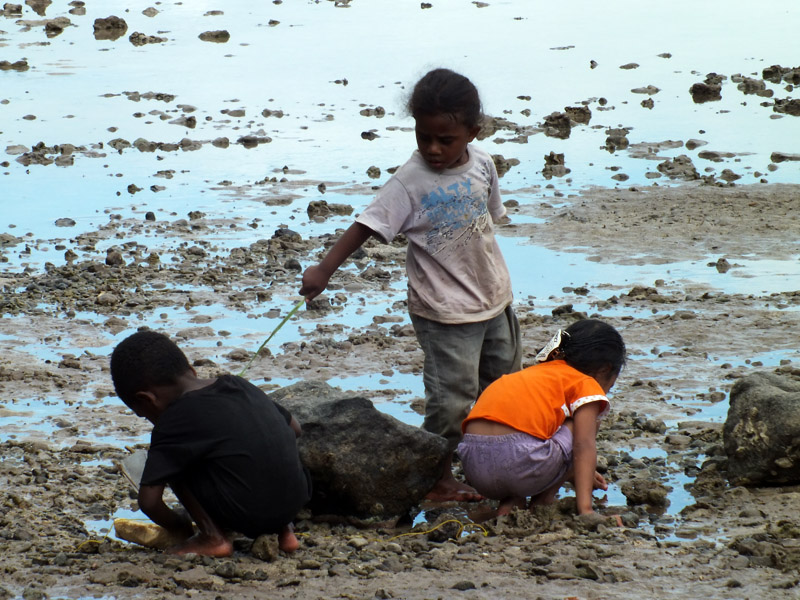
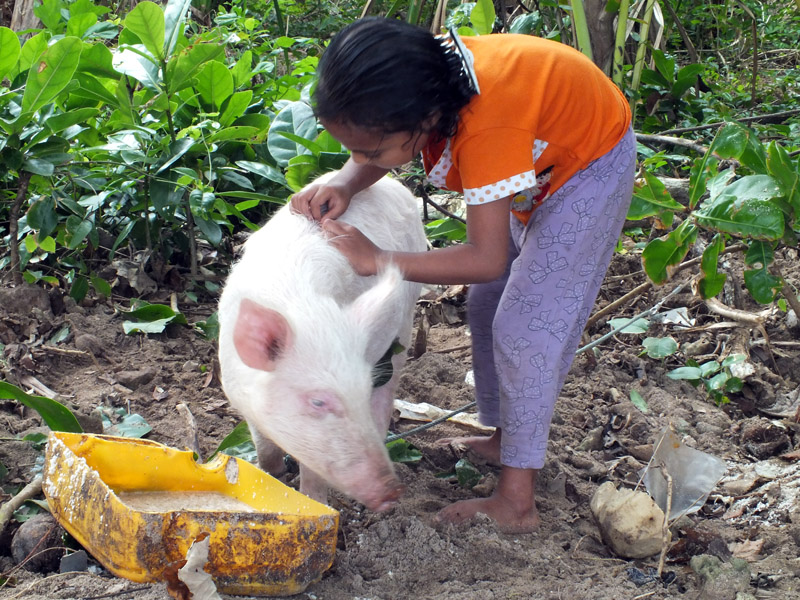
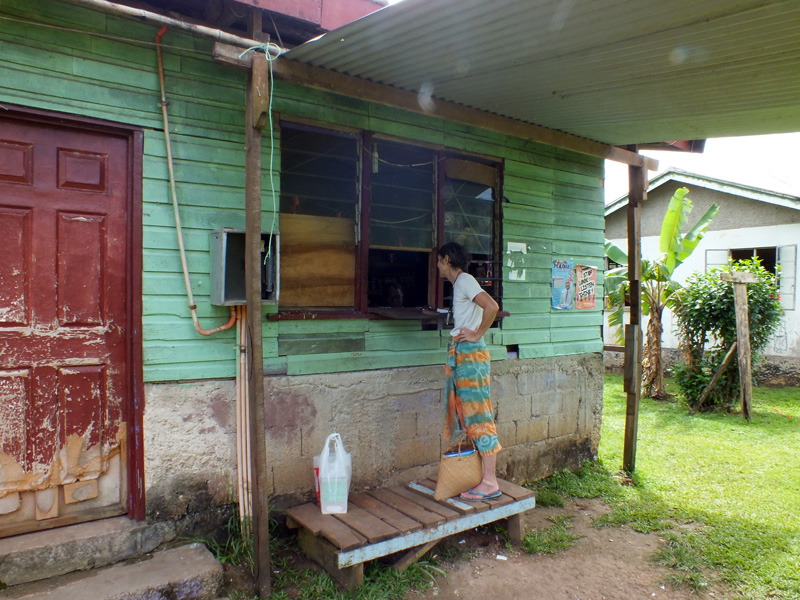
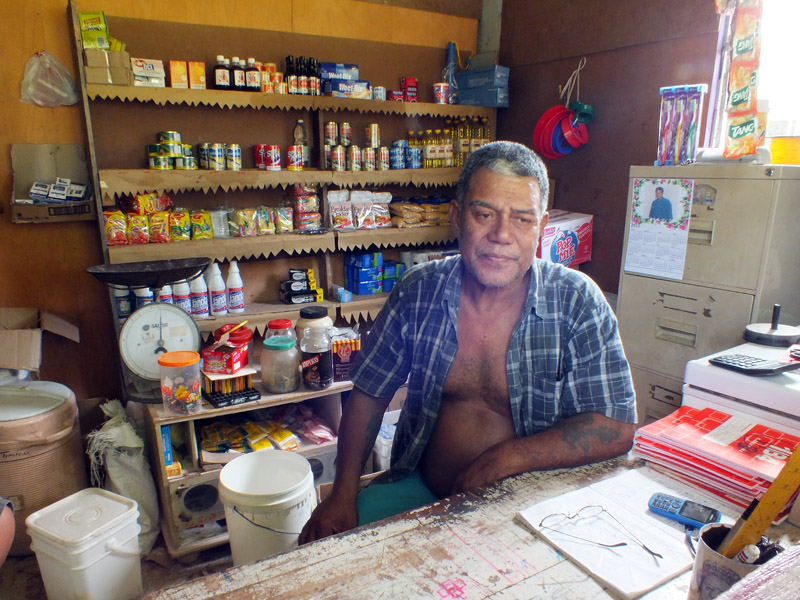
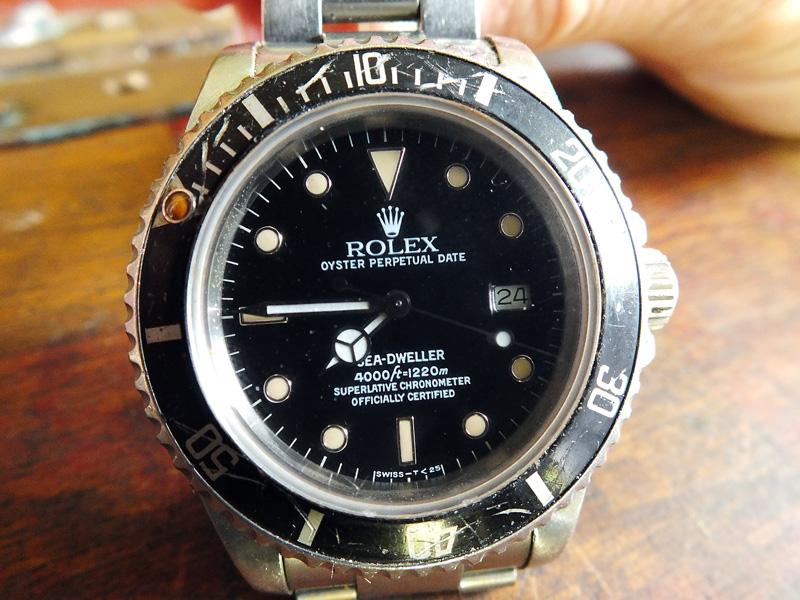
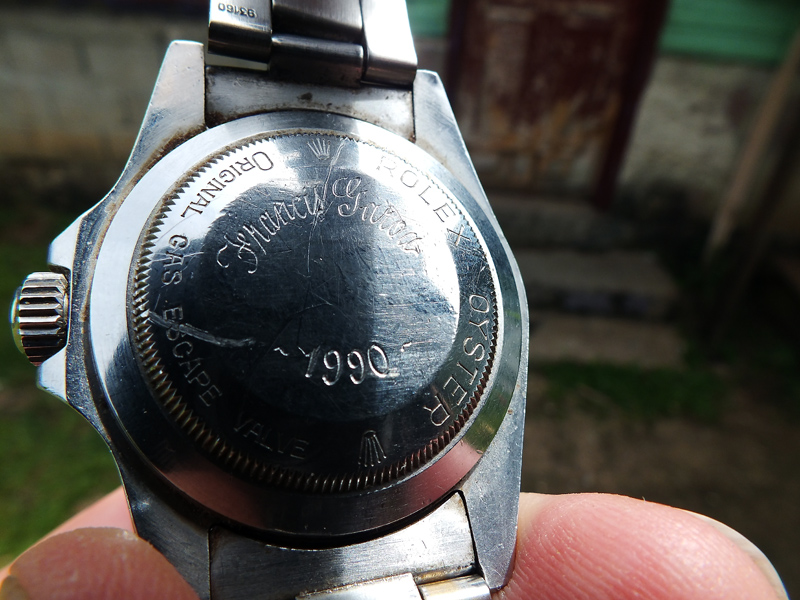
Rabi, Rolex watch
Rabi, trip to Nuku
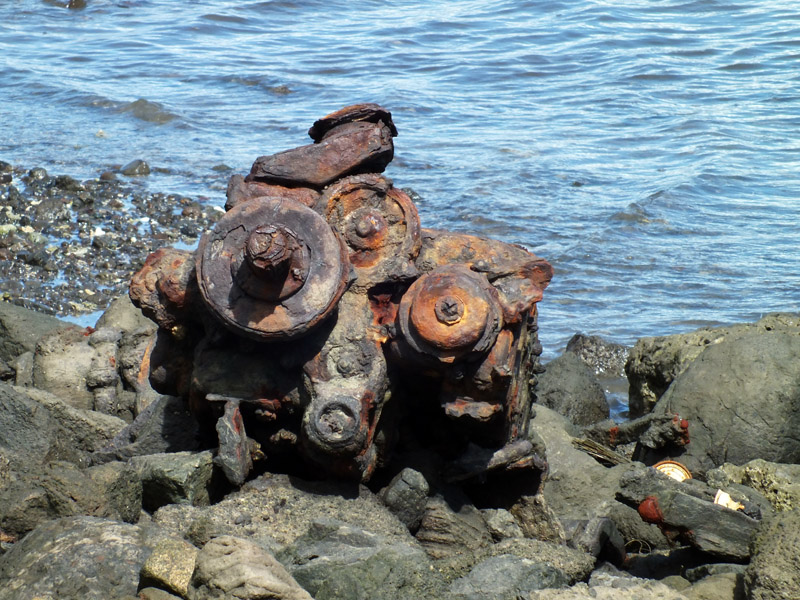
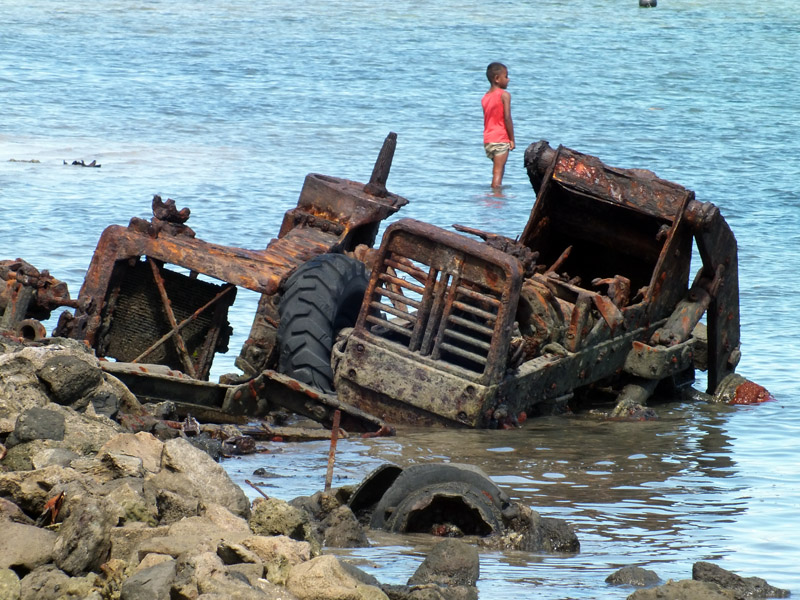
I do not wish to dwell further here on the sad past of the former inhabitants of Banaba, this friendly island, and the shameful deeds of the Japanese and the British.
You can read about what these two countries perpetrated here: http://de.wikipedia.org/wiki/Banaba
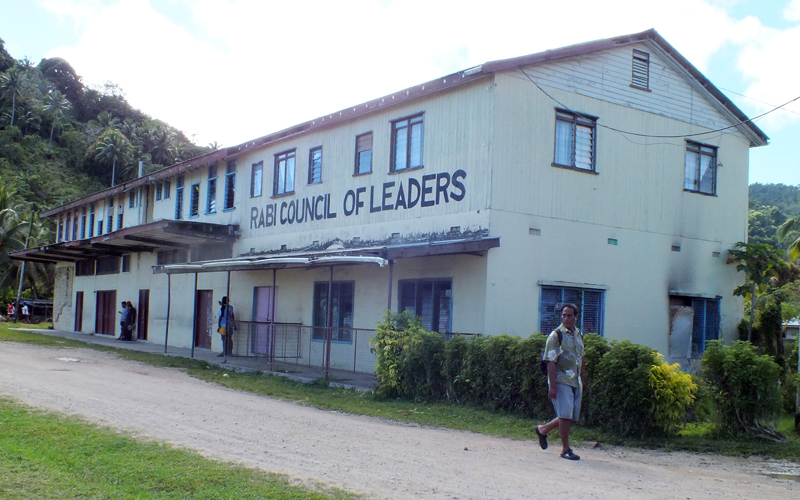
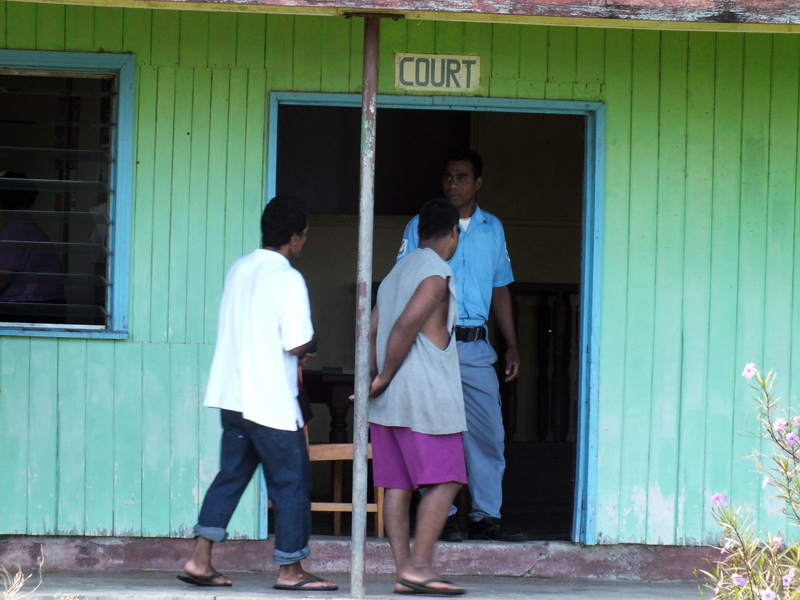
Rabi, Nuku, court
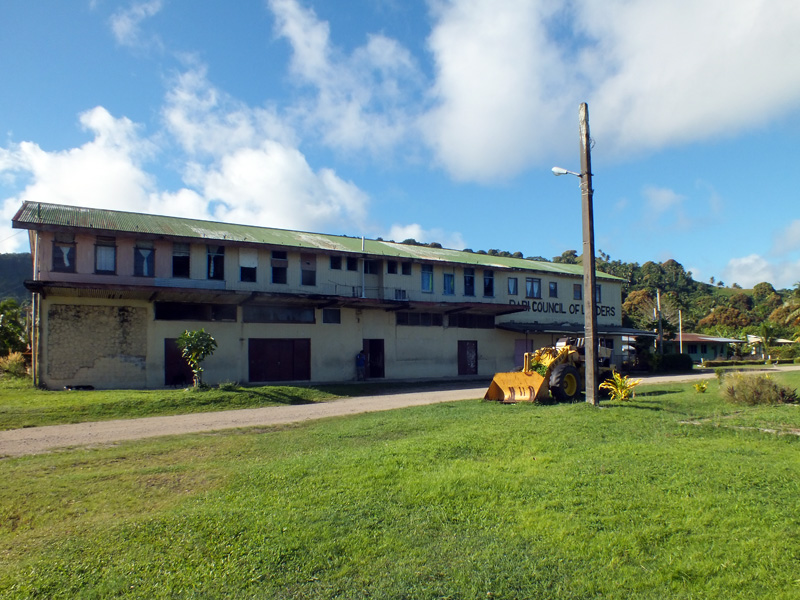
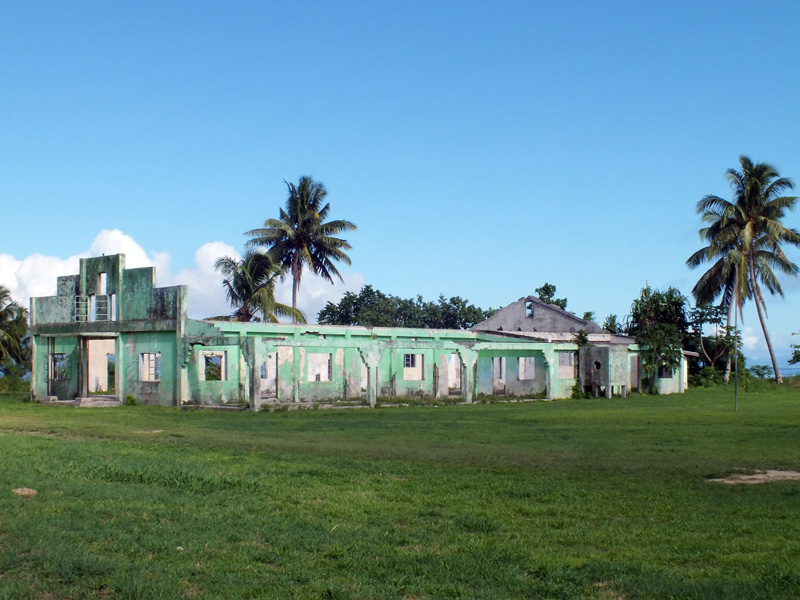
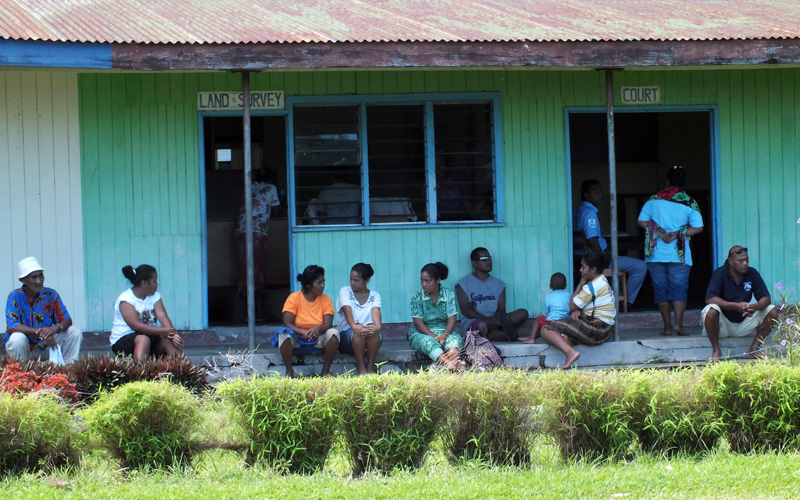
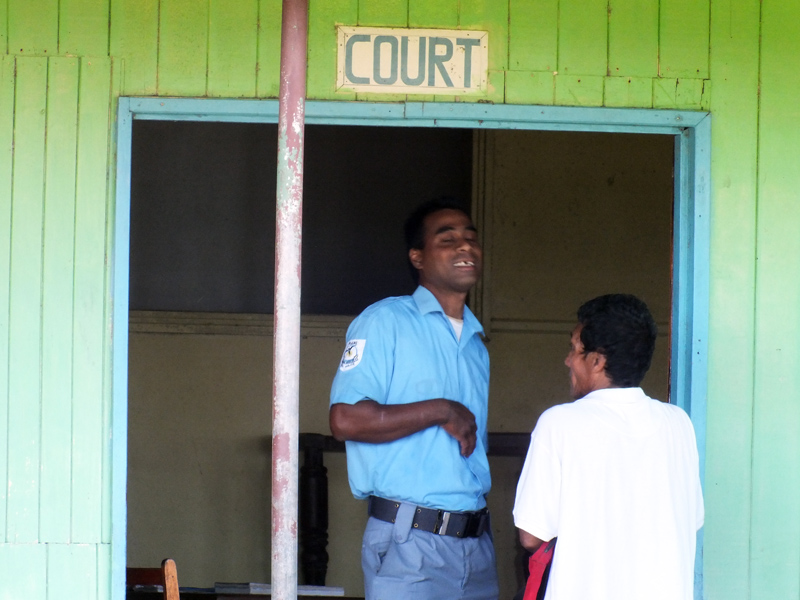
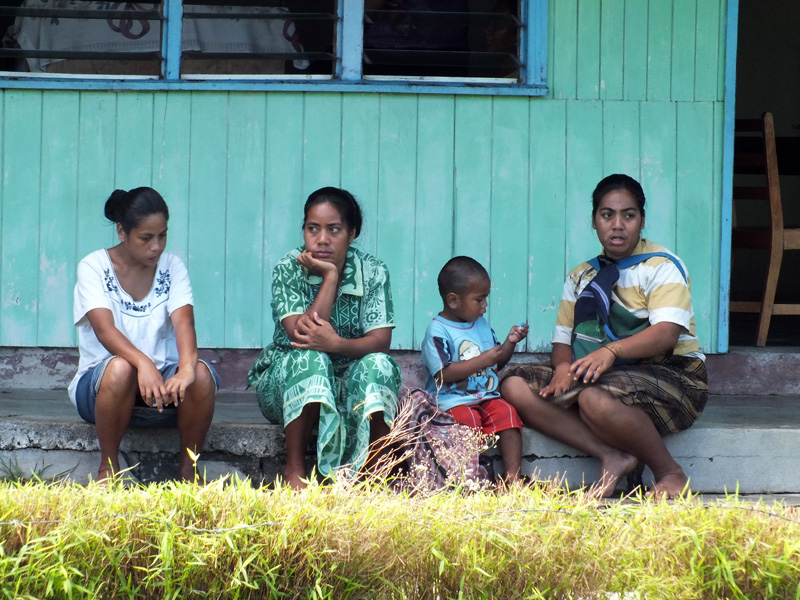
There is never really much going on in the island's small main town. Yet, on the very day of our visit, we witnessed an unusual event, at least to us. About 20 people were gathered in front of the small courthouse. The doors and windows of the courtroom were wide open, and the crowd eagerly followed what was going on inside. Naturally, this started to interest us too. Driven by curiosity, we began to inquire about what all this was supposed to mean.
The solution to the puzzle was simple. Every few months, government officials travel around the island to inspect various houses and households for cleanliness and hygiene, checking whether garbage is lying around in and around the house and such things. Anyone who fails this hygiene and cleanliness check has to appear in court. And those were precisely the offenders in question back then. The court, consisting of one person, was in session and dispensing justice, or more precisely, they were verbally reprimanded in front of the villagers and then had to pay a fine.
Fawn Harbor