Canada · Vancouver Island
The West Coast of Vancouver Island
Fury Cove in Queen Charlotte Sound
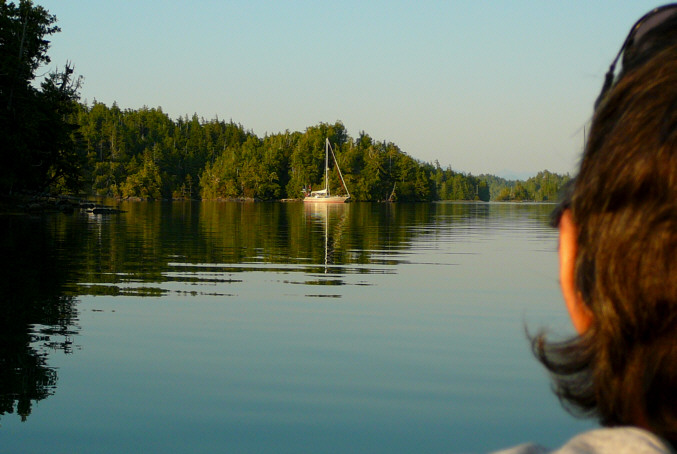
Fury Cove is a perfectly sheltered anchorage on all sides. There, we waited for a suitable weather window to cross the truly not entirely harmless area from Cape Caution to Cape Scott.
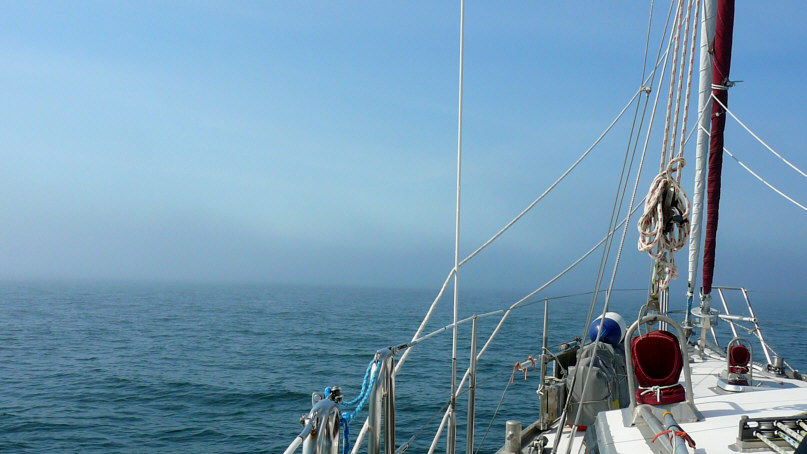
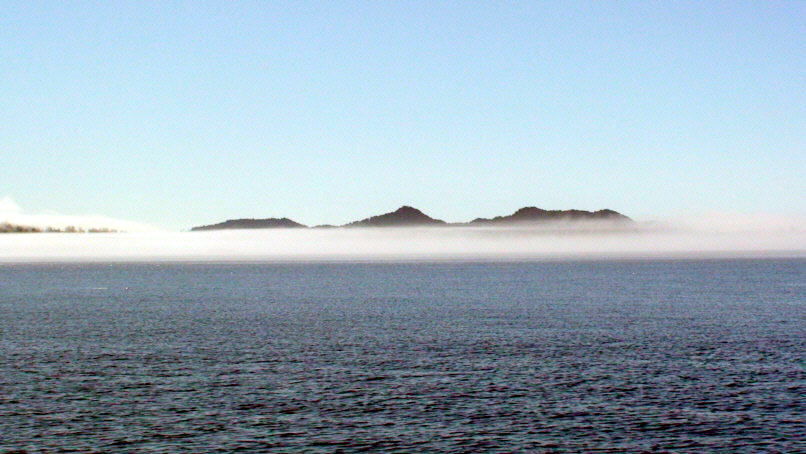
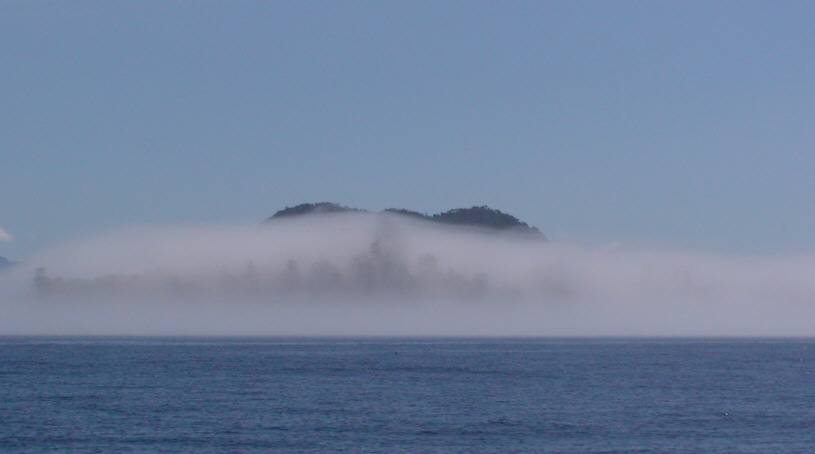
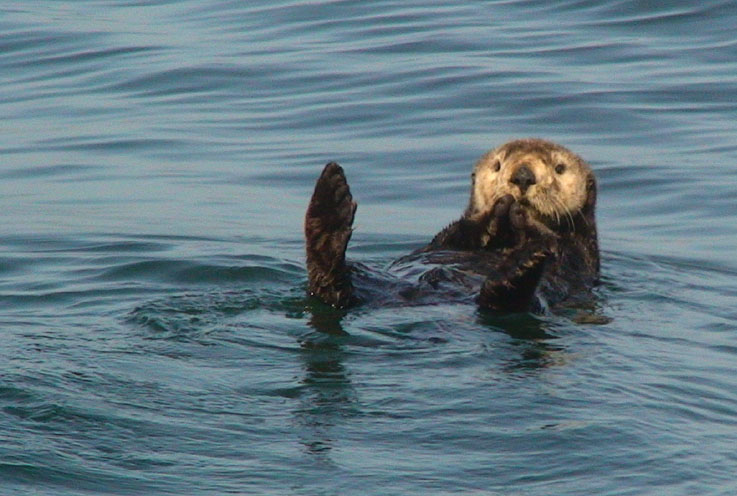
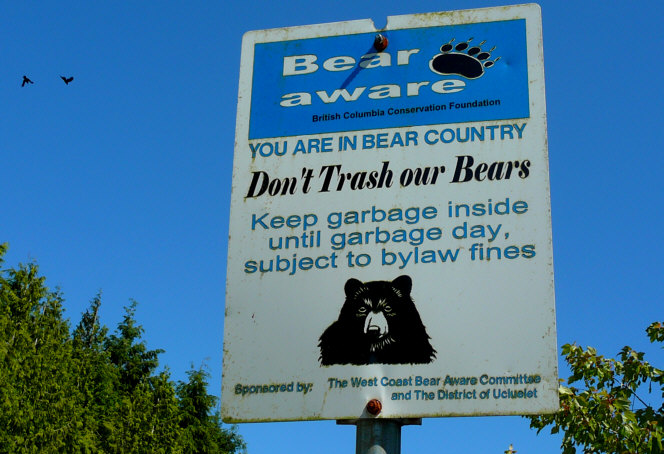
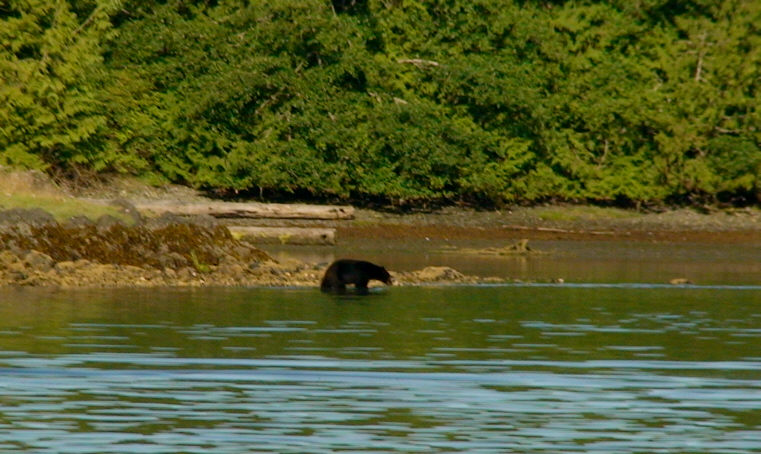
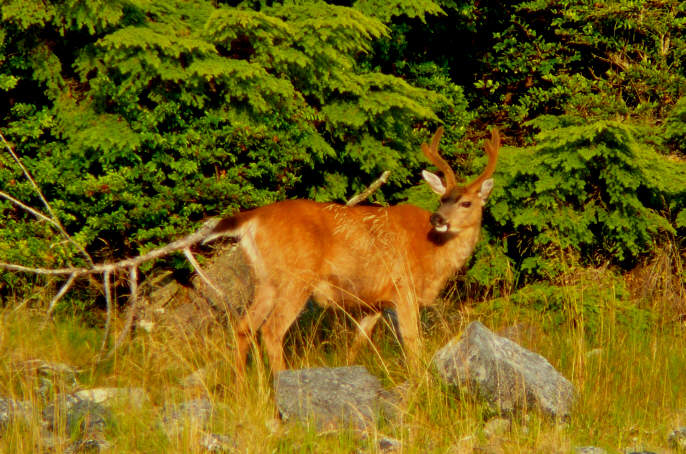
Here at the northern tip of Vancouver Island, where Queen Charlotte Strait and Queen Charlotte Sound meet, it is immensely important to obtain and also take into account the correct weather information.
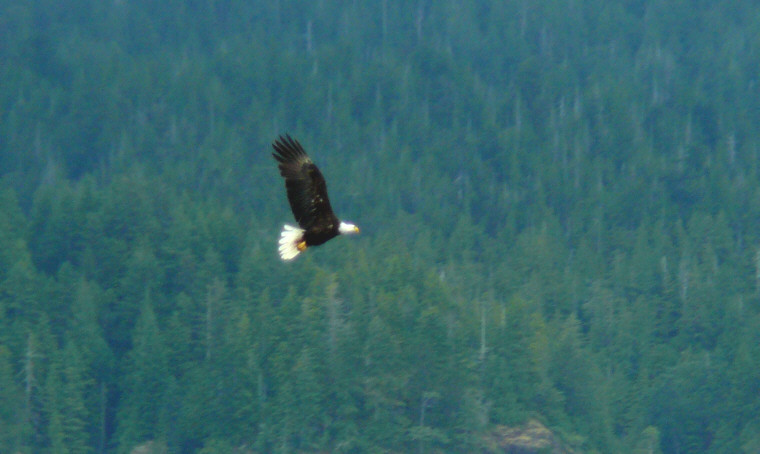
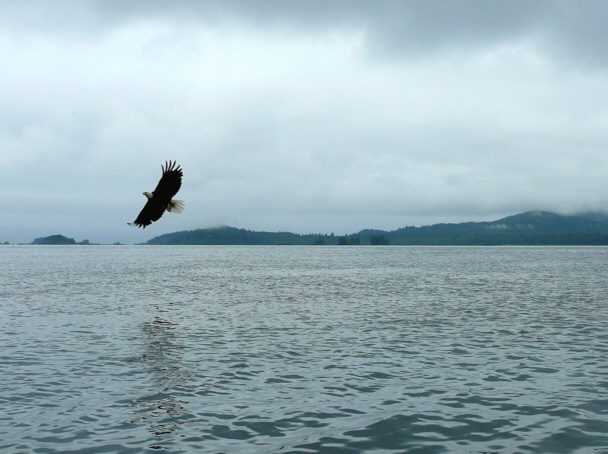
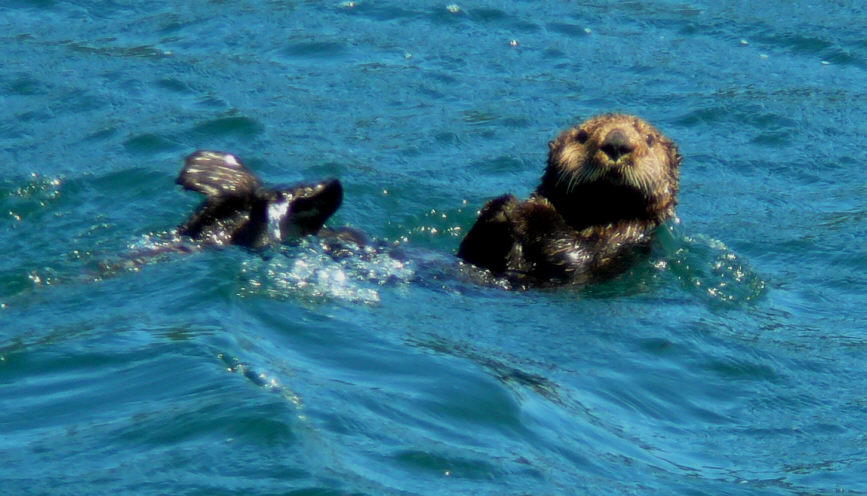
Because of the strong tidal currents, which at times run against the wind direction, very unpleasant and confusing cross seas sometimes form here. Boats can end up being tossed back and forth, much like in a washing machine on the spin cycle. We definitely did not want to be a part of that. So for us time millionaires, it once again meant… waiting it out and... no, no, not drinking tea… but rather observing animals, going fishing, and Yvonne diving into the production of her silk jewelry. The rounding of Cape Scott and then onto the Pacific side of Vancouver Island
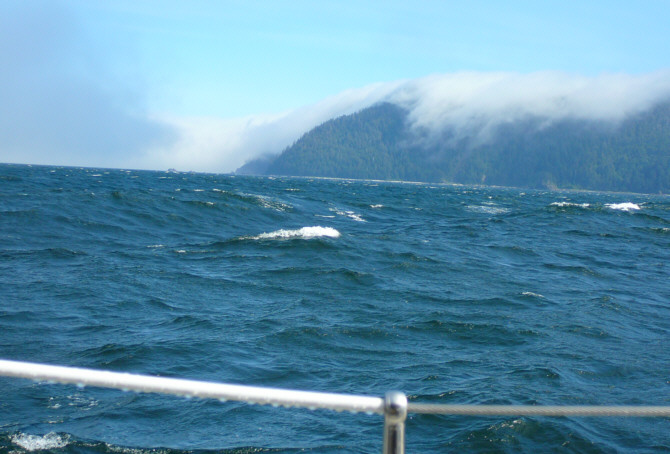
After the lengthy wait, continuing our sail had finally become justifiable. The wind had shifted from southwest to northwest, and we hoped that the unpleasant yet high swell would soon subside to a normal level as well. Unfortunately, we would later experience firsthand that hope regarding weather and swell forecasts is always a pure game of chance. Hours later, when returning to the anchorage was no longer possible, it was simply a matter of "Gring ache u seckle", as Anita Weyermann would say. The swell had not decreased, but only slightly changed its direction. This, as usual, naturally to our disadvantage. But so what. We have arrived on the west coast of Vancouver Island. Granted, totally shaken up, without any joy in the journey, and long past our originally scheduled travel time. We dropped anchor in the first reasonably protected cove. The next day, everything looked much friendlier again. The sun was shining, and the mood on board settled back to its usual good level.
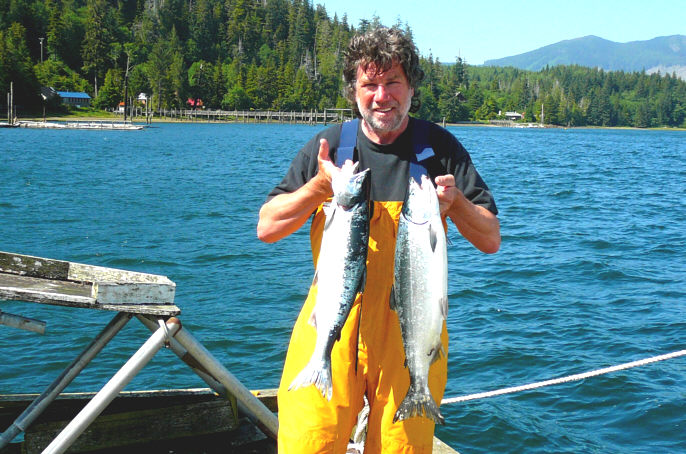
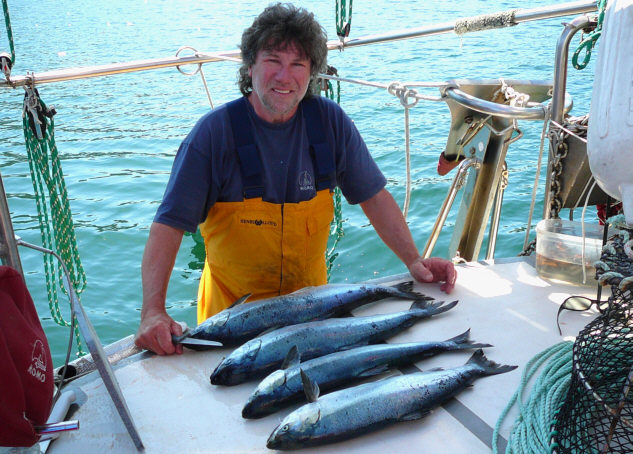
The scent of salmon was in the air. Canadians predicted that the summer of 2009 would turn out to be an exceptional salmon year. I was quite curious about that, because here in North America they always and everywhere say... the biggest... the best.
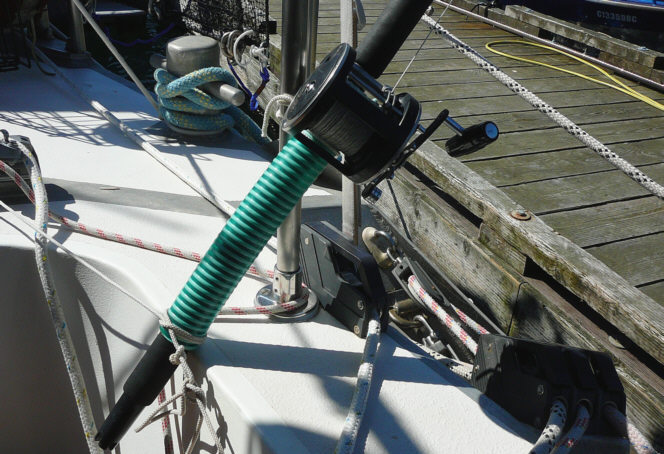
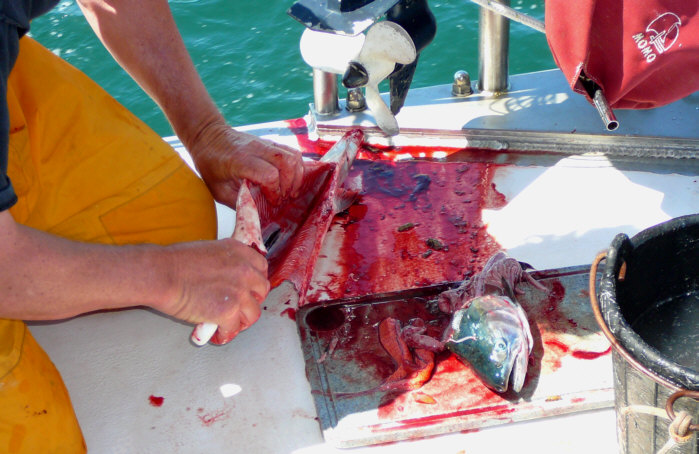
So I went salmon fishing. Catching salmon in the open Pacific is considerably more difficult than it is in a narrow river inland. For once, my expectations were far exceeded.
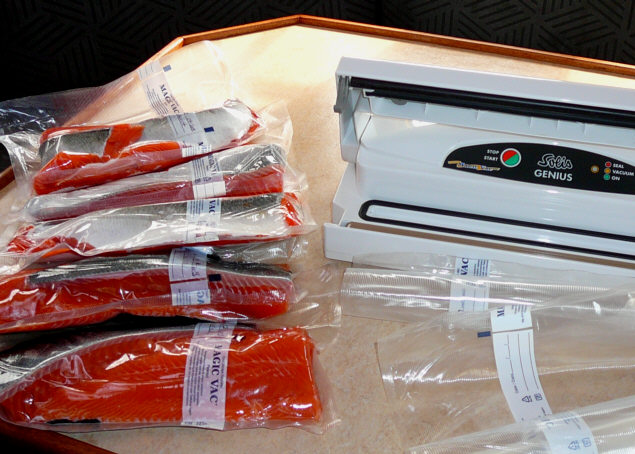
After I figured out the special catching technique, we had self-caught, wild Pacific salmon on our plates every day. We were also able to build up a reasonable supply in the freezer for our upcoming time in California.
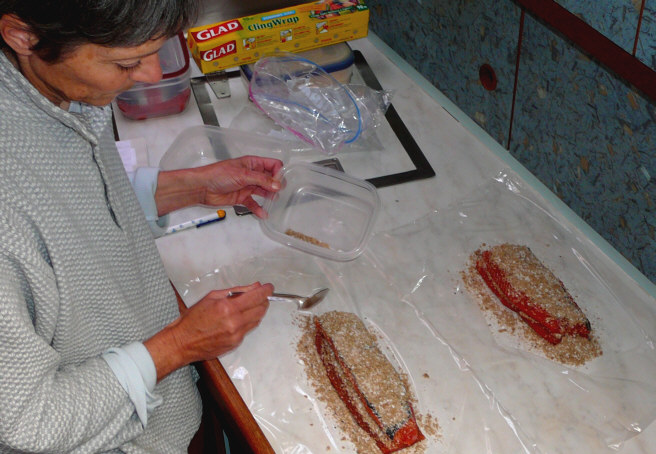
Yvonne increasingly developed into a specialist in preparing my catches. She had discovered one preservation method in Sweden. Gravlax. This is a very unusual process for curing salmon... yet one of the best ways to enjoy it later. "Yummy Yummy", our visitors kept saying unanimously.
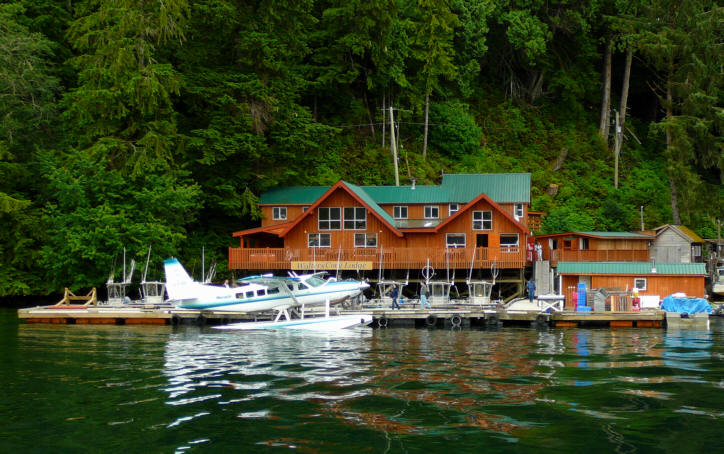
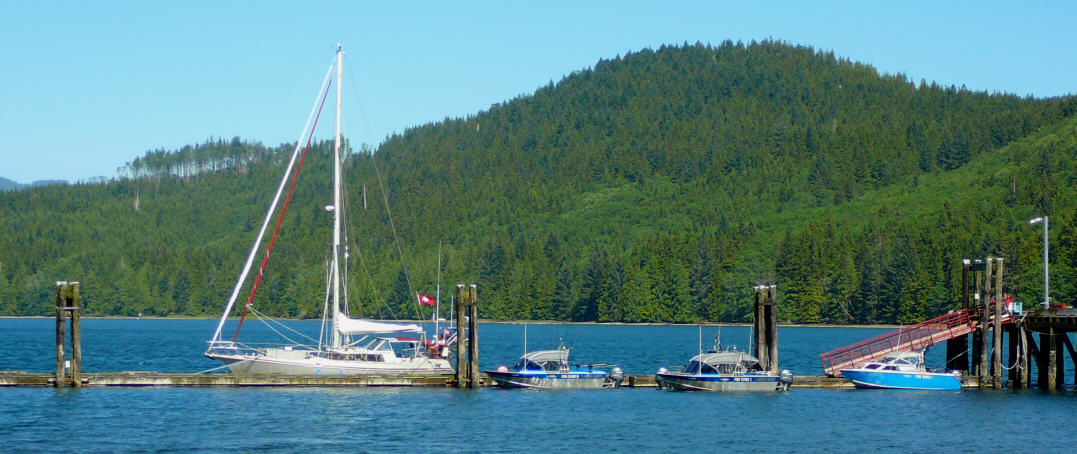
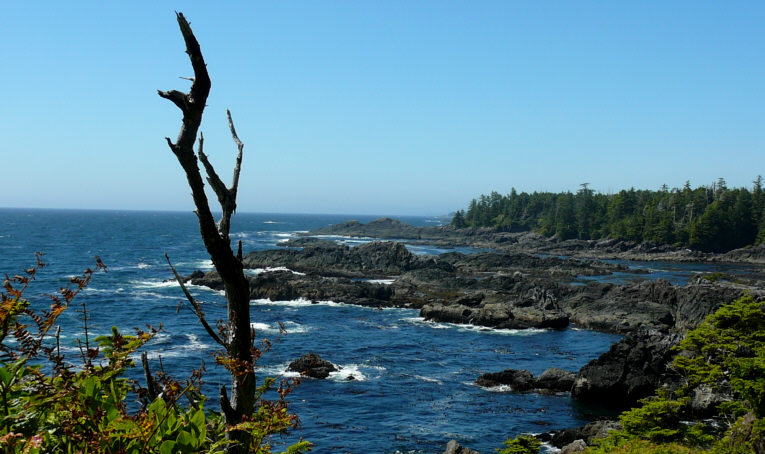
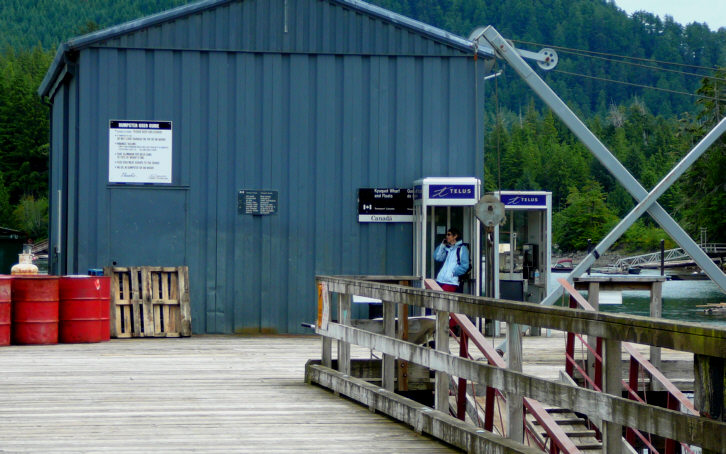
From cove to cove, from anchorage to anchorage, from mini village to fishing lodge, our days drifted by so pleasantly. Nice encounters with boaters and canoeists. Fishing and enjoying the wild west coast of this island, we sailed southeastward toward the Juan de Fuca Strait. Rainy days were in short supply this time. After last year's wet experience in British Columbia, I could hardly believe my "dry" good fortune.
Friendly Cove in Nootka Sound
On March 31, 1778, the great British navigator James Cook landed in Nootka Sound, and on July 10, 2009, we did the same with our MOMO. You can certainly feel free to forget the second date. It only has a small significance for us, because when you sail in the wake of such significant adventurers and conquerors, then.... well ....
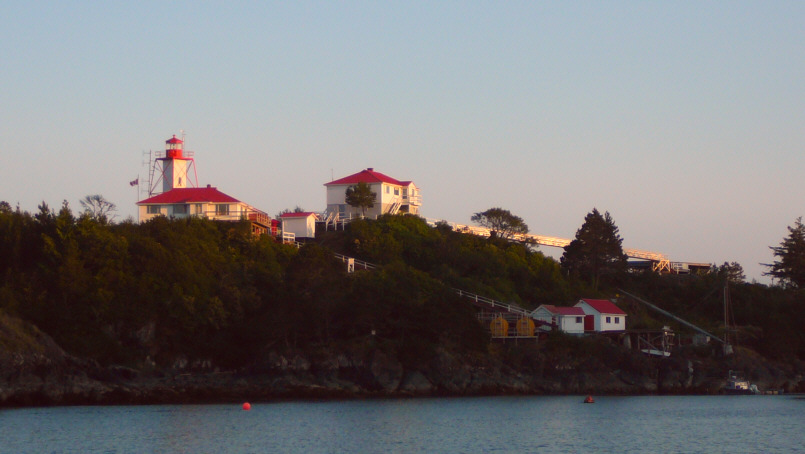
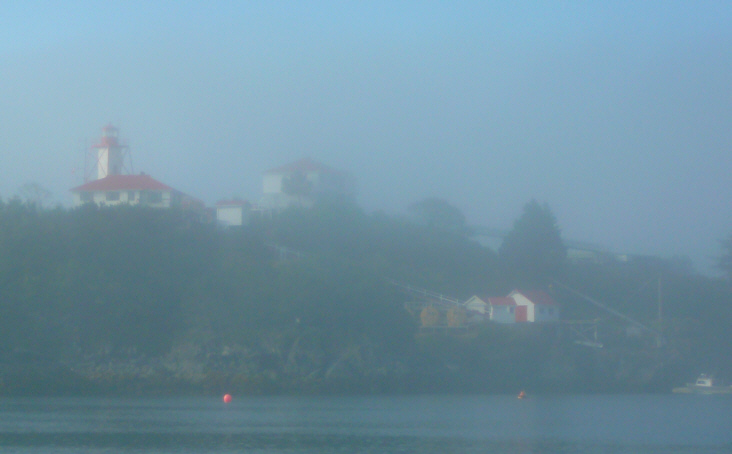
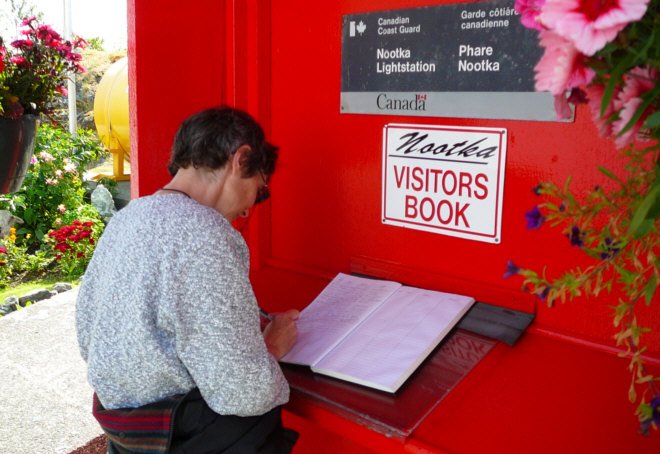
We anchored behind the old, yet still inhabited lighthouse of Friendly Cove. From here, we could leisurely hike to the truly historic spots. Especially impressive was the renovated church in Yuquot, a village that has long since ceased to exist. This is where the British and the Spanish are said to have negotiated an important peace treaty in 1792 on the occasion of the Nootka Convention.
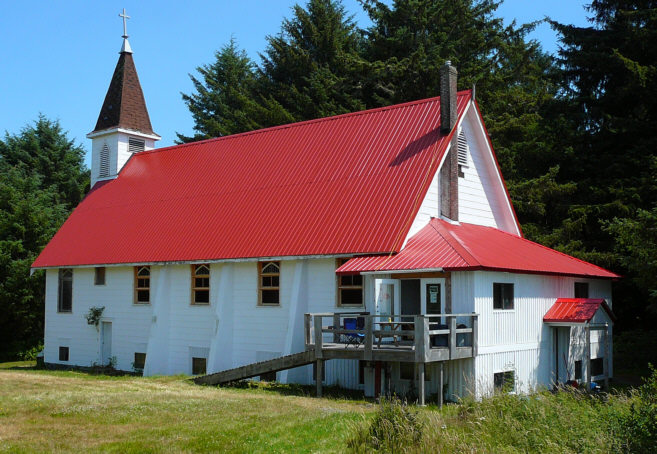
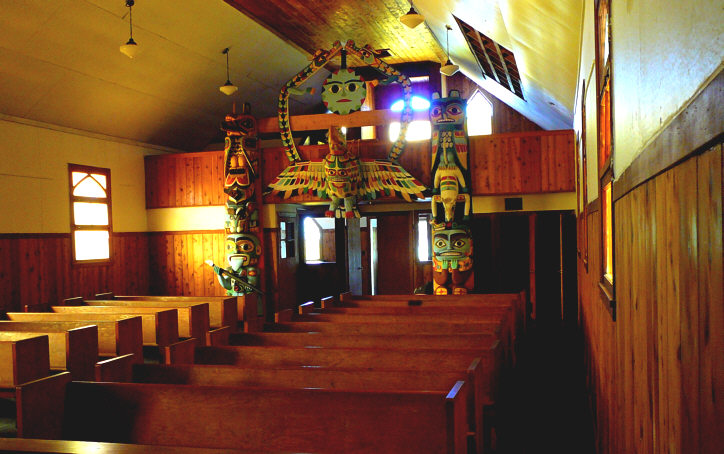
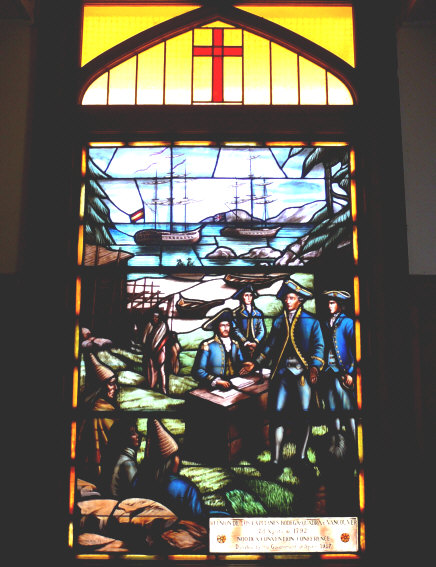
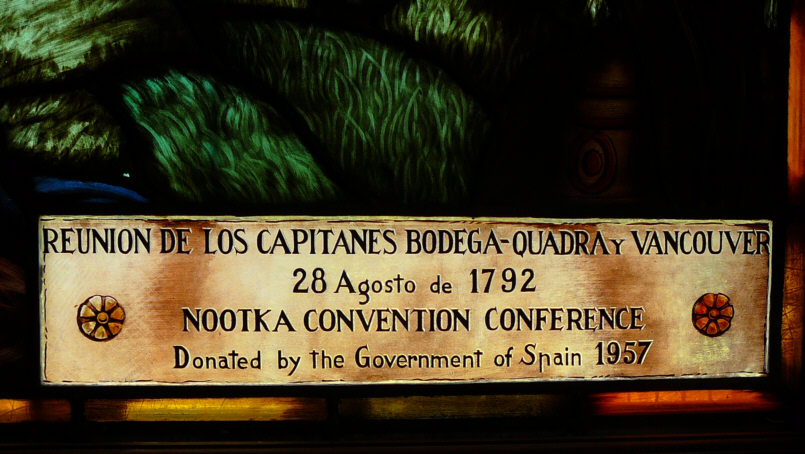
Whether steeped in history or not, we were actually more interested in current events and daily life.
For instance, visiting and chatting with the lighthouse keeper couple was truly exciting. To endure such a hermit-like life, especially in the winter months when no more yachties show up here, you have to be born for it. Aside from the normal maintenance work on the entire facility, weather data must be recorded and transmitted to headquarters every four hours. It is also worth mentioning that the snow-white residence and the measuring station are about 50 meters apart. During our visit, the sun was shining brightly. I can only imagine what it means to perform this job even during a winter storm, and in the middle of the night at that. Hats off to this lighthouse keeper couple. By the way, their ultimate goal is to buy a sailing yacht and then circumnavigate their island, Vancouver Island, in a few years.
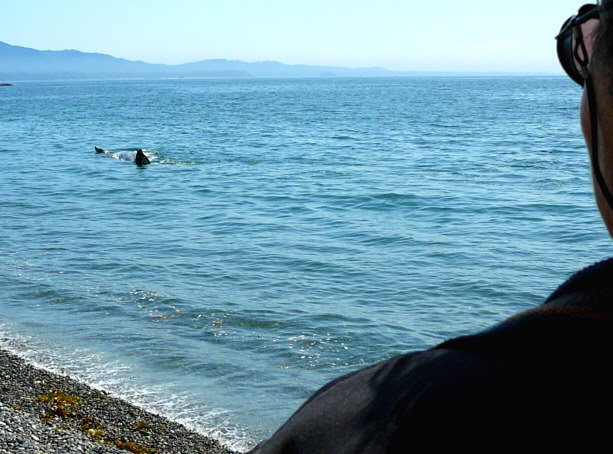
In this corner of the island, there is another stretch of beach that was nothing special to us, yet is very popular with the big whales. This beach, about 500 meters long, slopes relatively steeply and consists entirely of small pebbles. These behemoths can easily drive ashore, roll around pleasurably in the pebbles underwater, and then plop back down into the deep sea. In humans, we call this procedure a skin peel. Of course, the whales are less vain and are already happy when they have gotten rid of a few thousand barnacles and other unwanted fellow travelers. Just imagine sitting on the beach and, only about 20 meters away from you, this natural spectacle takes place, because that is Vancouver Island too.
Hot Springs Cove in Maquinna Marine Park
This was to be another highlight on the west side of the island. Hot Springs Cove is located just north of Tofino. Since Tofino relies heavily on tourism, it was obvious that this flood of people would also spill over into this actually quiet landscape.
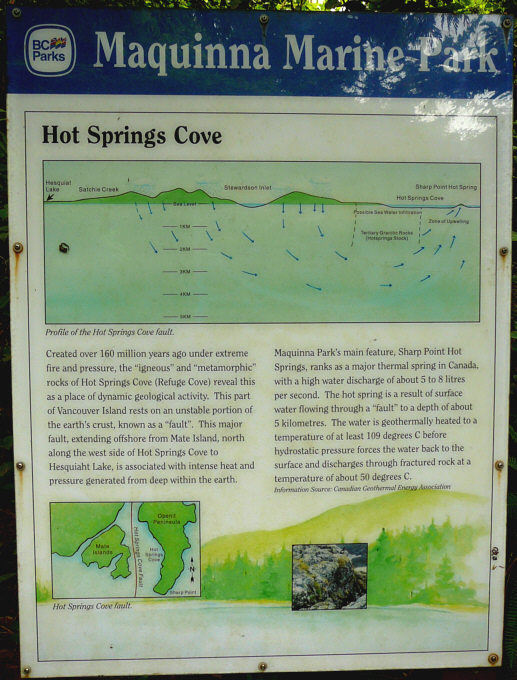
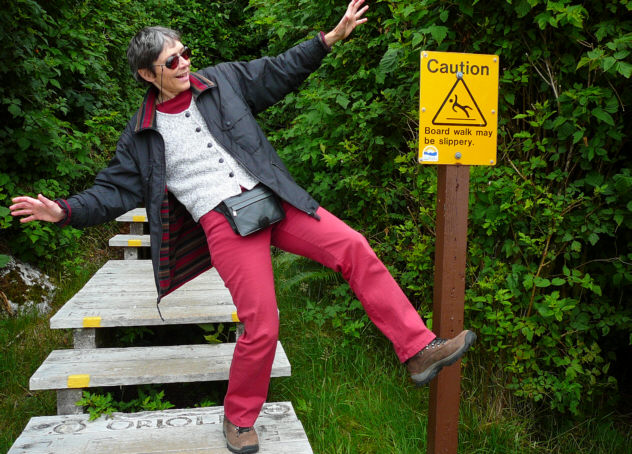
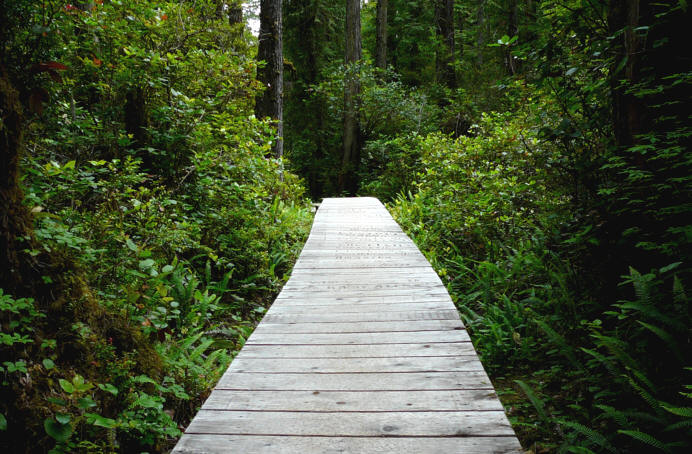
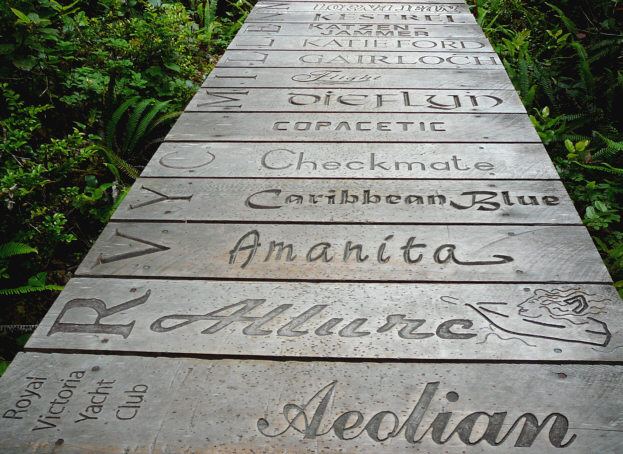
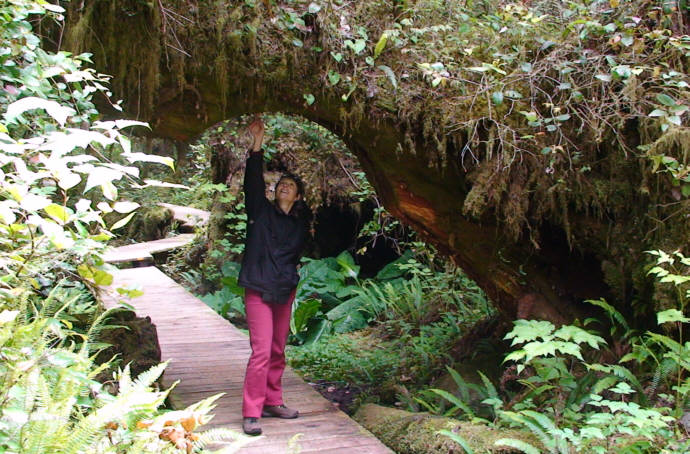
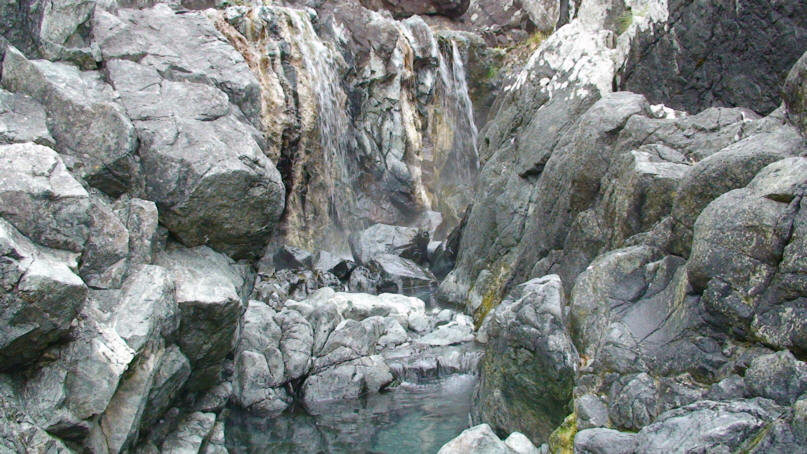
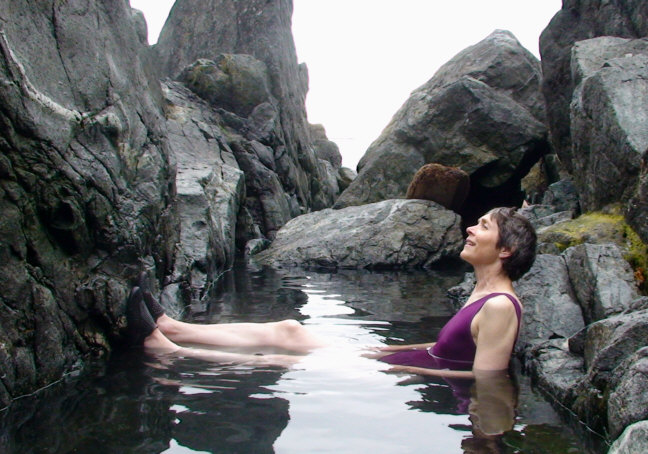
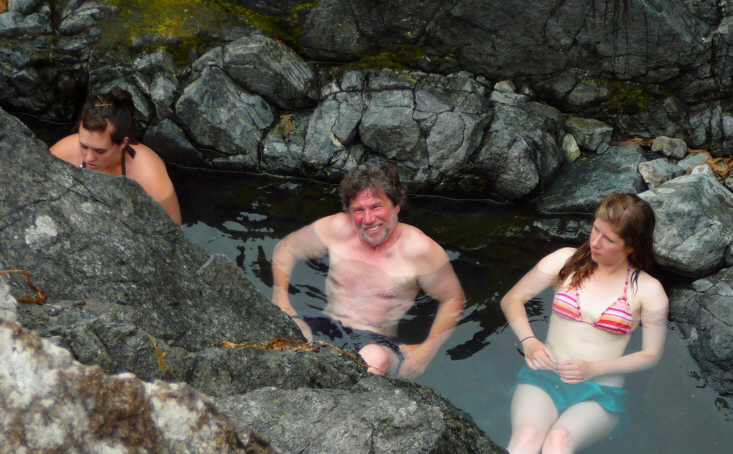
So we had been warned. And indeed, as soon as we sailed up the fjord, the first speedboats overtook us and some came toward us, naturally carrying freshly bathed tourists on board. We looked for an anchorage a bit away from the speedboat route. Shortly afterward, a loud noise, a rush, and a floatplane landed right next to us. Out of the frying pan into the fire, or in our case, from speedboat noise to airplane noise. Then the late afternoon slowly arrived and lo and behold, it became pleasantly quiet. Now we had the entire anchorage and the hot springs all to ourselves, along with a few canoeists. The half-hour walk there led us through a fairytale rainforest. To protect it, the boardwalk is made entirely of wooden planks, which have been adorned with carvings and monograms by countless yacht crews. At the pools, the hot water bubbles out of the rock crevices and collects below in various natural bathtubs. Depending on the tide level, the lowest pools are constantly cooled with saltwater by the waves of the sea. Hot bathing fun par excellence.
Ucluelet
This is our final stop in our circumnavigation of Vancouver Island. To be completely honest, it was actually only a 3/4 circumnavigation. We spared ourselves the last stretch, the Juan de Fuca Strait down to Victoria.
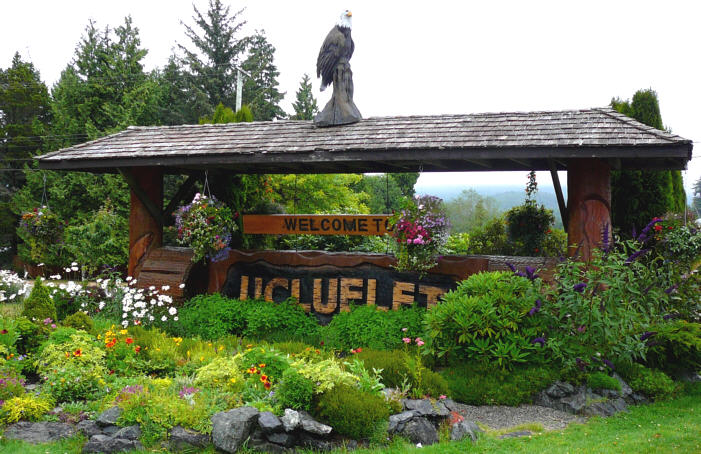
Our next major destination is San Francisco in California, after all. So it was obvious to choose Ucluelet as our departure point from Canada.
Quite unlike Tofino, which is overrun by tourists, Ucluelet has remained a quiet and tranquil fishing village to this day.
For us, weather planning for the upcoming 700-mile trip down to California began once again. According to long-term weather observations, a stable high-pressure system should always form over the North Pacific in August. This would bring us the required north wind. At the moment, however, no major high was approaching, but we had planned plenty of waiting time. Around the village, there was the Wild Pacific Trail, which features various interesting hikes along the Pacific coast. By the end of our waiting period, we had hiked all of them.
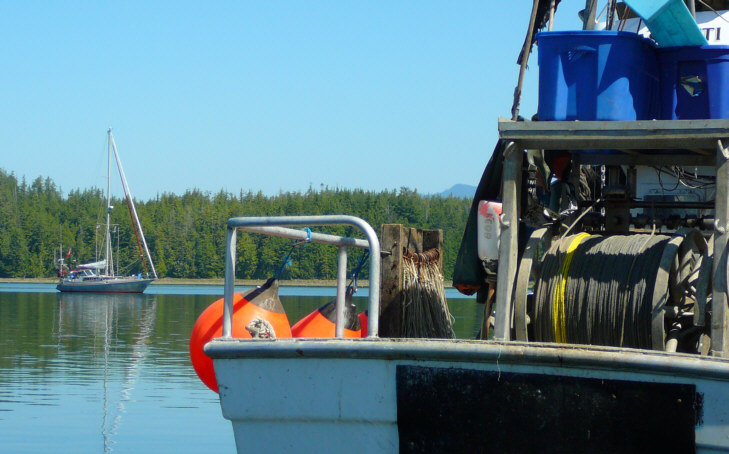
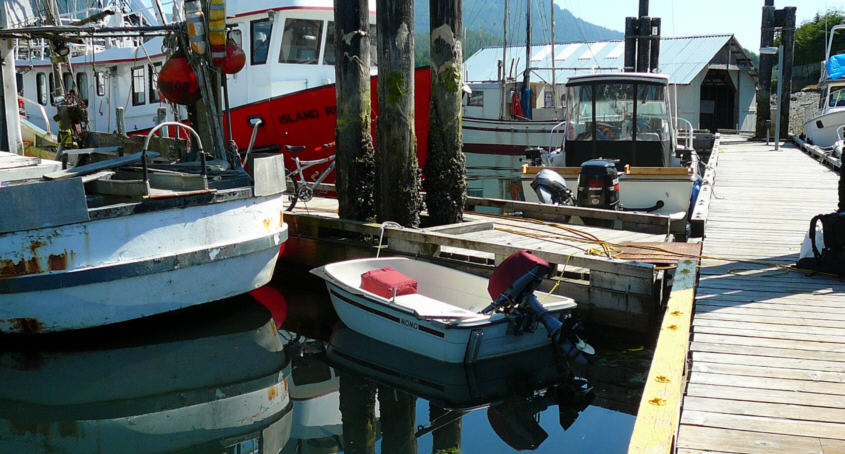
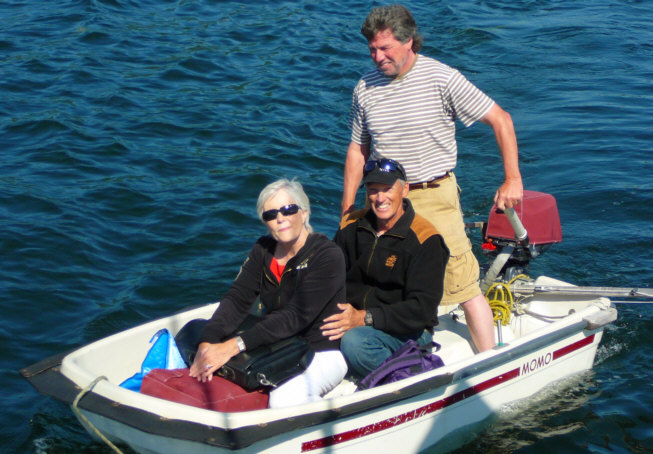
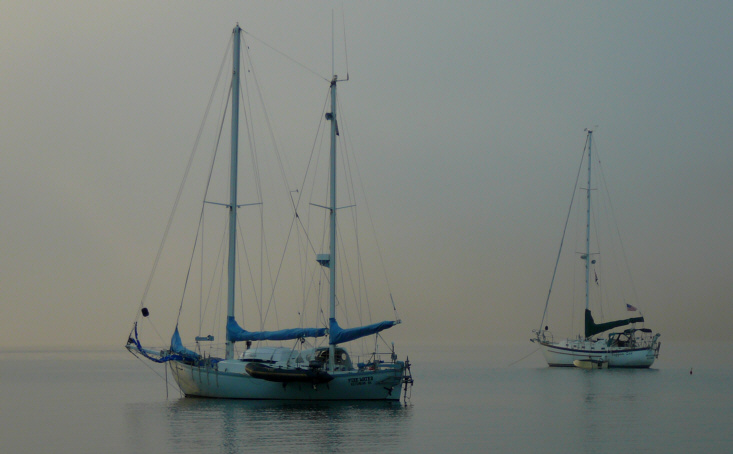
Before that, however, we were still expecting a visit from Norma and Rolly, our friends from Sidney. They visited us by car to spend a few more hours with us. They are once again very good friends whom we unfortunately have to leave again and again. During our stay, the Ukee Days were taking place, a bustling scene with many small food stalls, musical entertainment, and a traditional, typically Canadian lumberjack competition.
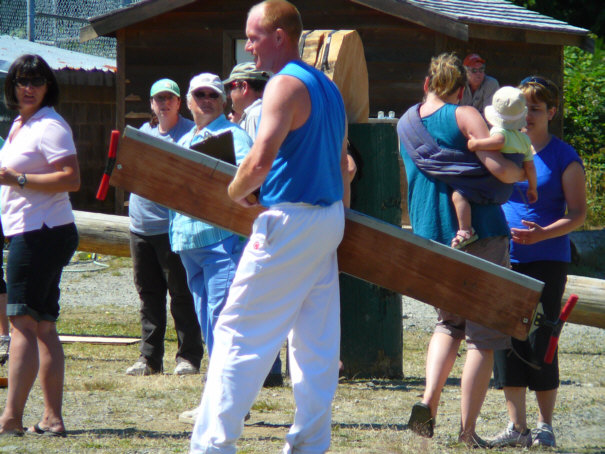
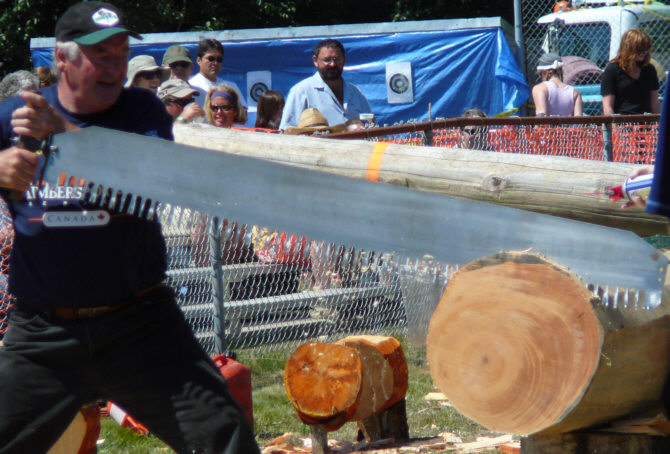
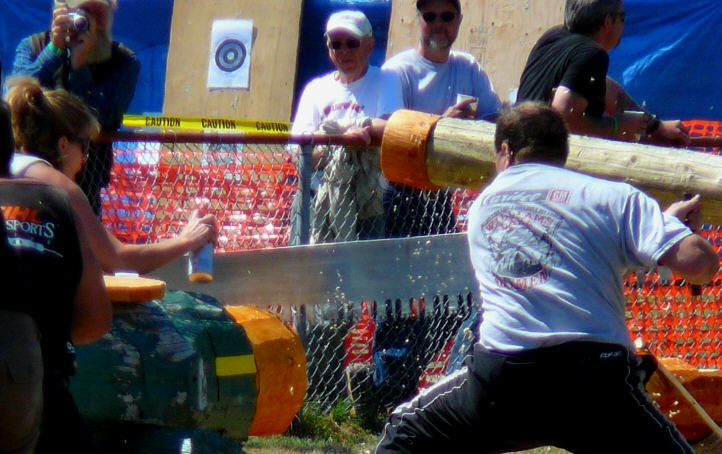
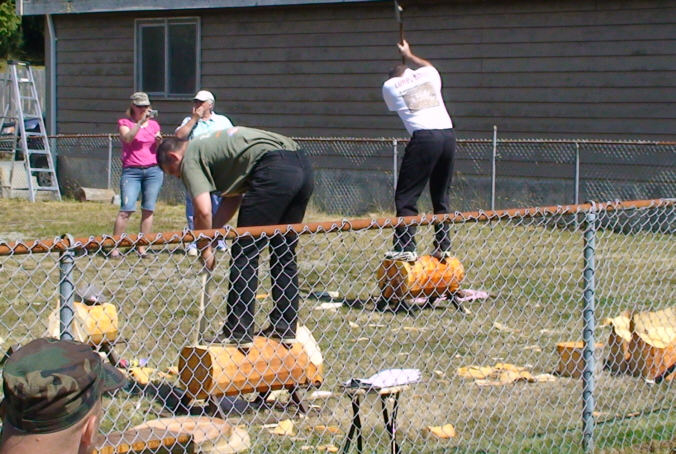
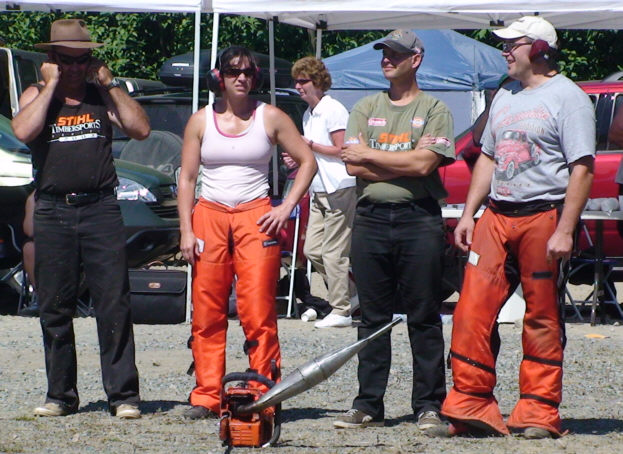
Tough men and a few tough girls measured themselves against each other with saw and axe. First, specially prepared tree trunks had to be sawed up in the shortest possible time. Then notches were chopped into a tree set up high, about 5 meters. Afterwards, a foothold was wedged in there and the athlete fought his way further and further up like that. Axes were also thrown at targets, very much in the style of Winnetou.
Then there were also the various competitions with the chainsaw. I sat there, on a grandstand specially set up for this event, amidst a knowledgeable audience of lumberjacks. The cheers were not quite as spectacularly loud as the tuned chainsaws, but it was more than just a murmur.
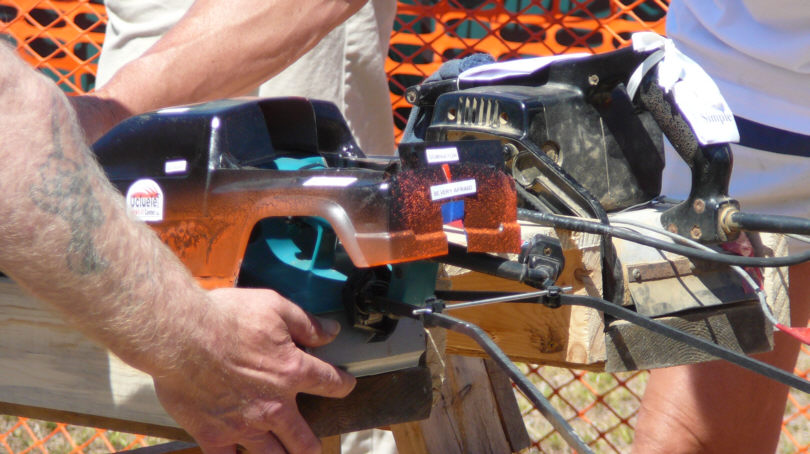
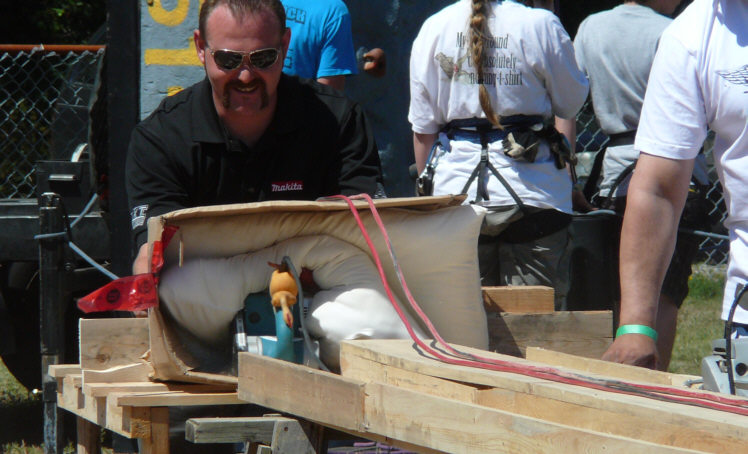
Oh yes, there is another competition worth mentioning. Hand sander race. Never heard of it? It works like this. Take a normal hand sander and slip a racing car body over it. Two wooden boards, about 10 meters long and equipped with guardrails on both sides, are needed as the racing track. The goal is to cover this distance as quickly as possible. These racing cars are stopped, of course only after crossing the finish line, by an old duvet. These participants were also all enthusiastically involved, and here you could see the proverbial inner child in the man.