MOMObil · USA
Wupatki, Sequoia, Death Valley and the Hoover Dam
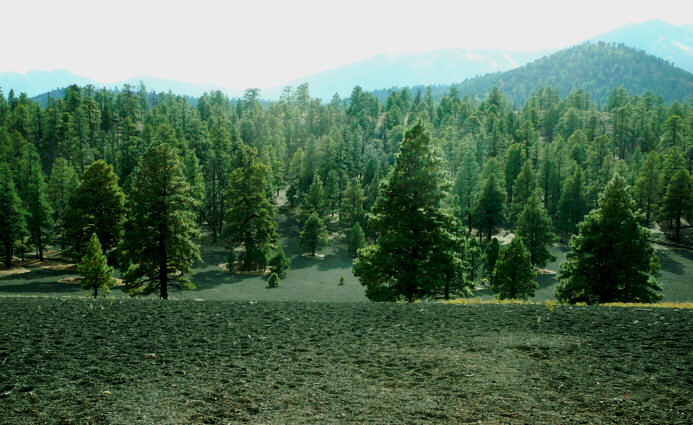
On the way south from the Grand Canyon, we paid a visit to the Wupatki National Monument, an ancient Native American settlement. Within the 140 km² national monument, around 2600 prehistoric sites have been discovered so far, including the now-renovated pueblo ruins of the Anasazi people.
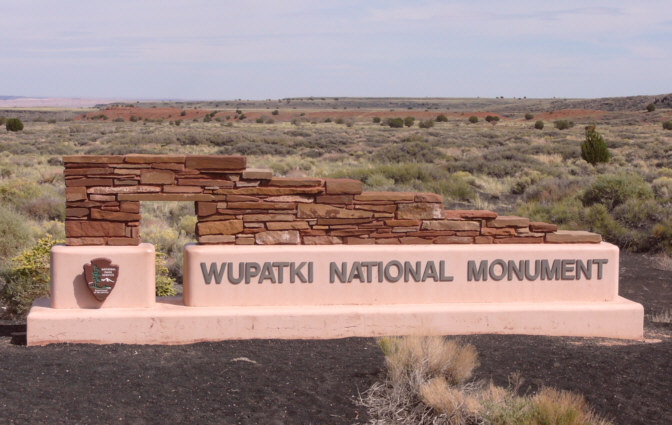
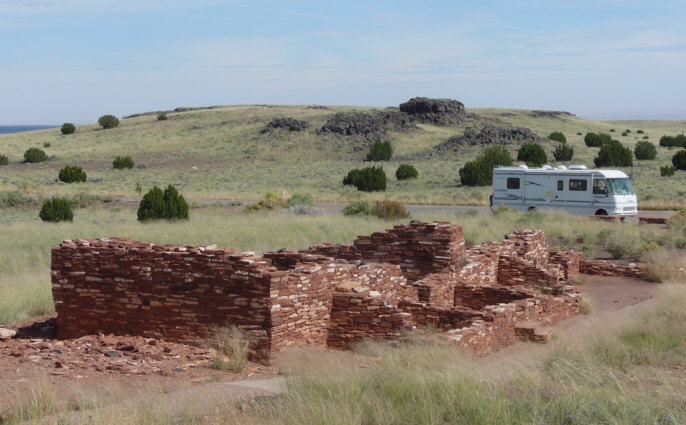
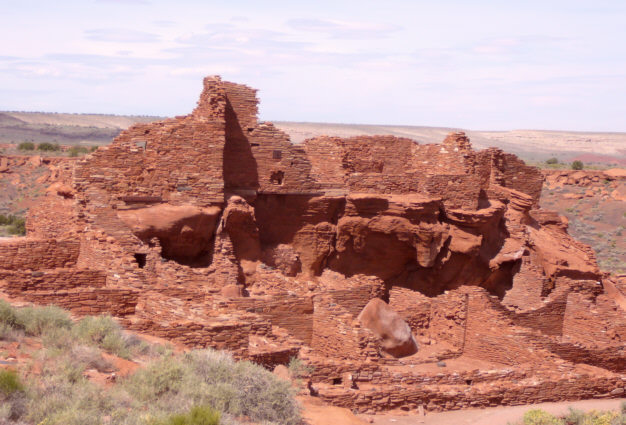
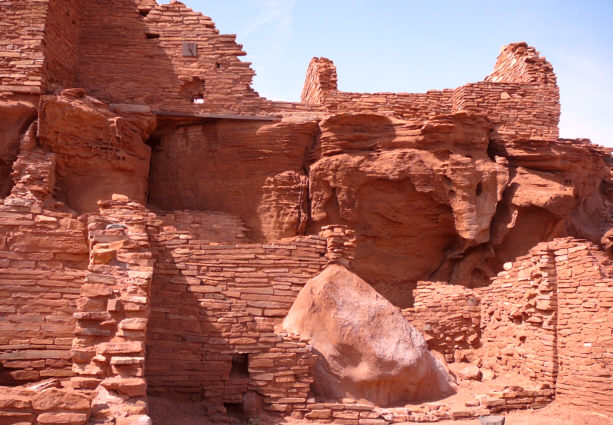
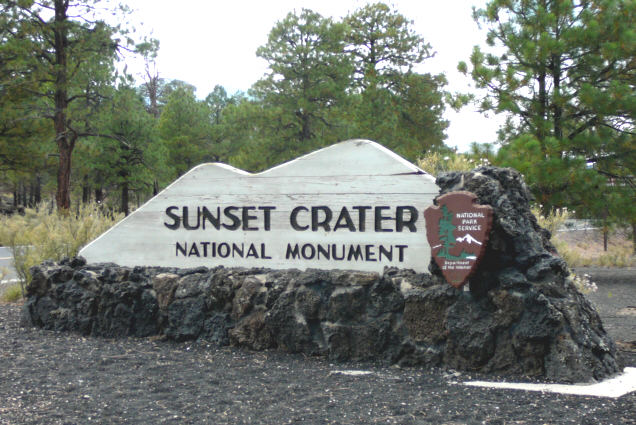
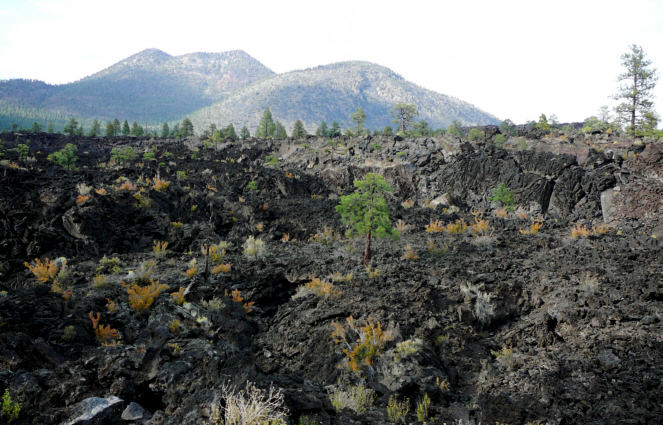
The history of these settlements was heavily influenced by the eruption of the nearby Sunset Crater volcano in the years 1064 and 1065. Why settlement activity in this area, previously sparse, increased significantly after the eruption is still unknown, though the improved water retention of the volcanic ash may have contributed to greater soil fertility. The Wupatki ruin was the largest known structure on the North American continent in the 12th century.
After an extremely eventful September, we are now treating ourselves to a small, well-deserved break... or so I thought.
At an affordable campground, because we cannot afford the expensive ones, or put differently, do not want to, I set about designing our September website. The amount of photo material and impressions that had accumulated in my head was unimaginable. The landscapes we traveled through were so unusual and impressive that I first spent nearly a week in the camper bringing some order to the massive chaos. The campground host did not see the exotic Swiss visitors for days, which surprised him, and he inquired with great concern about our whereabouts.
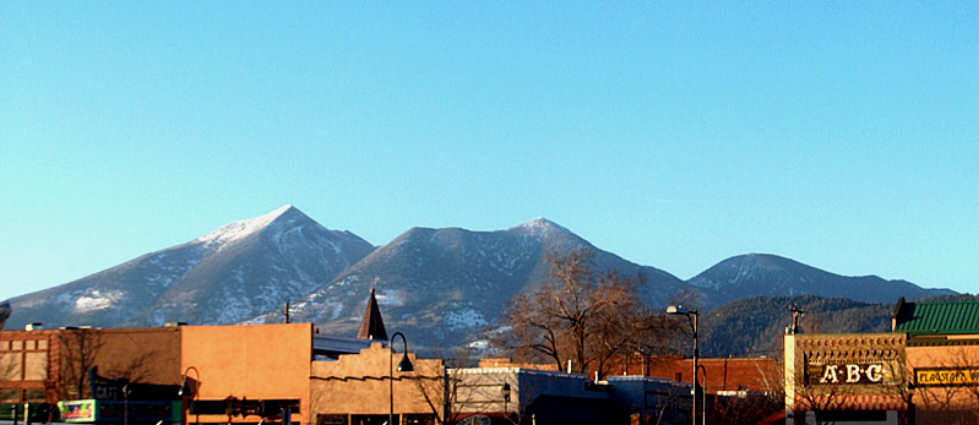
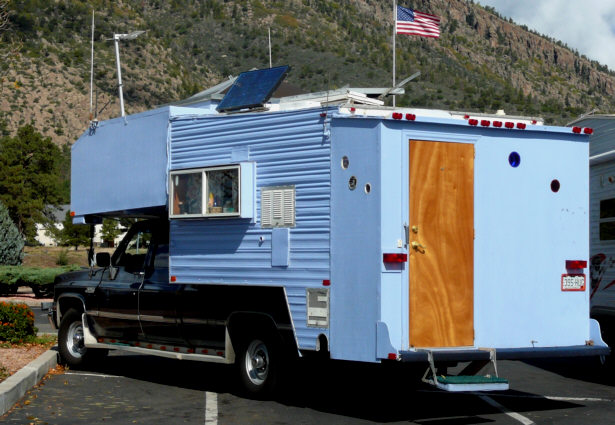
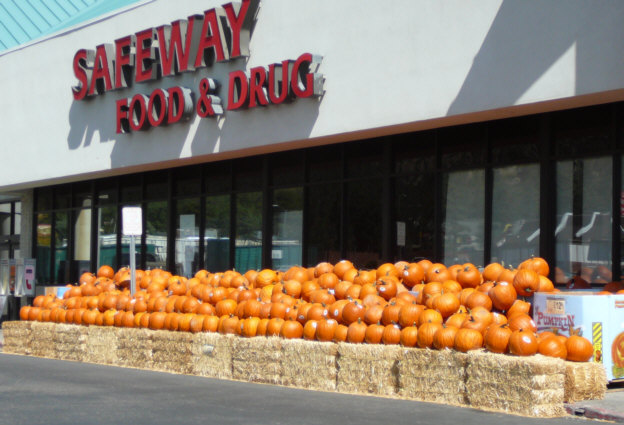
For us, Flagstaff was a quiet and, aside from the unusually tastefully designed downtown area with shops, a normal small US town. It is truly a pretty place with a population of a good 57'000 and lies at an altitude of approx. 2000 m in the north of the US state of Arizona. Flagstaff is the county seat and is a popular winter resort today. It is often referred to as the gateway to the Grand Canyon, from which we have, characteristically, just come.
According to legend, the city got its name when white settlers traveling west stopped here to celebrate the Independence Day of the United States. Since the settlers needed a pole to hang the American flag, they promptly chopped down a tree and attached the flag to it. After they had moved on, new immigrants later arrived to settle this area. The name Flagstaff is said to have been chosen because of that former flagpole tree. The climate in the region has a wide range, with hot summers and very cold winters. Note the very low humidity of only approx. 5 percent. Flagstaff is said to be the driest place in the USA.
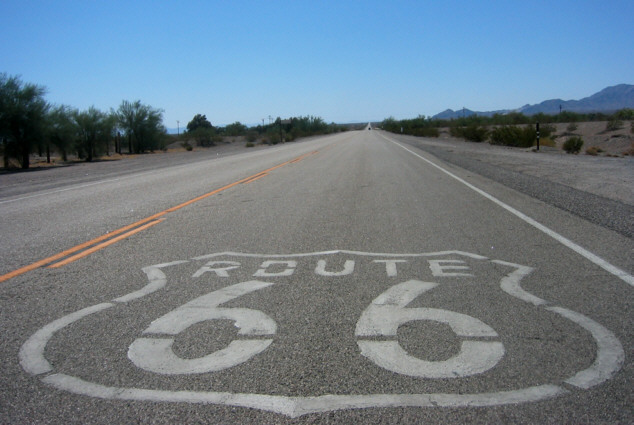
The old, legendary Route 66 runs through Flagstaff. Our way from the campground to the internet café downtown always led us onto this street... unfortunately not in style on a Harley Davidson, but just on our steel bicycles. Starting in 1926, Route 66 was considered the first continuous road connection from the East Coast to the West Coast of the USA. Today, the remaining sections of the once 2'448-mile (3'939,67-kilometer) route from Chicago, Illinois to Los Angeles, California, also known as the Mother Road or America's Mainstreet, are a major attraction for tourists and nostalgics.
Unfriendly California and Sequoia National Park with its giant sequoias
After we finally finished everything in flags, we drove on Interstate 40 toward California. Shortly before the border, we filled up the tank one last time. Given our tank capacity and the fact that gasoline in Arizona is about 40 cents per gallon cheaper, it was definitely worth it. Then we reached California. I had my own ideas about it beforehand, of course only from the cinema and TV series. The first impression was very sobering. For the first time, we did not see a friendly welcome sign by the roadside, but instead tons of garbage lying around everywhere, a sight we had never seen in the USA before. Next, we had to stop at a customs house. We did not need a new visa, nor did we have to show our passports, but the uniformed customs officer demanded entry into our MOMObil. Stumbling through the entire camper in his high black military boots, he opened the fridge here, a door there, and a drawer here. He did not find what he was looking for. Since we had been warned, we had proactively made sure we had no more fresh vegetables or citrus fruits on board. The officer said goodbye in a friendly manner, but a somewhat bitter taste remained. Such strict checks within a single country are certainly unusual.
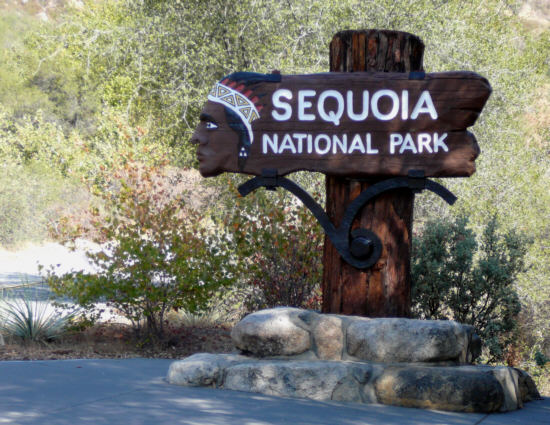
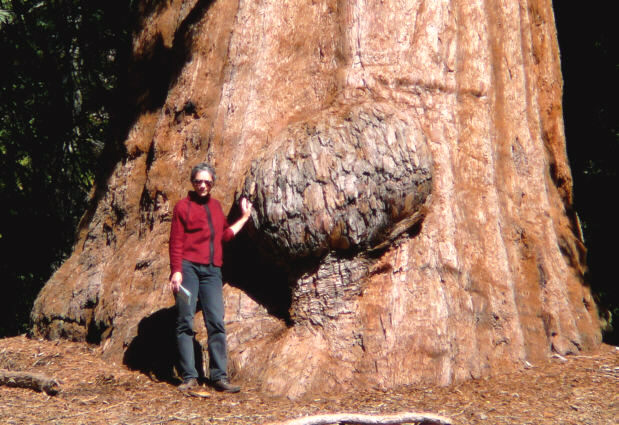
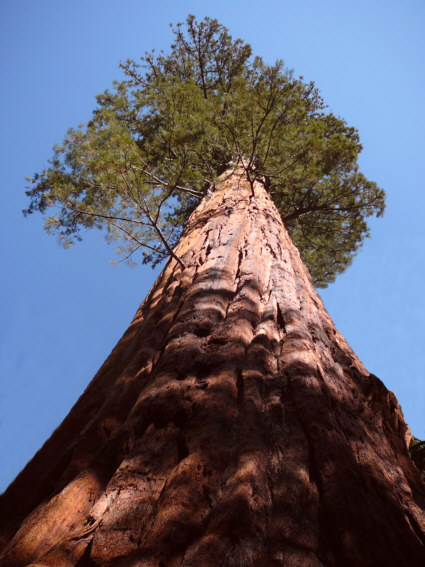
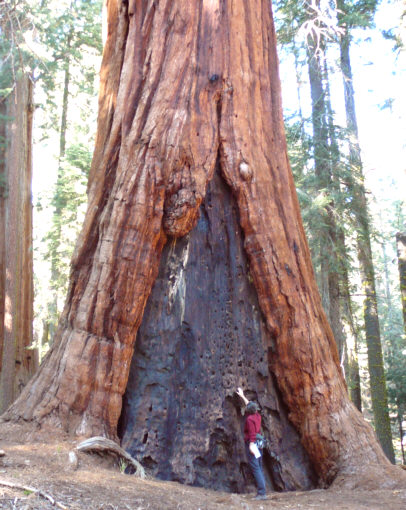
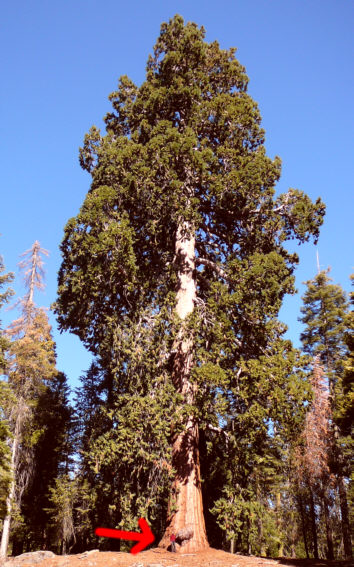
For the first time here in the USA, I didn't feel truly welcome. The initial impression that the state of California gave of itself was very negative, and unfortunately that's how it would remain the entire time. The aggressive driving style on the road, the mostly unusually unfriendly locals, and the blatantly higher prices for campgrounds and other things rounded out this negative image even further.
If here, driven by my initial disappointment, I am writing perhaps a bit too dismissively about a small patch of land in California, I naturally hold the great hope that we will then get to experience the "real" California during our west coast trip with our sailboat.
We only made the current detour to this state because of the giant sequoias in Sequoia National Park. This park is located in the south of the Californian Sierra Nevada and was established in the year 1890. Numerous specimens of these oversized trees grow here.
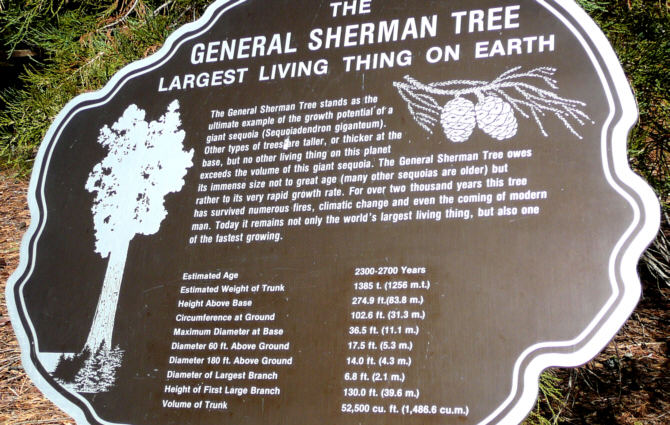
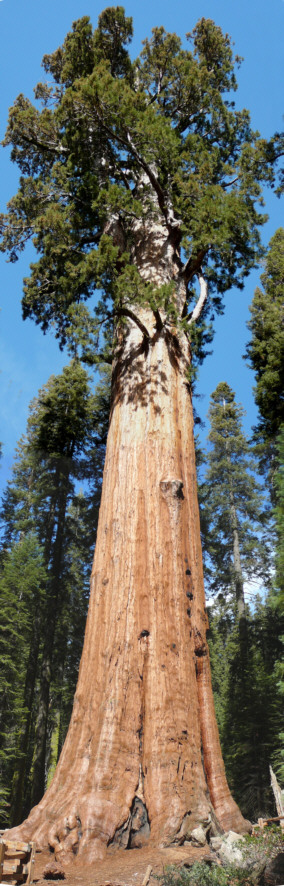
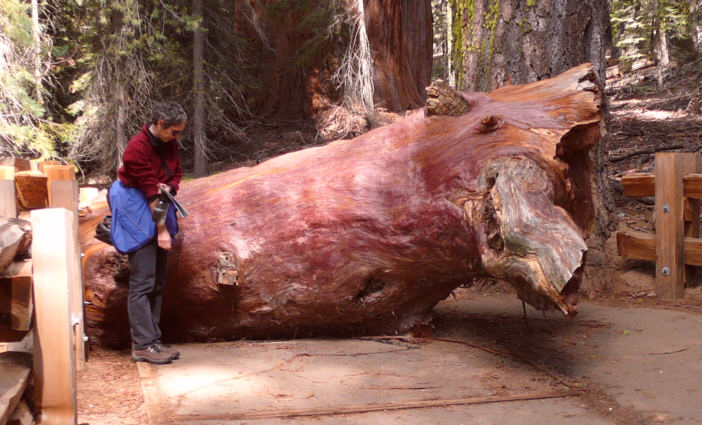
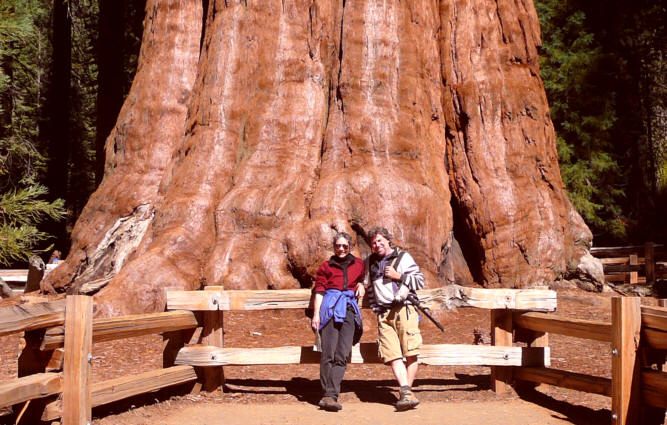
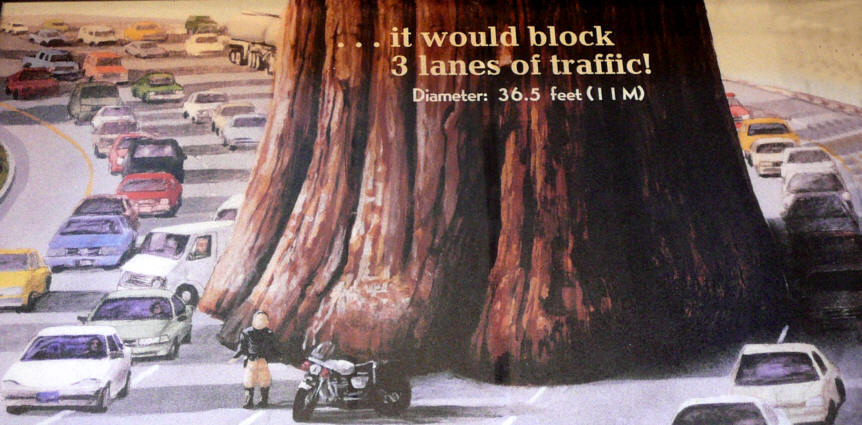
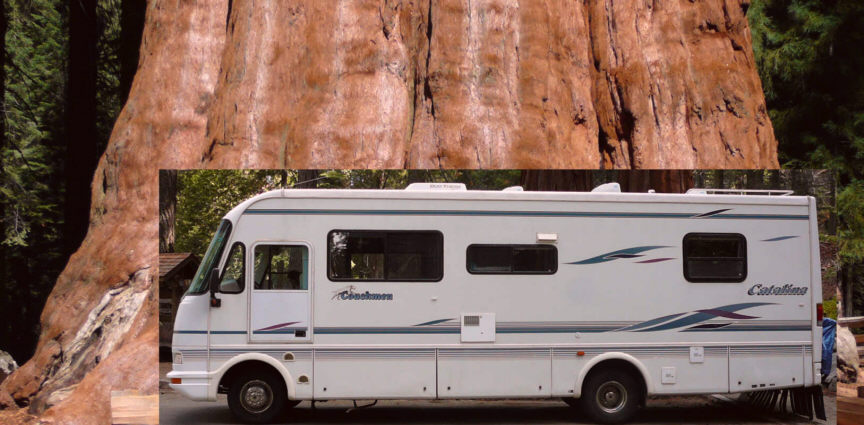
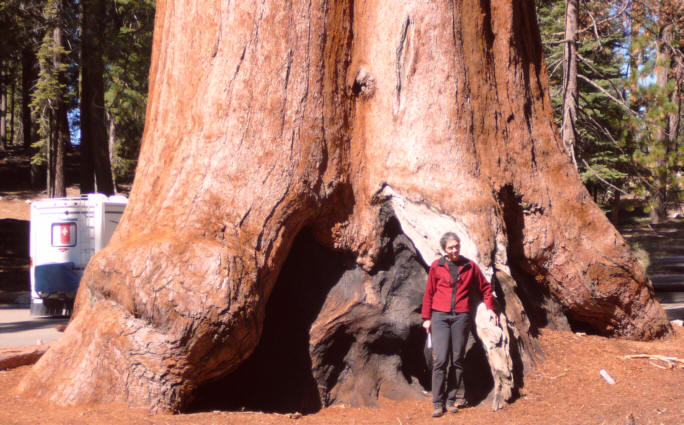
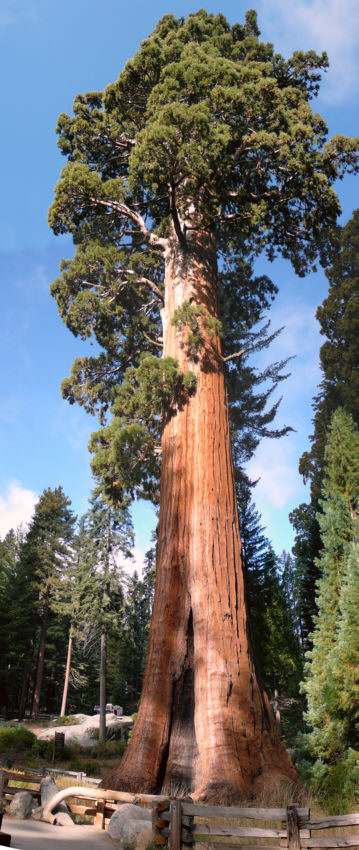
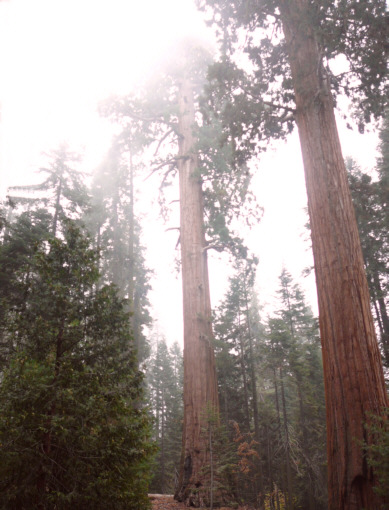
One of the most spectacular attractions of this park is the tree named "General Sherman Tree". Today it reaches a height of 84 meters and has a trunk diameter of over 11 meters. With its uncanny volume of about 1480 m³, it is the most powerful giant sequoia and thus the largest living organism in the world. Its age is said to be around a proud 2'300 to 2'700 years.
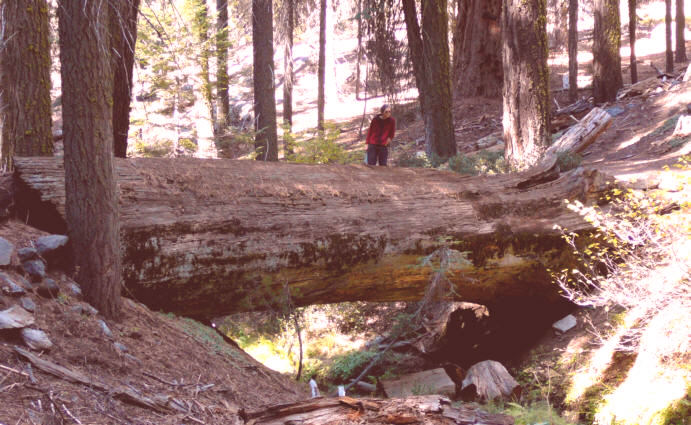
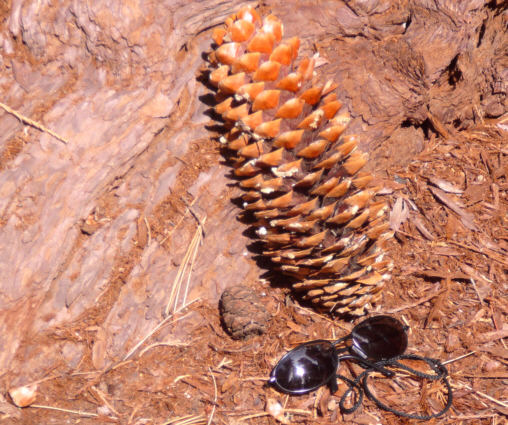
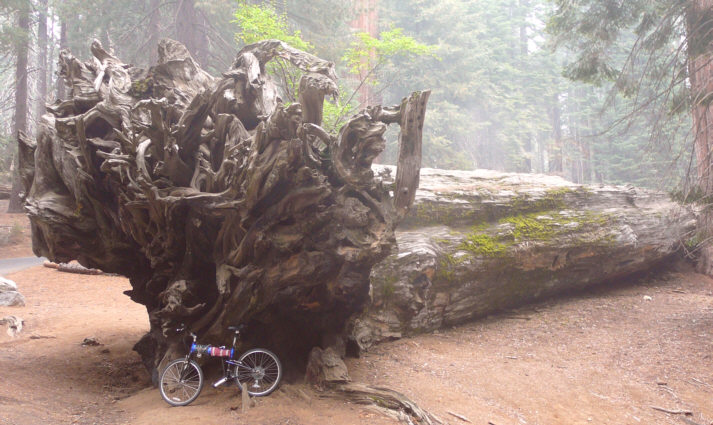
In the first two days after our arrival, we hiked, marveled at, and enjoyed the grace, strength, and energy of these majestic tree giants. The atmosphere that these ancient giants radiate is indescribable. As a human being, you feel so tiny and insignificant here, which actually only does you good personally.
Apart from the General Sherman Tree, a few others have names like President, Lincoln, or Franklin. The majority, on the other hand, is nameless, yet these giants are no less impressive.
These sequoias are absolutely the most beautiful and impressive trees I have ever seen in my life so far.
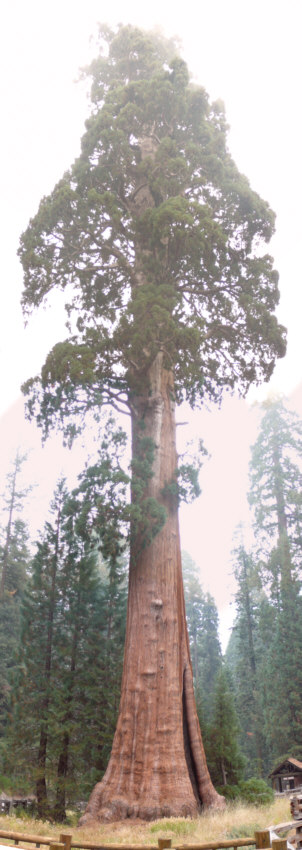
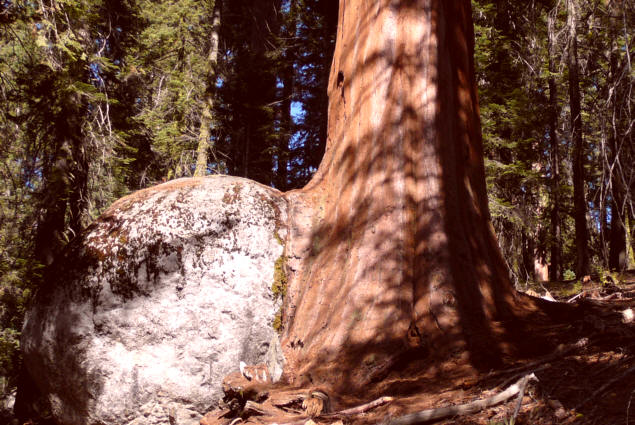
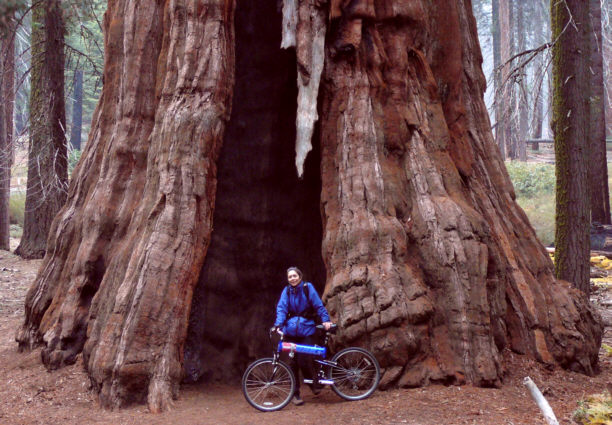
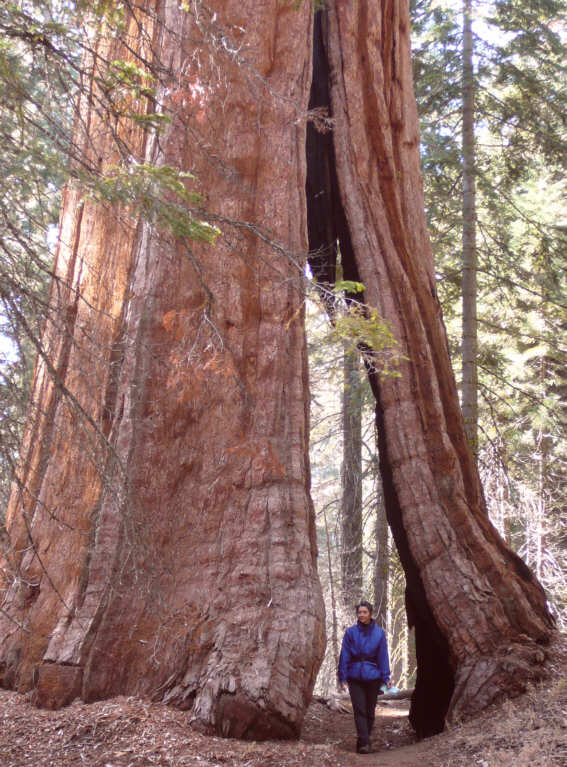
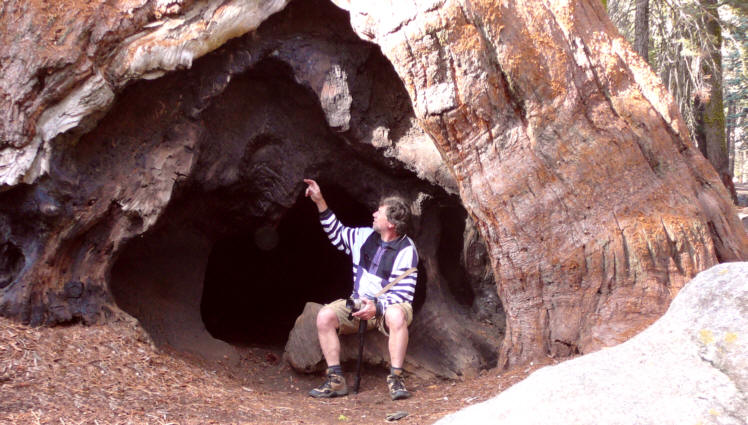
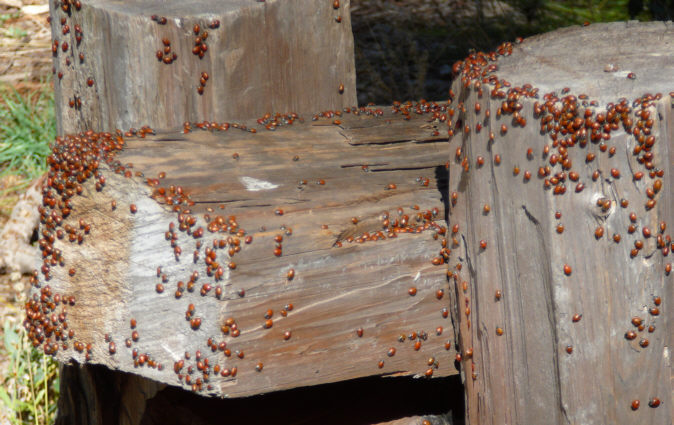
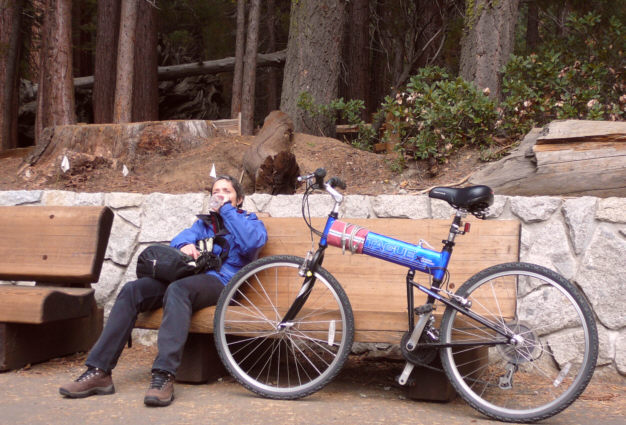
When we came back to the campground one day from a longer bike ride, there actually stood a camper with a Swiss flag in the rear window. For us, that naturally meant we had to immediately check out what kind of compatriots were traveling around there too. As turned out during a cozy evening chat and a bottle of wine in the MOMObil, Mischa and Martin are on their year-and-a-half-long honeymoon. We didn't know back then that we would coincidentally meet the two cheerful Swiss people in other places in the USA as well.
Since Sequoia National Park is located at an altitude of 2'000 to 2'500 meters, the temperatures at night had already become quite cool. In the morning, the puddles around the MOMObil were regularly frozen. When the next front of bad weather was then announced, we decided to drive back down to warmer regions. Our camper is great, but unfortunately it is just a warm-weather vehicle.
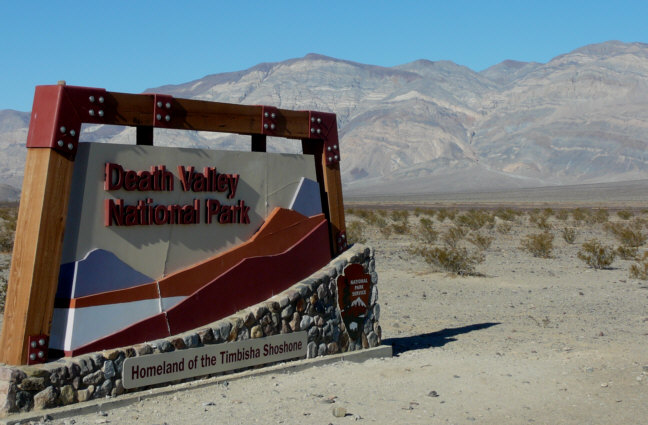
Death Valley National Park
After successfully surviving the sub-zero temperatures at 2'500 meters, we now drove to the landscape with the lowest point and the hottest temperature ever measured in the western hemisphere.
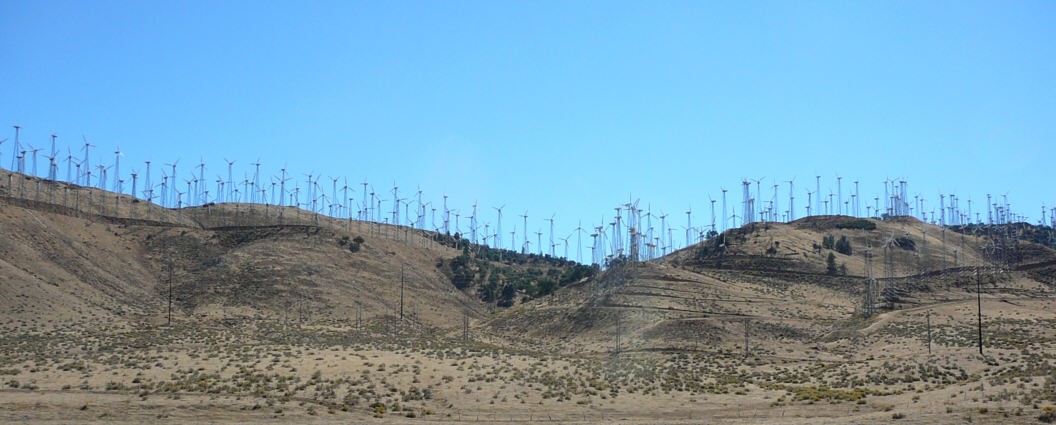
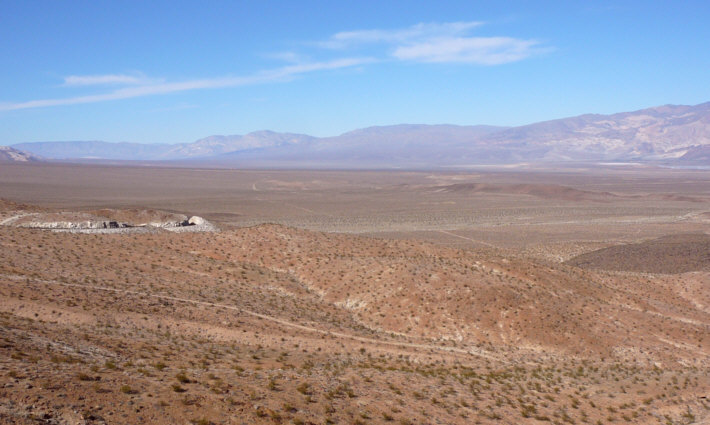
On the way there, we crossed part of the Sierra Nevada desert once again. Now I won't conceal the fact that I got to see something very positive here. There were actually dozens, if not hundreds, of large wind turbines standing on the ridges. Apparently it is true that Californians are slowly switching, or having to switch, to clean and renewable energy.
Death Valley National Park is located in the Mojave Desert and is absolutely the driest national park in the USA. This region is a veritable heat pool. The highest temperature ever recorded in North America was 57 °C and was measured in 1913, naturally right here in Death Valley.
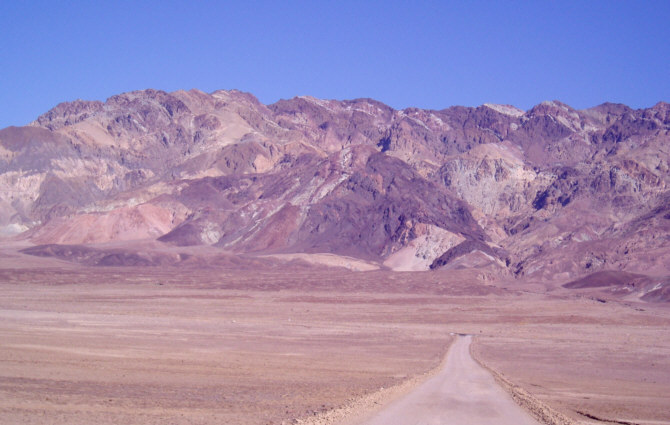
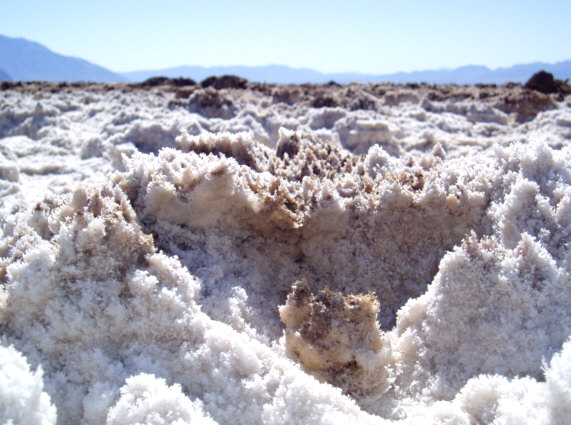
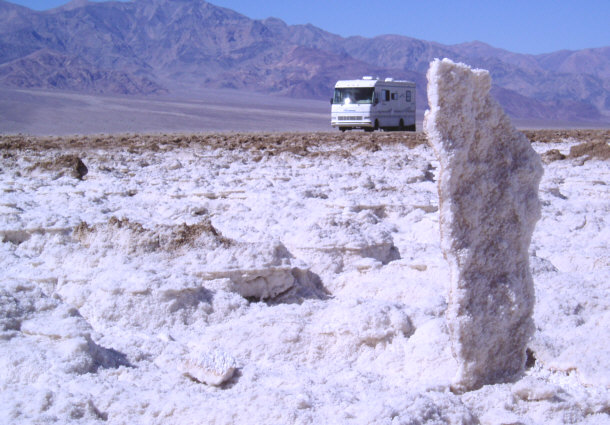
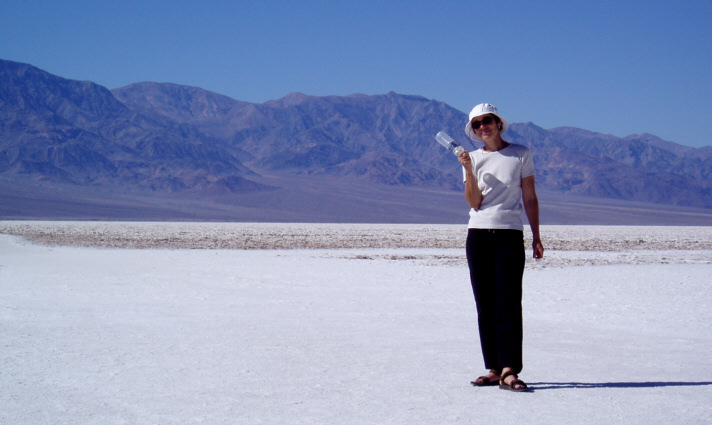
The park lies east of the Sierra Nevada, for the most part in California and to a lesser extent in Nevada.
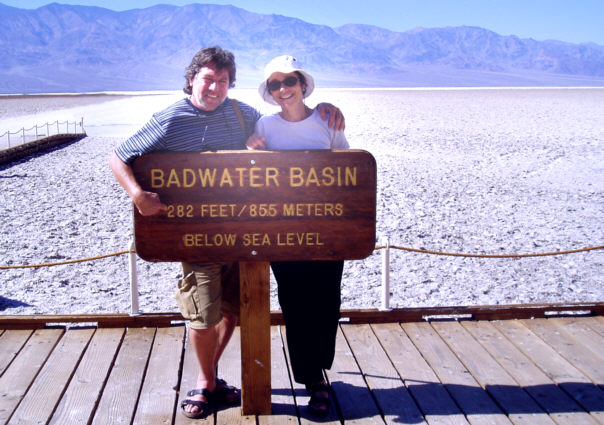
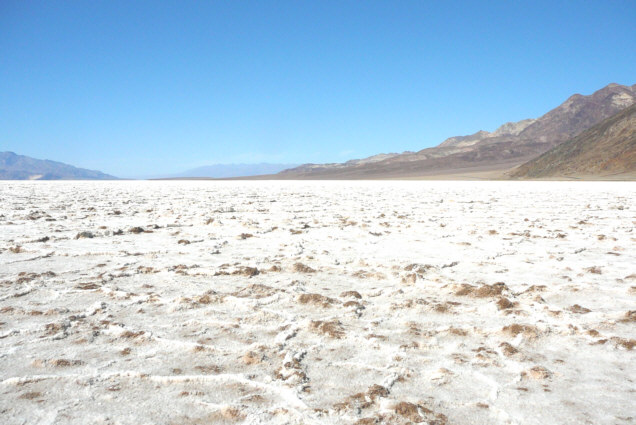
While Mount Whitney rises 4'418 meters high only 135 kilometers away, the lowest point in the valley is located at Badwater. It lies 85,5 meters below sea level, making it the lowest point in the Western Hemisphere.
In 1933, Death Valley was designated a National Monument. It was not until 1994, after a significant expansion, that it was upgraded to a National Park.
Despite an average annual precipitation of less than 50 millimeters, a large number of plants and animals make their home in Death Valley, though they show special adaptations to the water scarcity.
As absurd as it may seem, there is a copious spring in Death Valley. Water bubbles straight out of the ground all around the oasis of Furnace Creek Ranch. Approx. 2'300 liters/minute of the precious liquid are available to Americans.
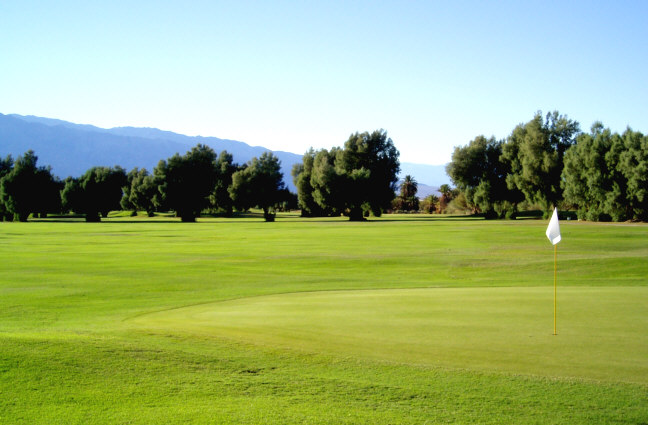
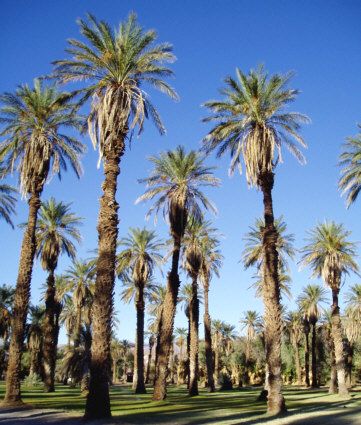
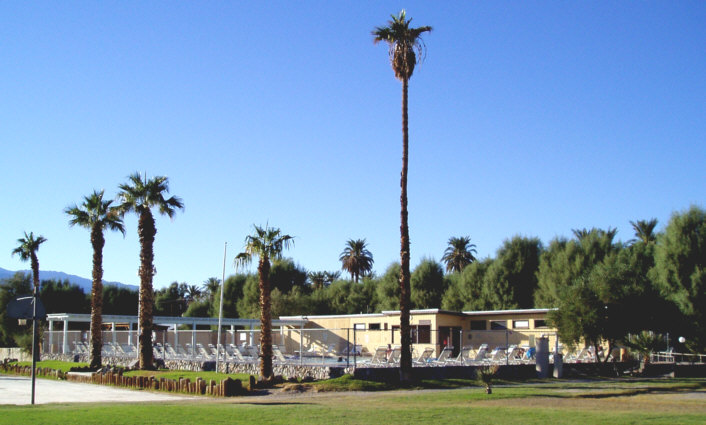
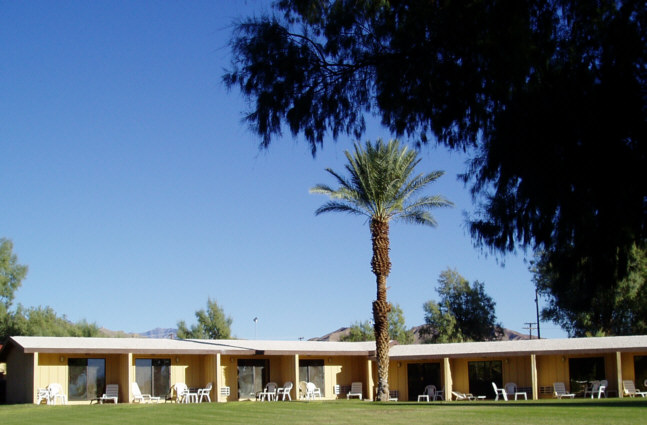
So what do people do here with this abundance of precious fresh water? Yes, guessed right, create a golf course of course. Amidst the driest desert region, a lush green golf facility emerged here that seems almost perverse, naturally also with an adjoining large swimming pool. Date palms, poplars, mahogany trees, tamarisks, and an oversized green lawn round off the unusual picture. All of this belongs to a modern hotel complex that has sprung up here in this otherwise parched wilderness.
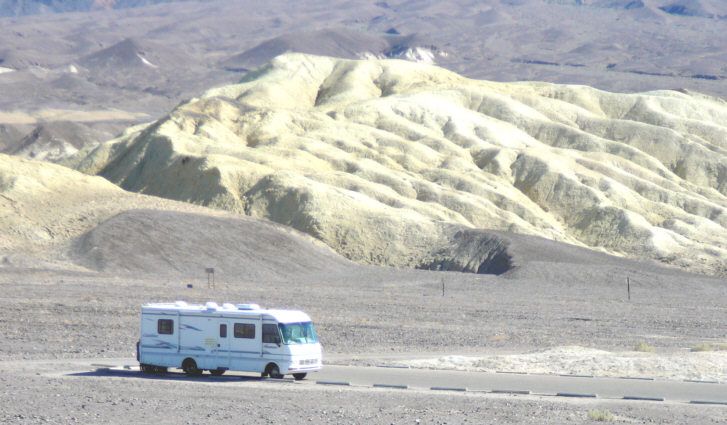
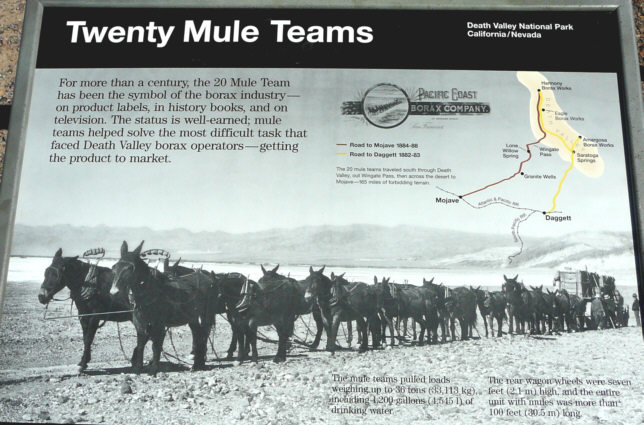
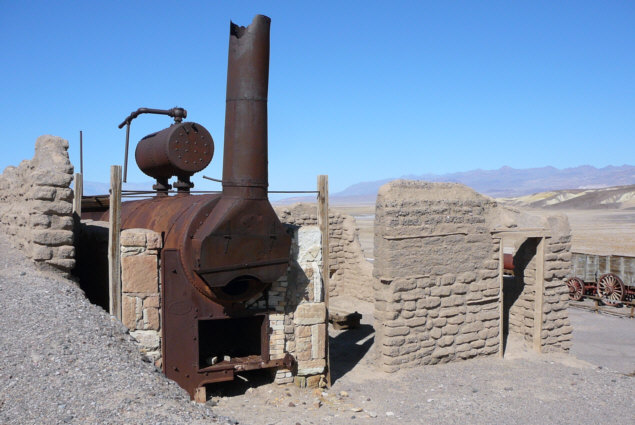
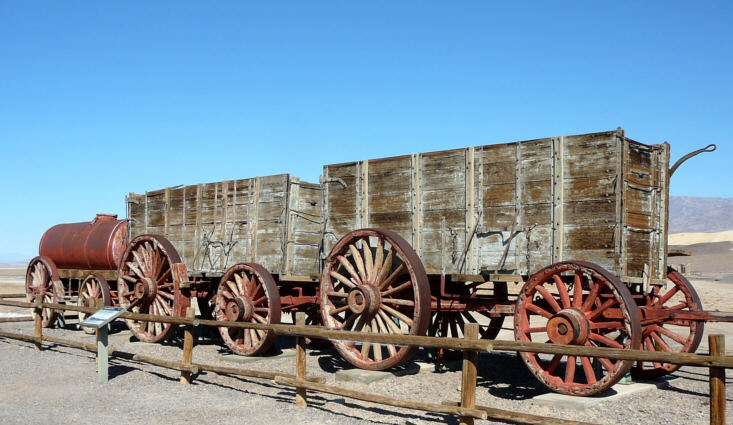
In Death Valley, gold was found, though unfortunately we were not there to see it. In addition, silver, copper, and lead are still mined today, as well as the famous borax deposits, which have been mined since the 1880s. For this reason, wild donkeys were tamed in the Death Valley area back then to serve as pack animals in the borax mines. Transporting the borax away was extremely hard work at that time. It took "20-mule teams" to transport 33 tons of the precious material each time to Mojave, located 165 miles away.
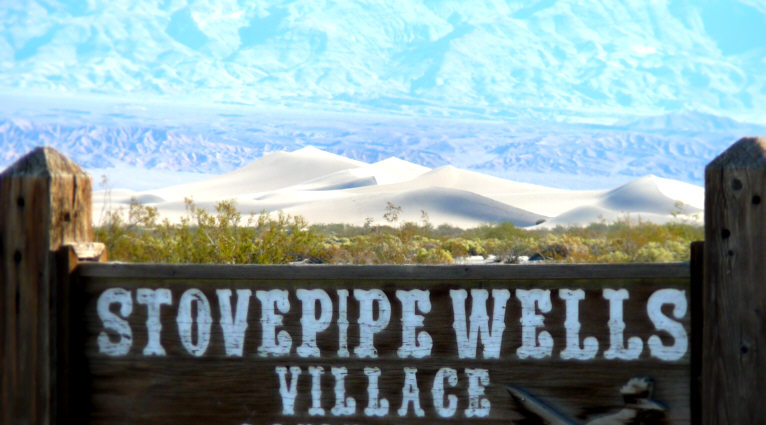
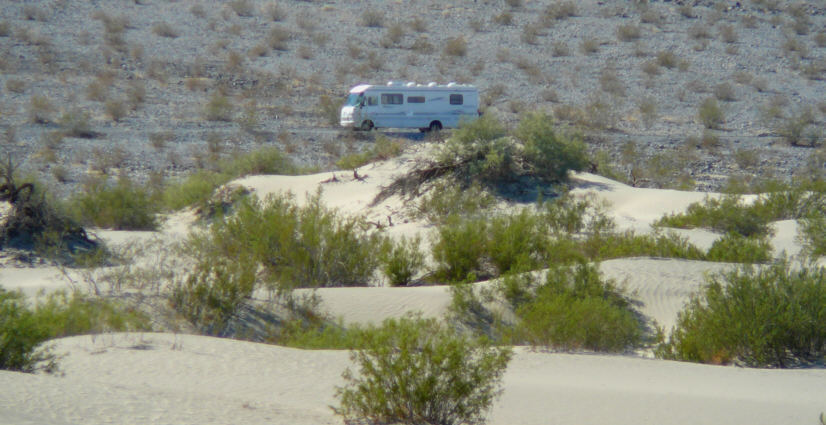
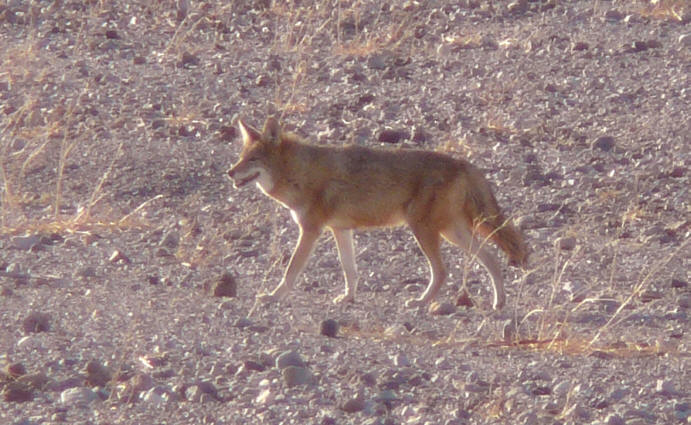
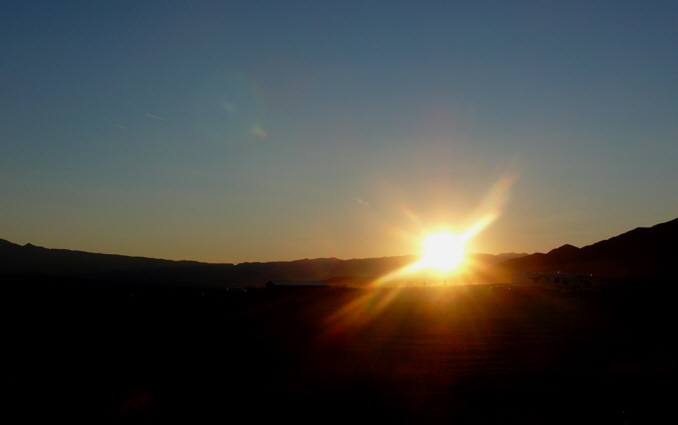
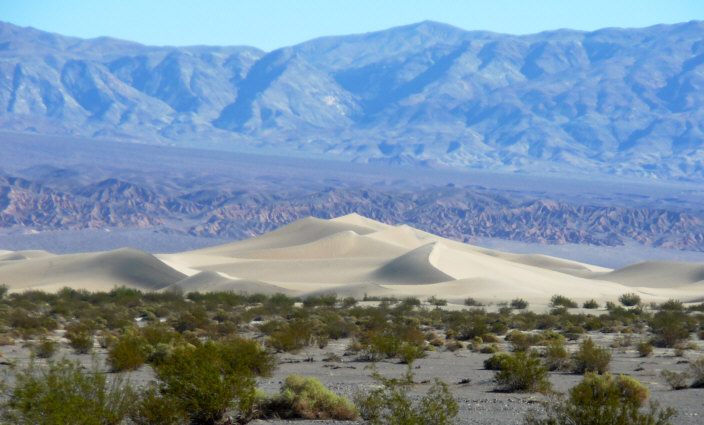

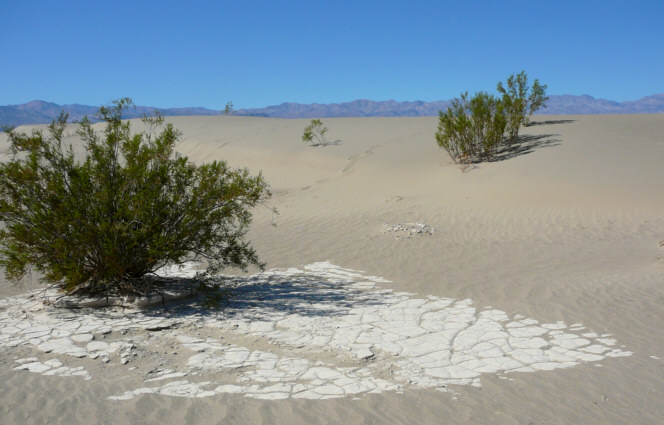
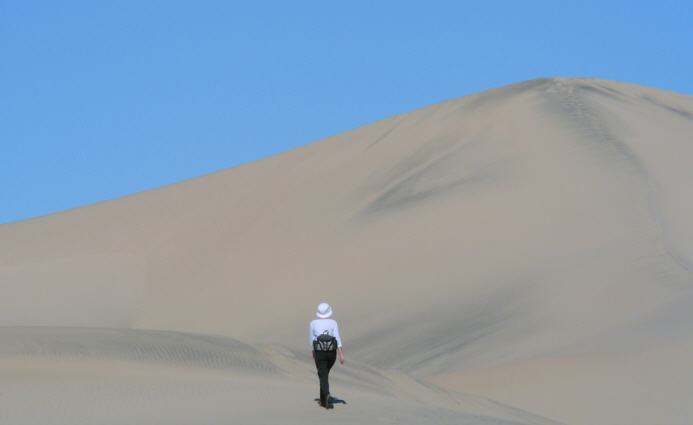
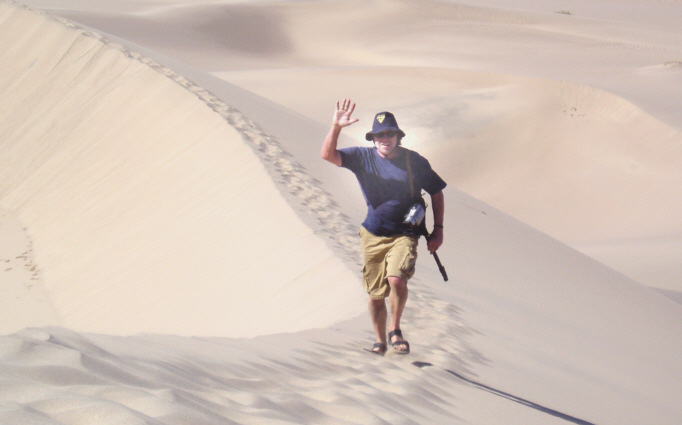
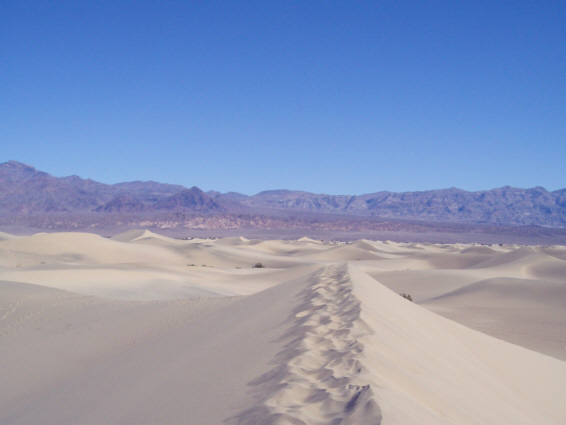
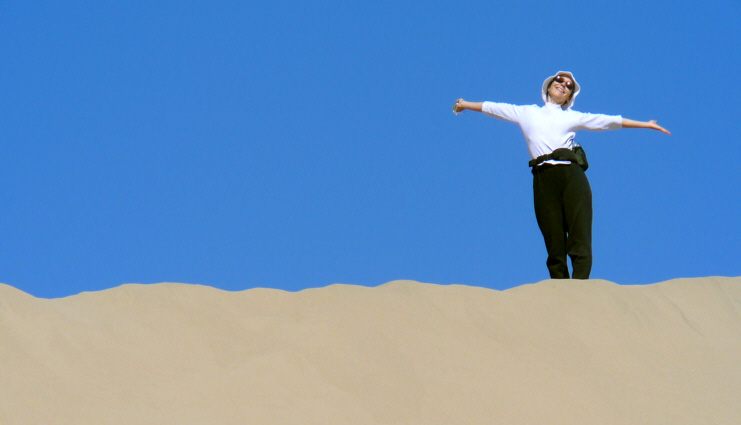
We spent our first two nights in the valley at Stovepipe Wells Village, on the edge of the large sand dunes.
The sight of the impressive dunes brought back memories of our stay in Tunisia. Back then, we had hiked around in that wilderness for a whole week.
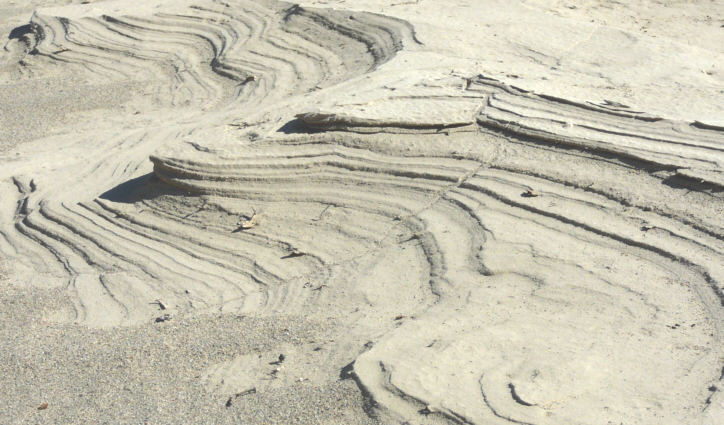
Here we needed barely a day to climb the various hills. The feeling of vast open space was a little lacking, but that did not detract from the quality of the day hike at all. Here too, nature and the wind have created fantastic shapes and colors. We could hardly get enough of the combinations of deep blue sky and the variously colored layers of sand.
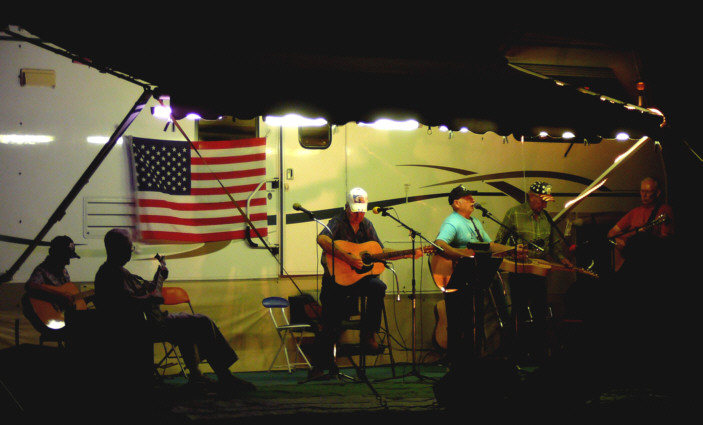
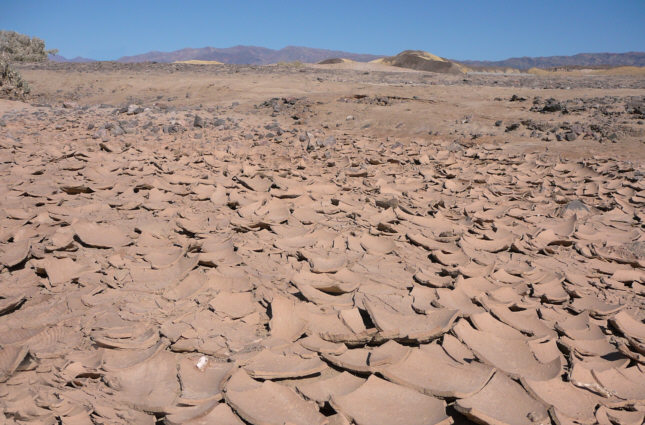
The campground at the oasis of Furnace Creek Ranch was something very special. On the one hand, because there is actually water in abundance here, and that in a totally parched landscape. Also, one of the campsites was still closed because a year ago, during a severe storm, it was simply partly washed away. If I hadn't seen photos of it, I wouldn't have thought something like this possible here. After we had already been in Furnace Creek for a few days, Mischa and Martin, the two Swiss honeymooners, suddenly appeared one morning. They spontaneously convinced us to join them on a canyon tour that was much too far for our bicycles.
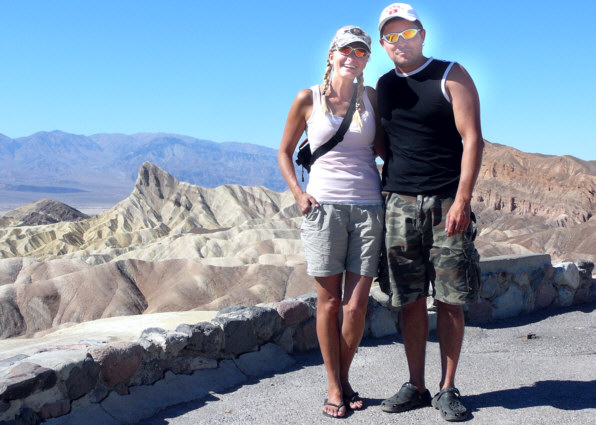
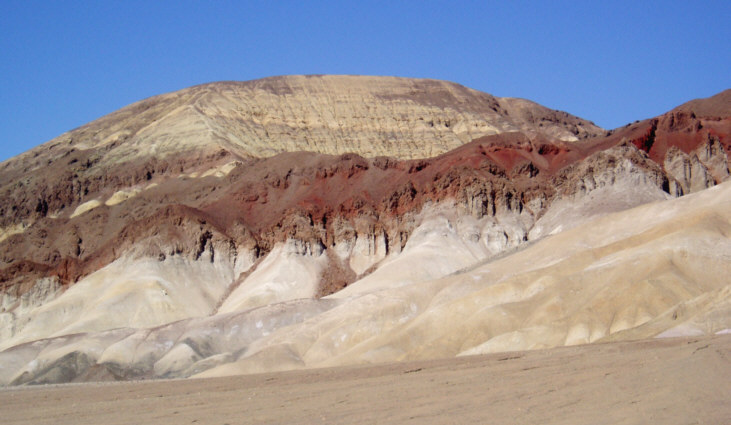
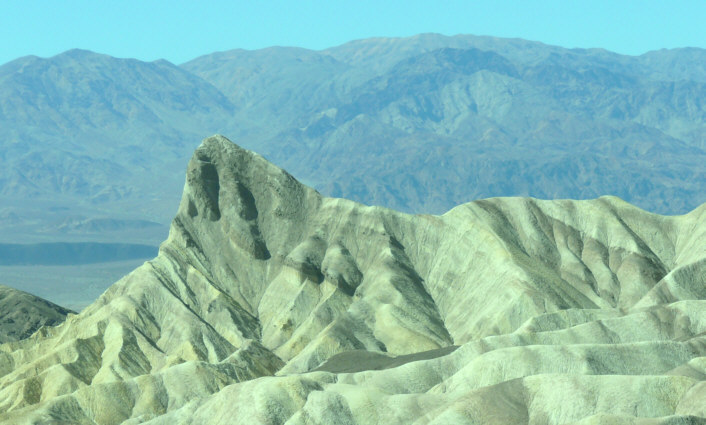
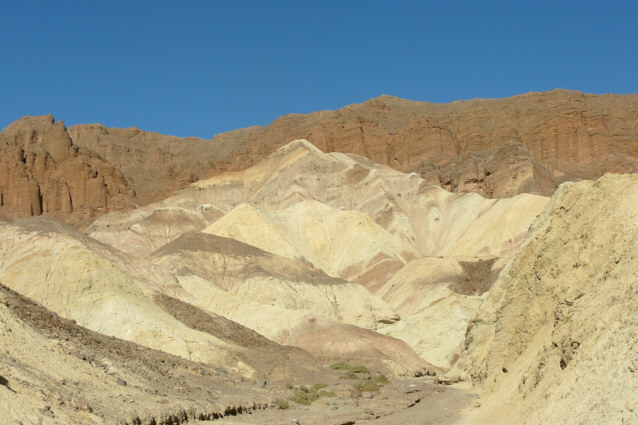
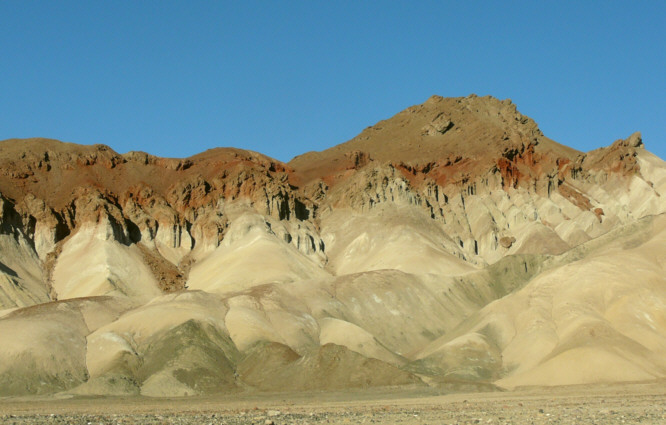
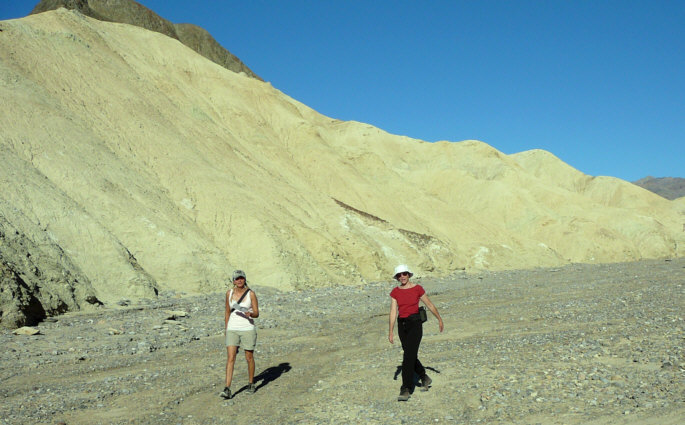
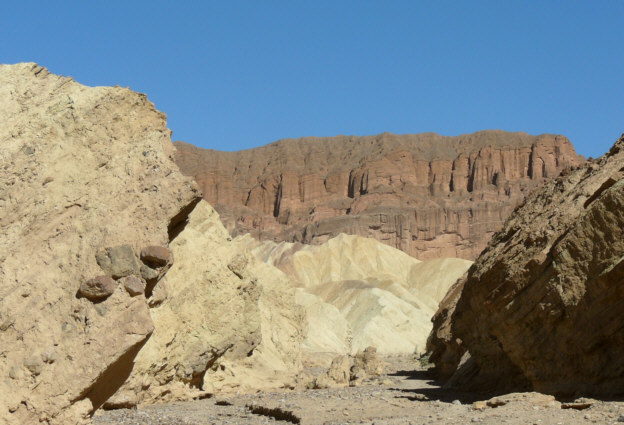
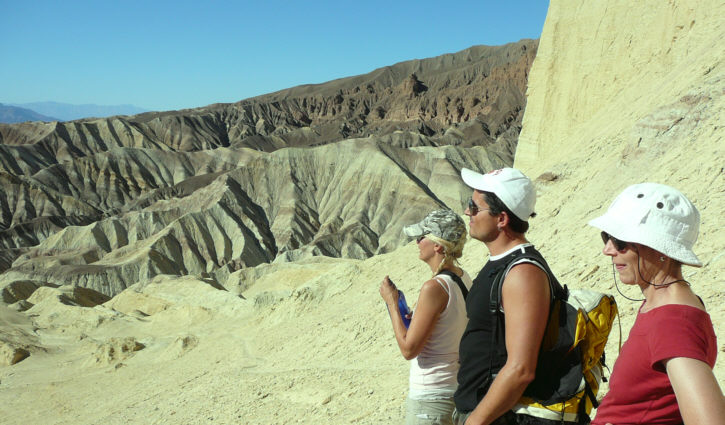
With their newly purchased "Dodge" from Canada, we first headed to the highest viewpoint. Afterwards followed a 5-hour hike on the Golden Canyon Interpretive Trail, and that at a temperature of, naturally by Death Valley standards, only approx. 35 to 40 degrees. Mind you, this all happened in the blazing sun, because there is practically no shade here. However, since the humidity was only approx. 15 %, the heat was surprisingly easy to bear. After the physical exertion and a shared dinner in the MOMObil, we let the day wind down comfortably to live country music played by campground guests.
Las Vegas
The difference could not have been greater. In the morning we were still standing on the parched earth in Death Valley, and shortly after noon we were in front of the closed gates of a motorhome park in Las Vegas. The name Las Vegas conjured up special ideas and expectations in us, as it does for the 37 million annual visitors.
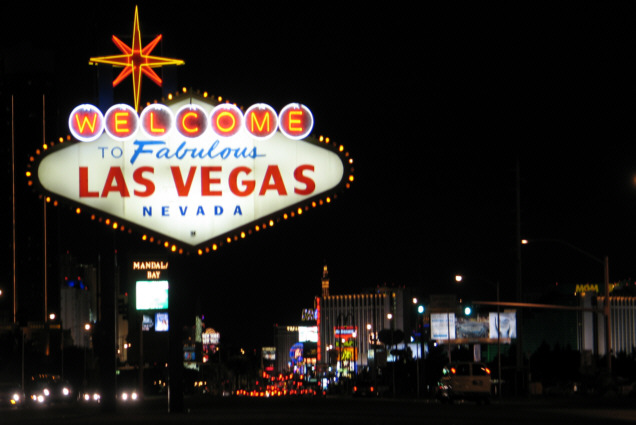
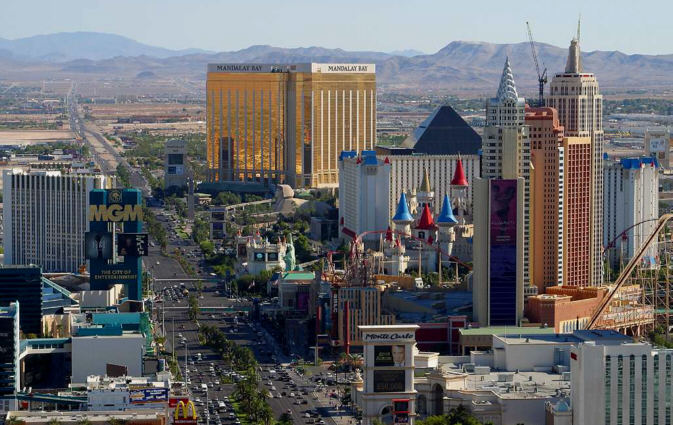
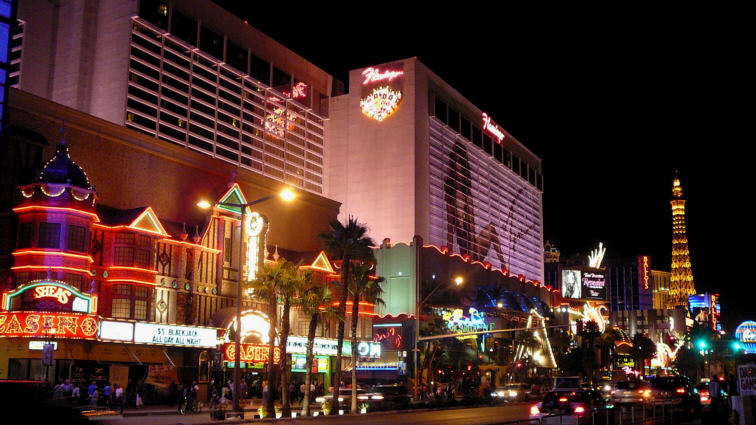
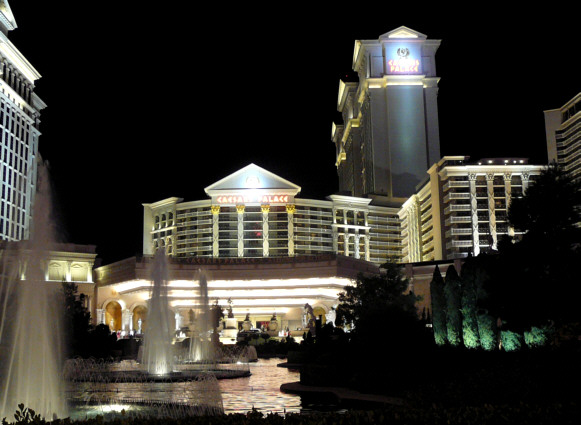
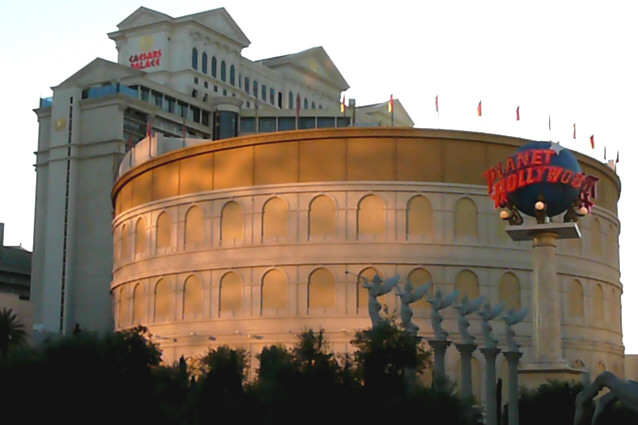
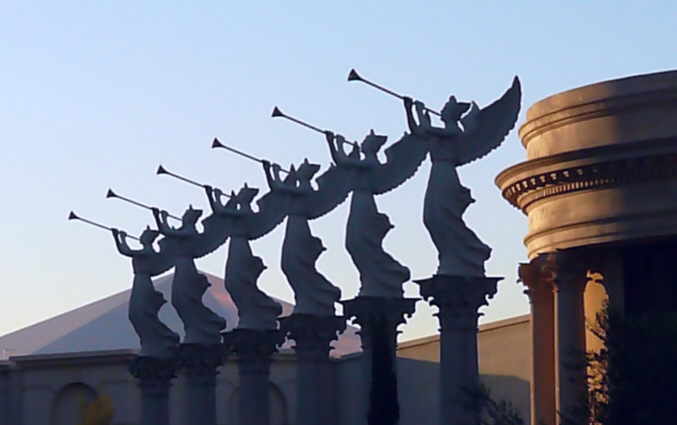
While we were bridging the campground office's lunch break by studying the Vegas tourist information we had received, Micha and Martin (the Swiss honeymooners) suddenly showed up again with their camping truck. They too, upon learning about the exorbitant overnight rates at the other campgrounds, had decided to make do with this rather inexpensive spot. Well, apart from a fair amount of, to put it politely, somewhat older campers and trailers with a lot of junk lying around all over the place, and of course the associated slightly to highly shady characters, this place did not have much to offer. This bothered us personally very little, and nothing happened to us here, except that later when we were leaving, we had to discover that in the meantime someone had siphoned off all the gasoline from the MOMObil tank.
According to official information, Las Vegas is the largest city in the US state of Nevada and is a globally significant tourist center. The city calls itself "The Entertainment Capital of the World".
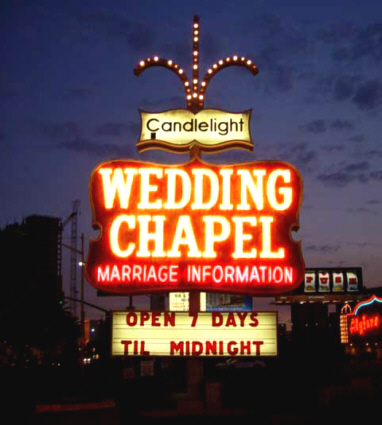
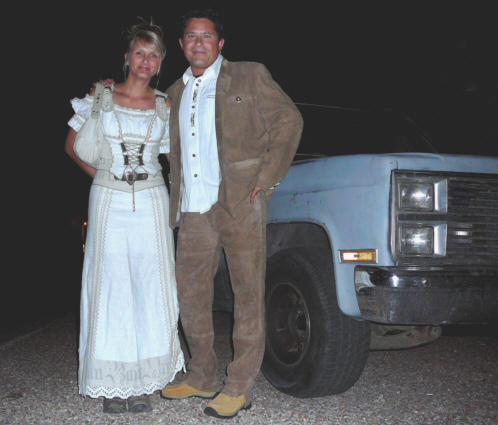
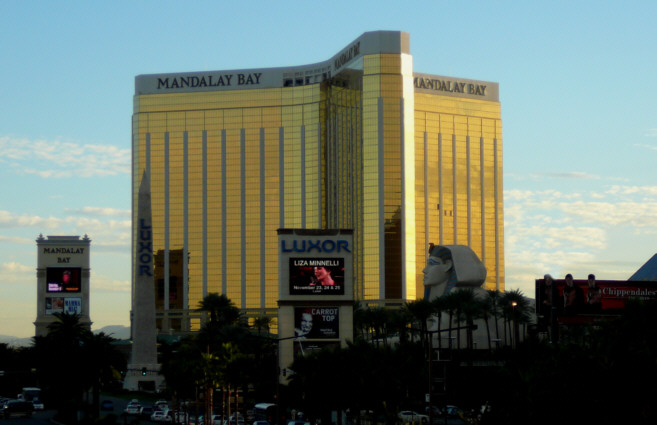
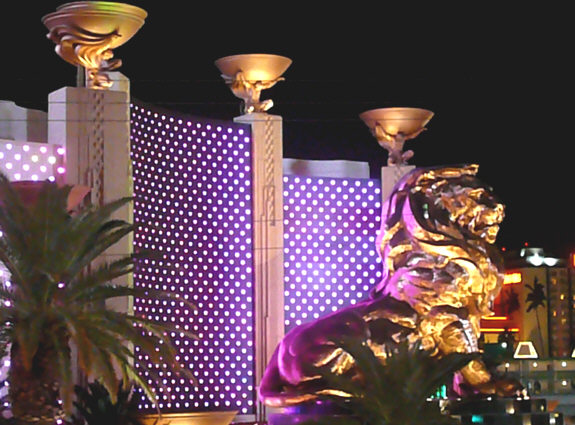
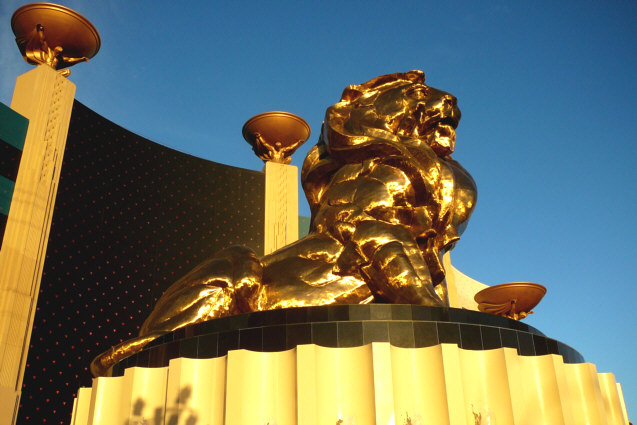
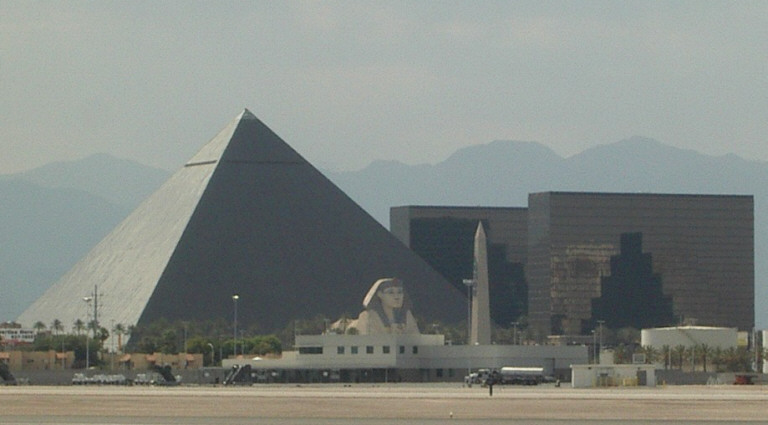
Since Nevada has exceptionally uncomplicated marriage (and divorce) laws, there is also a large number of wedding chapels. This goes so far that there are so-called "drive-thru chapels" here. The bridal couple even remains seated in the car during the entire wedding ceremony, just like buying a hamburger at McDonald's. That is certainly very romantic, and whether the divorces work the same way later on, I could not find out. That was not why we had come to Las Vegas, anyway; rather, we simply wanted to experience the American "Sodom and Gomorrah" live, and right off the bat, it was worth it. Not in terms of dollars, because we went backwards there, which means to put it correctly, Yvonne lost all her previously jointly approved stake to the one-armed bandits. I, as an old penny-pincher, preferred to invest my play money in the delicious "all you can eat" buffets of the various casinos. They always offered "their" players generous discounts on food if they could present a corresponding member card. Since we spent more than a week in this city, today I am thus a member of various casinos and the "proud" owner of their member cards, without having gambled away even a dollar in the casino. Some of you will now say that guy is cheap. Maybe so, but even Steve Wynn, the uncrowned king of Las Vegas, once said that the only one who makes a profit in the casino is the owner of the casino!
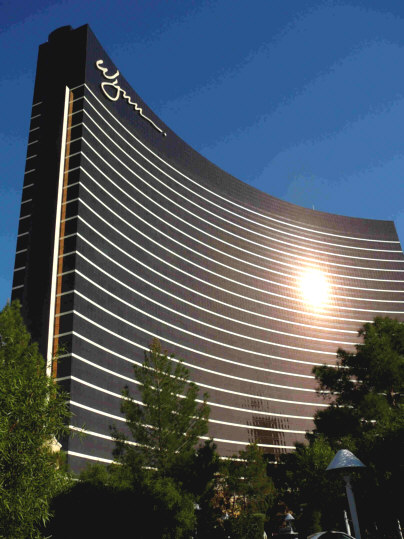
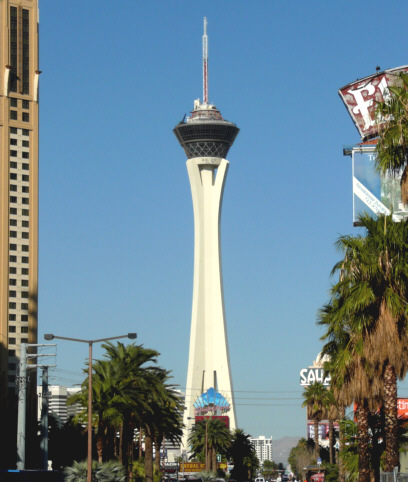
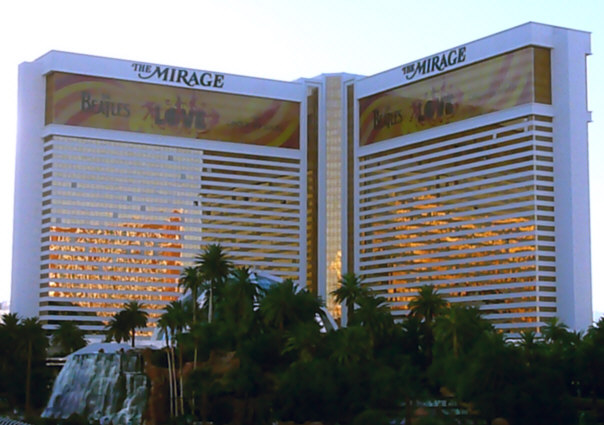
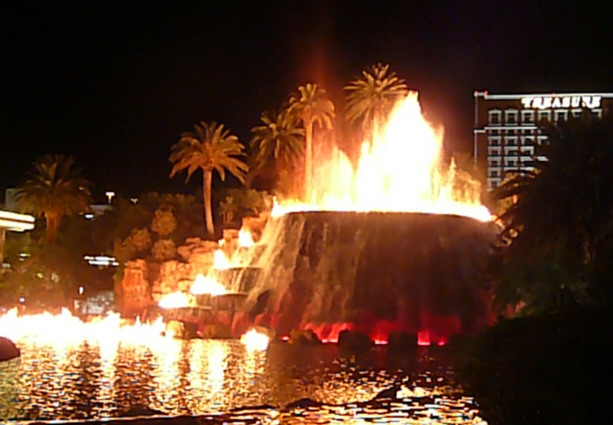
Speaking of Steve Wynn. After the city had increasingly gone downhill in the 1970s and 1980s, this man initiated the turnaround in 1989 with the opening of the Mirage casino complex. He set up a few more casinos, all of which he later sold again, however. Today he owns the most expensive luxury casino hotel "Wynn", which cost a whopping 2.7 billion US dollars to build. Currently, Donald Trump is building a high-rise with condominiums, and the multimillionaire and MGM majority shareholder Kirk Kerkorian is even planning to build a city within a city by 2010, with estimated construction costs of 4 billion US dollars. Those are Las Vegas dimensions, and all this in a desert region where water is becoming increasingly scarce. Will that go well in the long run? The fact is, in any case, that on average every citizen of Las Vegas already consumes about 700 liters of water today, and mind you, this per day.
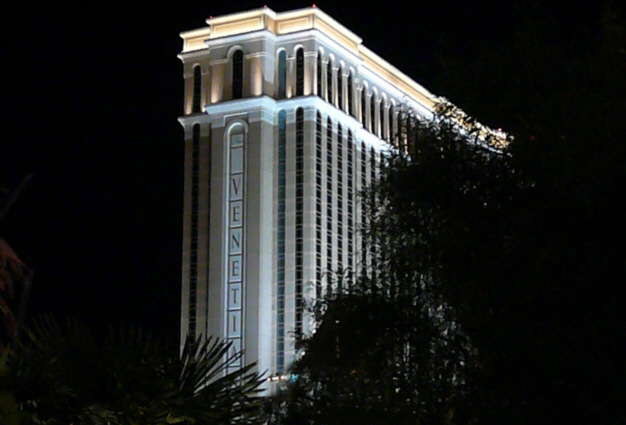
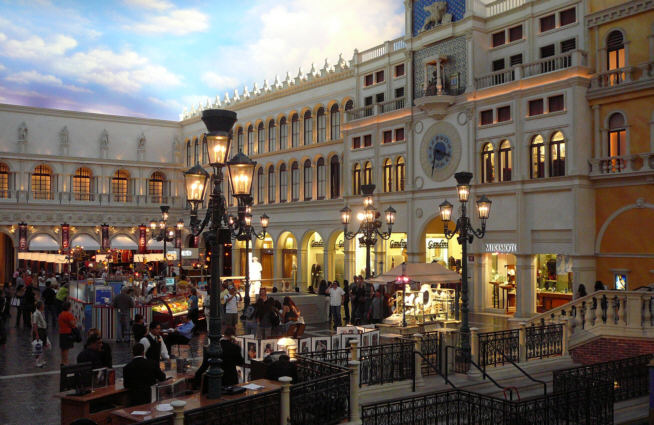
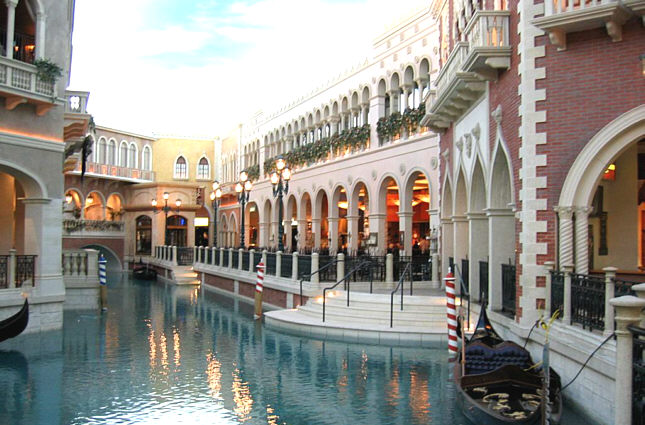
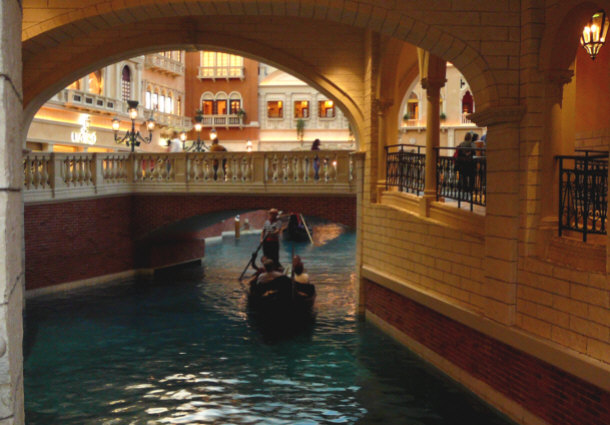
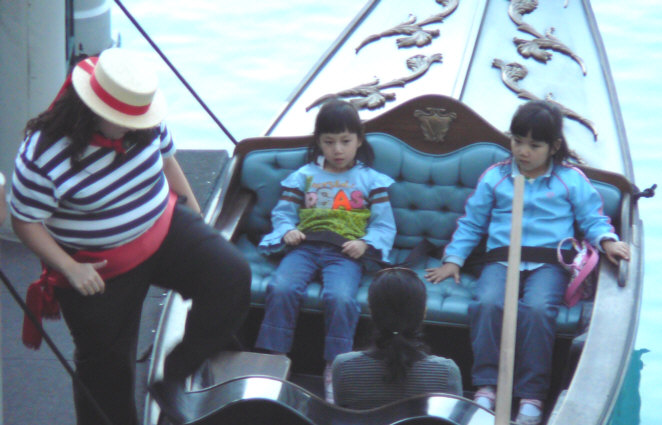
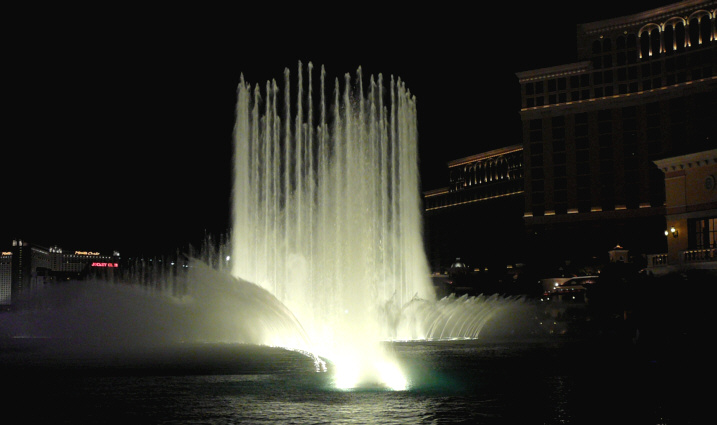
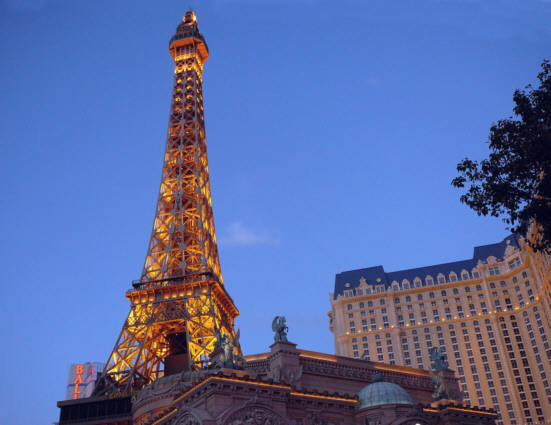
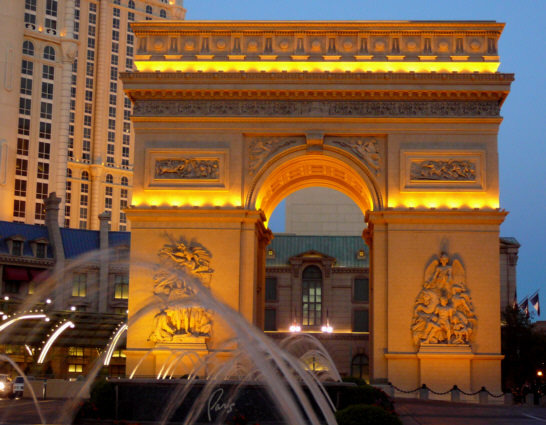
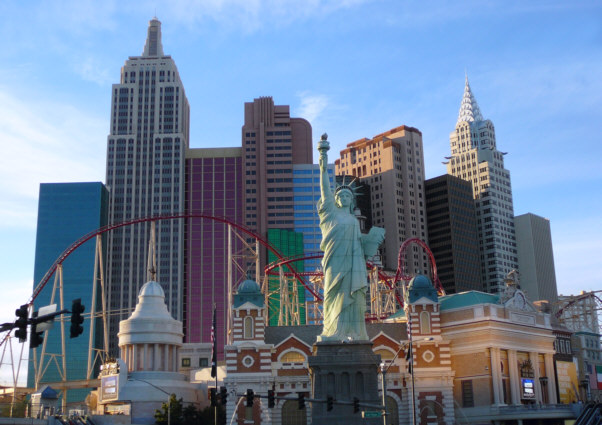
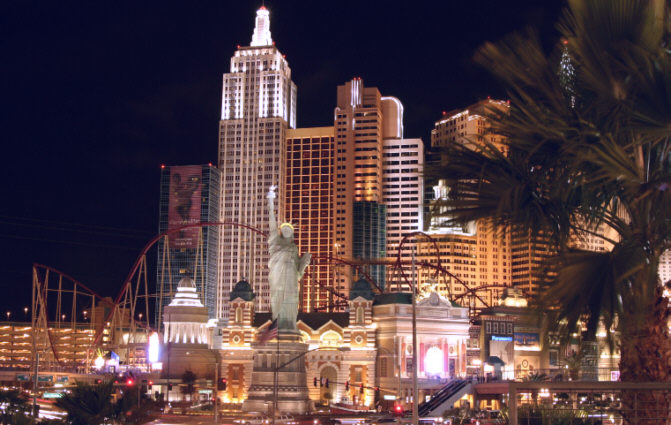
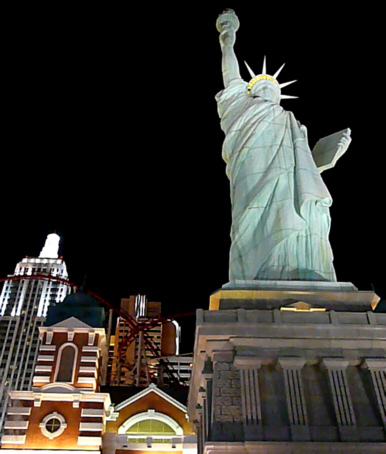
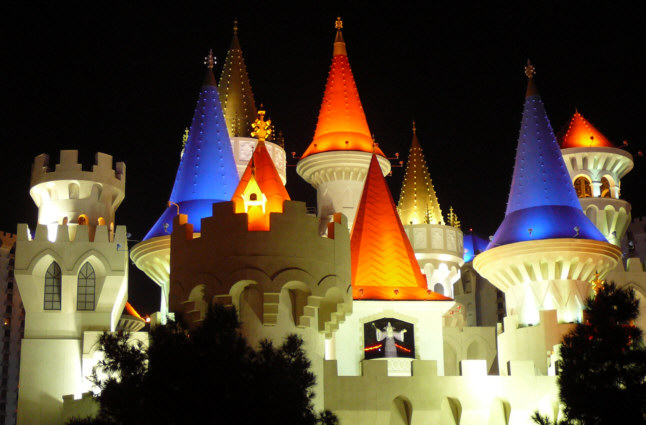
Again and again, when visiting this absolutely extraordinary city, we found ourselves in a moral dilemma. On the one hand we saw the incredible waste and on the other hand we marveled at the ideas and architectural masterpieces, such as St. Mark's Square and the gondoliers in the "Venetian", the water features in the lake in front of the "Bellagio", the sea battle at "Treasure Island", the old Roman alleys in "Caesar's Palace", the Statue of Liberty and Manhattan in front of the "New York-New York", the Eiffel Tower at "Paris", the indescribable luxury in the Wynn, and on and on, there would be many examples worth mentioning.
My conclusion about this city: You can certainly live without having seen Las Vegas, but then you have definitely missed something extraordinary and crazy!
Hoover Dam
After we had replaced the gasoline stolen from us in the MOMObil and had just bought a new gas cap, this time a lockable one, however, we left vibrant Las Vegas. Via Boulder City, which was built in 1931 specifically for the workers of the Hoover Dam, we reached the dam. We were quite astonished when we caught sight of the extremely low water level of the reservoir. Apparently, this is still not a real warning for the energy-devouring lifestyle of American industry and the population.
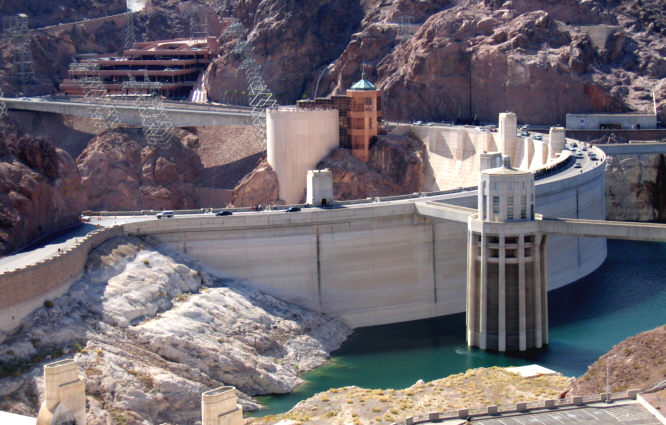
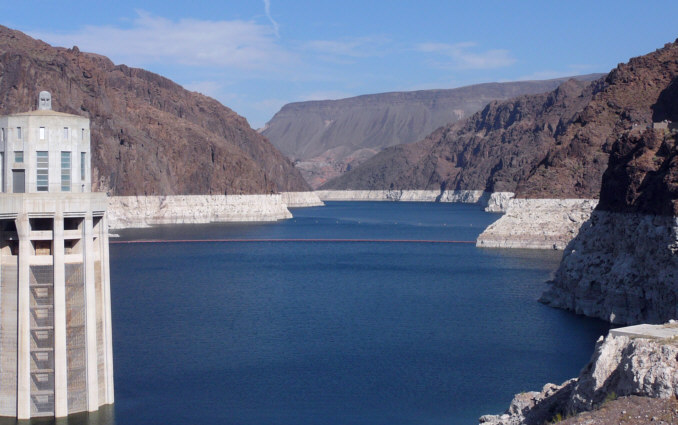
Actually, as usual, we wanted to visit the Visitor Center to get an overview of the entire project. Once we got through the entrance check procedure (just like at an airport), we were very surprised for a second time.
To enter the Visitor Center, which is an information and exhibition space for the dam, they wanted to charge us a whopping 12 US-Dollar per person. I found this completely over the top and, in my personal opinion (though Yvonne thinks I'm exaggerating), it fit right in with the rip-off mentality of Nevada and California.
Just as a side note: the Glen Canyon Dam at Lake Powell in Page/Arizona could be visited completely free of charge, including an informative tour inside the dam. Therefore, our guest appearance here at the Hoover Dam was very short-lived.
Chloride, a repopulated ghost town
From somewhere we got the tip that it was worth making this detour to Chloride. Down here in the south of the USA there are many ghost towns, which are usually very dilapidated and full of trash. However, this village had been somewhat repopulated recently and thus seemed quite inviting and original. Accordingly, its residents were very friendly and each of them was a character in their own way.
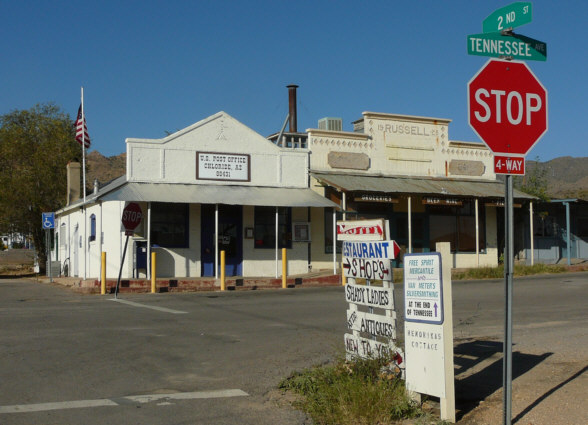
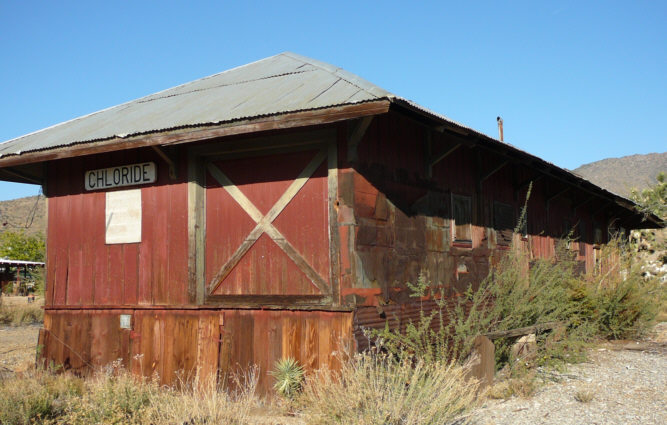
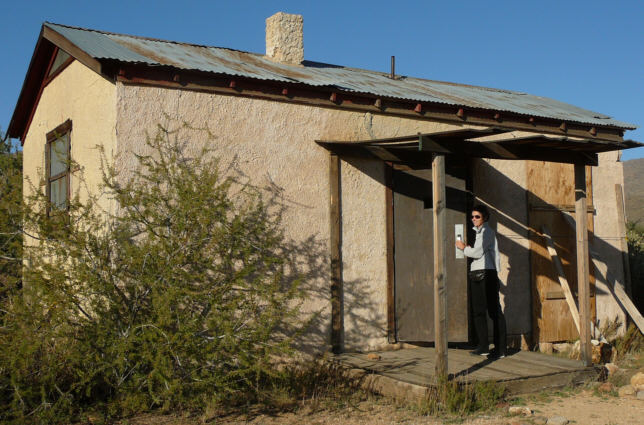
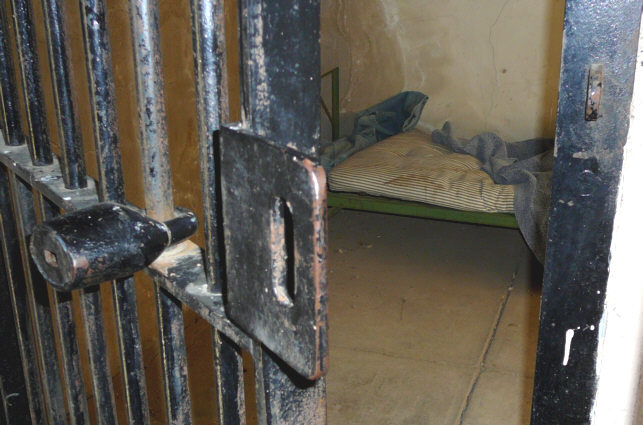
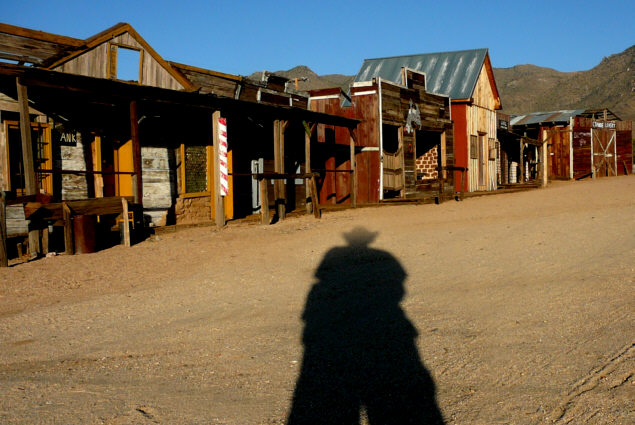
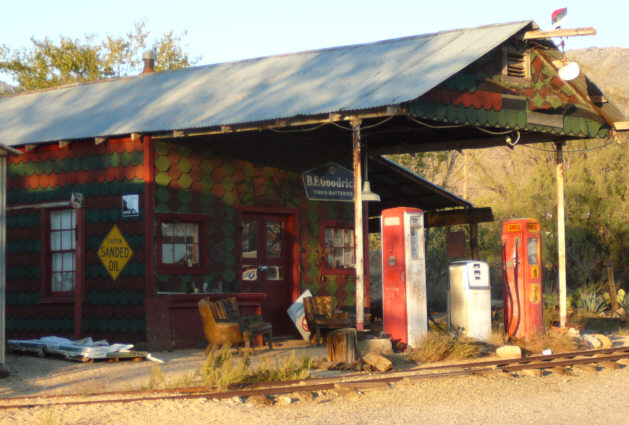
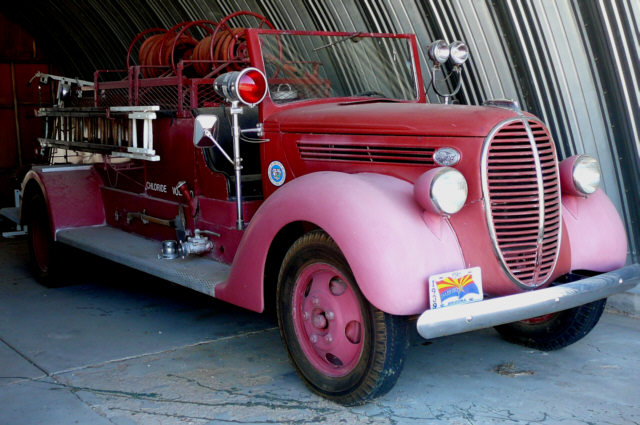
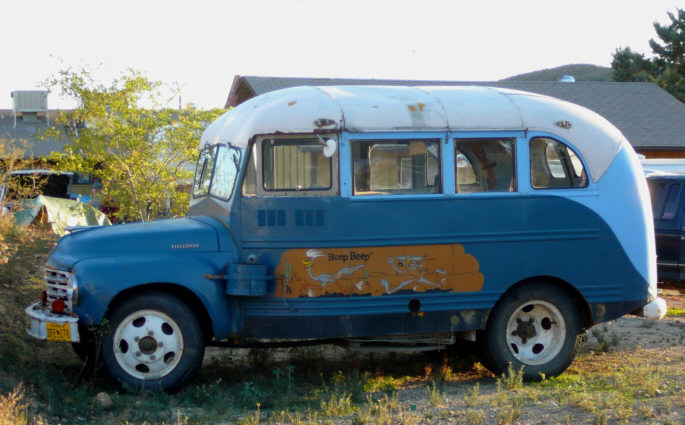
The genuinely old houses, which were already left to decay, somehow felt quite cozy. Today even the old US Post Office is back in operation. The gas station is just a dummy anymore, but the old village store has been brought back to life. When I think of the old fire truck, I can only hope that there will never be a major fire in the village.
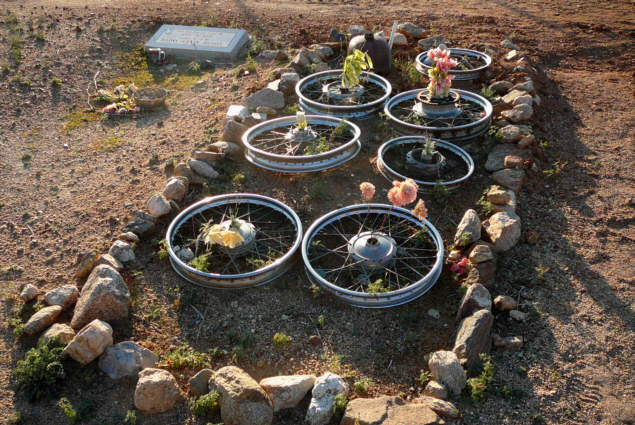
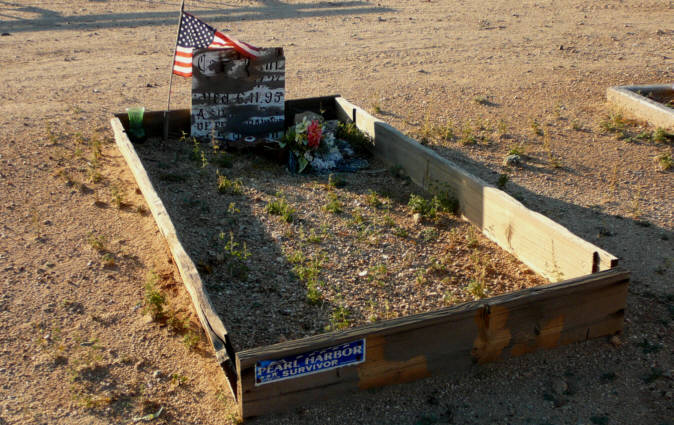
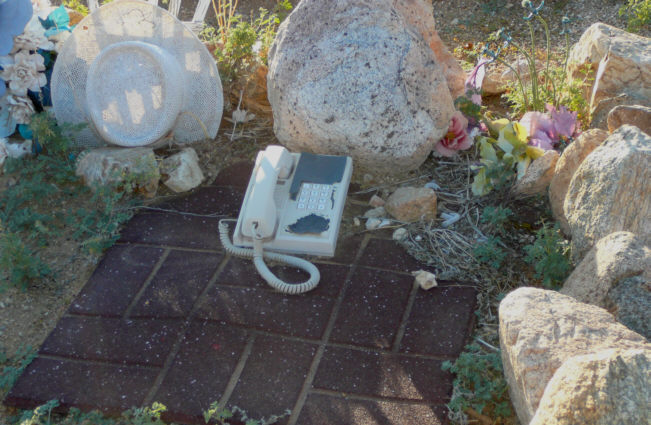
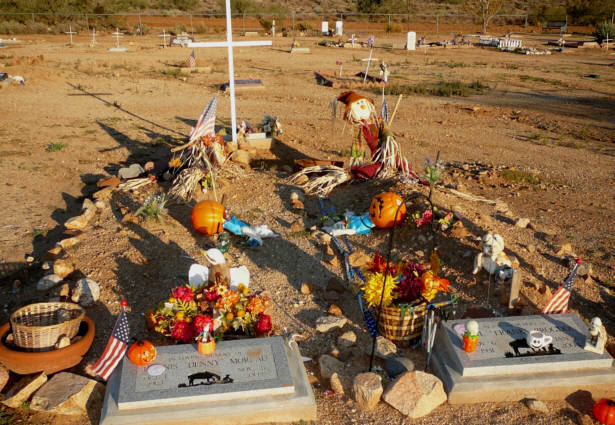
The cemetery is a story in itself. We were strongly advised that we had to visit it. Although it is located a bit outside the village, we walked there. Since the graves in this extremely dry area cannot be decorated with flowers, people use a different kind of grave decoration here. For example, the deceased person's old telephone, used boots, or car rims are used to decorate the grave. On Halloween, the whole thing is simply redesigned to fit the occasion.