Canada · Alaska
Oona River, Prince Rupert, and up to Alaska
Oona River
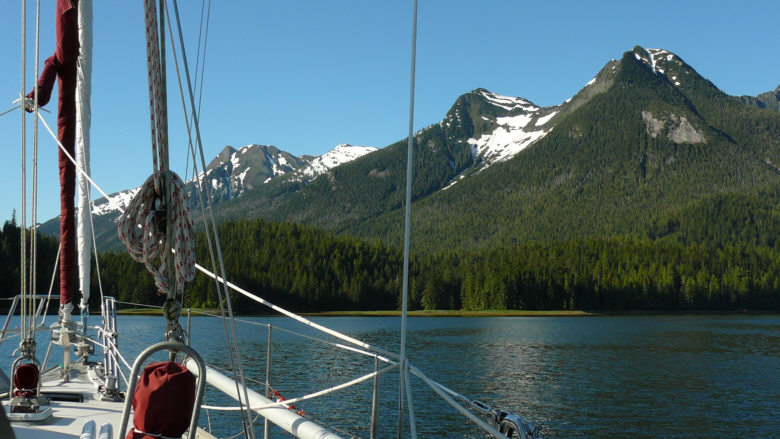
"Canada is a country of boundless expanse. In the second largest country in the world, you can still find untouched nature and deserted landscapes," reads just about every guidebook. I can only agree with that.
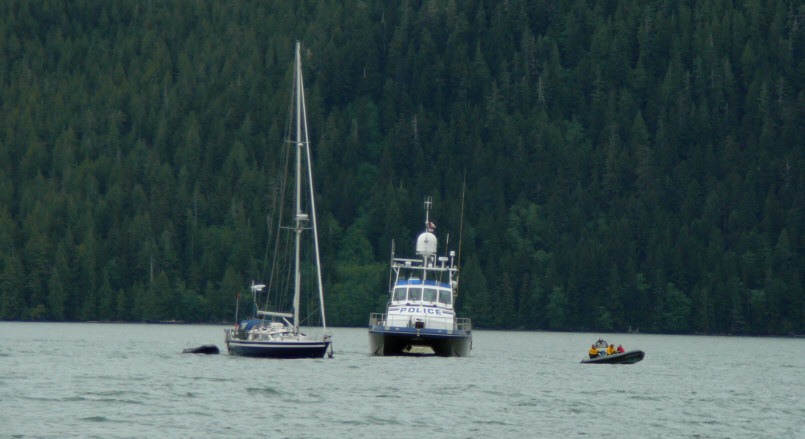
For hundreds of kilometers we had already been cruising through lonely waterways, anchoring in dreamy bays, and feeding (partially) on what Mother Nature provided. The only things we hadn't laid eyes on yet were bears. Aside from trampled grass and bear scat on the shore, it had been a bust in that regard so far. There was also no sign of moose or the very rare white bears found only here. Only the bald eagles showed themselves daily. The first few times it was still an experience for us, but the further north we came, the more we saw of these kings of the skies. It is safe to say they were practically swarming here. Out here in the wilderness, we were also a little glad to have the company of Leo and Dean, because it meant our verbal conversations on the MOMO weren't exclusively focused on Yvonne and me. We had many fun evenings with the two of them, and it also gave both crews a certain sense of security in the event of a major boat breakdown.
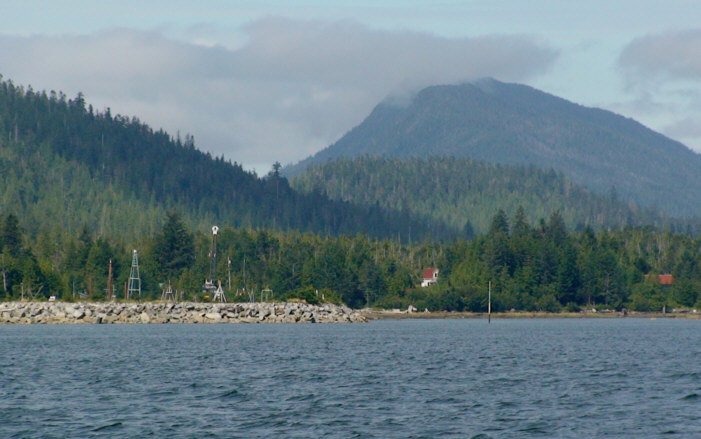
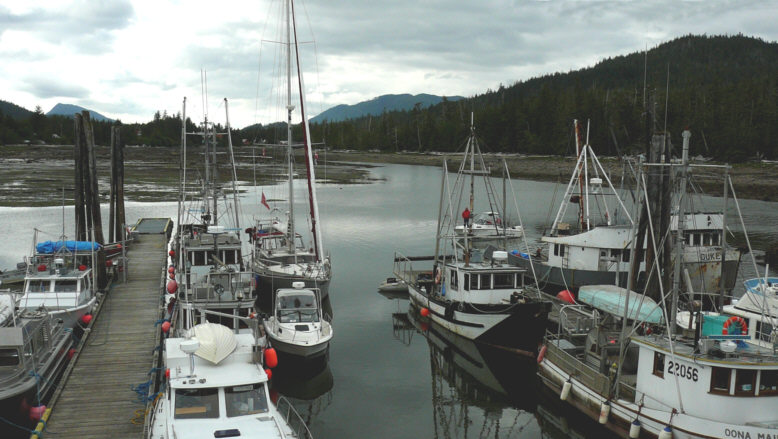
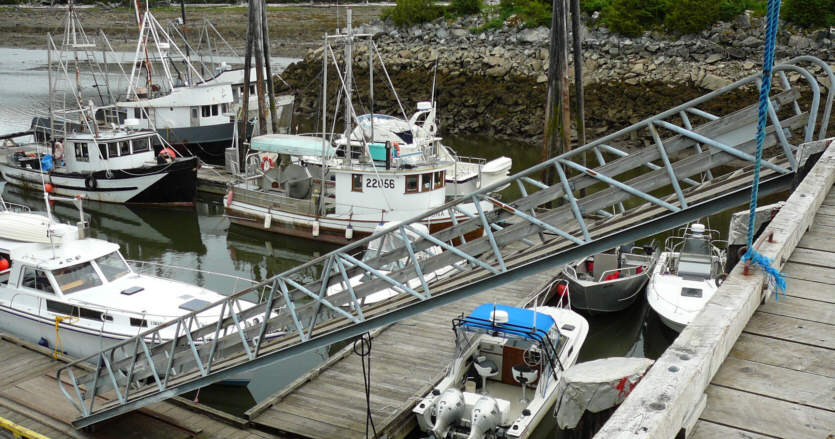
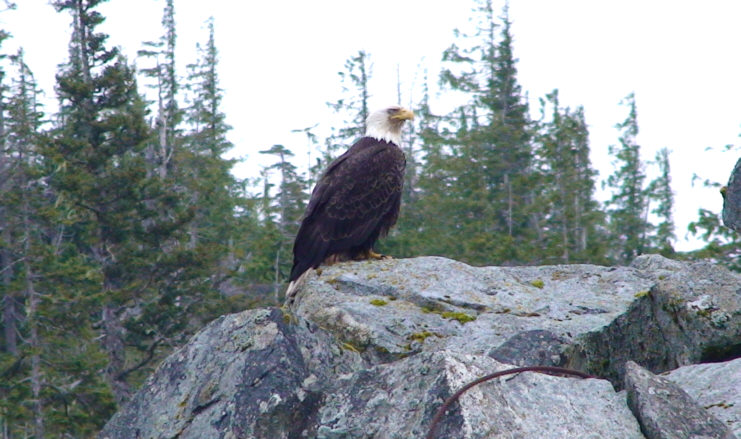
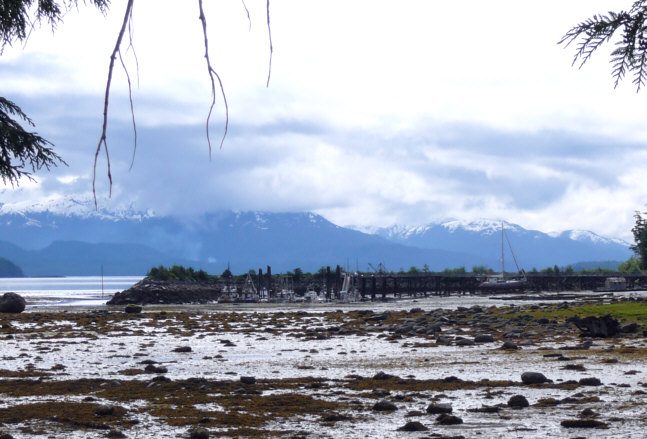
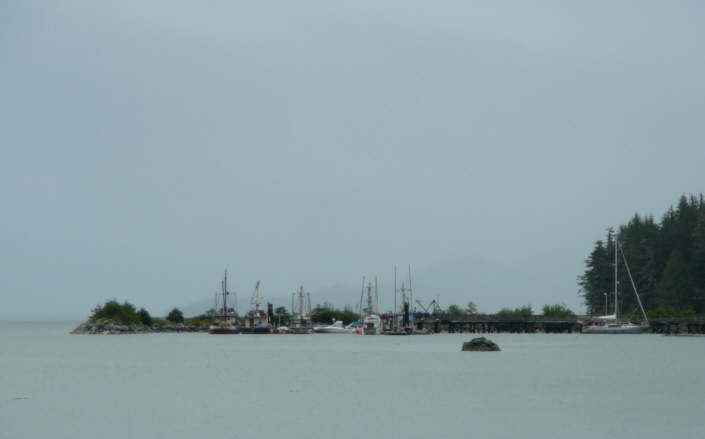
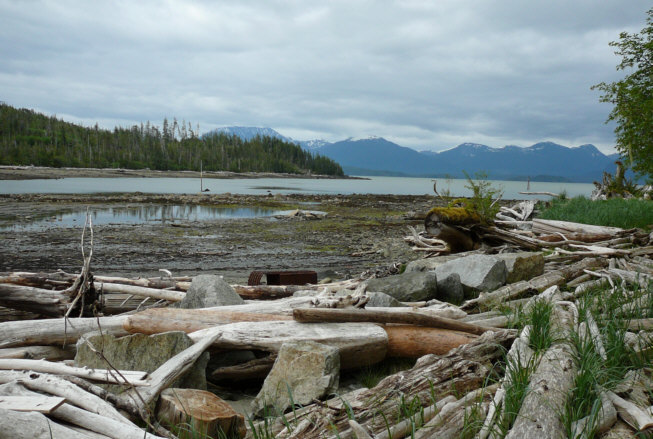
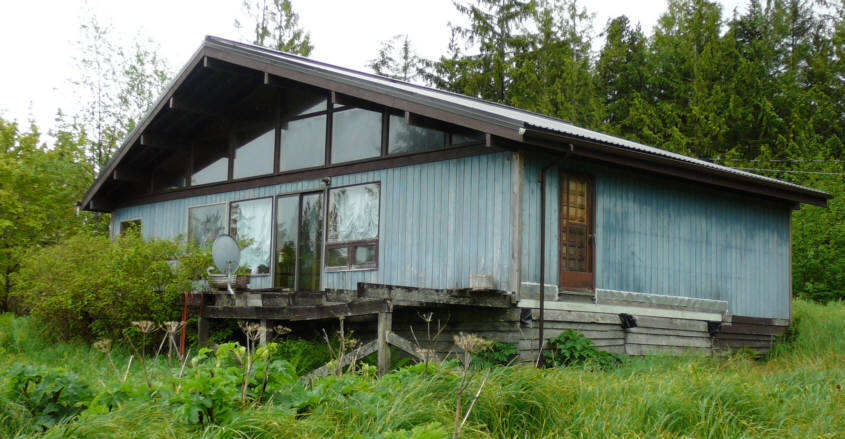
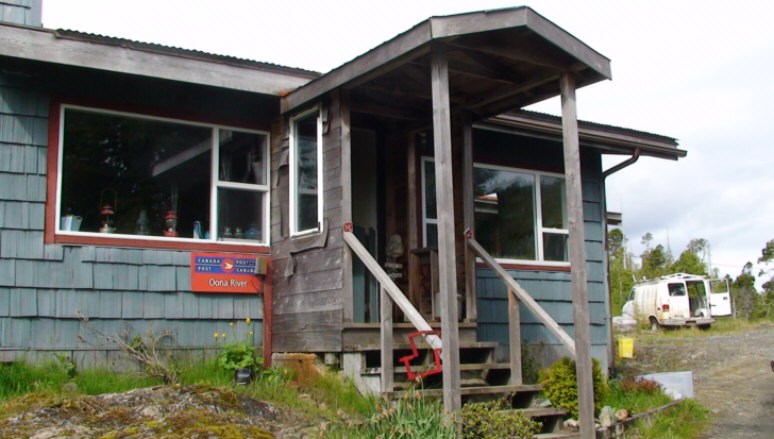
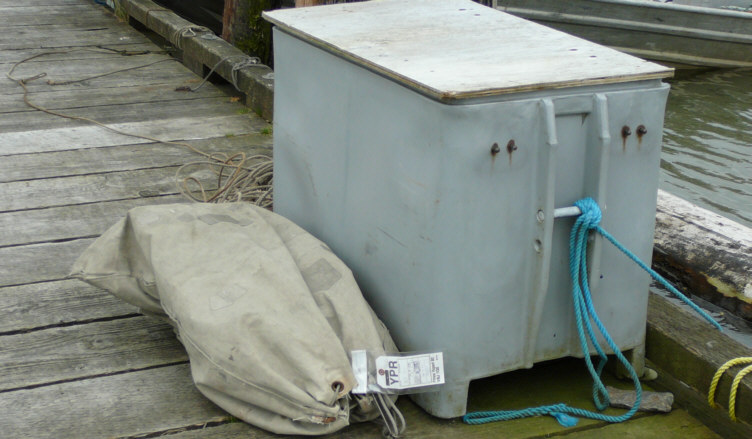
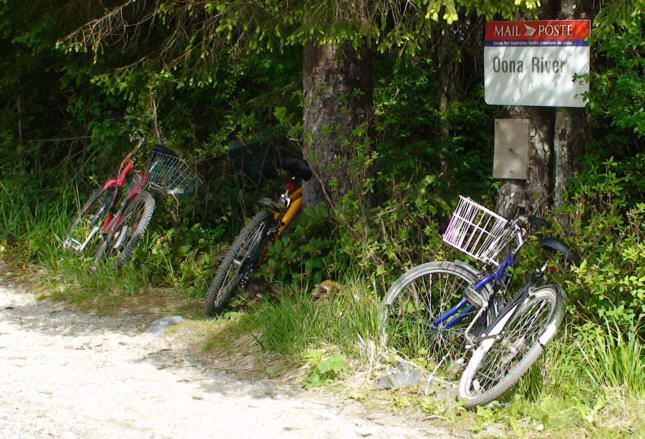
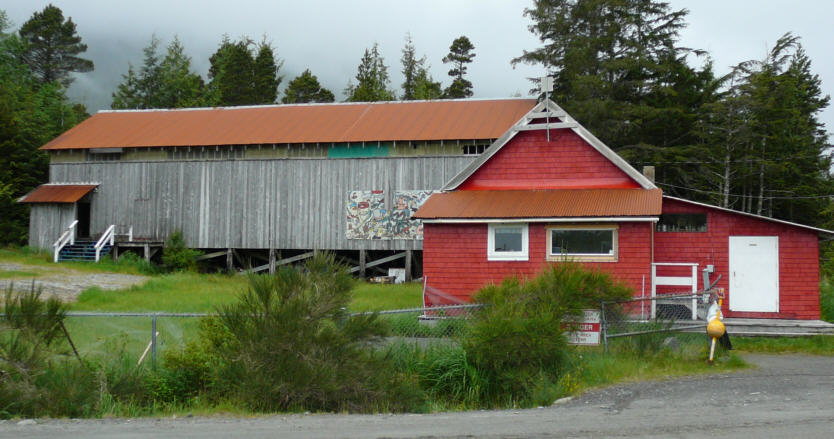
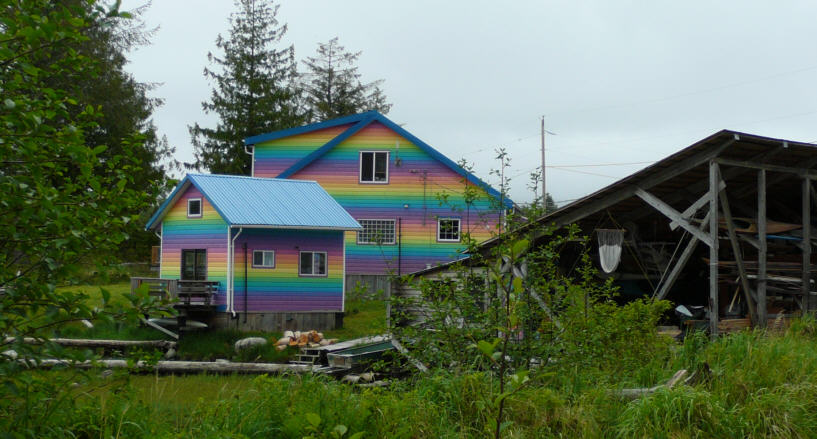
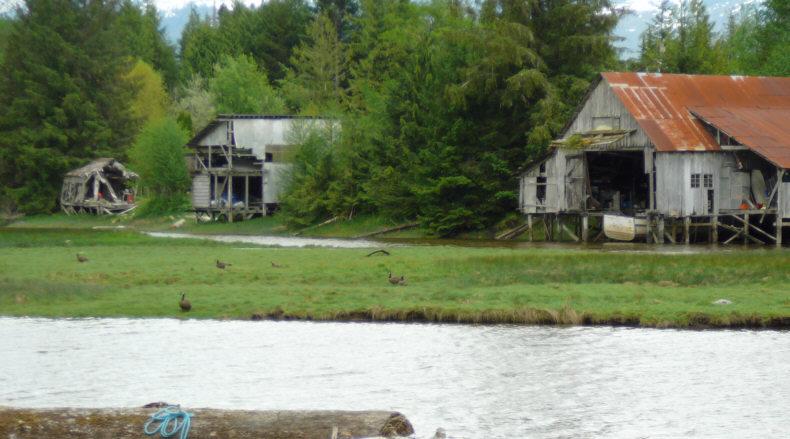
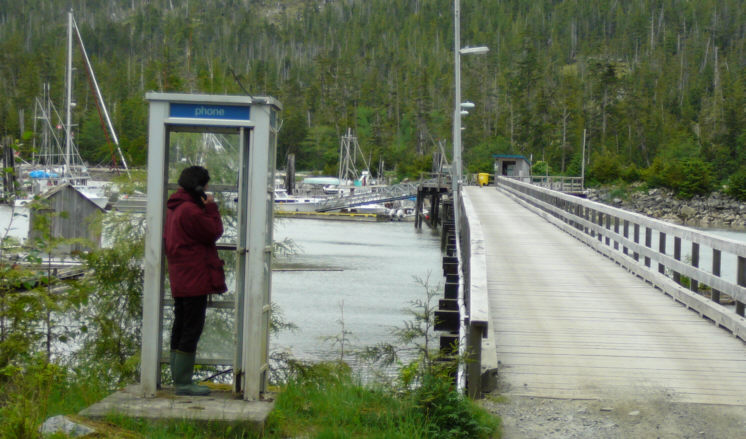
After successfully navigating the Greenville Channel, a spectacular, fjord-like and at times quite narrow 40-mile passage, we reached Porcher Island. This island had been on our minds since December 2004. Back then, on the Venezuelan island of La Blanquilla, we met the Canadian family of Rob and Jo. We promised the two of them at the time that we would stop in Oona River on our journey to Alaska. Here is the link to December 2004: http://www.momo-sailing.ch/ seiten/berichte/berichte_ Dezember04.htm
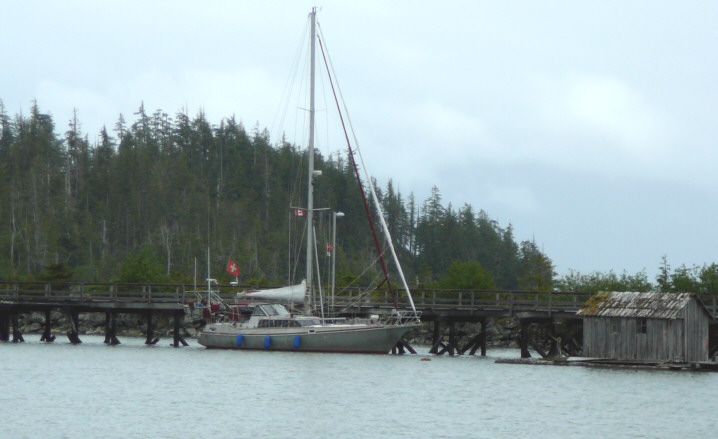
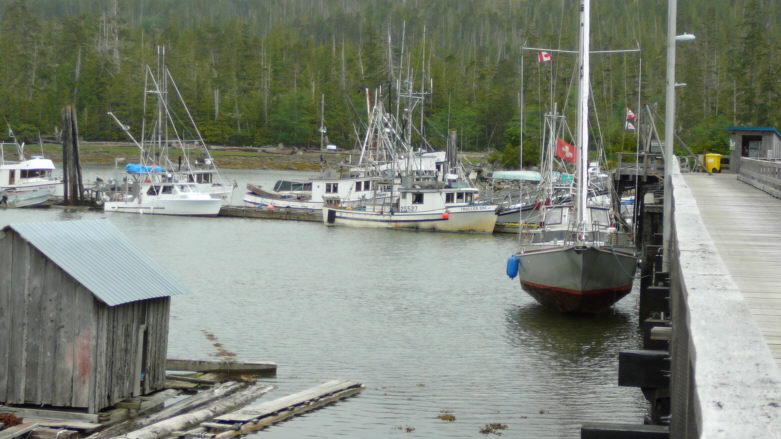
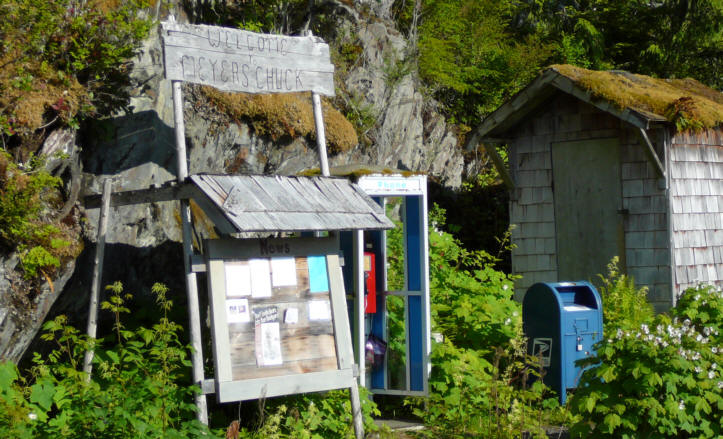
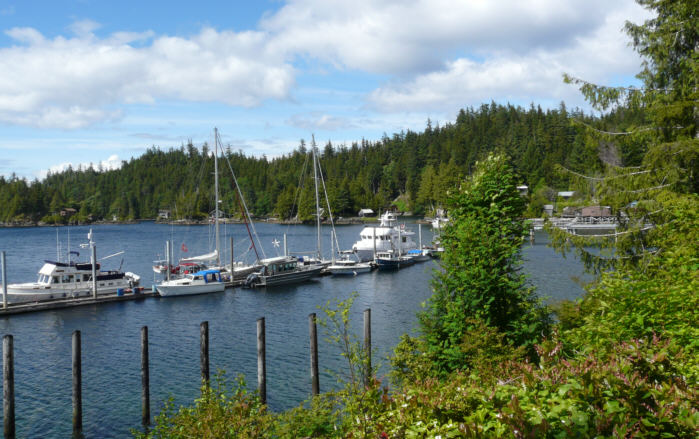
So now we were standing in front of Oona River with our MOMO, holding a paper sketch and the scribbled notes from Rob. It was high tide, which is the only time you can enter the small fishing harbor, but we could not find a trace of a marked channel. Therefore, option two came into play. It was: “Call someone from Oona River on VHF channel 6 and ask for pilot assistance.” According to Rob, the few residents of the village would always be on standby on channel 6. Sure enough, right after our first call, a female voice answered. We briefly explained our little story about Rob and Jo and only had to wait a few minutes before Mike, her husband, came out to meet us. The entrance was a zigzag and truly tricky. Despite the high tide, we never would have made it in here on our own. No sooner had we tied our MOMO alongside a fishing boat than Lutz, a German who had emigrated decades ago, was standing in front of our boat. He greeted us warmly and spontaneously invited us over for “afternoon cake”. Since he had also overheard on channel 6 that Swiss people had arrived, he immediately wanted to hear the whole story of Jo and Rob. So we told him our story as well: “In December 2004, we met a sailing family from this village in Venezuela. They drew us a map and said that on our journey north, we absolutely had to stop in this small settlement. Well, here we are.”
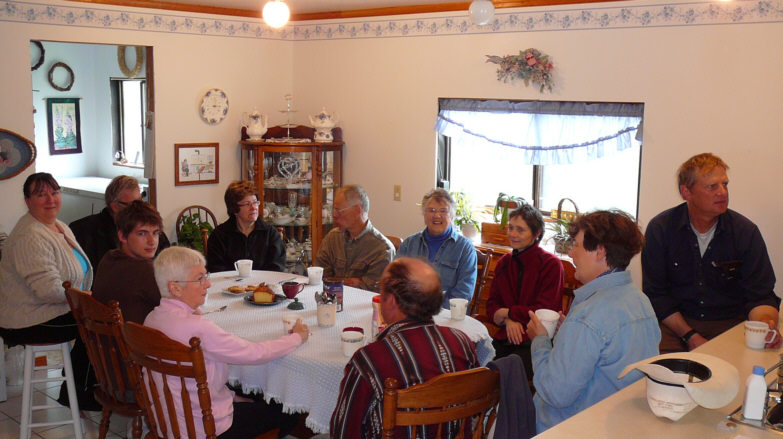
Regarding “afternoon cake”, the following should be said. Every morning from 10:00 to 10:30 and every afternoon from 15:00 to 15:30 is reserved for this time in Oona River. Practically all the residents of the village always gather there to discuss upcoming village issues and other matters over coffee and cake. Plans were discussed and decisions were made for the village community. Village politics in its purest form, direct and just like it used to be a hundred years ago. If a resident does not participate, they have to be able to provide a very good reason. During the entire week we spent in Oona River, we witnessed many heated verbal arguments.
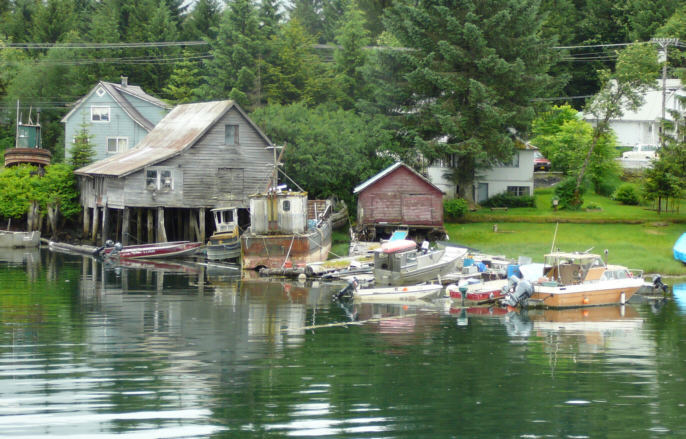
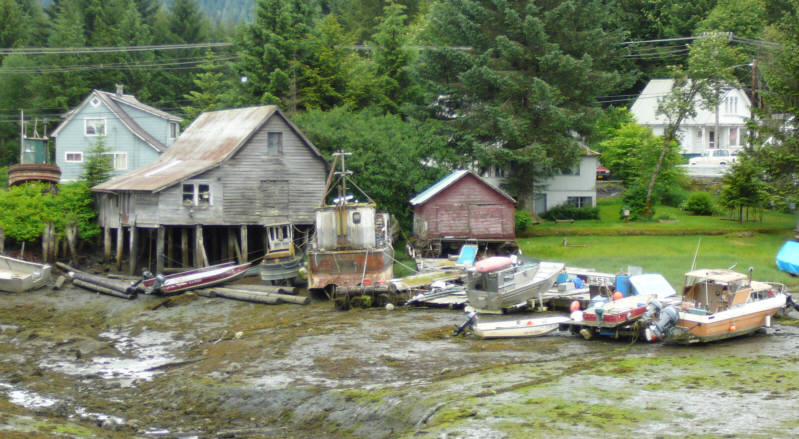
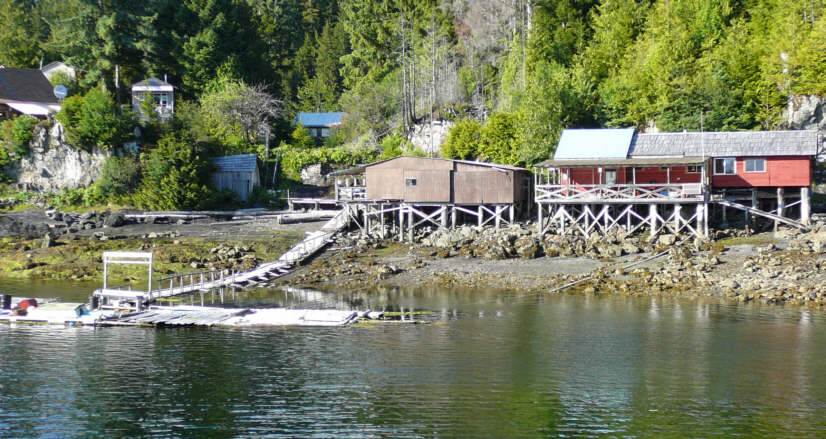
We were warmly welcomed into the village community. With the currently about 20 residents, our arrival naturally made the rounds quickly. In this way, we also learned a great deal about the difficult life in a community far away from any convenient infrastructure. There are no road connections to another town, and by boat it is about 3 hours to Prince Rupert. Since you can only enter the harbor at high tide, every trip must be carefully planned. In strong winds, a trip might be cancelled altogether, and a scheduled doctor's appointment has to be postponed at short notice. A helipad is available for a real emergency, but a helicopter can only fly up to a certain wind speed. All families therefore have an additional place to stay overnight in the city, because otherwise it would simply be impossible. All food, except for fish and crabs, has to be laboriously brought in. Whenever someone goes to town, they get a large list and bring back as much of it as possible. For larger items such as furniture, machinery, building materials, cars, etc., a special barge arrives about every two months, which can drive right onto the beach. This always causes great excitement in the village because the eagerly awaited and urgently needed products are finally arriving. This means the roof can finally be re-thatched or the boat repaired again.
Grid for falling dry
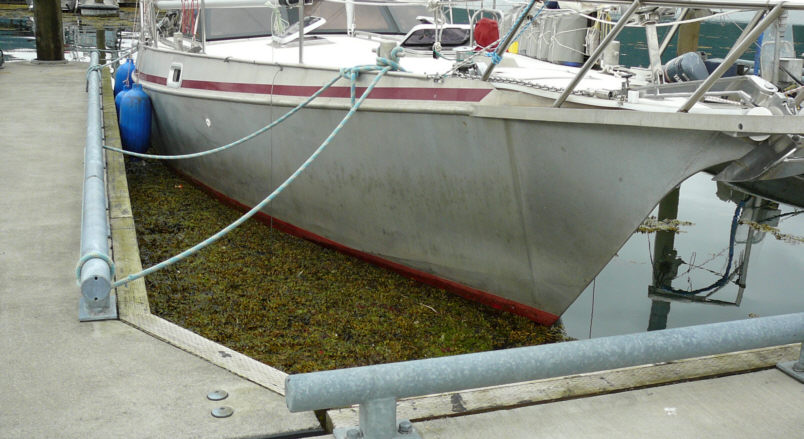
In this village there was a so-called “grid”. This is a place prepared in such a way that a boat can sail there at high tide and fall dry at low tide. It was just the ideal place for our MOMO. Finally, we could clean her underwater hull a bit and see what work the diver in Sidney had done when replacing the defective propeller. I really wanted to reinstall the old, repaired propeller. In the process, I discovered that the thread on the shaft was severely damaged.
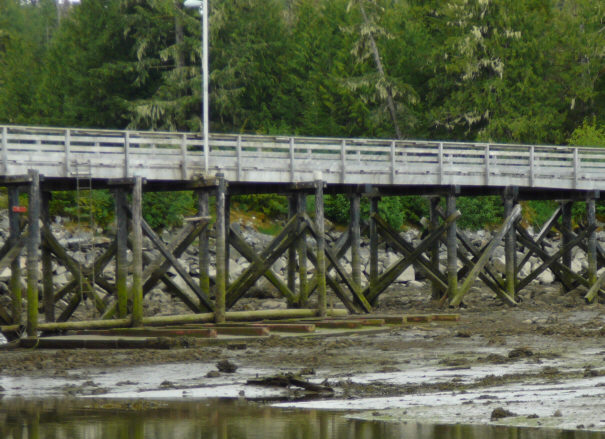
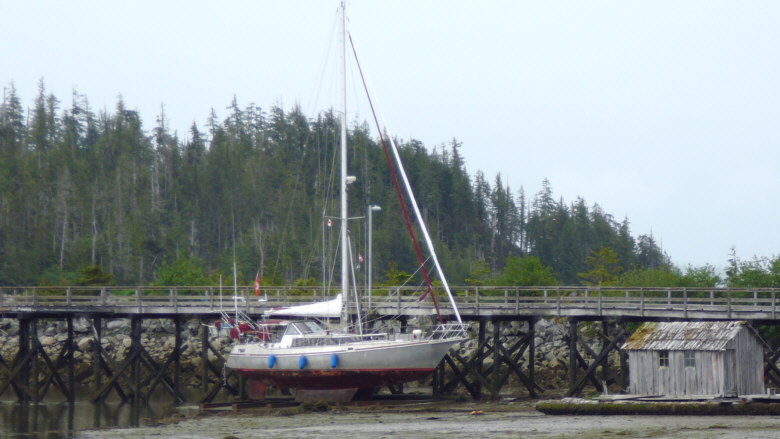
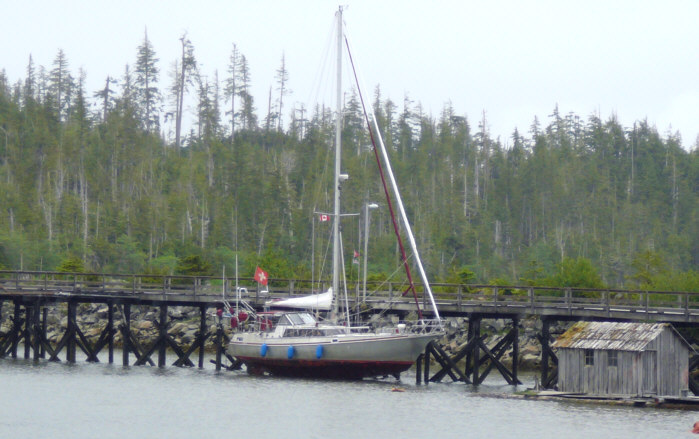
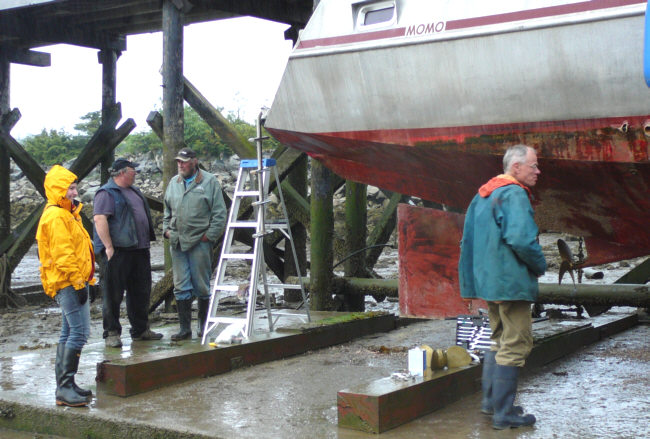
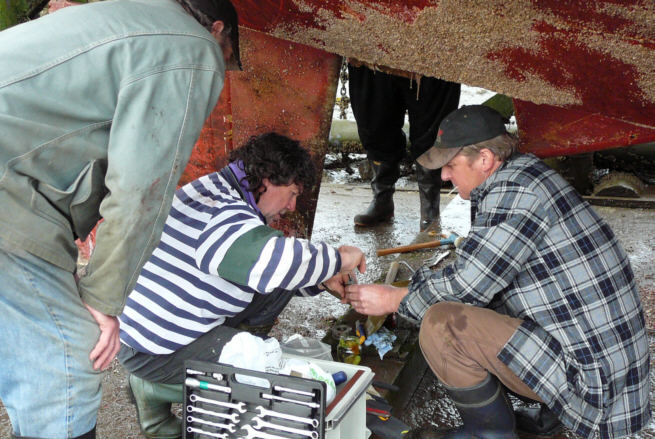
So there I stood, a bit clueless, with two working propellers, but I couldn't mount either of them. First, the thread had to be re-tapped, but how? There was no workshop far and wide, and in a few hours, the water level around us would rise again by about eight meters. Practically the entire male population stood around MOMO and tried to help us with good advice and their tools. But it was all to no avail. The only solution was that we had to organise a special tool from a metalworks in Prince Rupert. Here, the community spirit of the people played along perfectly once again. In two days, someone from the village was going into town anyway. He could bring us this special tool, and after the job was done, we would return it to the workshop in person. No sooner said than done, and so our planned short visit turned into a truly wonderful week in Oona River.
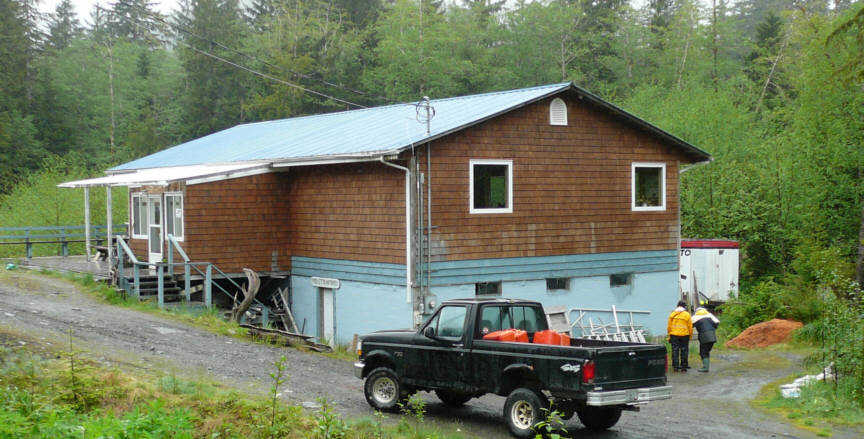
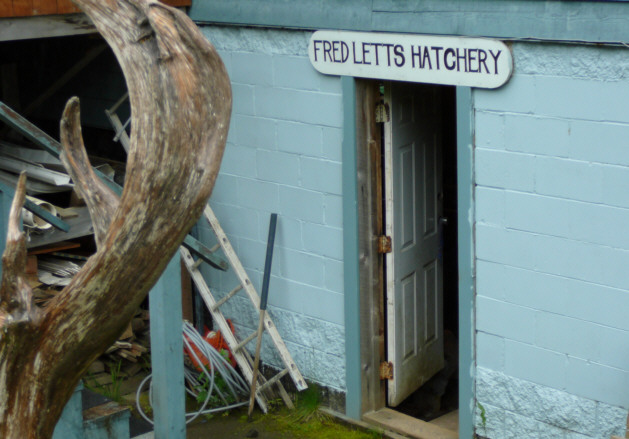
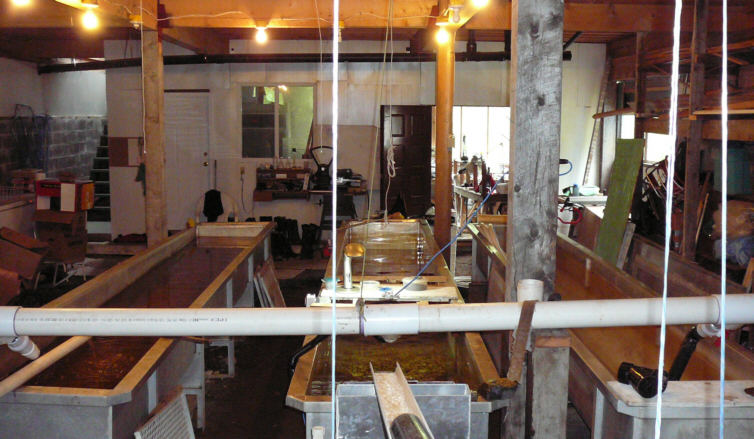
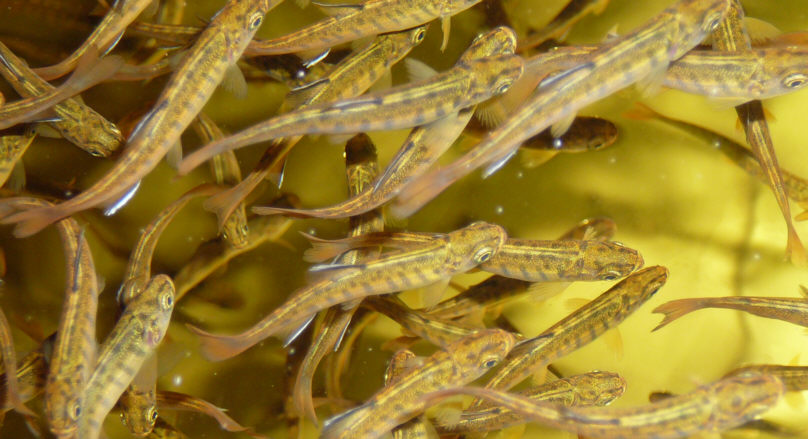
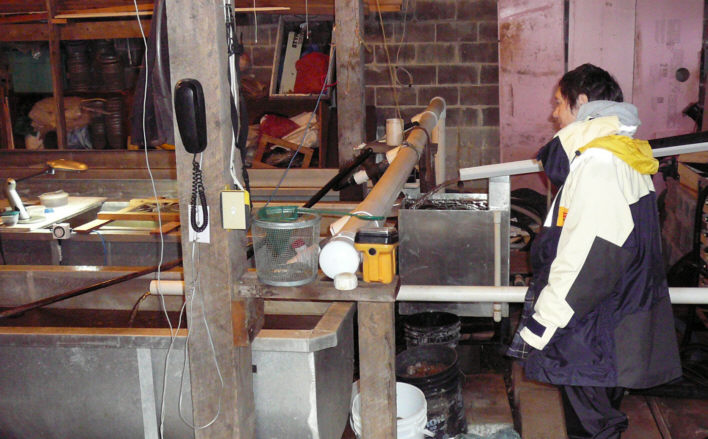
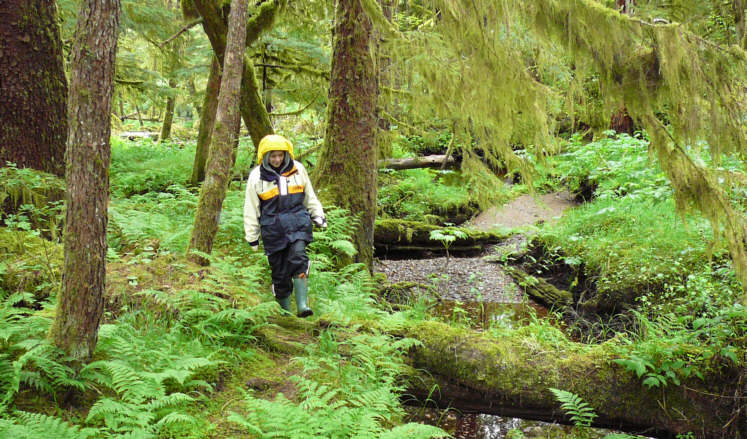
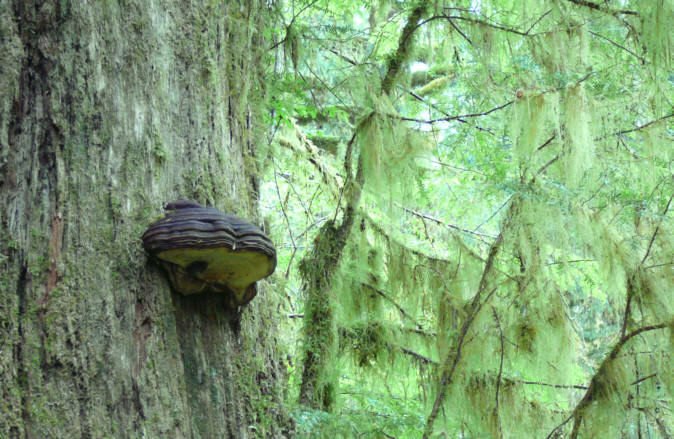
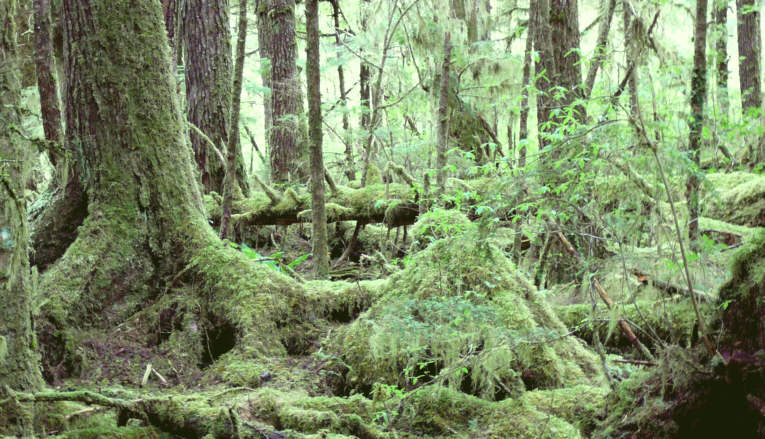
During this time, we saw quite a bit of the surrounding area. The village's own hatchery (salmon rearing station) and a small part of the beautiful, dense temperate rainforest. Of course, we also continued to go to the coffee and cake gathering every day and have now truly grown to love the residents of Oona River. We were invited to dinner and spent cozy evenings playing games, talking, laughing and chatting. Although, or precisely because these small villages have practically no public infrastructure of their own, cohesion within the village community is everything here.
After our special tool from Prince Rupert arrived a few days later, we only had to wait for the next low tide to mount the propeller again. This time it worked without any problems, and so we were able to continue our journey, with a laughing and a crying eye, but with unforgettable positive experiences. Prince Rupert
Like practically every city here in the New World, Prince Rupert also reminds one of a former adventurer from Europe. In this case, Prince Rupert of the Rhine, the Duke of Cumberland.
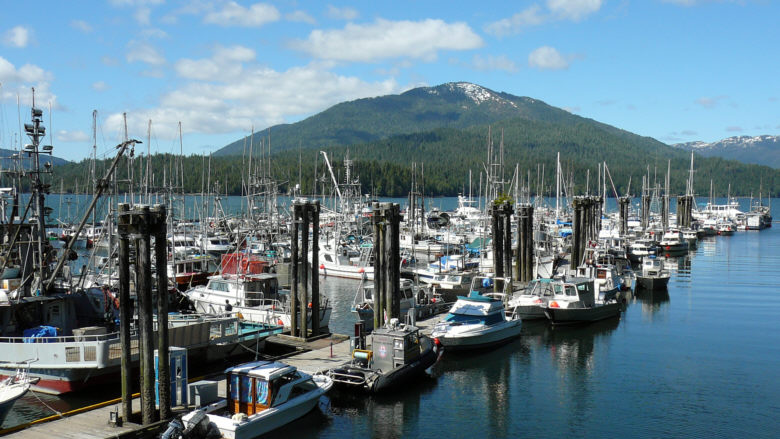
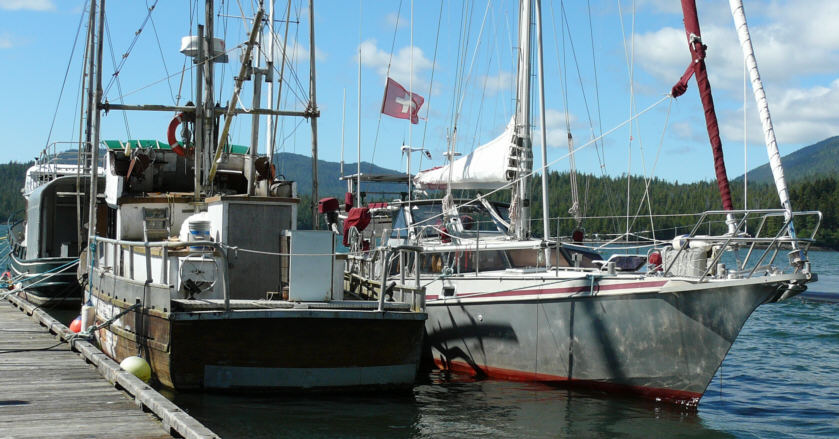
Today, about 15,000 people live here, and the main economic sectors are the fishing industry and tourism. Since this area receives the most precipitation nationwide (2,500 mm per year), Prince Rupert is also called the City of Rainbows. For once, however, we fortunately had no precipitation for a few days, and so the rainbow remained hidden from us here. A small problem with the large generator still had to be solved, and the metalworks had to be given back its borrowed special tool. US Customs was briefly and precisely informed by us by telephone about the time of our expected arrival in Alaska. Now we could finally cast off our lines for good, with our next destination in sight: Ketchikan in Alaska.
Ketchikan
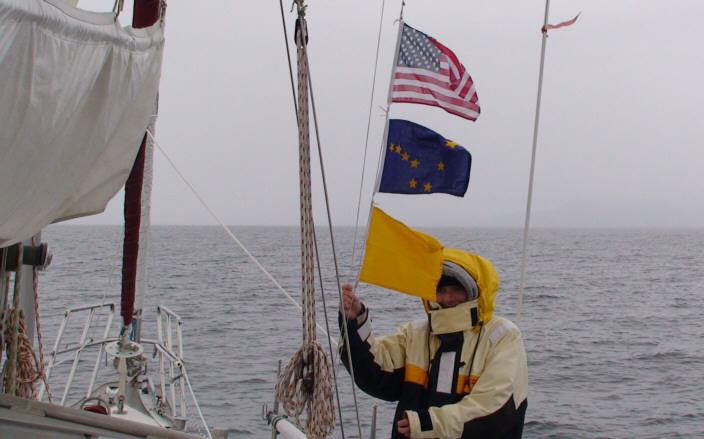
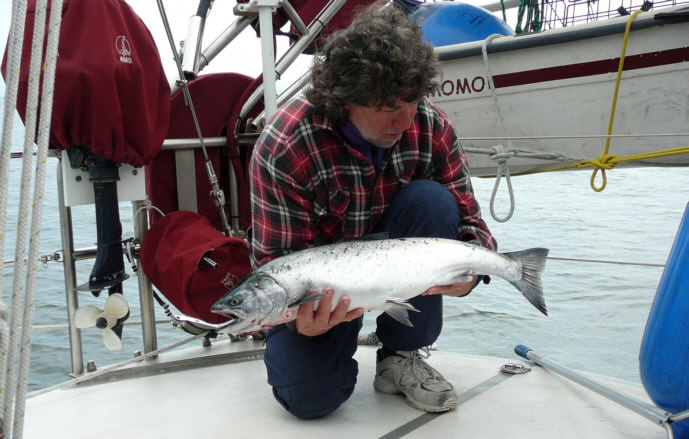
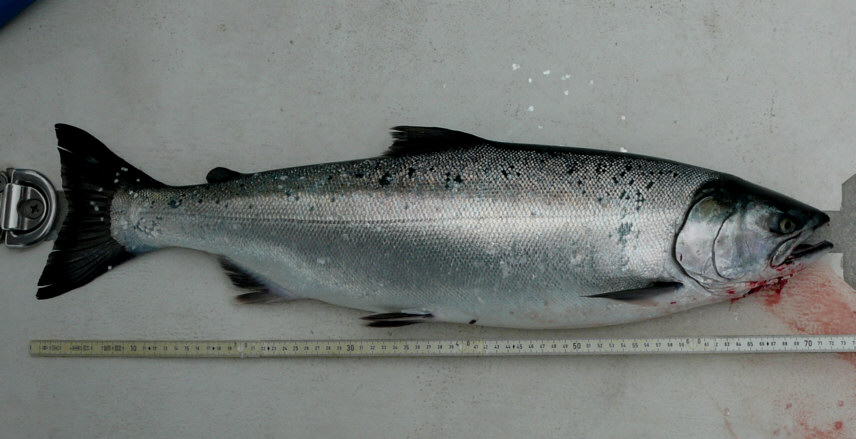
Now we had actually arrived in the south of Alaska under our own keel. A little pride swelled in our chests, not just because of the salmon we had caught, no, also because we had now truly arrived in Alaska.
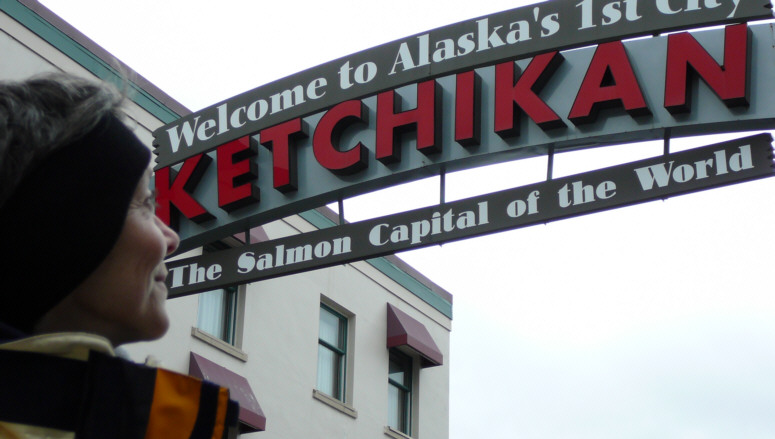
We were still missing only a few hundred paltry miles to our northernmost destination, Glacier Bay National Park. But this was now practically just around the corner, considering how many nautical miles we had travelled so far. Ketchikan, with its population of about 8,000, is widely known as the center of Alaskan Native culture and as the sportfishing capital. It is the fourth-largest city in Alaska. This picturesque world capital of salmon is also home to the Tlingit Indians and houses the world's largest collection of totem poles. For the indigenous people of this region, these totem poles served as a reminder of legends, important family events, and the history of their own people.
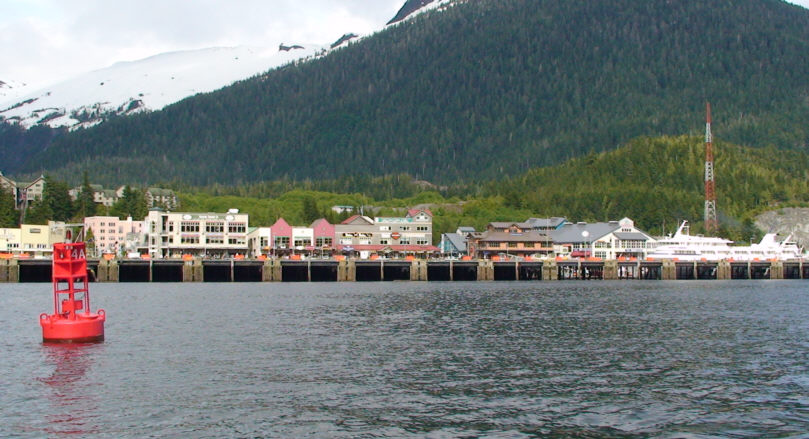
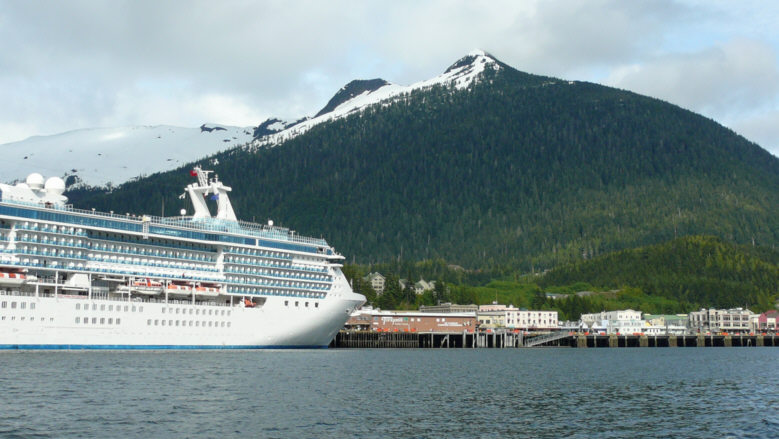
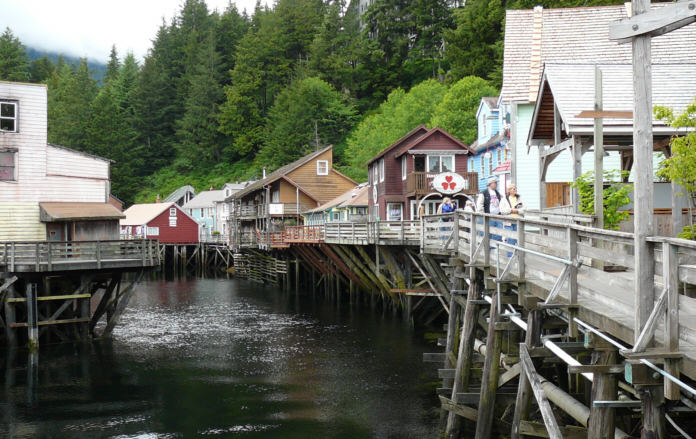
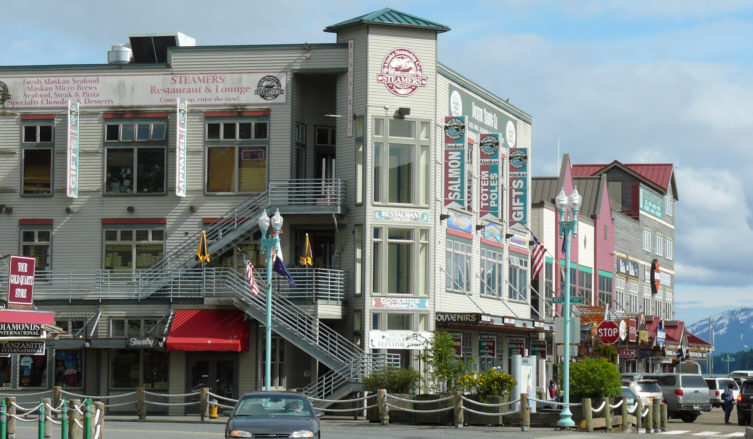
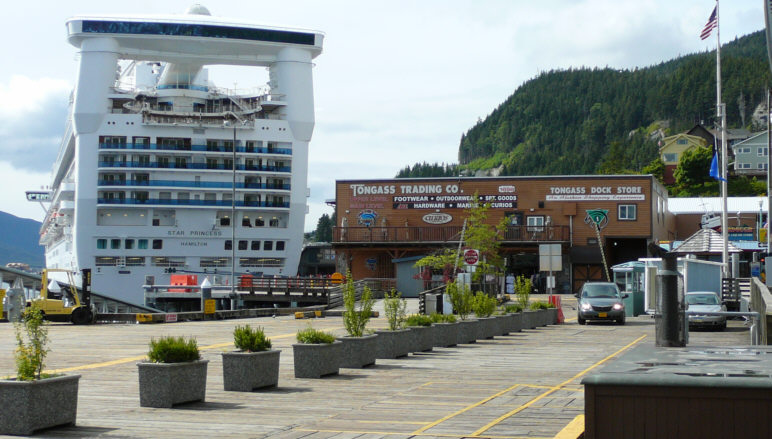
Creek Street winds its way through the city center. This street is actually just a wooden boardwalk that used to be Ketchikan's notorious red-light district. The former brothels have now become restaurants and modern shops. Also of interest is the house of Dolly Arthur, who was once Ketchikan's most popular madame, which has been converted into a brothel museum. Today, a visit to her former establishment gives a vivid impression of an essential aspect of everyday life and the oldest profession in the world during pioneer times.
We took all of this in, but it is always the same everywhere in North America. If something is just over a hundred years old, it is marketed here as a sensation. For Americans, one hundred years is simply a different dimension than for us Europeans.
Petersburg
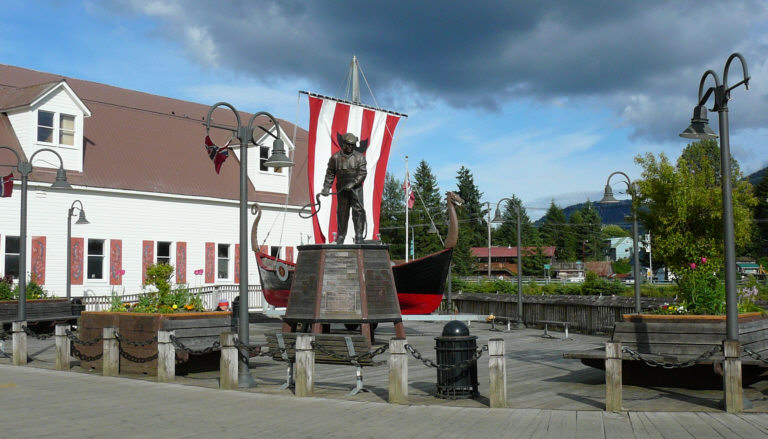
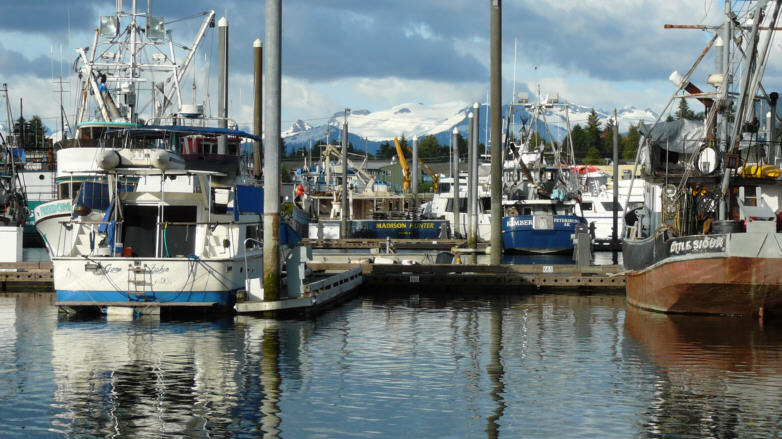
We sailed, yes you read that right, we went sailing again for a change. With pleasant wind conditions, we left Wrangell to our right. Here in Wrangell, gold discoveries twice caused a rush of hopeful gold seekers towards the end of the 18th century. Today, however, that time is over. Although some of that gold fever atmosphere is said to have survived to this day, this was no reason for us to make a stopover. Our next stop, in civilized surroundings, was Petersburg, also known as Alaska's Little Norway. Indeed, a touch of Norway can still be felt here today. Each of the 30 shutters of the Sons of Norway Hall is decorated with colorful floral garlands, the traditional Norwegian rosemaling. Many fishing boats were moored in the large harbor, as it is home to Alaska's largest halibut fishing fleet.
Further north in the Inside Passage
After leaving Petersburg despite the rainy forecast, the water also became colder and milkier. This was a clear sign that the first glaciers were now very close.
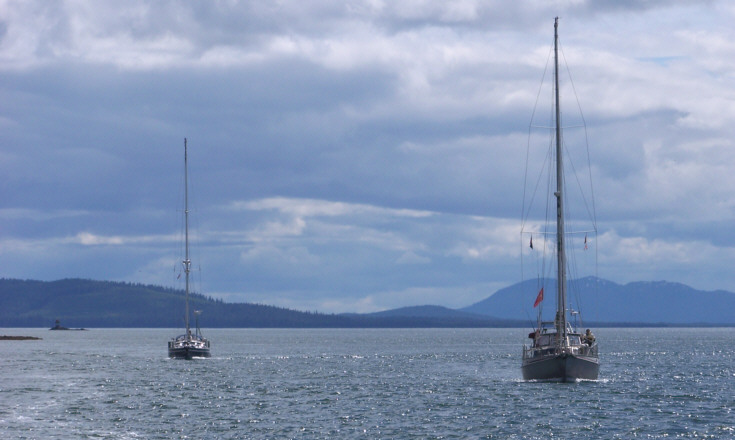
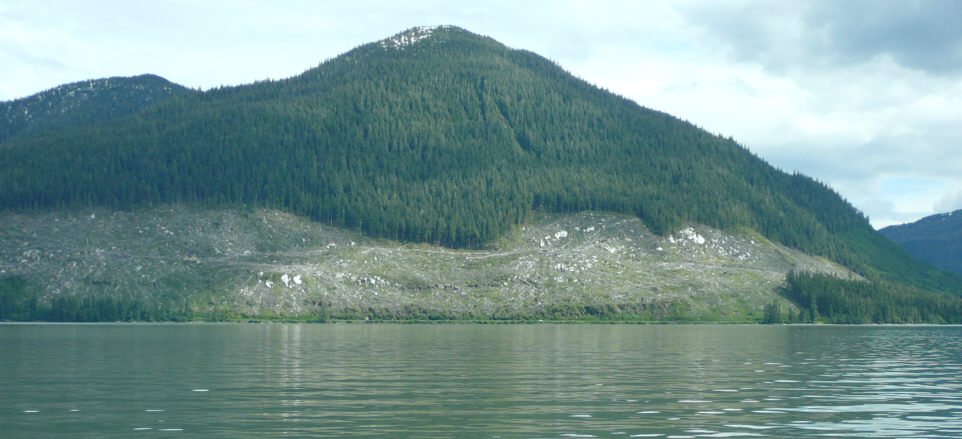
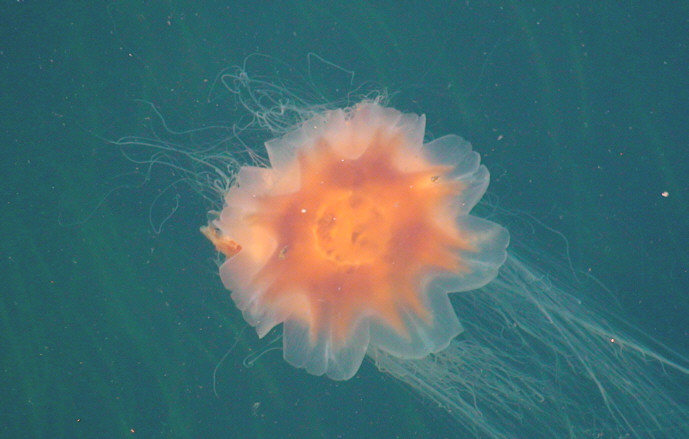
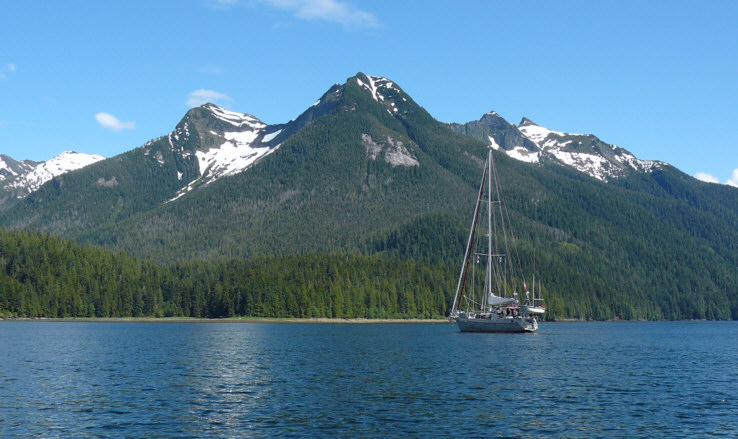
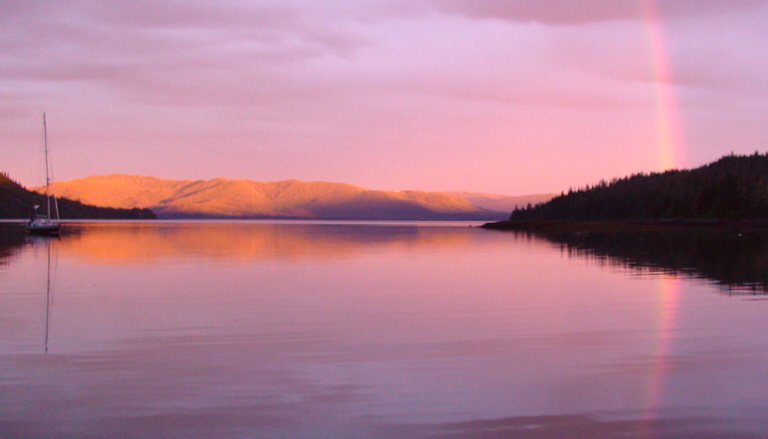
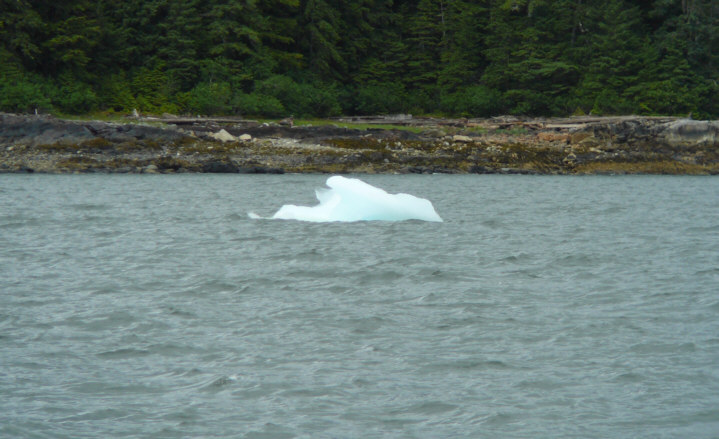
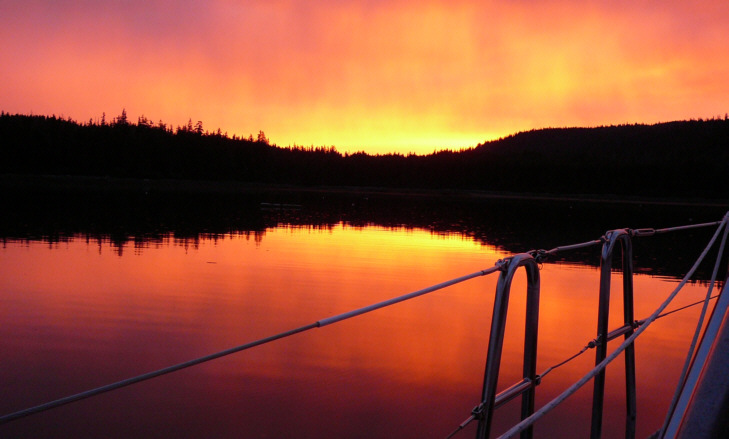
In a branch of Frederick Sound, we could barely make out the Le Conte Glacier, which is the southernmost tide water glacier in North America, through the mist. However, it made its presence felt more clearly with its first ice floes drifting freely in the water.
In addition to keeping a lookout for humpback whales and Orcas looking for food here, ice watching was now added to the mix. The variety could not have been greater. While we still looked on with tension at the first water spouts of the humpback whales, we were all the more delighted by the escalation of what was shown to us. The humpback whales performed great leaps and, at the end of the show, repeatedly displayed their majestically disappearing tail flukes. The ballet of the behemoths, or simply put, here we experienced one of the first highlights of our journey to Alaska so far. The only downside was that it was truly rainy here in Frederick Sound and visibility was only moderate. Therefore, taking pictures with our camera was not possible. We thus had to save all the whale pictures directly in our heads. What didn't work out here, we will certainly be able to catch up on later.
Juneau
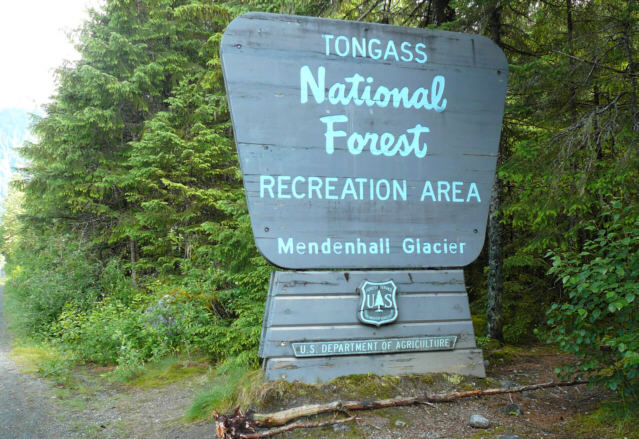
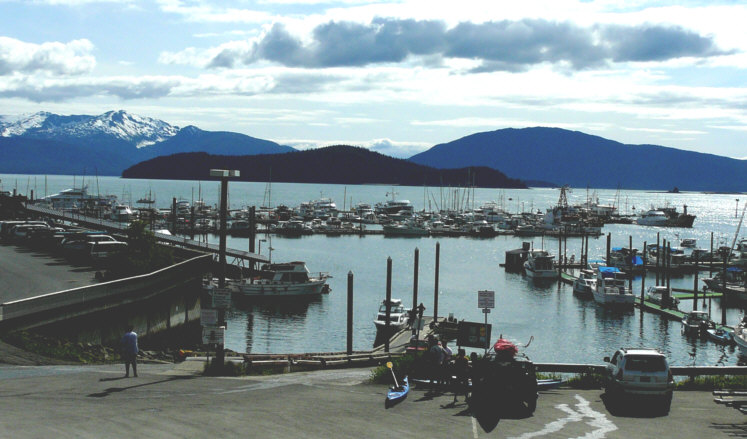
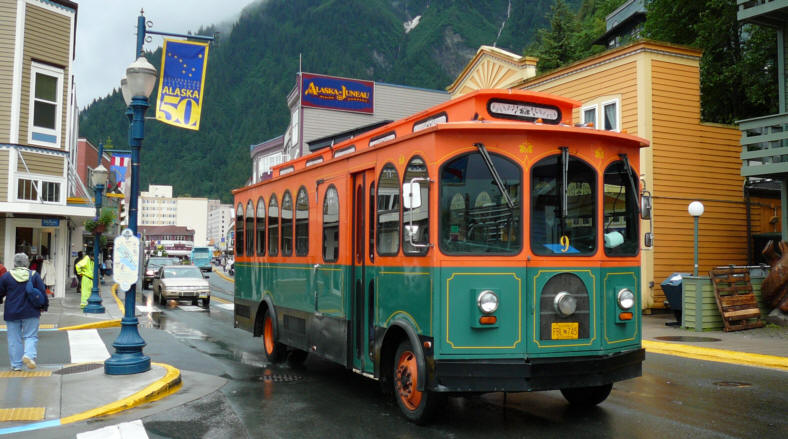
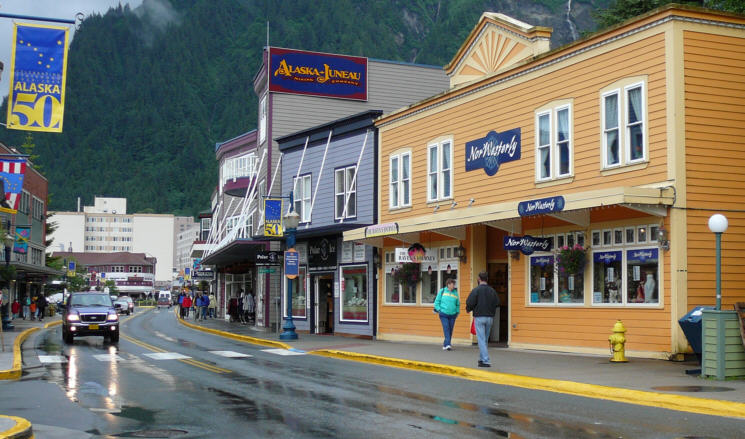
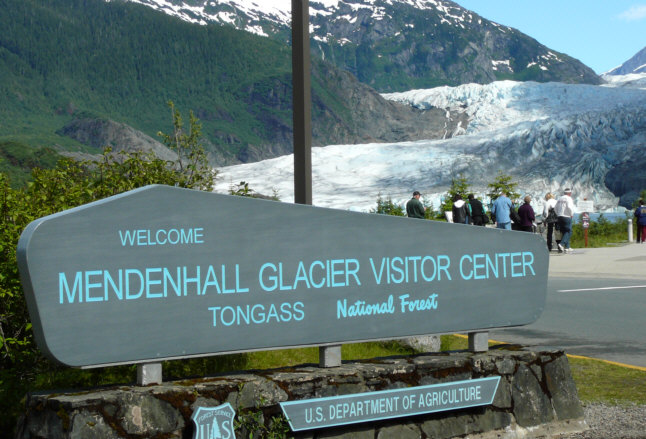
Juneau lies on a relatively narrow strip of land between Mt. Juneau and the Gastineau Channel. For us sailors, this city can unfortunately only be reached via a detour. Therefore, we decided to head for Auke Bay, located about 15 miles northwest of the city. This decision turned out to be a very good alternative. The center of Juneau could be reached by public bus in about 20 minutes, and it took about the same amount of time to get to the Mendenhall Glacier.
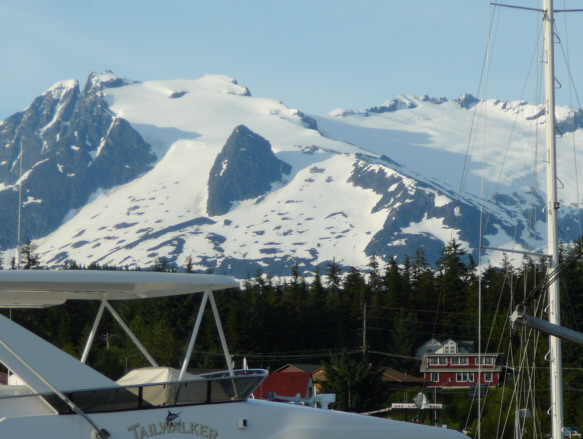
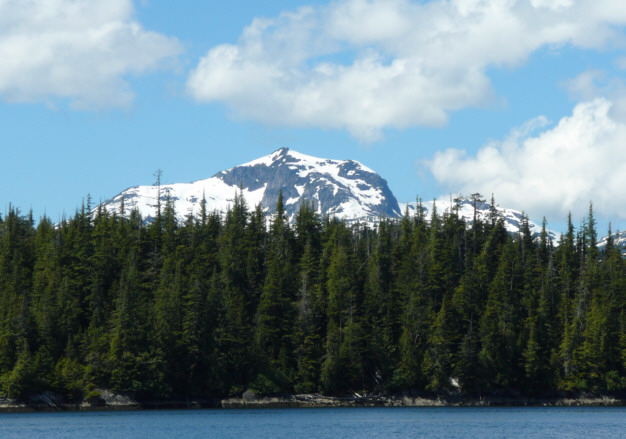
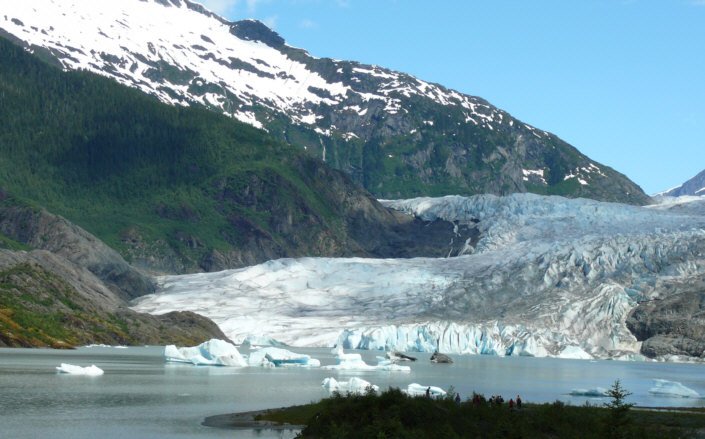
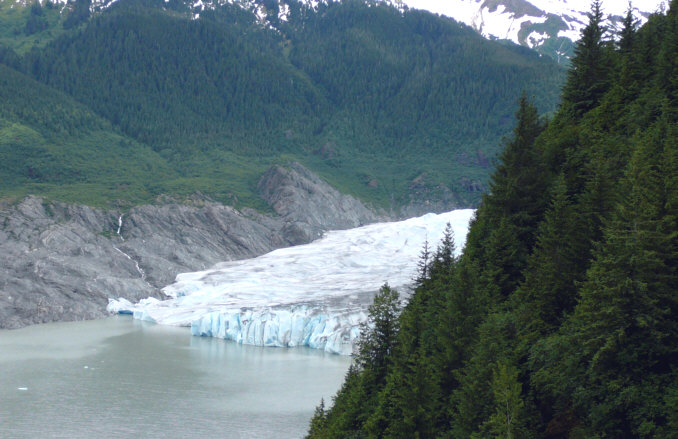
The Mendenhall Glacier is just one of the offshoots of the nearly 4000 square kilometer Juneau Icefield, an ice-blue world framed by many wildly jagged 3000-meter peaks.
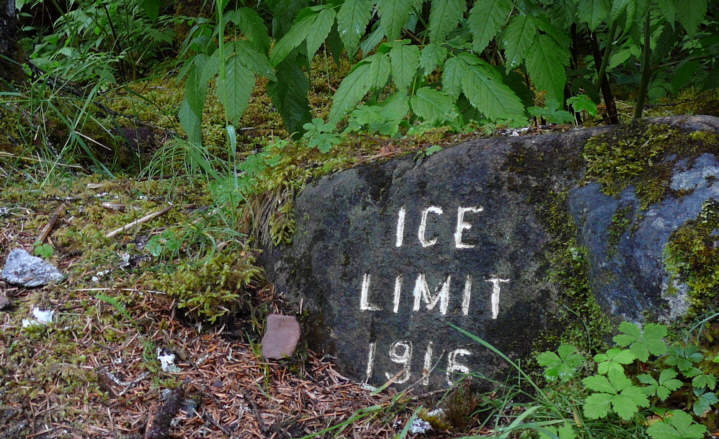
All the glaciers in this area originate in the famous Juneau Icefield, as do the Mendenhall and 41 other glaciers. We were able to admire the Mendenhall Glacier from close range, and it impressed us with its stately proportions. The ice face is about 70 meters high and around 2.4 km wide.
Although Juneau, with its 30,000 residents, is only the third-largest city in Alaska, the major gold rush in the late 19th century made it such a thriving mining town that it even became the capital of Alaska in 1900.
Those who want to experience the flair of the pioneer era should visit the Red Dog Saloon. There, you could enjoy a beer while taking a look at one of the legendary Wyatt Earp's pistols, or so the advertisement promised, but we didn't want to. What we wanted was now only 70 nautical miles west of us, and after all, we had already experienced the story of Wyatt Earp firsthand on our inland trip to Tombstone, Arizona.