Canada · British Columbia
Northbound through the Inside Passage
Northbound
The groceries for the next three weeks were stowed away, and the weather promised to remain cold and wet. Therefore, it made no sense to stay in Pender Harbour any longer. We still had about 1000 miles ahead of us to our northernmost point. So we set sail, though that is not entirely accurate, as we had to rely on the engine for 90% of the way.
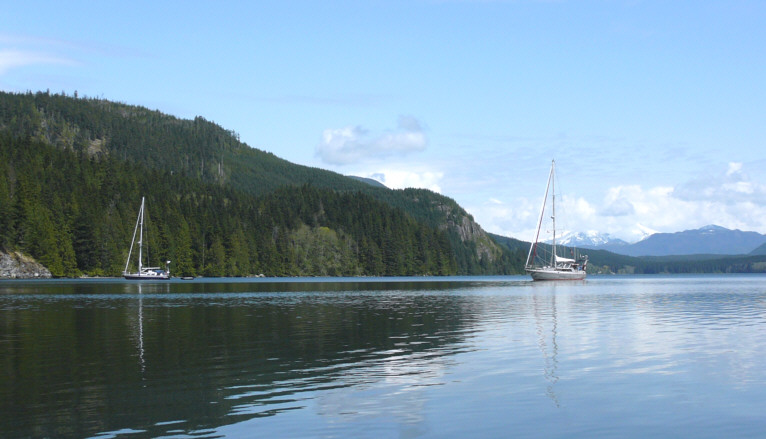
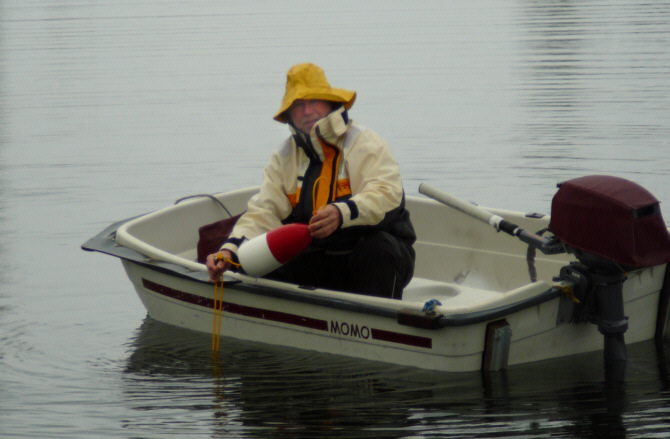
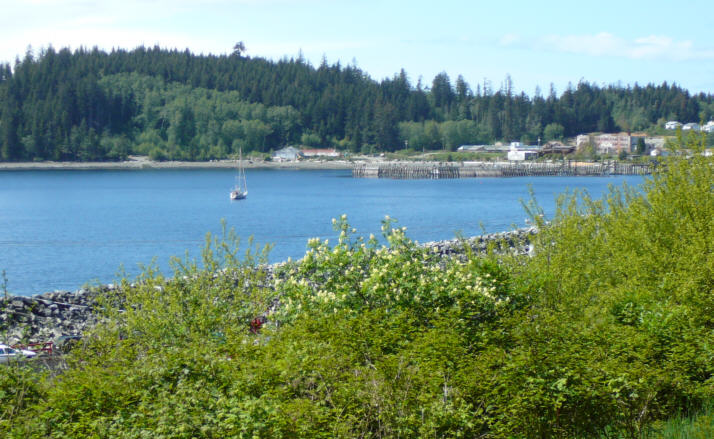
Via the Malapina Strait we reached Desolation Sound and then stood before an immense labyrinth of inlets, channels, small islands, and powerful rapids. These various rapids instilled a certain amount of respect in us, especially the ones that had to be navigated in quick succession. What was just a brief full throttle trip for the fast powerboats became a mathematical exercise for us. Here is just one example of this: "The passage through the first rapid, about half an hour before slack water but still with the current against us, should be possible. We will then reach the second one right at slack water, so that this time, with the beginning current, we should be about three knots faster. Thus it should be possible for us to pass through the third rapids just barely, without endangering the boat too much, albeit with somewhat more frantic heart palpitations and 9 to 10 knots of speed over ground." With some rapid combinations this worked out quite well and with others we had to anchor in between and wait for the next day, which, however, never became a problem.
Today we know why this section of the Inside Passage represents the first weeding out of local water sports enthusiasts and only about 40% of them even sail through it. With serious planning and compliance with the laws of nature, however, it is completely feasible without any problems.
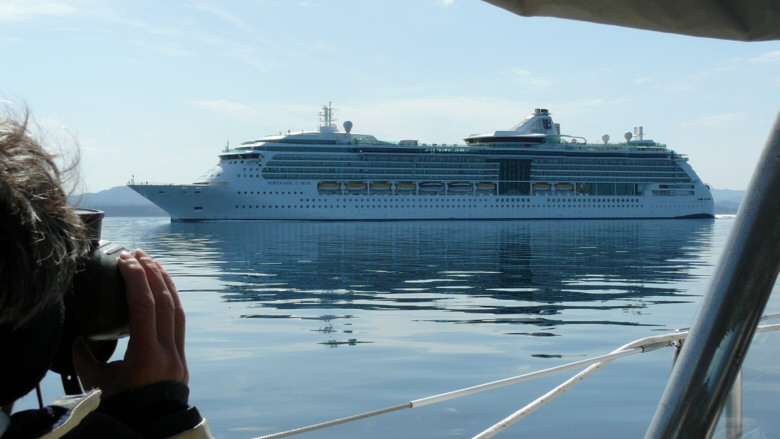
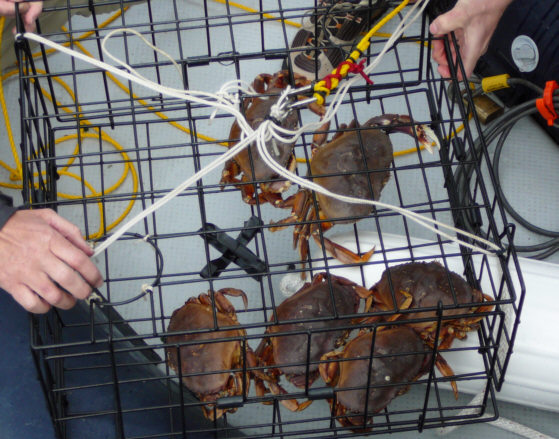
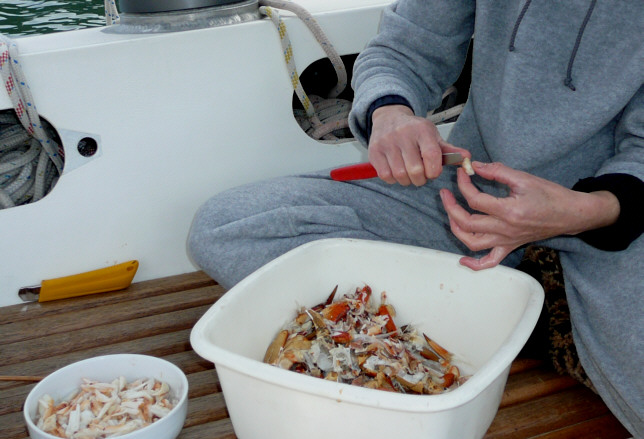
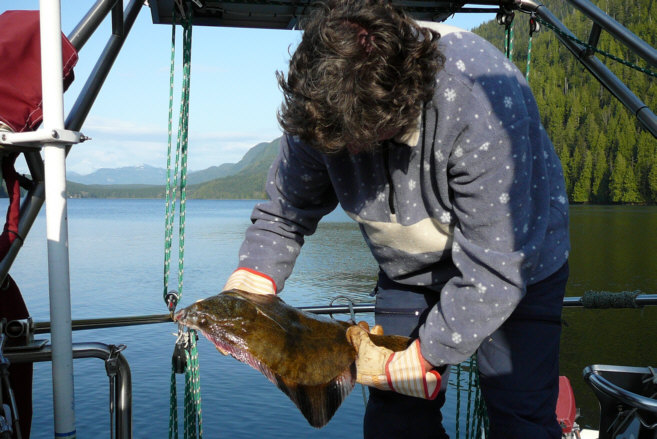
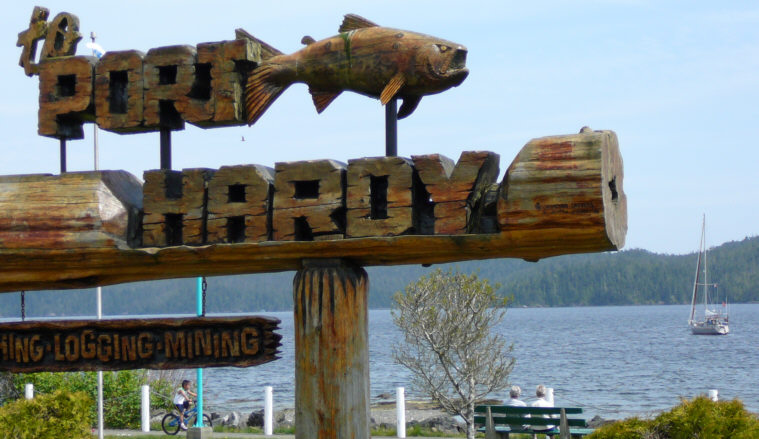
All of this still belongs to the Strait of Georgia, which is a roughly 240 km long and 25 to 30 km wide waterway of the Pacific Ocean. It lies in the southwestern part of British Columbia and separates the Canadian mainland from Vancouver Island. After the exciting passages through the rapids, we sailed into the Queen Charlotte Strait. This is the strait between the northernmost part of Vancouver Island and the mainland. Alert Bay, Port McNeill to Port Hardy After brief stopovers in Alert Bay and Port McNeill, our next anchorage was in Port Hardy. This is a small town right at the northern end of Vancouver Island. Today it has a population of about 5000. Here it was time to buy fresh provisions once again. Vegetables and fruit in particular were right at the top of the shopping list. We did not need meat here, as we had fish and crabs from the sea in abundance.
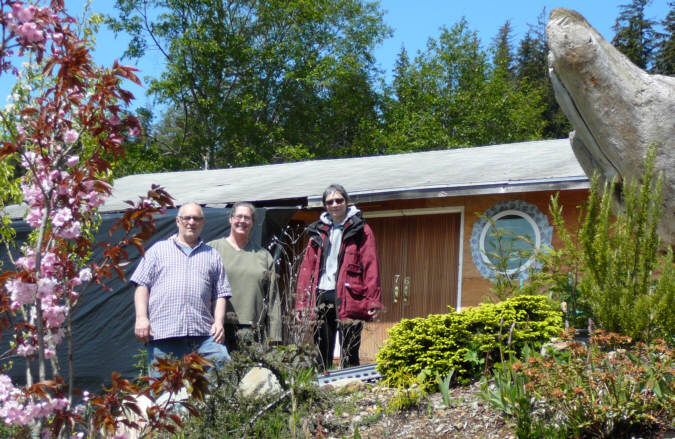
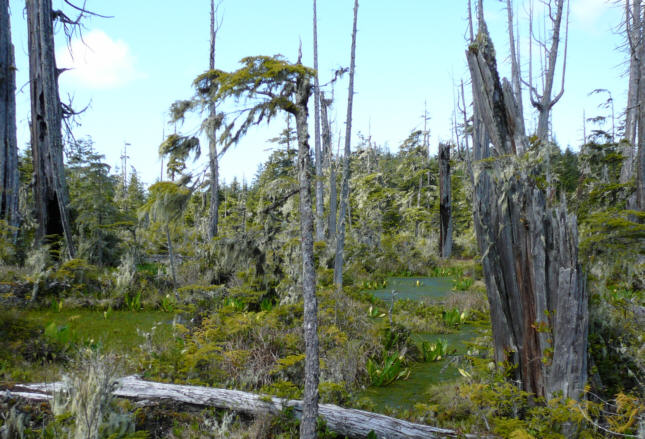
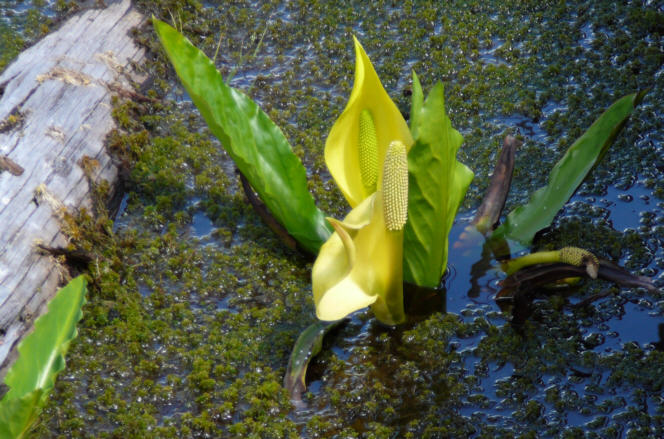
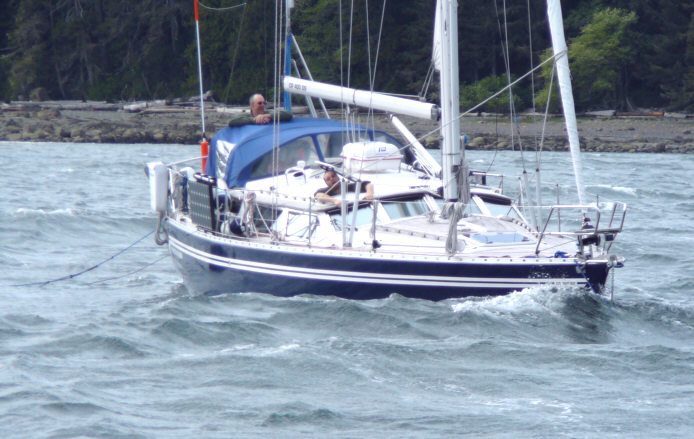
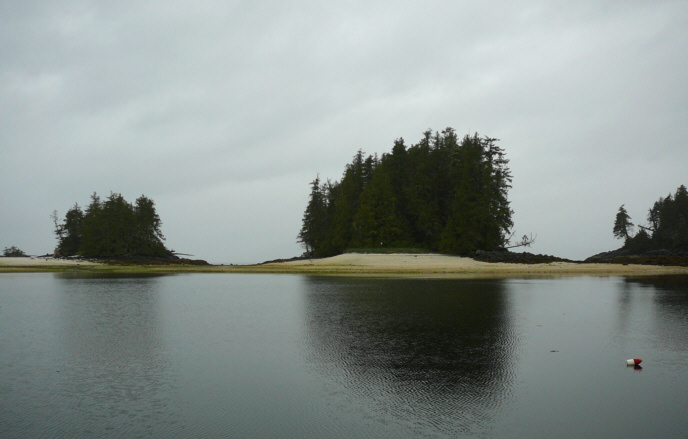
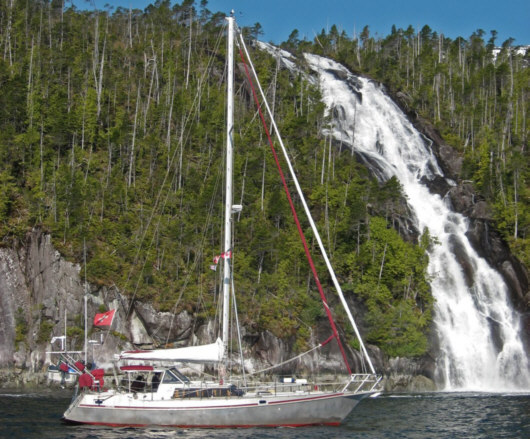
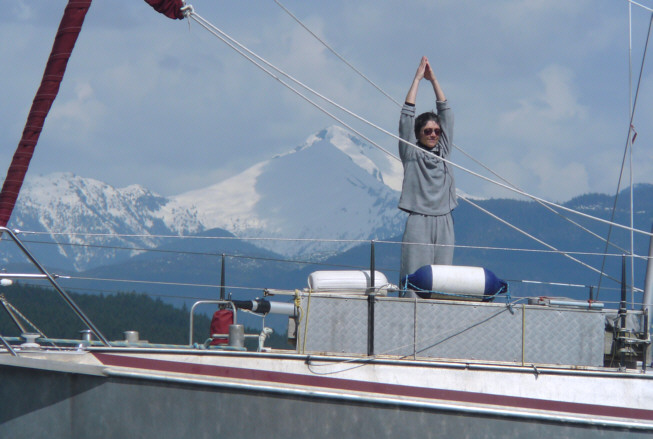
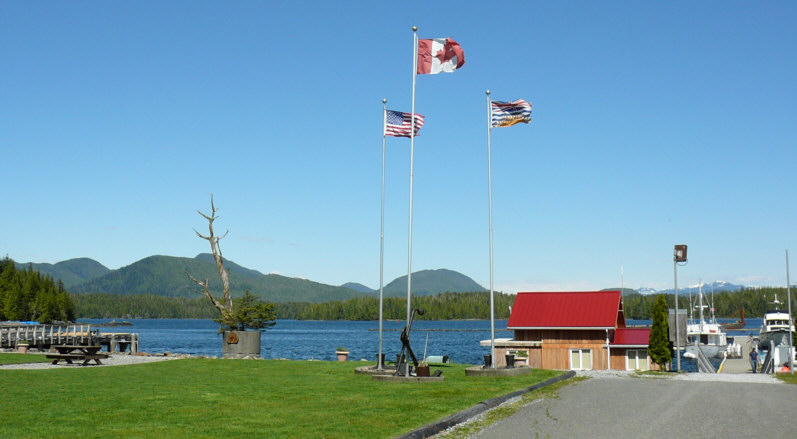
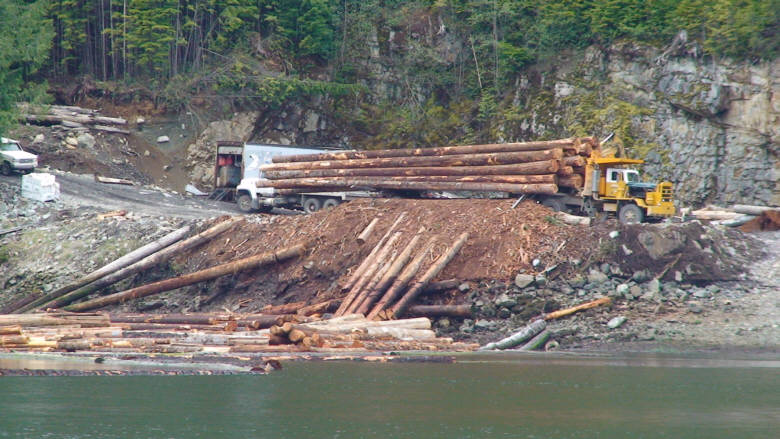
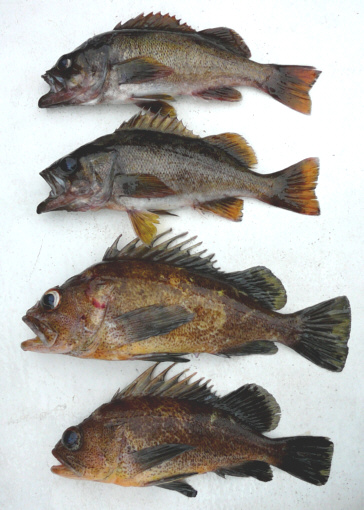
This was truly heavenly. From the rapids onwards, fishing became really exciting and the yields more than covered our daily rations. The flounders, rockfish, crabs, etc. tasted excellent, but to catch the icing on the cake, the salmon, we were still about a month too early. We had to wait a little longer for this delicacy.
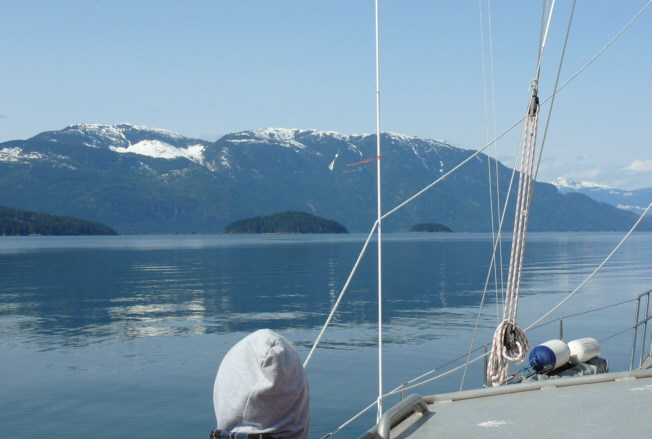
The weather continued to be very mixed. When I look at the pictures taken today, the impression might arise that we had practically nothing but sunshine. But that is extremely deceptive. Most of the time it was overcast and drizzling lightly. "Drizzle," they call it here in British Columbia, and I was slowly starting to truly hate this drizzle. I could always accept real rain without any problem, but this wet, cold, damp and uncomfortable...
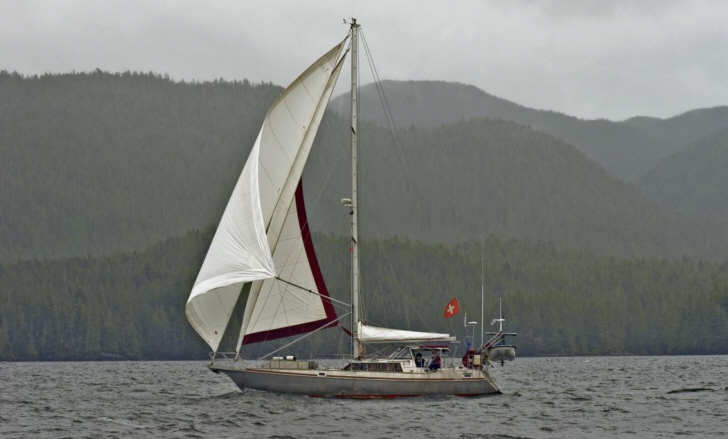
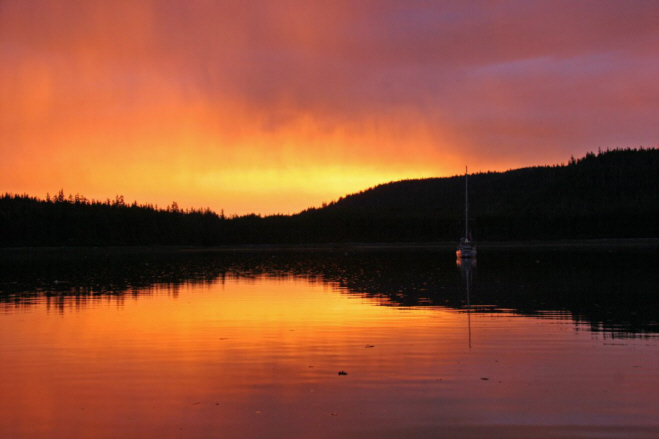
After rounding Cape Caution in absolutely great conditions, which means without any significant swell from the open sea, we finally reached uninhabited areas. For us, the Canada we had imagined actually began right here.
I cannot explain why Cape Caution represents such a major psychological barrier for the boaters up here. "Careful, the open sea rolls straight in here," or "this cape is extremely dangerous," are just two statements we kept hearing beforehand. Of course, you do not pass through here when swell meets tide and wind, but that can easily be avoided by waiting and using the right tactics. We were only too glad that the number of boats had decreased drastically once again from this point on. From now on, MOMO, together with the SY Mad Dog, had most anchorage bays entirely to themselves. Bishop Hot Springs
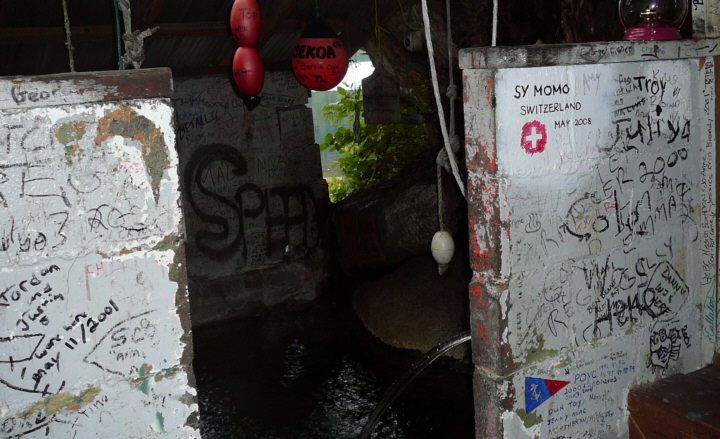
These are hot springs bubbling up from the ground. As is typical for North America, a small group of people fully committed themselves here as well, creating a little gem in countless hours of voluntary work. The "volunteers," as these people are called here, built a small bathhouse with indoor and outdoor pools and a docking pier for boats. The use of the entire facility is public and free of charge. By the way, this facility was not monitored, because here, in the total wilderness, most community life is still based on trust. Hopefully, this will not change anytime soon.
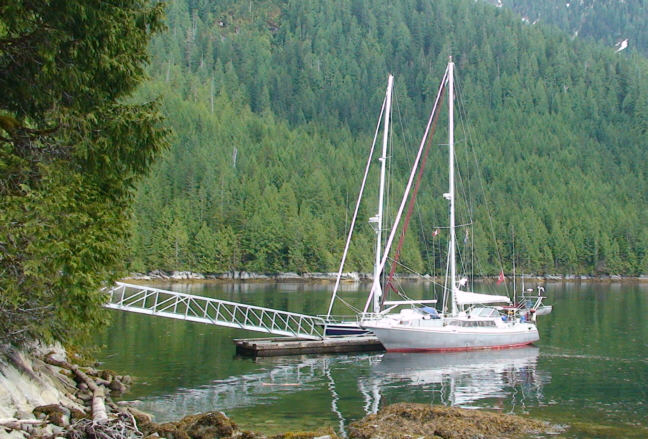
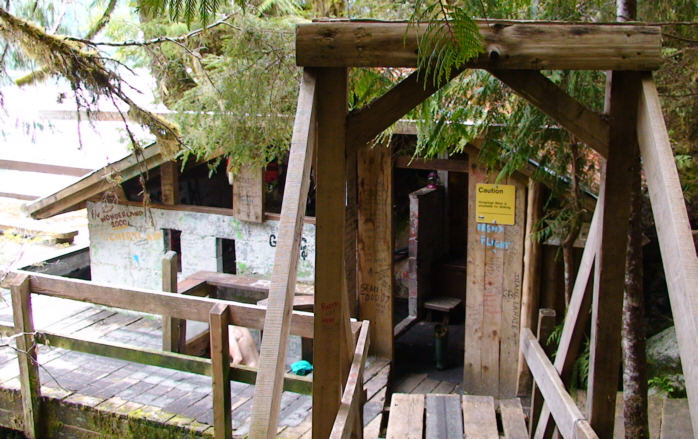
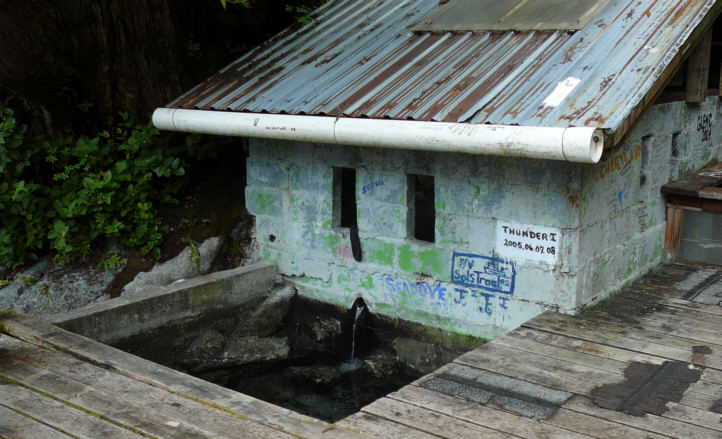
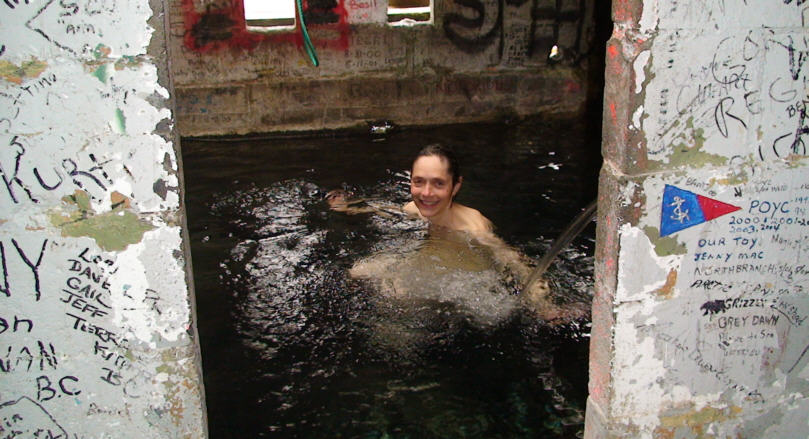
Klemtu
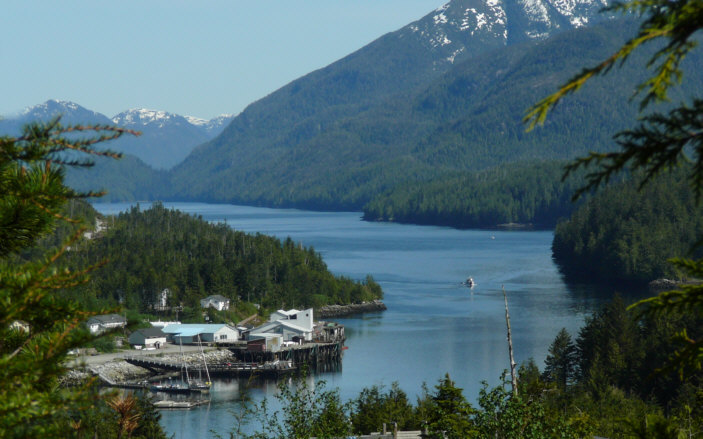
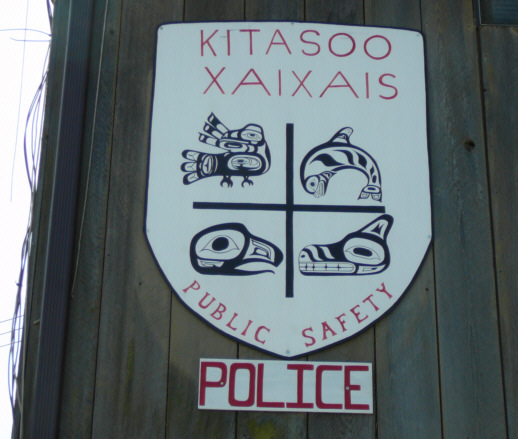
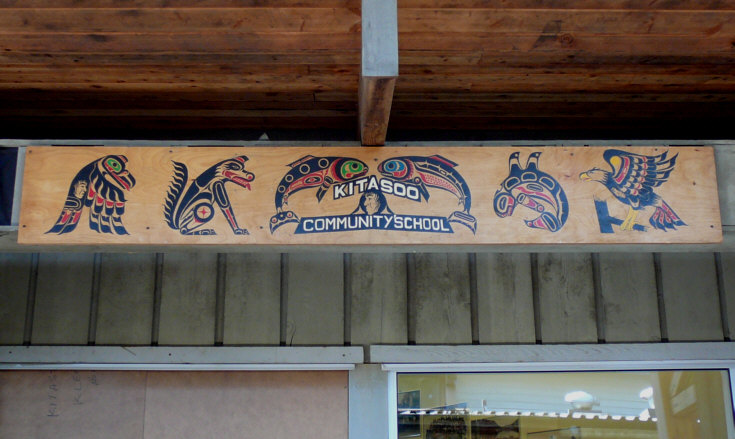
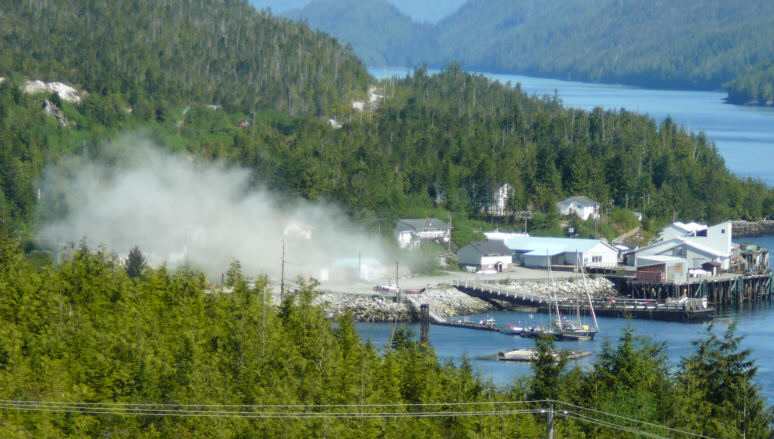
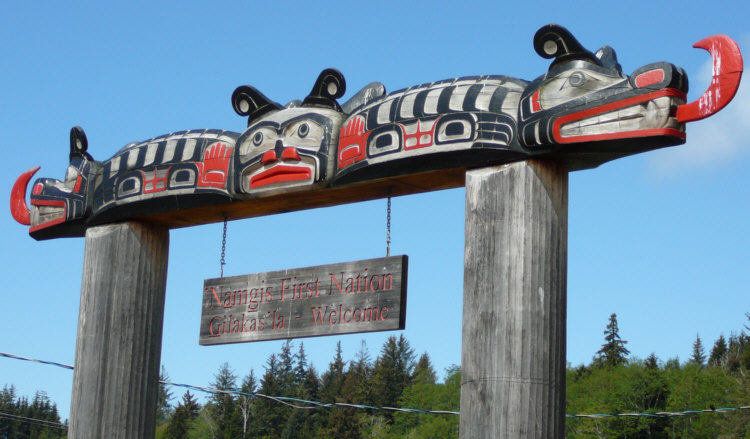
According to our travel documents, this is a typical and friendly First Nation village in the Inside Passage of British Columbia. During our walk through this village, we were also approached several times by locals, meaning Natives. As we later had to realize, this unfortunately remained one of the few direct contacts with them. Since the relationship between the white population and the Natives is very tense, we could not get close to them later on either. The chasm, resulting from the inglorious past between the invading white settlers and the North American indigenous people, is still too wide today. The difference in lifestyle between the Natives and our so-called civilization is simply too great. It does not help when the Canadian government transfers millions of dollars to the Natives as handouts, provides them with houses, and yet they still have no prospects. How complicated the whole matter is, is shown by the following. Starting from the Haida and Tsimshian on the north coast, through the Nuu-chah-nulth tribes on Vancouver Island, Secwepemc in the Okanagan region, and Ktunaxa in the interior, there are 198 First Nations tribes in British Columbia. This is more than in any other province in Canada. And each tribe has its own language, culture, and traditions.