Canada · British Columbia
Starting in the rain: Nanaimo and Vancouver
Starting in the rain
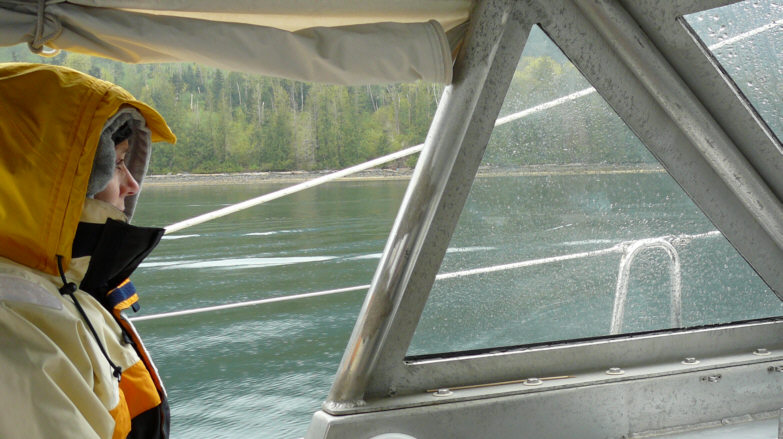
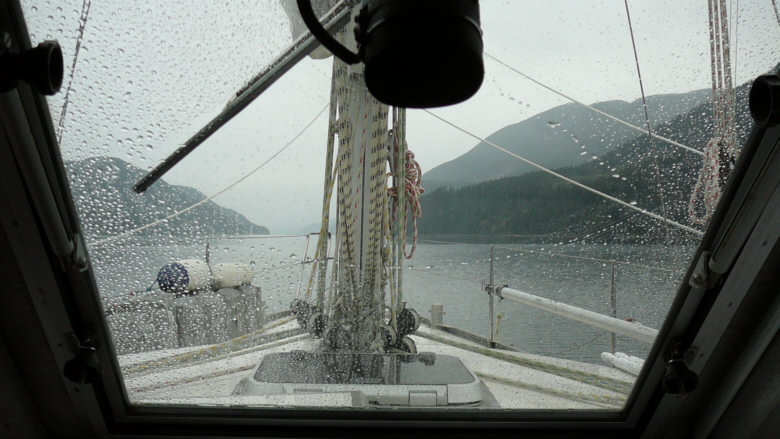
It was raining again, which was nothing unusual for this winter here in British Columbia. Absolutely not normal... it has never been this wet... we have never experienced such a winter... and so on were the words of the locals that are still ringing in my ears.
When saying goodbye at the marina office, I casually asked if it might possibly be an option for us to postpone our departure by one day, as the weather forecast predicted it would be dry then. "Of course..." was the reply, "if we pay for one more day in addition to the 5 months already paid for." That would mean donating another 45 dollars to the marina on top of the thousands of dollars already paid. No thanks, because even the biggest heart of a donor has had enough at some point. Giving this incompetent management any more was completely out of the question. In hindsight, I have to admit that we were really stupid to stay here for so long and spend so much money on top of that. We are still learning, too...
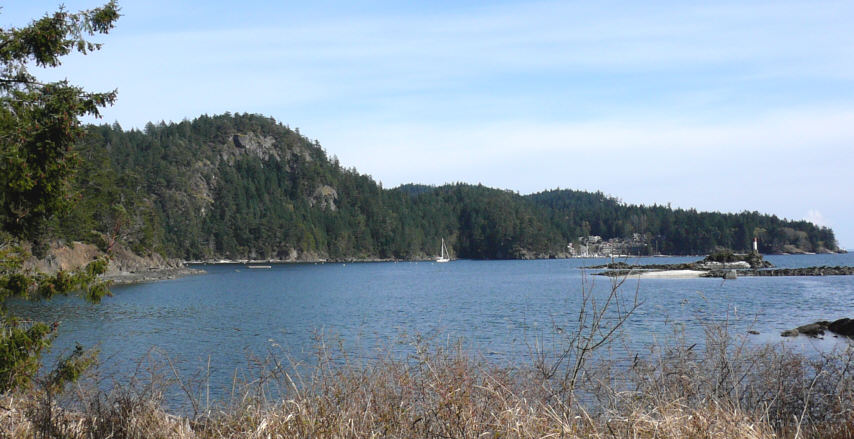
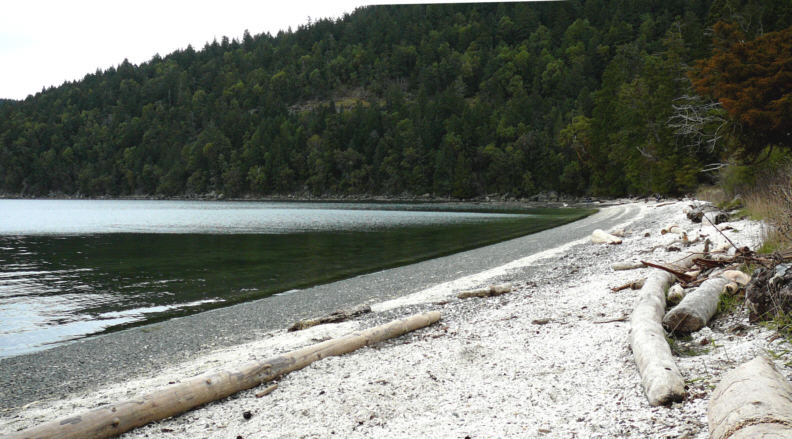
So we left the marina in pouring rain, as written above. Since we had already taken care of the various farewells beforehand, only Norma and Rolly, our best friends, and Leo and Dean, who wanted to join us later, came to our dock to say goodbye. Because we didn't want to spend our first day on the road for too long in the cold rain, we chose an anchorage very close by. We also had to test the replaced propeller for the first time and check whether everything else on board was still working properly.
Despite the completely adverse and wet-cold external circumstances, those very hard-to-describe feelings welled up in us again. The absolute special feelings of "casting off", the anticipation of sailing into new adventures, and having had the courage to "do it" rather than always finding a new excuse to postpone it.
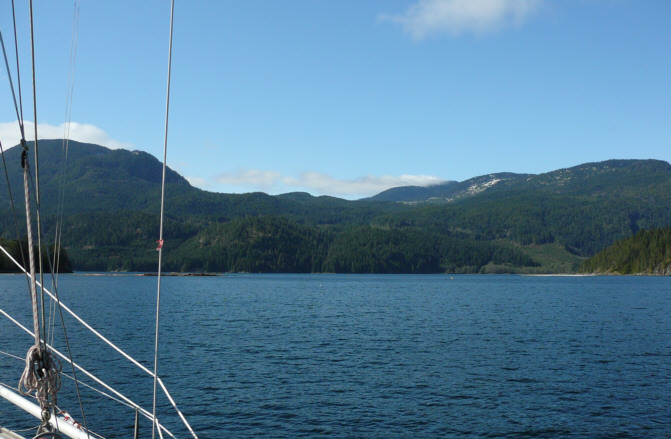
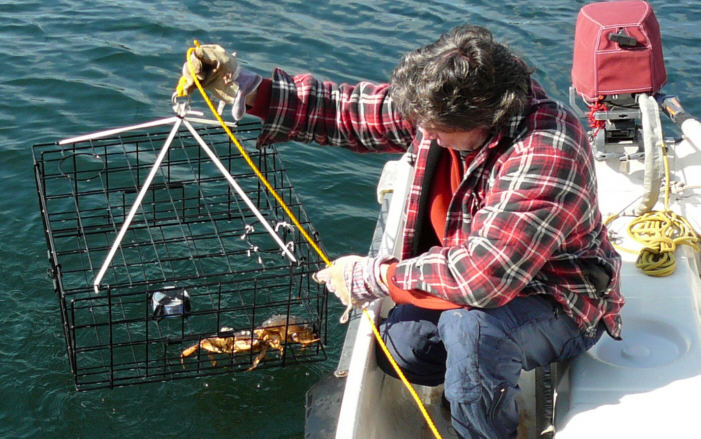
Since we were traveling a bit too early in the year for the trip to Alaska, we only undertook very short day trips. This gave me plenty of opportunity to get to grips with sourcing food from the sea, which is customary in this region. My fishing technique had to be adapted and, of course, the bait demanded by the fish had to be bought. Catching crabs also presented a new challenge. Actually, it wasn't necessarily the catching, but rather the killing and gutting that was new to me. To be honest, it also took a while until a certain routine and quality developed in my "butchering work". If the meat of these animals didn't taste so exceptionally good, who knows, maybe I would have given away my crab trap...
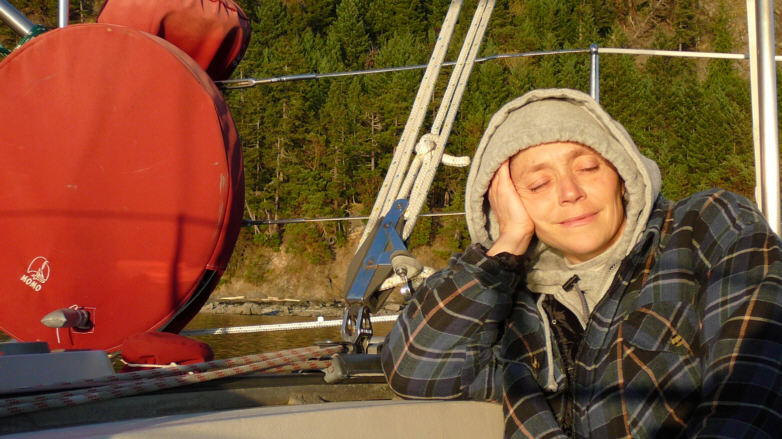
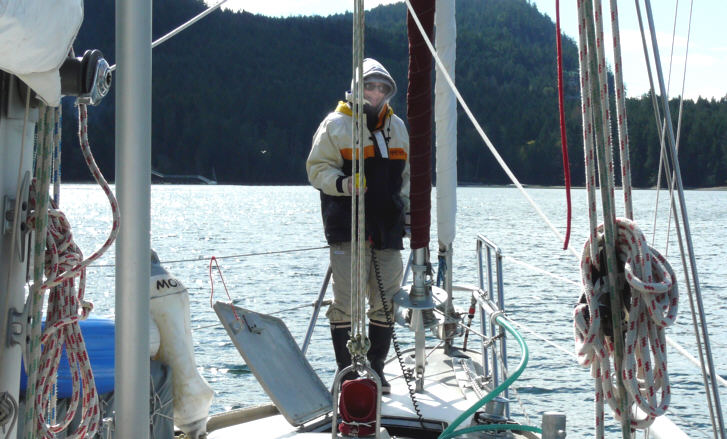
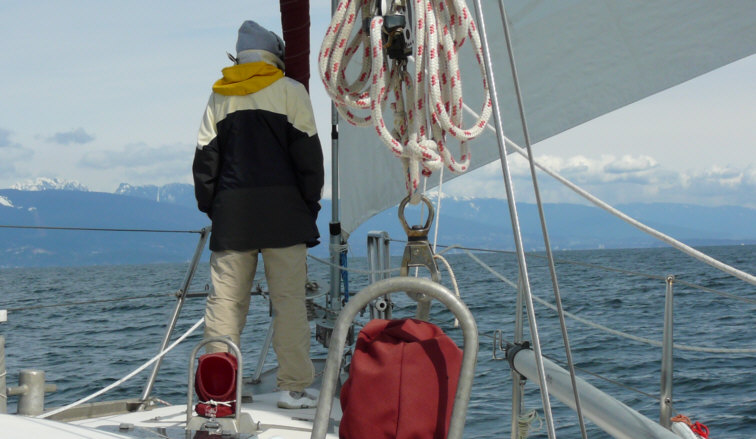
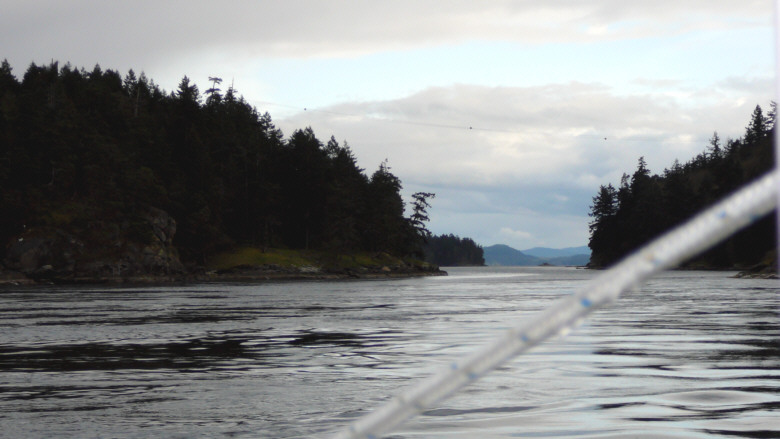
On the way to Alaska, various narrows now awaited us. These are the narrow places where the water has to force its way through during ebb and flow. At the most extreme narrows, the water speed shoots up to 16 knots. That is roughly equivalent to 28 km/h, hard to imagine, right? Even if a narrow is only running at about 8 knots (14 km/h), it can only be navigated at "slack water", which means only about 15 minutes before or after the tide has changed. Therefore, it was now crucial for us to always keep the tide table in mind and meticulously include it in our route planning. What seemed quite cumbersome at first quickly developed into a routine, and Yvonne increasingly enjoyed telling me exactly when and where I had to maneuver our MOMO through. The division of roles between navigator and helmsman quickly fell back into place.
Nanaimo
Shortly before Nanaimo, we passed the Dodd Narrows at slack and were pleased to note how unproblematic this passage was. The slight nervousness that had previously prevailed quickly vanished.
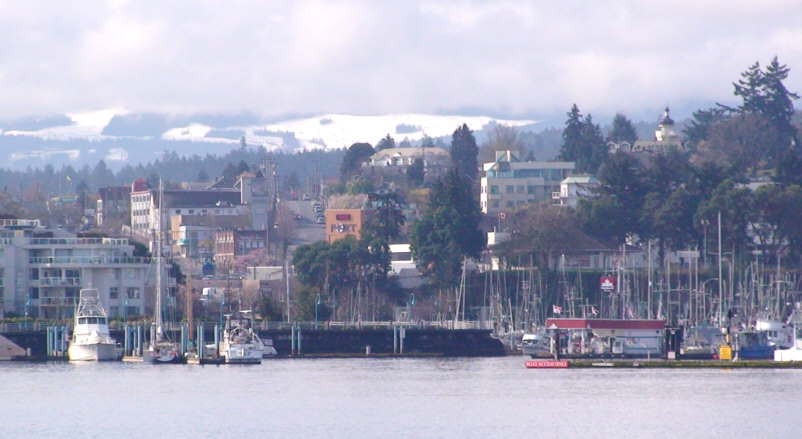
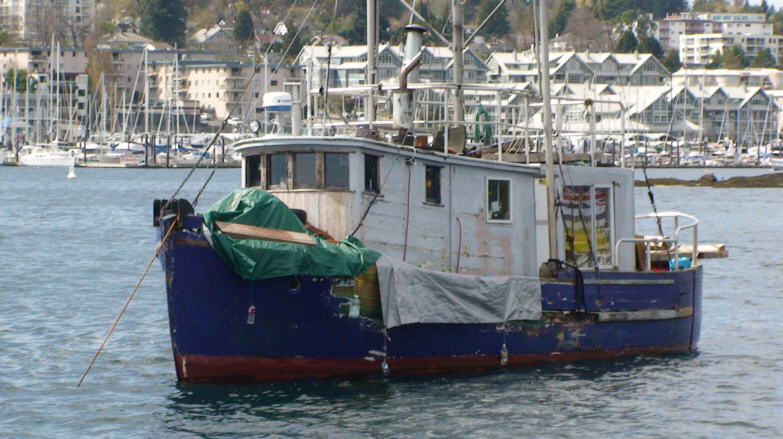
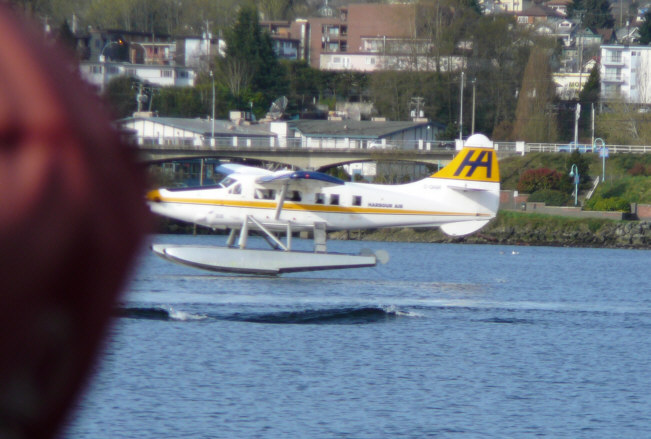
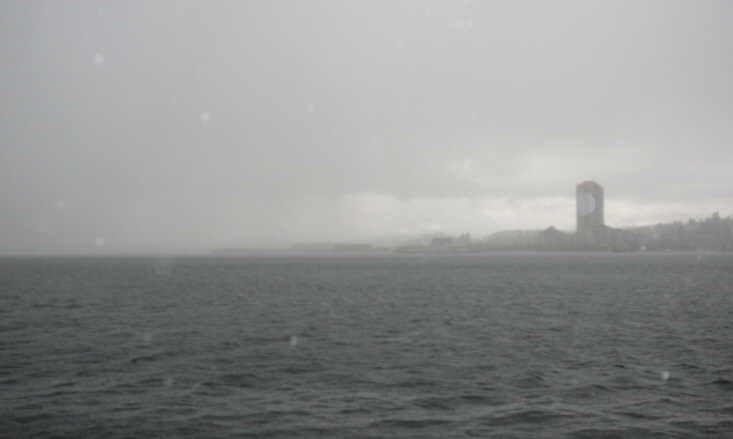
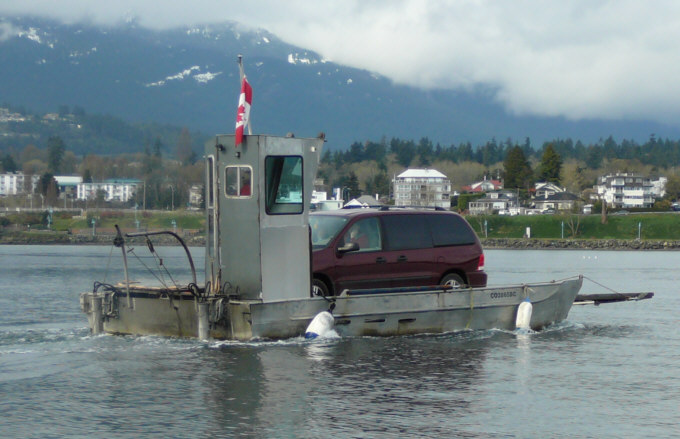
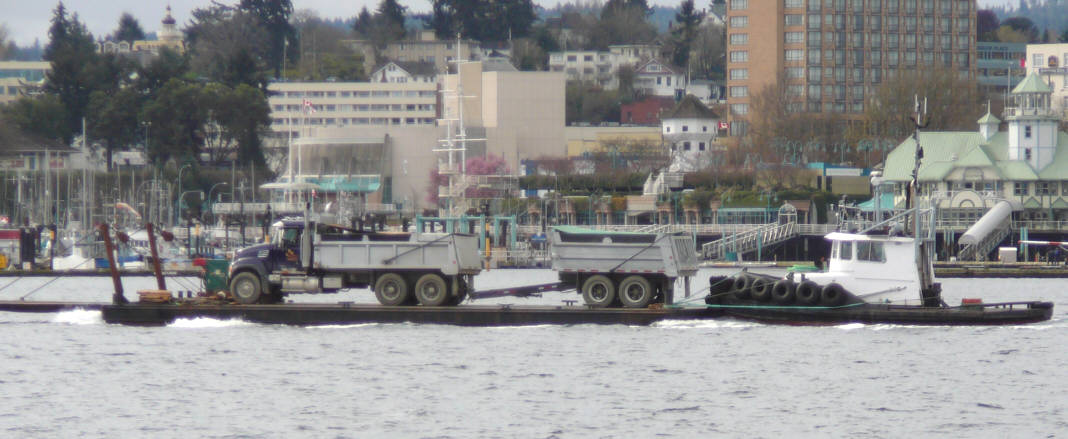
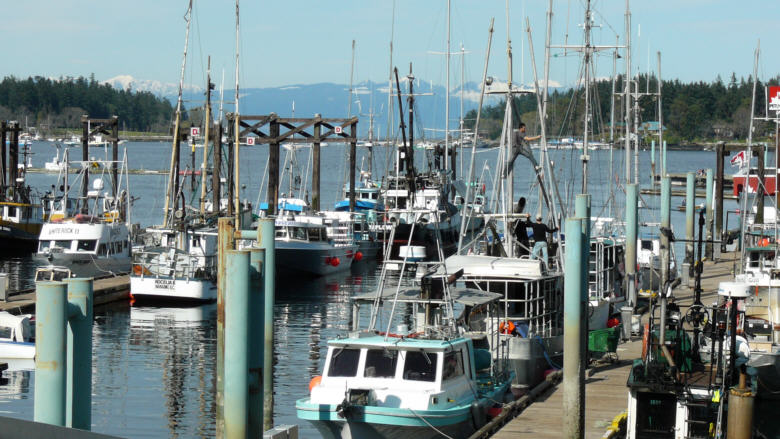
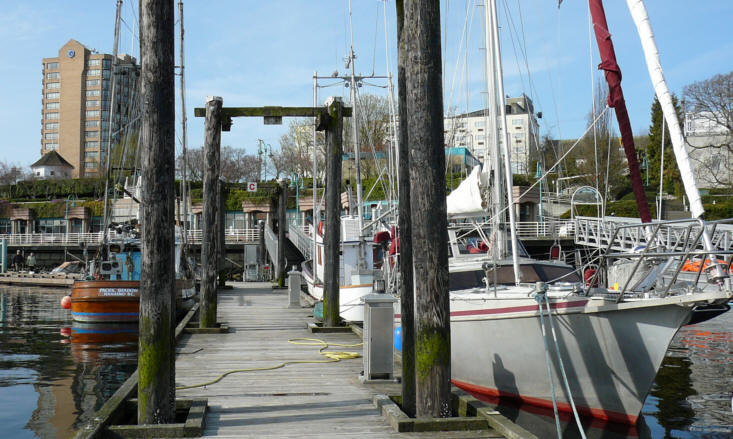
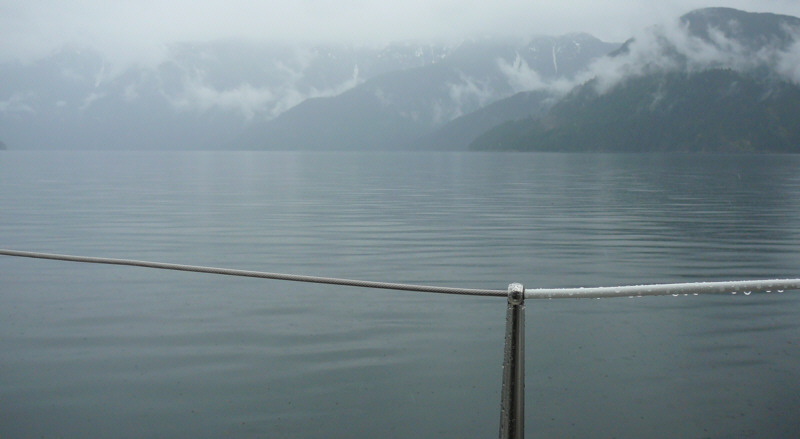
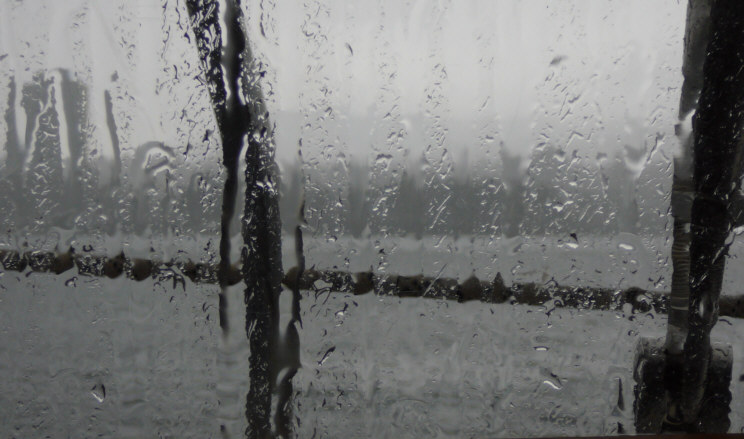
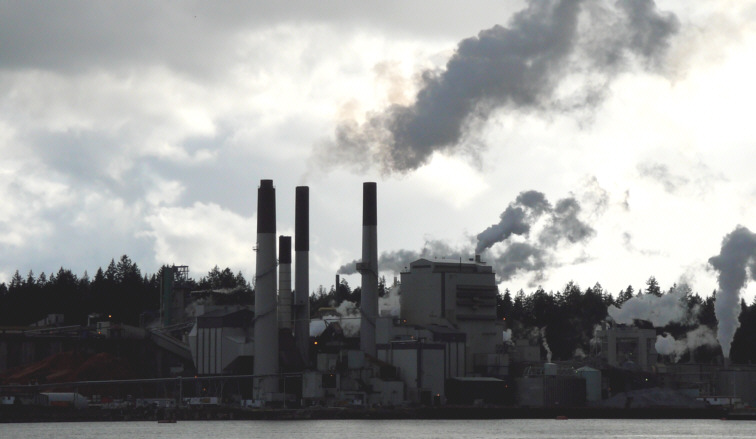
Nanaimo, with a population of approximately 74,000, is the second-largest city on Canada's Pacific island of Vancouver Island. We had actually only planned a short stopover here, but the weather prevented our intended earlier departure. It poured buckets for three days, so much so that at times we had trouble seeing the mainland from our anchorage. We were also practically trapped on our MOMO for a few days. Because of the strong winds and the associated high waves, it was impossible for us to go ashore with the dinghy.
With the first good weather window, we wanted to cross the Strait of Georgia toward Vancouver, but nothing came of it at first. We had to abort the first attempt because of the high swell caused by the previous stormy winds. The next attempt, two days later, was successful and we had the best sailing conditions for this 30-mile stretch. For the first time, we were able to cover a longer distance under sail again.
Vancouver, Olympic City 2010
Vancouver is located in the southwest of British Columbia on the west coast of Canada. It is named after the English captain George Vancouver.
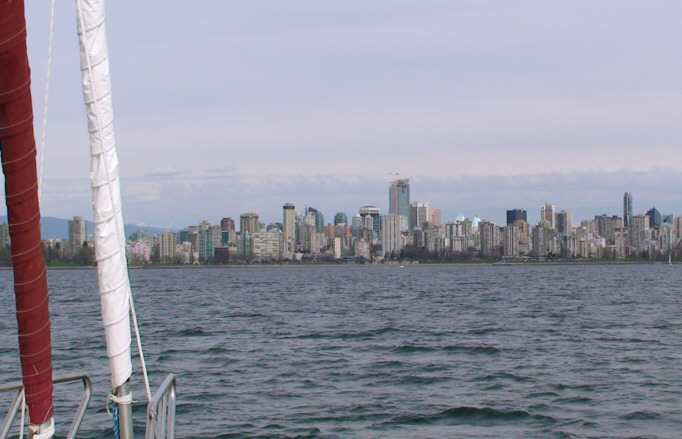
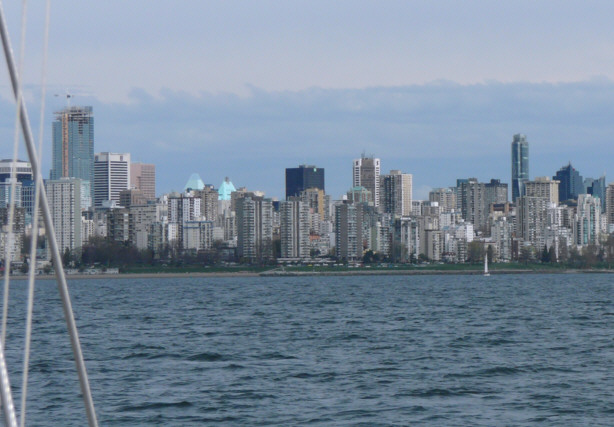
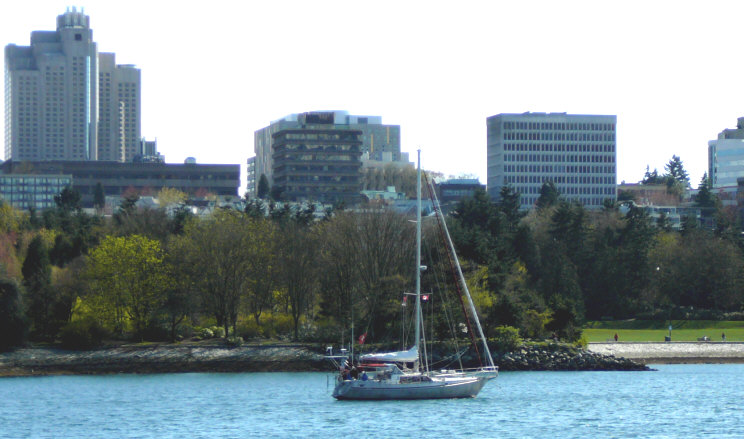
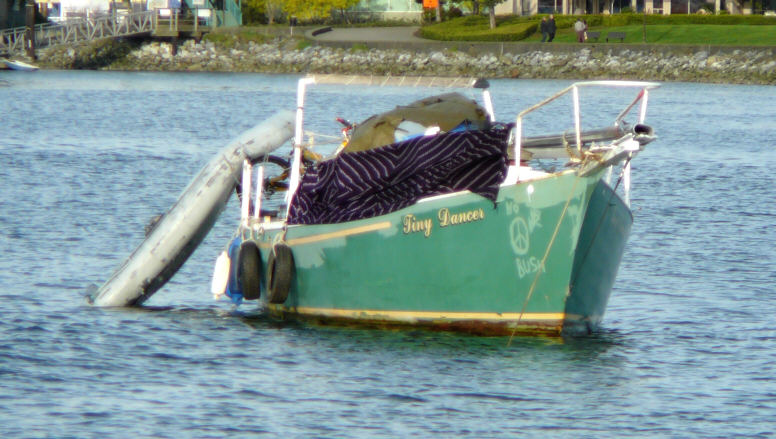
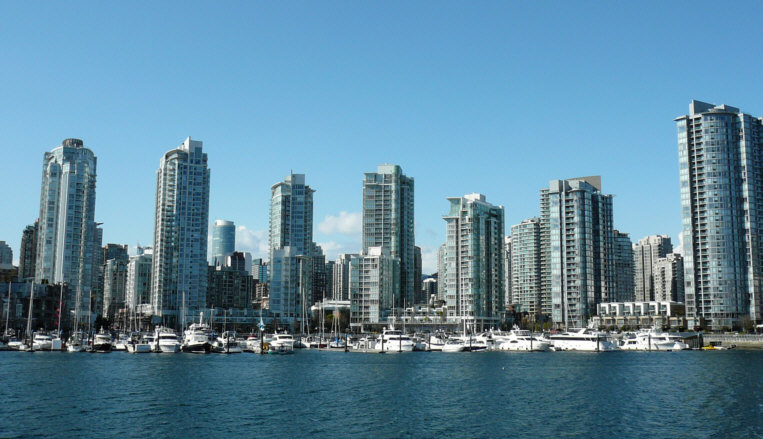
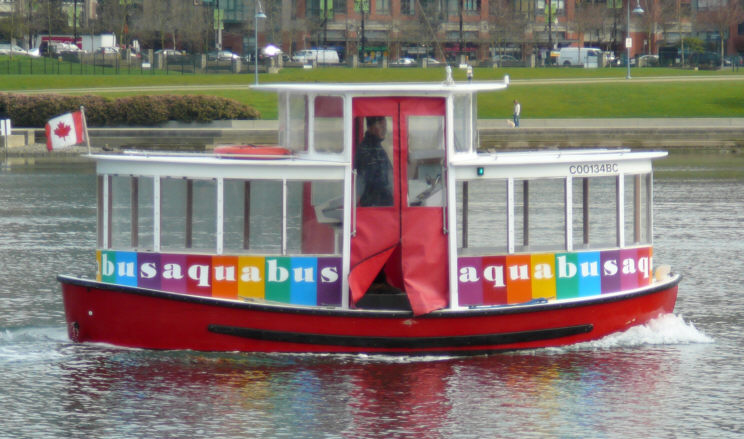
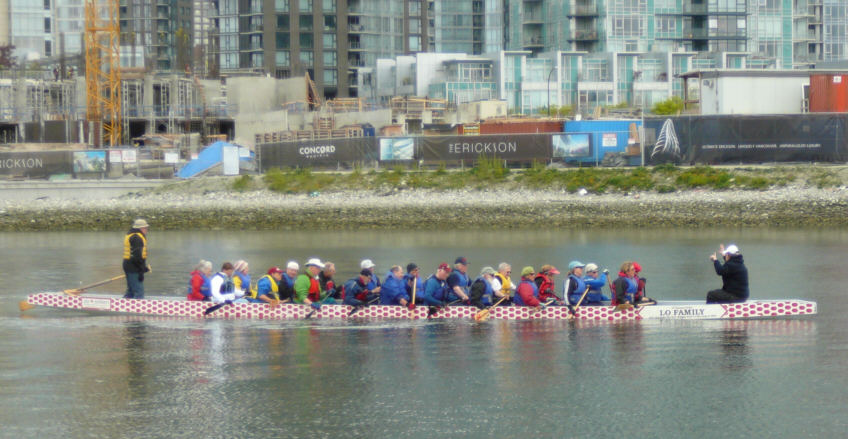
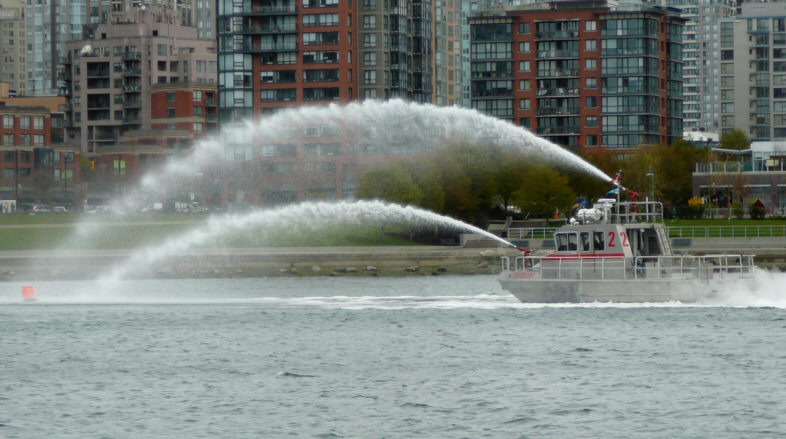
The city belongs to the Greater Vancouver Regional District, which, with over two million inhabitants, is the largest metropolitan area in western Canada and the third-largest in the country. The population of the city of Vancouver itself is only about 600,000. The city originated around 1860 as a result of the wave of immigration during the Fraser Canyon Gold Rush and, within a few decades after the opening of the transcontinental railway in 1887, developed from a small sawmill settlement into a metropolis. The economy was initially based on the exploitation of British Columbia's natural resources: forestry, mining, fishing, and agriculture. The Port of Vancouver gained international significance after the opening of the Panama Canal. Today, it is the largest in Canada and exports more goods than any other port in North America.
Over time, Vancouver transformed into a service center and, following the Expo 86 world fair, a tourism destination. Furthermore, the city is the third-most important location for the North American film industry behind Los Angeles and New York, which is why it is also referred to as Hollywood North. Vancouver is regularly rated as one of the three cities with the highest quality of life in the world.
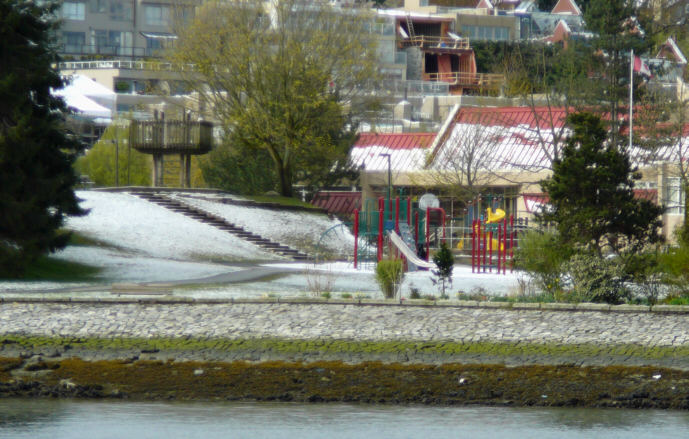
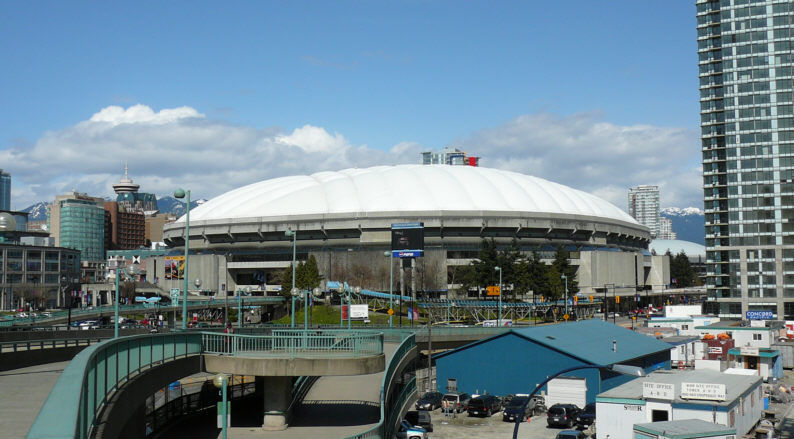
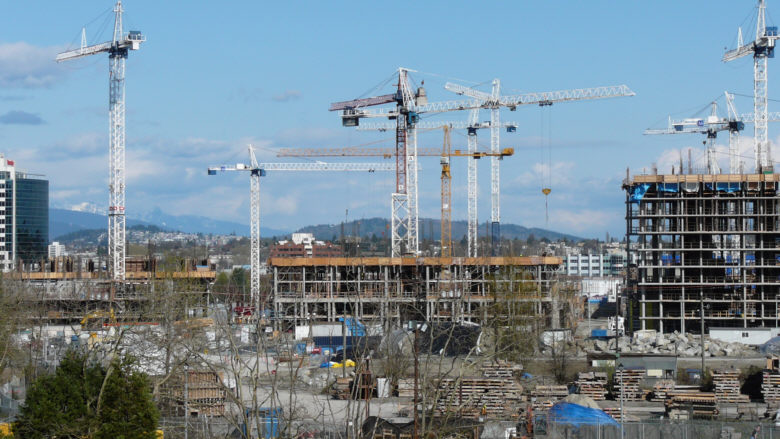
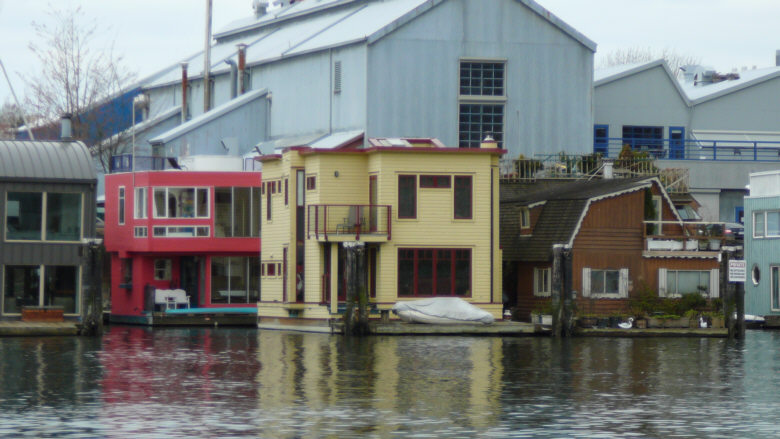
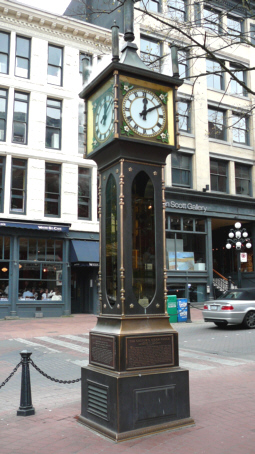
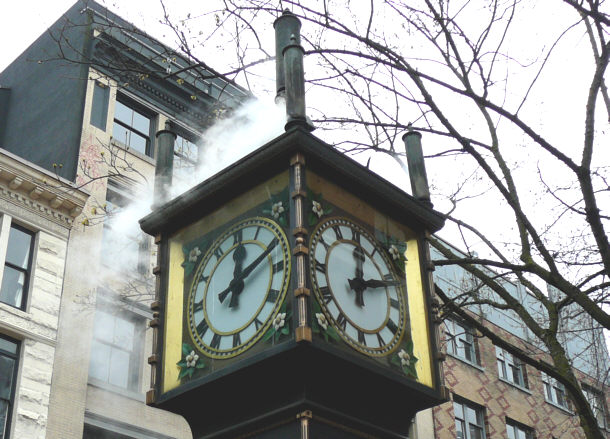
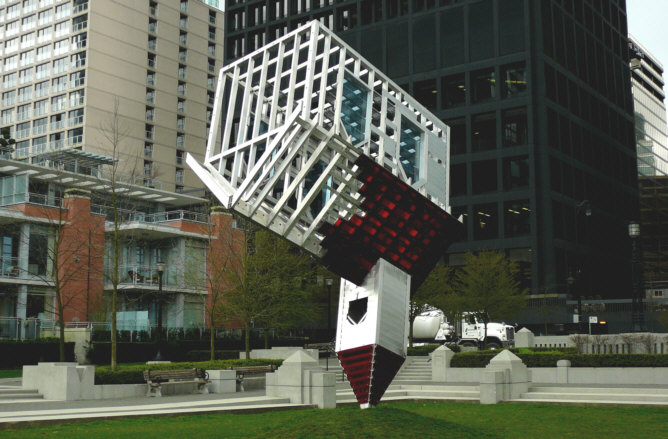
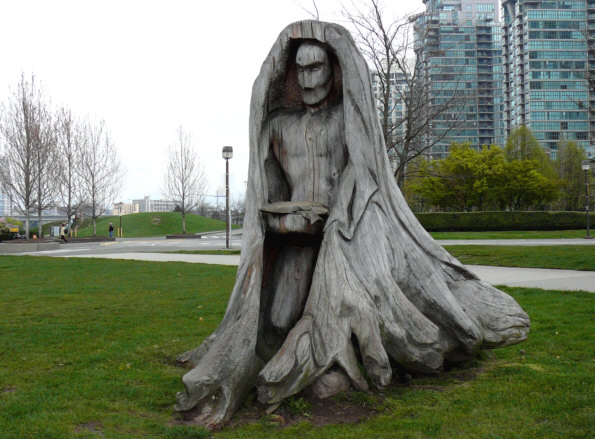
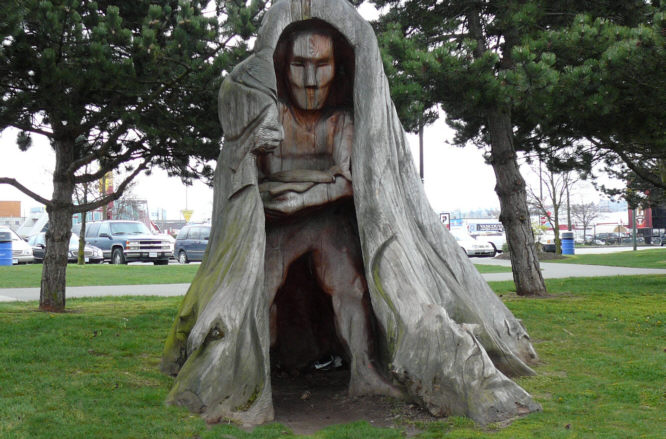
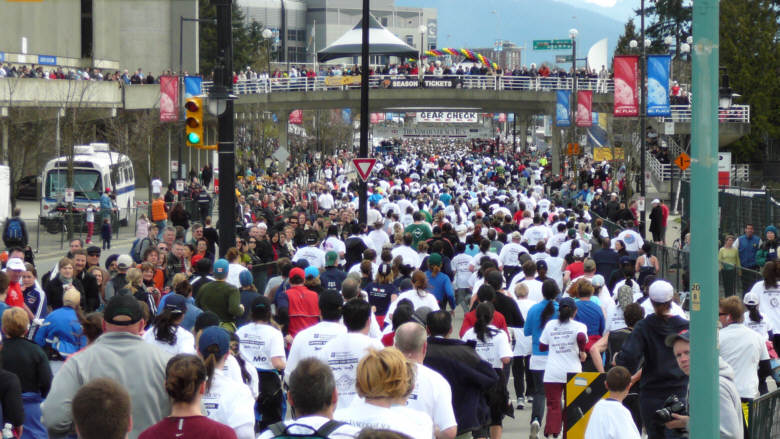
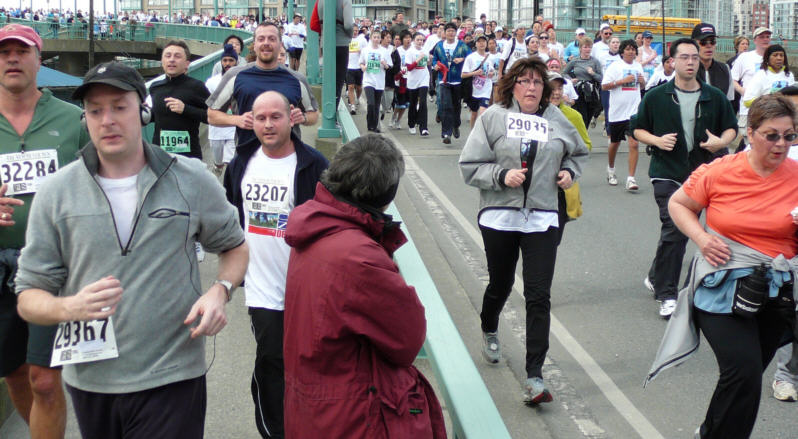
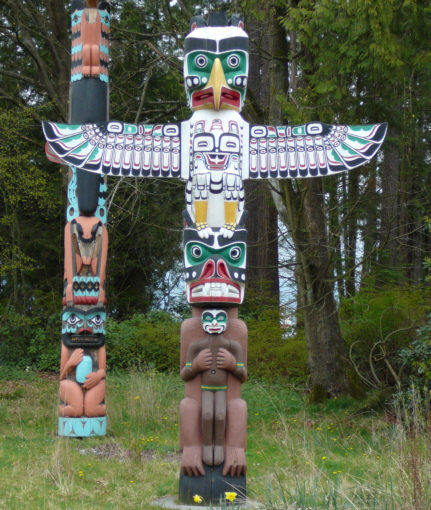
Vancouver was chosen to host the XXI Olympic Winter Games from February 12 to 28, 2010. We saw and felt this firsthand. We had the impression that at the moment at least 30% of the streets were torn up and cordoned off, and countless houses were newly built or at least received a facelift. Vancouver is really dressing itself up nicely, and this even though it already left a very well-kept external impression on us today. However, I also want to mention something negative about this city: the homeless. Never before have we noticed as many homeless people in a city as here. The down-and-out person, with all their belongings in a rusty shopping cart, appears even more pathetic next to the elegantly dressed banker. Since the climate here, viewed over the entire year, is one of the mildest in all of Canada, Vancouver attracts the losers of our society like a street lamp attracts mosquitoes. Ever since the city government decided, because of the 2010 Olympic Games, to provide free accommodation for this marginalized group, even more are arriving here every day. During our two-week stay in the future Olympic city, we cycled through a large part of the city and its surroundings. As great as the aforementioned disparity between rich and poor was, so was the difference in the weather. One day we could be out and about in a T-shirt in glorious sunshine, and the next morning there was snow on the deck of the MOMO. Pure variety.
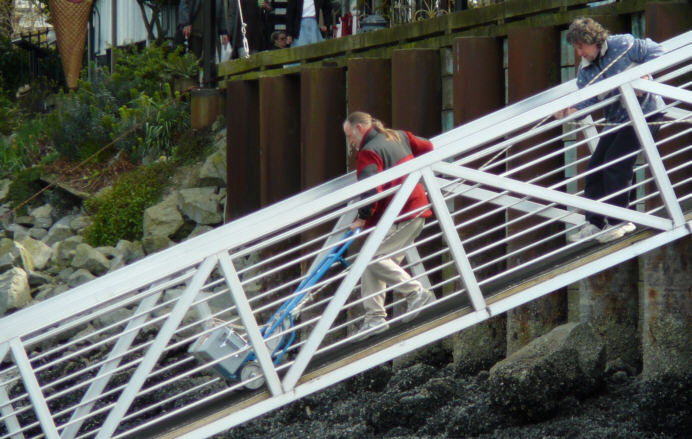
After replacing our house batteries, four units of 225 Ah each and weighing 65 kg apiece, and buying and stowing several other spare parts, it was time to continue heading north. Linda and Gerd, the TO base leaders in Vancouver, gave us plenty of good information and advice along the way. Since they also intended to sail to Alaska this summer, we hoped to meet them there somewhere again.
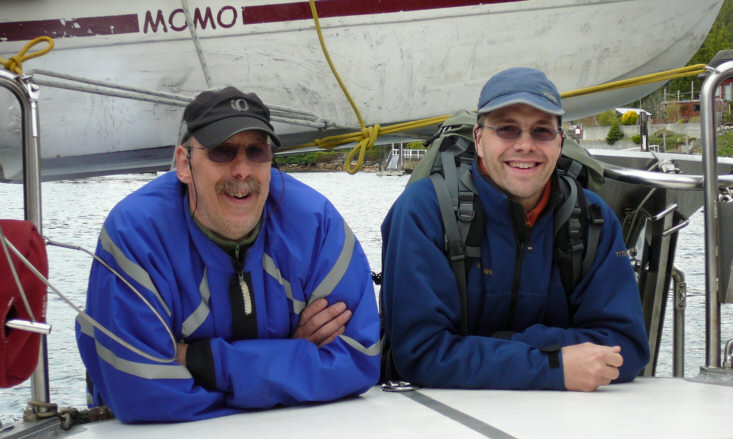
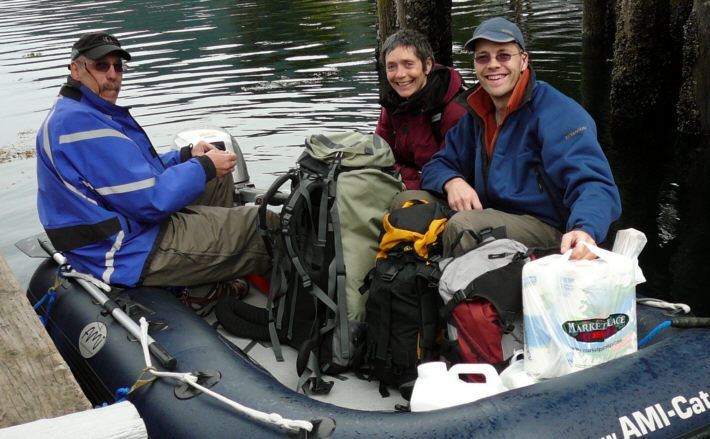
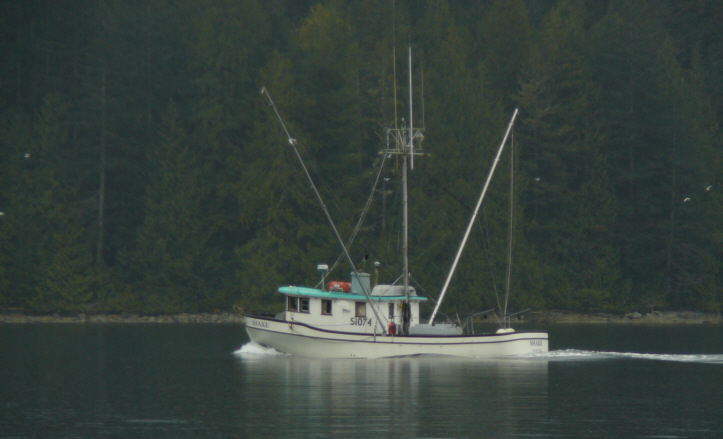
A few days later, in Pender Harbour, we met Leo and Dean. The two of them have been living on their "SY Mad Dog Voyager" for three years and were planning to head up to Alaska as well. Until the very end, we were not convinced that they would actually manage to make the jump, as they had already postponed their departure a few times... But now they had actually appeared at the agreed meeting place and so we continued our journey to Alaska together.